
Muslim Funeral Etiquette: A Compassionate Guide for Interfaith Guests
Being invited to a Muslim funeral can stir a mix of honor and uncertainty, especially if the traditions are unfamiliar to you. Your thoughtful presence matters, and this guide will help you offer support with respect.
We will walk through the fundamental customs and considerations to put your mind at ease. You will learn about the importance of timeliness, proper attire, respectful conduct during prayers and burial, and how to express condolences in a meaningful way.
Key Takeaways for Compassionate Support
Your presence alone is a gift of comfort to a grieving family. Even if the customs feel unfamiliar, your decision to attend speaks louder than any words.
I have seen how a quiet, respectful presence can ease the weight of loss. Your support matters most when rituals are new to you.
Focus on three simple pillars to guide your actions. Honor the swift timeline, dress and behave with modesty, and offer condolences from the heart.
Non-Muslim attendance is nearly always welcome when approached with genuine respect. Families appreciate your effort to understand their traditions during this time.
This kindness flows both ways across faiths. Many Muslims also approach services like Christian funerals with the same careful respect you are learning now.
The Sacred Timeline and Rituals of a Muslim Funeral
Islamic funeral practices are rooted in reverence and a belief in returning to the Creator. The entire process is a communal act of love, performed with quiet dignity. It encompasses various Islamic funeral customs and burial, each carrying profound spiritual significance.
The emphasis is on a swift burial, often within a single day. This rapid timeline reflects a deep theological respect for the sanctity of the body after death.
What are the key rituals and practices in a Muslim funeral?
The funeral is a series of deliberate, graceful acts. Each step is a final service performed by the community for the deceased. Understanding funeral terminology and practices can help one navigate this time with respect and clarity.
- Ghusl is the ritual washing of the body. Same-gender family or community members perform this cleansing with gentle hands, ensuring absolute privacy and respect.
- Kafan is the shrouding of the body in simple, white cotton cloth. This plain wrapping reminds us of our equality before God, with no distinction between rich or poor.
- The Janazah prayer is a communal standing prayer. The congregation gathers, often in silence or with soft recitations, to ask for mercy for the departed soul.
- Burial involves placing the body directly into the earth, facing Mecca. A casket is typically not used, allowing for a direct return to the soil.
These rituals are not just procedure; they are a last act of intimate care. They are deeply rooted in Islamic scripture and the powerful tradition of community support.
What is the typical timeline for a Muslim funeral?
Muslim funerals move with a purposeful speed that can surprise those unfamiliar with the tradition. The goal is burial within 24 hours of death, whenever possible. Understanding the broader timeline of Muslim funeral traditions can help families plan and coordinate the rites.
This means the funeral may be held the same day or the very next day. Short notice for attendees is completely normal and expected within this framework.
If you wish to offer support, be prepared to adjust your schedule quickly. Your flexibility is a direct and meaningful form of compassion for the bereaved family.
Your Guide to Funeral Etiquette and Conduct
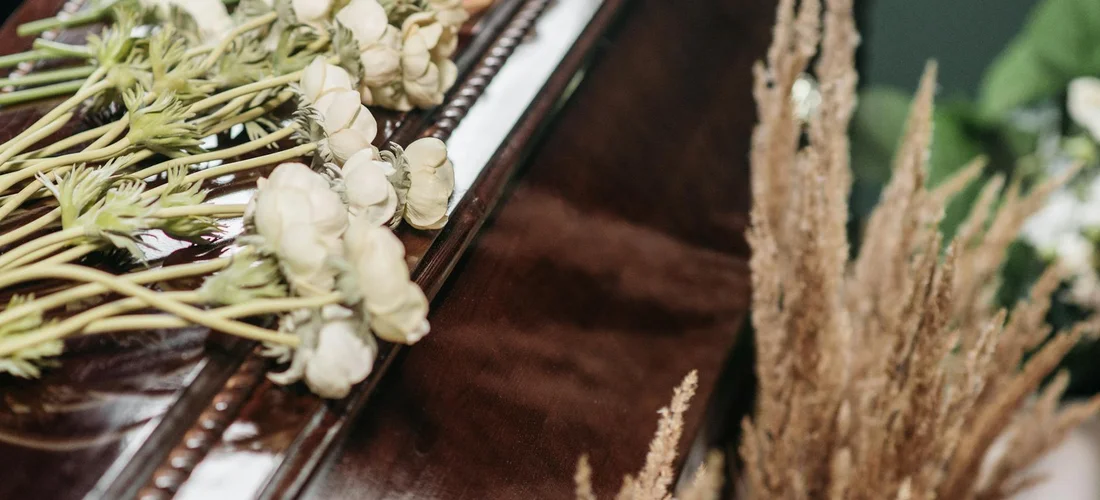
Think of this as a gentle map. Its purpose is to help you navigate with calmness and show your respect. Knowing what to expect can quiet the nerves and allow you to focus on offering support.
What should I wear to a Muslim funeral service?
Modesty is the guiding principle for everyone. Clothing should be conservative and cover the body.
For women, this means loose-fitting clothes that cover your arms to the wrists and legs to the ankles. A headscarf is not always required, but wearing one is a widely recognized sign of respect.
For men, long trousers and a shirt with sleeves are appropriate. Avoid wearing shorts or casual t-shirts.
Choose subdued, respectful colors like white, black, grey, or navy blue, avoiding anything bright or flashy.
What are the appropriate condolences to offer a Muslim family?
Your presence itself is a powerful comfort. When you speak, sincerity matters more than anything else.
You may hear or choose to offer the traditional Arabic phrase: “Inna lillahi wa inna ilayhi raji’un.” It means, “To God we belong and to Him we return.”
Simple, heartfelt words in English are always welcome, such as “I am so sorry for your loss,” or “May God give you and your family patience.”
I advise keeping your condolences brief. This is not the moment for a long discussion about life and death. A soft touch on the shoulder, a look in the eye, and a few kind words hold immense meaning. Choosing the right condolence phrases matters, and funeral condolence phrases etiquette can guide your words with respect. A brief, sincere message is often the most comforting.
Are there specific gender roles or seating arrangements?
It is common for men and women to be separated during the funeral prayers, and they may sit apart. Do not let this alarm you.
The simplest approach is to pause and observe when you enter the space. Follow the lead of the family or the venue staff directing people.
At the graveside, you might see women standing a bit farther back than the men, though this custom varies between families and cultural communities. When in doubt, watch and follow.
What should I do or avoid doing during the funeral service?
Your role is to be a quiet, supportive witness. The atmosphere will be one of solemn reflection.
You will be invited to stand for the Janazah prayer. Even if you remain silent, standing with the congregation is a gesture of solidarity. Follow the physical movements of others, like raising your hands, only if you feel comfortable.
Please avoid loud talking, using your phone, or taking photographs. Also, be mindful of physical contact; a handshake or nod is fine, but extended hugs or touch with the opposite gender may be less common.
The key is quiet, respectful observation. Your calm presence speaks volumes.
A Note on Interfaith Presence and Respect
Grief and the desire to offer comfort are human experiences that cross all boundaries of faith. Your wish to be there for someone comes from a place of shared humanity.
Is it acceptable for non-Muslims to attend a Muslim funeral?
Yes, absolutely. Non-Muslim friends, colleagues, and neighbors are generally welcome to attend to offer their condolences and support.
Your presence as a supportive observer is valued, even if you do not participate in the specific religious prayers.
Think of it as joining a family in their moment of sorrow. You are there to mourn with them, not to practice their faith. This intention is universally understood and appreciated.
Can a Christian attend a Muslim funeral? Can a Muslim attend a Christian funeral?
Yes, in both cases. Interfaith attendance is a profound act of human respect. The same principles guide you: modesty, solemnity, and compassionate observation.
A Christian attending a Muslim funeral would follow the etiquette outlined here. Similarly, a Muslim attending a Christian funeral in a church would focus on being a respectful witness to the service.
The flow of respect moves in all directions-a Jew attending a Christian funeral, a Hindu attending a Buddhist service-it is all grounded in the shared silence of loss.
You go not to preach or proselytize, but to simply be there. In my experience, families remember who showed up, not what doctrine they followed.
Practical Support: Visiting, Gifts, and Meals
After the burial, your quiet support means a great deal. Your presence is a comfort, even when words fail.
What is the etiquette for visiting the family after the funeral?
Wait a day or two before visiting, unless the family invites you sooner. They need time for their initial, private grief.
When you do visit, keep it brief. A short visit of thirty minutes is often perfect. Your role is to listen, not to fill the silence with conversation.
Families often receive visitors at home for three days after the burial, a period known as ‘aza. You are welcome to come during this time to offer your condolences in person.
Is it appropriate to send flowers or gifts to the family?
In most Muslim traditions, sending flowers is not common. In some cases, families may find them distracting from the solemnity of mourning. Similarly, in Jewish and Muslim funeral etiquette, simplicity is often valued, with no flowers or donations to charity sometimes preferred in Jewish traditions. In Muslim communities too, practices vary, but many families favor quiet prayers and condolences over floral displays.
Consider a more meaningful alternative. A donation to a charity in the name of the deceased is a beautiful tribute. You can also bring practical gifts, like prepared meals or groceries.
The most valued gift is often a simple, heartfelt card expressing your sympathy. If you know the family’s specific cultural background, following their known preference is always the safest choice.
Are there any dietary considerations if food is served?
If the family provides food, it will almost certainly be Halal. This means it is prepared according to Islamic law.
If you wish to bring a dish, choose something simple. A vegetarian option easily avoids concerns about pork or how meat was slaughtered. Ensure no alcohol was used in cooking.
Accepting their hospitality, a cup of tea or a shared meal, is a gentle way to honor their customs and show solidarity. It is an act of connection, not just consumption.
When to Call a Funeral Director
The Muslim community provides profound care for the body of the deceased. A licensed funeral director provides essential care for the legal and logistical details.
Their expertise is vital for specific tasks. You should call a funeral director to transport the deceased from the place of death, obtain the official death certificate, and secure all necessary burial permits.
A good funeral director works as your partner, ensuring every legal requirement is met while fully respecting the religious customs you hold sacred. They coordinate with the cemetery and handle the complexities so the family can focus on prayer and remembrance.
Compassionate FAQ for Interfaith Guests
Is it acceptable for non-Muslims to attend a Muslim funeral?
Yes, your presence is generally welcome and seen as a supportive gesture. Attending as a respectful observer to offer condolences is deeply appreciated by grieving families.
What is the most important thing for me to do or avoid during the service?
Focus on being a calm, quiet witness by dressing modestly and avoiding phone use or photographs. Simply standing with others during the prayer is a meaningful gesture, even if you remain silent.
What is a thoughtful alternative to sending flowers?
In many traditions, a charitable donation made in the deceased’s name is a cherished tribute. Offering practical support, like a sincere card or a simple, home-cooked meal, is also a wonderful way to show you care.
Parting Reflections on Muslim Funeral Etiquette
The single most important thing to remember is to approach with quiet respect for Islamic traditions, prioritizing modesty and solemn participation. Your mindful presence, guided by humility, becomes a profound gesture of support for the grieving family.
In all your considerations for Funeral Care, choose paths that honor the deceased with dignity and, where possible, embrace eco-friendly options. Let your journey through Funeral Needs and Funeral Questions be met with continued learning and gentle, practical responsibility. Just be sure to select a funeral home that aligns with these values.
Emiliana Dieter
Emiliana is an author at The Valedictory. She is an experienced funeral care advisor and arranged and organized many funerals as part of her end of life consulting services. She has over 8+ years in the funeral industry managing her family funeral business and helping families cope with the loss of their loved ones. Her articles answer any and all questions you might have regarding funeral arrangements, costs, preparations, etc so you can make this a seamless experience.