
How Many Pallbearers Are Needed? A Gentle Guide to Their Roles and Etiquette
Planning a funeral brings many quiet questions, like how to choose the people who will carry the casket with care.
I will walk you through this tradition, offering clear and compassionate advice. We will discuss the usual number of pallbearers, their duties during the service, and the respectful etiquette that guides them.
Key Takeaways: A Compassionate Summary
Planning a funeral involves many small decisions that can feel overwhelming when you are grieving. Asking about pallbearers is a sign of your care, and it is okay to feel uncertain.
Remember these three simple facts for clarity and comfort. First, the typical number is six or eight people. Second, serving is a personal honor, not an obligation. Third, your funeral director is there to guide you through every step.
This role is ultimately an act of love. It is about providing a final, gentle escort for someone cherished.
How Many People Should Carry the Casket?
For safety and stability, six to eight pallbearers is the standard. This number allows the weight to be distributed evenly, providing a steady and dignified carry.
The right number depends on two main things: the total weight and the physical path. You must consider the casket material, the person’s size, and the journey from hearse to grave. A route with stairs, uneven grass, or a long walk often requires more hands.
A formal solid wood or metal casket is heavy, often needing eight bearers. A simpler pine box or an alternative container can be lighter, potentially needing only six. Your funeral director can give you the best estimate based on their specific equipment.
You should always have at least one or two alternate pallbearers in mind. This prepares you for last-minute illness or emotion that might prevent someone from serving. An alternate ensures the ceremony proceeds smoothly.
What If I Don’t Have Enough People?
This worry is very common. Please do not see it as a shortcoming. Families come in all sizes, and friends may live far away.
Most funeral homes can provide professional pallbearers. Sometimes this is included in their service fee; other times there is a small charge. These individuals perform their duty with great respect and precision. Their duties include transporting the casket with care and coordinating with the service to maintain flow and reverence. These roles are rooted in longstanding funeral traditions that honor the deceased and support the family.
Clergy, cemetery staff, or other close friends are also options. The central goal is dignified transport, not who provides the strength. I have seen many beautiful services where a mix of family and hired professionals worked together seamlessly, united in their purpose.
The Pallbearer’s Role: More Than Carrying
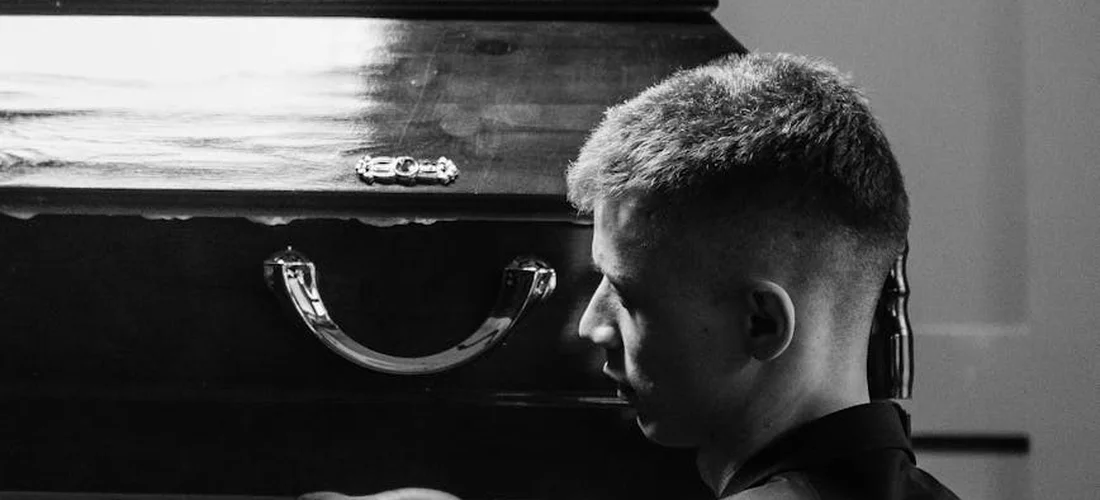
Your physical duty is clear. You lift, carry, and place the casket at specific points. This includes moving it from the funeral home to the hearse, into the ceremony, and finally to the gravesite.
You will feel the solid weight in your hands. Your steps must be slow and in sync with the other bearers. This coordinated effort ensures a smooth and dignified transition at each stage of the service.
But your role goes far beyond the physical act. You are sharing a weight the family feels deeply. By carrying the casket, you represent the entire community’s support.
You are offering a silent, powerful message that the family’s burden is not theirs alone to bear. It is a gesture of collective care and respect.
Here is a typical timeline for your duties. You will be called to carry the casket to the hearse as the service begins. You then carry it into the venue for the ceremony.
After the ceremony, you carry it back to the hearse. Your final duty is carrying it from the hearse to the graveside for committal. Between these carries, you are welcome to sit and participate as a mourner. The funeral director will guide you.
A Note on Etiquette and Tradition
Attire should be conservative and formal. Dark colors like black, navy, or gray are standard for suits or dresses. Always follow any specific request from the family.
Your demeanor matters as much as your attire. Be solemn, respectful, and attentive. Move with quiet discretion, following the funeral director’s lead.
Can women be pallbearers? Yes, without question. I have seen daughters, sisters, and friends serve with great honor. This practice is very common now, and it breaks down many funeral etiquette myths.
Choosing a pallbearer is about strength of character, not gender. Families today often select those closest to the heart of the departed.
You might hear old superstitions, like it being bad luck to carry a coffin. I understand these fears. In my experience, this act is one of deep respect.
Focus on the honor of providing this final service. It is a caring gesture, not a sign of anything else. Your presence is a comfort.
How to Choose and Ask Someone
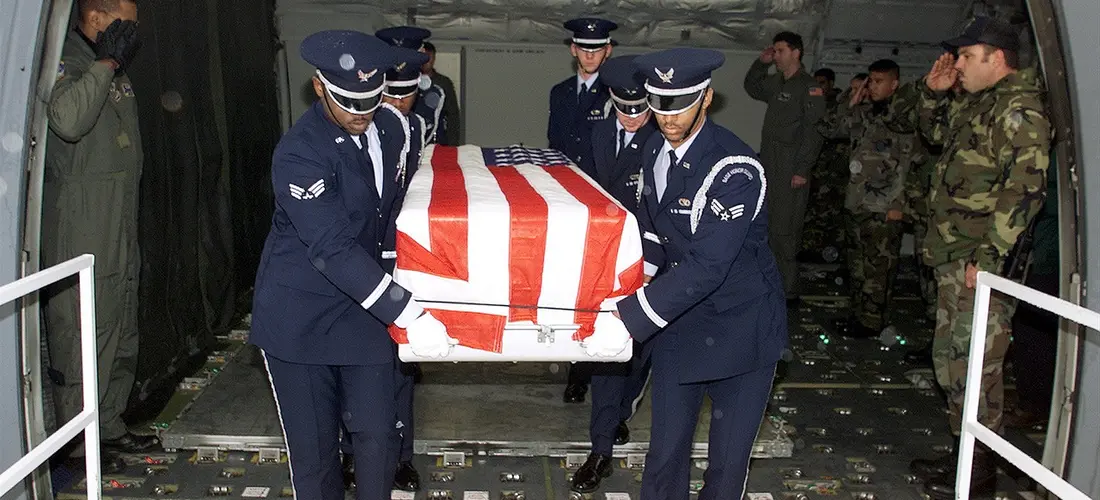
Choosing pallbearers is a personal act of honor. It asks someone to share a physical burden in a moment of emotional weight.
I often suggest looking to those who held a significant place in the life of the person who has died. Consider close family members, lifelong friends, trusted colleagues, or fellow members from a shared community or faith group. What matters most is the sincerity of the connection, not the title of the relationship.
When you ask, do so clearly and gently. A direct, in-person conversation or a phone call is best. Say something like, “We would be honored if you would help carry the casket.” Always give the person a gracious way to decline without guilt. The request alone is a tribute to their importance.
Make this request several days before the service. This allows the person to prepare mentally and arrange their schedule. It is a simple courtesy that reduces stress on everyone.
Pallbearers offer their strength as a final gift of love. They are not paid or tipped for this service; it is an act of respect. A family may later choose to give a small token of thanks, like a handwritten note or a shared meal. This is a kind gesture, but it is never an expectation.
Pallbearers for Cremation and Other Services
Are there pallbearers with cremation? Do you need pallbearers for cremation? The answer depends entirely on the type of service you hold, whether it’s a traditional cremation service or a direct cremation.
If you plan a viewing or a traditional funeral service with the casket present before the cremation, then pallbearers have a role. They carry the casket at that service, just as they would for a burial. The commitment is to the ceremony, not the final method of care.
For a memorial service held with only an urn, pallbearers are not needed. The physical task disappears. In these cases, a single person, often called an urn bearer, may be chosen to carry or place the urn with similar reverence.
Remember this above all. Having pallbearers is a choice, not a strict requirement. Some families find great comfort in this tradition of shared carrying. Others prefer a simpler, quieter approach. Both are correct. Your decision should reflect what feels dignified and true for you.
When to Call a Funeral Director: Professional Guidance
Your funeral director coordinates all the logistics, a task that requires both precision and compassion. They determine the exact number of bearers needed, considering the casket’s weight and the journey ahead, and they direct the procession with a calm, assured presence. Like any profession, their responsibilities come with occasional challenges that demand tact and resilience. Navigating these challenges while honoring the family’s needs is a core aspect of the role.
Think of them as the steady hand that guides every element into place, allowing you to be fully present in your grief.
This role extends from simple calculations to managing the flow of the entire service. I have always relied on their practiced eye to assess a route or quietly instruct a team, ensuring dignity is maintained every step of the way.
These professionals handle the safety and legal aspects of transporting the deceased. They know the regulations and procedures for moving a casket, whether it is across a chapel or to a distant gravesite.
Their knowledge provides a vital safeguard during a vulnerable time, protecting everyone involved.
This is not merely about physical weight, but about the weight of responsibility. They ensure every action is respectful and complies with all necessary requirements, so you do not have to bear that burden.
Lean on your funeral director for questions about cemetery rules, awkward doorways, or uneven paths. They have navigated countless spaces and can anticipate challenges you might not see.
They are your best resource for turning potential obstacles into moments of graceful transition.
If other mourners express a heartfelt wish to help carry, your director can advise on how to honor that request safely. I have seen them gently integrate extra hands, balancing personal sentiment with practical need.
Trust their judgment for these delicate matters. Their experience allows them to handle both the physical layout and the emotional landscape of the day with quiet competence.
Frequently Asked Questions
What is the significance of being asked to be a pallbearer?
It is a profound honor, signifying you held a special place in the life of the departed or their family. The role is a quiet, physical expression of love and final respect.
How can I best support the family in this role?
Beyond the physical carry, your steady and attentive presence provides immense comfort. By sharing this duty, you visibly represent the community’s support, helping to bear a symbolic weight for the grieving family.
What if I feel too emotional or physically unsure on the day?
It is perfectly okay to feel this way; your safety and comfort are important. Simply inform the funeral director discreetly – they are prepared to guide an alternate or assist so the ceremony proceeds with dignity.
Parting Reflections on Pallbearer Roles and Etiquette
The most important guidance is to secure enough willing helpers—usually six—to carry the casket with steady, shared respect. This careful coordination turns a physical duty into a final, dignified tribute.
In all your decisions about Funeral Care, selecting dignified and eco-friendly practices honors both the person and the planet. A green, eco-friendly funeral can align compassion with sustainability. May your path through Funeral Needs be gentle, and may you always feel supported in exploring Funeral Questions.
Emiliana Dieter
Emiliana is an author at The Valedictory. She is an experienced funeral care advisor and arranged and organized many funerals as part of her end of life consulting services. She has over 8+ years in the funeral industry managing her family funeral business and helping families cope with the loss of their loved ones. Her articles answer any and all questions you might have regarding funeral arrangements, costs, preparations, etc so you can make this a seamless experience.