
Creating Personalized Funeral Memorial Cards and Booklets: A Gentle, Step-by-Step Guide
Planning a funeral service brings many details to mind, and the thought of creating memorial cards or booklets can feel like one more heavy task. I want you to know this process can be a quiet, comforting act of love, a chance to hold a life gently in your hands.
This article will walk beside you through the entire journey. We will cover gathering photos and stories, designing with intention, choosing papers and inks, and arranging for respectful printing.
Key Takeaways: Finding Comfort in the Details
In the midst of loss, planning details like memorial cards can feel overwhelming.
Please know that this is not just paperwork. I have seen families find solace in this act, a heartfelt way to celebrate a unique life.
Focusing on these tributes can bring a sense of purpose and closeness to your loved one.
The creation follows a natural, gentle path.
- Gather photos, favorite quotes, and important dates from shared memories.
- Design the layout, choosing images and words that feel true to the person.
- Print the final pieces, often with support from a funeral home or a trusted printer.
You do not have to navigate this alone. Help is readily available when you need it.
These small keepsakes often become cherished tokens for guests, offering quiet comfort long after the service ends.
Understanding Your Options: Cards, Booklets, and Their Purpose
Let me gently explain the two main forms these tributes take. A memorial card is a personal keepsake for guests to hold onto. A funeral booklet, often called a program, serves as a guide through the service order. Alongside these keepsakes, gathering the necessary funeral planning essential items and documents helps guide arrangements. Having these ready can help ensure the service runs smoothly and honors the loved one’s wishes.
The key difference lies in their use: one is a memento, the other a roadmap for the ceremony.
You might choose a simple card for an intimate gathering or when a modest token feels right. A multi-page booklet suits a longer service where you wish to share more stories, photos, and the flow of events.
This choice hinges on the service type and what brings your family the most peace. It is a personal decision, not a rule.
To answer common questions, a memorial card is typically a small, folded card with a photo. The funeral program includes that and outlines the service sequence. Photos on memorial cards come in various sizes.
Both are deeply personal tributes, which is why people often refer to them simply as personalized funeral cards with a photo.
The Simple Memorial Card: A Pocket-Sized Tribute
Picture a card that fits comfortably in a palm or a wallet. These are usually single sheets, often folded, with a soft weight to the paper.
Its primary role is to be a tangible reminder. Guests can slip it into a pocket, a place where it can be touched and remembered in quiet moments.
Common features include a cherished photograph, the full name with dates of birth and passing, and a short verse that echoes the person’s spirit.
The simplicity is its strength. It captures a essence, a visual and textual sigh of a life.
The Funeral Booklet or Program: A Guide and a Story
A funeral booklet acts as a companion during the service. It lists the order of events, like hymns, readings, and speakers, so attendees can follow with ease.
This format allows room for a fuller portrait. You can include a brief biography, several photographs from different chapters of life, and the complete text of poems or prayers shared.
Think of it as weaving a more complete narrative, offering guests a way to connect deeply with the story being honored.
It transforms the program from a simple guide into a lasting record, one that friends and family may keep for years.
Gathering the Essential Information and Content

Before you open a design tool, take a quiet moment with a notebook. Gathering what you need first makes the entire process flow more gently. Think of it as collecting pieces of a story, one by one.
This is a task best shared. Ask a family member or close friend to sit with you. Two sets of eyes and hearts remember more, and the company can soften the weight of the work. You are not just making a card, you are shaping a final tribute.
Many people ask, “What do you put on a funeral card?” and “What do you write on a personalized funeral card?” The answers live in the details of the person’s life and the logistics of their service. We will walk through them together. We’ll also touch on funeral flower card messages—short notes that accompany the flowers. These ready-to-use examples can be adapted and linked in the next steps.
The Core Facts: Name, Dates, and Service Details
Start with the foundational facts. These are the practical anchors for everyone attending. Have this information written down clearly before anything else.
- The full, formal name of your loved one (including maiden name if customary).
- Their complete date of birth and date of passing.
- The full name of the funeral home, place of worship, or venue for the service.
- The service’s date, start time, and complete address.
- The name and address for the burial or interment, if it’s at a separate location.
- Details for a reception or gathering afterward, if one is planned.
Having these details accurate and in one place is the first, most concrete step in creating a helpful guide for mourners.
Choosing Words that Reflect a Life: Verses, Quotes, and Obituary
This is where a simple card becomes a personal memorial. The words you choose should feel like a true echo of the person being honored. It’s important to consider funeral condolence etiquette when crafting your message.
Look for text that resonated with them. This might be a verse from a holy book, a line from a favorite poem, or lyrics from a beloved song. A quote from a book they loved or a saying they often repeated can be perfect.
You may also include a short obituary or biography. This can be a few sentences summarizing their life, their passions, and the family they leave behind. Keep it concise for a card, but a little more expansive for a booklet—especially when you want to write a personal, modern obituary that truly reflects their unique spirit.
For a traditional tone, you might select a classic psalm. For a celebratory life, a joyful quote about nature or love. For a simple remembrance, just their name and dates can speak volumes.
Selecting the Right Photograph
A photograph transforms the memorial. It is the face friends will remember and the image family will cherish. Choose one that captures their spirit. In a funeral photo memorial display, the chosen portrait anchors the room and invites quiet reflection. It allows guests to pause, remember, and share a moment together.
Look for a photo where they look like themselves, perhaps smiling or at peace. A clear, recent picture is often best, but a cherished younger photo can also be beautiful if it feels right.
For printing, you need a high-resolution image. This means the photo file should be large and clear, not a small, blurry picture taken from a social media profile. A sharp photo will reproduce cleanly on the final card.
This choice is deeply personal, and for many, a memorial with a photo is the most meaningful keepsake of all.
A Practical Guide to Design and Creation
With your content gathered, you can now bring it all together. This stage is about arrangement and respect, creating something that feels both beautiful and sturdy in the hand.
Let me assure you, the answer to “Can you get personalized funeral cards made?” is a firm yes. And to “Can You Make Funeral Programs Online?” it is also yes. You have several clear paths, each with its own comfort level. Whether you choose to design and print funeral programs yourself or opt for a pre-made template, the result can be equally respectful and heartfelt.
Starting Points: Templates, Software, and Professional Help
You are not starting from a blank page unless you want to. Consider which approach suits your energy and needs during this difficult time.
- Online Templates: Many websites offer dedicated funeral program templates. You simply plug your text and photo into a pre-designed format. This is fast and removes design uncertainty.
- Simple Design Software: Programs like Canva or even Microsoft Word give you more control if you have a specific vision. This requires a bit more time and comfort with the tool.
- Professional Help: A local print shop or the funeral home itself can often handle the entire design and printing for you. You provide the content, and they handle the rest. This is the most hands-off option.
The right choice balances your desire for personalization with the very real emotional strain you are under. There is no wrong answer, only what works for you.
Personalizing Your Design with Care
Whether using a template or starting fresh, small choices shape the feel of the piece. Your goal is readability and a tone that honors a unique spirit.
Choose a clean, easy-to-read font. Soft, muted colors like creams, greys, or pale blues are traditional and gentle, but don’t be afraid of a brighter color if it reflects their personality.
A simple border or a subtle background texture can add dignity. For those of faith, you can easily incorporate a cross, Star of David, or other religious symbol. Many templates have these elements ready to use.
Every font, color, and symbol is a quiet note in the visual story you are telling about the person you love.
The Vital Step of Proofreading
When your design feels complete, step away from it for an hour if you can. Then, return and check every single detail with fresh, slow eyes.
Verify the spelling of every name. Double-check all dates, times, and addresses. Read the poem or quote aloud to catch any missed words. Grief can make our eyes skip over errors we would normally catch.
Then, ask someone else to proofread it. A friend or another family member will see it for the first time and can spot mistakes you have begun to overlook. This simple step prevents lasting regret over a small typo.
A second pair of eyes is not a critique of your care, but a final act of love and attention to detail.
Quick Snapshot: Printing, Materials, and Quantity
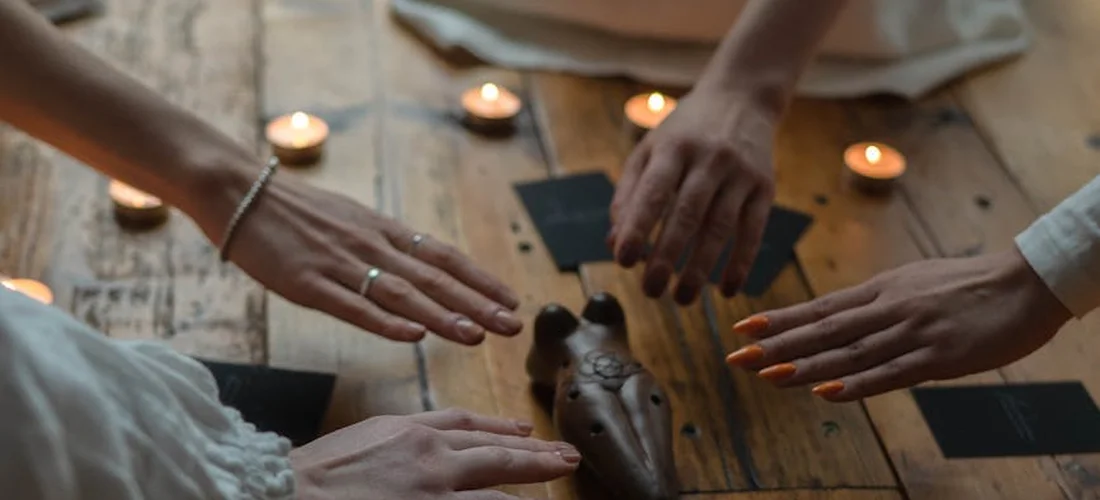
Choosing materials can feel overwhelming. This simple guide breaks down the key choices.
| Consideration | Common Options & Notes |
| Paper Quality | Standard, linen, pearl, or recycled stock. Thicker cardstock feels more substantial. |
| Finishing Touches | Lamination (for durability), glossy or matte coating, foil stamping, or die-cut edges. |
| How Many to Print | Estimate attendees + 15-25 extra for those unable to attend and future keepsakes. |
| Cost Factors | Quantity, paper type, color printing, special finishes, and whether you design it yourself. |
Understanding Lamination and Other Finishes
Lamination seals the card in a thin, clear plastic layer. This finish protects the card from moisture and wear, making it a durable keepsake meant to last for years in a wallet or memory box. It is a practical choice for a card you wish to endure.
Other finishes add a gentle highlight. A spot gloss can make a photograph shine softly. Foil stamping adds a warm metallic touch to a name or date. These are subtle ways to honor a life with a bit of extra care.
Determining How Many You Need
A simple count removes the guesswork. Take your best estimate of service attendees and add 15 to 25 more. These extras account for unexpected guests, friends who cannot travel, and for your own family to cherish in the future.
I always advise printing a few more rather than fewer. Running out on the day can cause distress. Having a small box of spares brings peace of mind. You can tuck them away for a birthday or anniversary when someone asks to remember.
Personal Perspective: The Quiet Weight of a Keepsake
I have seen a widow keep her husband’s memorial card in her kitchen drawer for a decade. The edges softened, the laminate worn smooth by her fingers. It was not forgotten there. It was placed where she would see it each morning, a quiet start to her day.
A daughter once showed me the booklet from her mother’s service. She had carried it across the country, its pages now filled with notes from her children, who never met their grandmother. The booklet had become a family archive, a bridge between generations.
In these moments, the work of choosing paper and verses reveals its true purpose. This process is not just another task in a difficult time it is a final, tangible act of caring. You are creating a physical object that will hold hands and stories long after the flowers have faded.
It is a small gesture of dignity. It says the life remembered mattered enough to be held onto, in a form that endures.
Honoring Specific Wishes and Traditions
Every life is unique, and so is every farewell. I have helped many families weave personal wishes and cultural traditions into their memorial cards.
This attention to detail brings a deep sense of respect and comfort. Let me share guidance for a few common, heartfelt situations.
Memorial Cards for Flowers or Donations
Small, discreet cards are often attached to floral arrangements sent to a service. They identify the sender and carry a brief message of sympathy.
These personalised funeral cards for flowers ensure a gracious acknowledgment without overwhelming the family during the service, unlike some funeral memorial cards that can be too elaborate.
For charitable donations made in memory, a separate acknowledgment card is common. It simply states that a gift has been made in the loved one’s name.
This practice, a personalised funeral card and flowers, honors the donor’s kindness while focusing on the tribute itself. It can also be complemented by memorial donations or sympathy flowers, extending the tribute in memory of a loved one. In the upcoming steps, these options will be provided as linked choices for easy access.
Creating a Tribute for a Young Person or Specific Relation
The loss of a child, nephew, or niece holds a particular heartbreak. The desire for a specially personalised funeral card for a nephew comes from a place of deep love.
I often suggest gentle imagery like a budding flower or a favorite animal. Keep the tone hopeful, focusing on the light they brought into the world.
For wording, a short line from a poem they loved or a simple, personal memory can be powerful. Avoid overly somber language; let the card reflect their spirit and the joy they inspired.
Including their nickname or a signature color makes the tribute feel intimately and truly theirs.
What Happens to These Keepsakes Afterward?
Families often ask me what to do with memorial cards after the service. These pieces of paper become sacred objects, handled with care.
I have seen them tucked into the family Bible, placed carefully in a photo album, or stored in a special memory box. Some are framed beside a portrait.
Yes, people still give out and deeply value these physical tokens. They serve as a quiet, lasting anchor for memory and love.
Years later, finding one in a book can bring back a face, a voice, a moment of shared peace. Their role endures long after the day of the service.
Frequently Asked Questions About Personalizing Memorial Tributes
How do I choose a photo that truly honors my loved one?
Select a photograph that captures their genuine spirit-a moment where their personality shines through, whether in a smile, a thoughtful gaze, or during a cherished activity. This image becomes the heart of the keepsake, offering comfort to those who hold it.
Can I include specific religious elements, like for a Catholic service?
Absolutely. It is appropriate and meaningful to include traditional Catholic prayers, such as the “Eternal Rest” prayer, or images of saints, crosses, or the Virgin Mary. For guidance on appropriate liturgy, consulting with your priest or the funeral home director can be very helpful.
How can I personalize a card without making it feel cluttered?
Focus on one or two deeply meaningful elements, such as a signature color, a single powerful quote, or a subtle pattern that reflects a hobby. A clean, spacious design ensures each personal touch is given the respectful attention it deserves.
Parting Reflections on Memorial Personalization
The single most important step is to let the unique story of the person you honor guide every choice, from photos to words. These personalized elements transform simple paper into a lasting comfort for everyone who grieves.
I encourage you to approach Funeral Care with dignity, considering gentle, eco-friendly options for memorials. Keep exploring Funeral Needs and Funeral Questions, as this ongoing learning is a practical way to uphold respect and love.
Further Reading & Sources
- Funeral Booklet | Funeral Booklet Templates – Elegant Memorials
- Large Funeral Booklets for Memorial Service & Celebration of Life | FuneralPrints.com
- Custom Funeral & Memorial Printing Solutions | FedEx Office
Emiliana Dieter
Emiliana is an author at The Valedictory. She is an experienced funeral care advisor and arranged and organized many funerals as part of her end of life consulting services. She has over 8+ years in the funeral industry managing her family funeral business and helping families cope with the loss of their loved ones. Her articles answer any and all questions you might have regarding funeral arrangements, costs, preparations, etc so you can make this a seamless experience.