
What to Wear to a Muslim Funeral: A Gentle Guide for Men, Women, and Guests
Knowing what to wear to a Muslim funeral can ease your mind during a sensitive time. Your clothing is a quiet way to honor the departed and support their family.
I will guide you through respectful attire choices for this occasion.
- The core principle of modesty in Islamic tradition
- Specific, simple guidelines for men
- Specific, simple guidelines for women
- Considerate tips for all attending guests
Key Takeaways for Attending a Muslim Funeral
The guidance for what to wear stems from three core principles: modesty, simplicity, and respect. Your clothing choices are a quiet, visible sign of your consideration for the family and their faith.
Focusing on these principles can ease your own worry about what is appropriate.
Essential Guidelines for All Guests
Keep these points in mind as you prepare.
- Choose loose, long clothing that covers your arms and legs. For everyone, this means trousers and shirts that go past the elbow. For women, a long skirt or dress below the knee is most suitable.
- Opt for subdued, dark colors. Black, navy, grey, and other dark earth tones are customary and show solemnity. Avoid bright colors, bold patterns, or anything that draws attention.
- Be prepared to remove your shoes. Funeral prayers are often held in a prayer hall or mosque where shoes are not worn. Wear clean, presentable socks and shoes you can slip off easily.
- Consider a head covering. Women are often expected to cover their hair with a simple scarf. Having one ready, even if you are unsure, is a thoughtful gesture. Men may also see others wearing a prayer cap (kufi).
When you dress with care, you honor the deceased and provide quiet support to the grieving family. If you are ever uncertain, choosing the more conservative and modest option is always the safest and most respectful path. For many services, you may encounter a formal casual funeral dress code that emphasizes respectful, understated attire. Being aware of this can guide your choice even when you’re unsure.
A Note on Etiquette and Social Protocol
Your attire is one part of showing respect. Your words and demeanor are the other. A Muslim funeral service, known as a Janazah, is a solemn occasion focused on prayer for the departed. Such moments invite quiet reflections on appropriate Muslim funeral etiquette. They remind us to honor the departed with humility and care.
Offer your condolences simply and sincerely. A soft-spoken “I am sorry for your loss” or “May God grant them peace” is perfect. Listen more than you speak when offering funeral condolences.
The service itself is typically quiet and reflective. You may see people standing in rows for prayer. If you are not Muslim, you may observe quietly from the back. Follow the lead of others around you regarding when to stand or sit.
A Personal Perspective: The Comfort of Respect
I remember my first time attending a Muslim funeral as a guest, not a professional. I felt a familiar anxiety about doing the wrong thing in a moment of such gravity, especially when it came to funeral etiquette.
Focusing on the simple act of choosing my clothing-finding a long, dark skirt, a plain blouse, a scarf-gave me a purposeful task. It was something concrete I could do right. That small preparation became a quiet anchor for my own nerves and a clear signal of my intent to the family.
When words feel terribly inadequate, which they often do, these tangible acts of respect speak volumes. They say, “I see you, I honor your loved one, and I am here with you in this.” It is a comfort to them, and it can be a small comfort to you, too.
How to Dress for a Muslim Funeral: Guidelines for Men
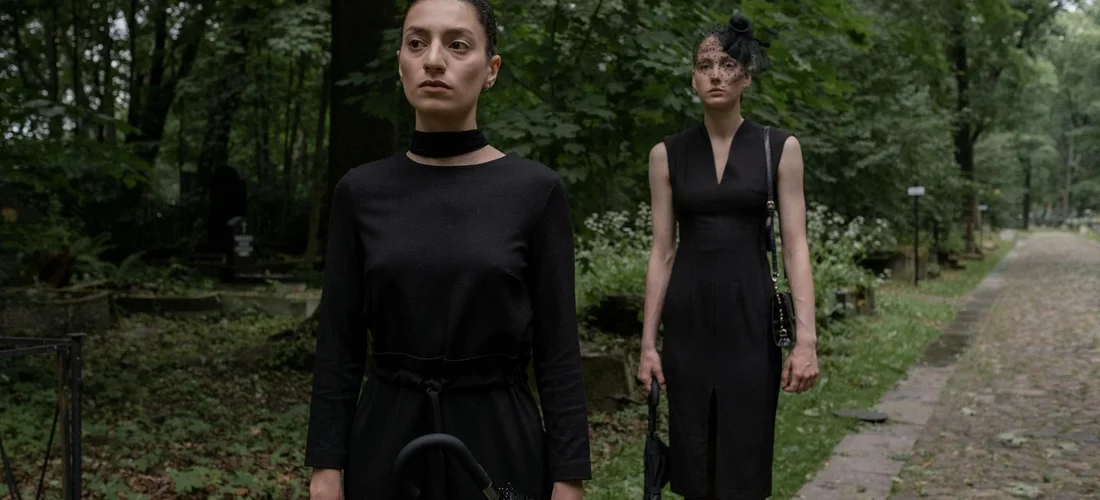
For men, dressing appropriately centers on modesty, simplicity, and respect. Your clothing should be clean, pressed, and cover the body adequately.
Long trousers and a long-sleeved shirt are the ideal, fail-safe choice for any guest. A traditional thobe, the long white robe worn by many Muslim men, is also perfectly appropriate if you own one and feel comfortable in it.
Choosing the Right Colors
Select dark, subdued colors. Think charcoal grey, navy blue, deep brown, or black.
Avoid bright whites, vibrant patterns, or flashy designs unless the family has specified a different dress code. This focus on muted tones is similar to Western funeral attire color traditions, where the aim is to not draw attention away from the solemnity of the occasion.
Head Covering for Men
While not always required for non-Muslim guests, wearing a head covering is a profound sign of respect. Many Muslim men wear a kufi, a small, rounded cap, during prayer and religious gatherings.
Bringing a simple, plain kufi or similar cap in a dark color is a thoughtful precaution. You can observe if other men are wearing them and follow their lead, or ask a family member for guidance upon arrival.
Footwear Considerations
You will almost certainly remove your shoes before entering the prayer area or family home. Keep this in mind when choosing your shoes.
Opt for clean, presentable shoes that are simple to slip on and off, like loafers or easy dress shoes. Ensure your socks are clean and without holes, as they will be visible.
How to Dress for a Muslim Funeral: Guidelines for Women
Modesty is the guiding principle for women’s attire. Your outfit should provide full coverage in a loose, non-revealing fit.
Choose a long skirt or dress that falls well below the knee, ideally to the ankles. Pair it with a top that has long sleeves and a high neckline. A long-sleeved, ankle-length dress is an excellent single option.
The Importance of a Head Covering (Hijab)
A hijab is a headscarf that covers the hair, neck, and often the shoulders. It is a core element of Islamic modesty for women in religious spaces.
Bring a large, rectangular scarf made of opaque fabric. Drape it over your head, ensuring all your hair is tucked away, and pin it securely under your chin or at the shoulder. The family will deeply appreciate this gesture of respect, even if the act feels unfamiliar to you.
Appropriate Colors and Fabrics
Follow the same color guidance as for men: dark, muted, or soft pastel shades are most suitable. Your focus should be on blending in, not standing out.
Choose fabrics that are opaque and not clingy, avoiding anything sheer, shiny, or overly decorative. Simple cotton, linen, or wool are safe and respectful choices that meet the requirements for modesty.
Women’s Footwear
As with men, you will be removing your shoes. Practicality and cleanliness are key here.
Flat, comfortable shoes that are easy to slip off at the entrance are the best choice. Since you will be in socks or stockings, make sure they are clean, plain, and presentable.
Practical Considerations for All Guests
You might be wondering what to wear as a guest at a Muslim funeral. The question of whether non-Muslims can attend also comes up often. I want to assure you that your presence is a meaningful gesture, and dressing appropriately is a clear way to show your respect. In interfaith settings, understanding Muslim funeral etiquette helps you participate respectfully. This awareness guides your actions and words.
Focus on modesty and simplicity. Your thoughtful attire supports the grieving family during a difficult time.
Specific Colors to Avoid
Choose colors that reflect solemnity. Vibrant or celebratory hues can feel disruptive in a space of mourning.
It is best to avoid bright reds, oranges, and any neon shades. Flashy prints and glittery patterns should also be left at home.
White clothing can have specific cultural meanings, sometimes associated with other rites. Sticking to subdued tones like black, gray, navy, or dark brown is the safest and most respectful choice.
The Rule of Modesty: A Summary
Modesty here means clothing that covers the body from the wrists to the ankles. Think of it as dressing for a solemn formal occasion, where reverence is the priority.
Your outfit should not be tight-fitting. Loose, comfortable garments allow you to focus on the service without drawing attention.
The aim is to blend in with respect, not to stand out with fashion. This simple guideline honors the family’s traditions and the gravity of the day.
Should Shoes Be Removed?
Yes, it is common practice to remove shoes before entering a prayer area or a family home for the funeral. This act maintains cleanliness and shows respect for the space.
When you arrive, look for a row of shoes by the entrance. Follow this silent cue. A little preparation helps wear slip-on shoes and ensure your socks are clean and presentable.
This small, considerate action is always noticed and appreciated by the family.
A Note for Non-Muslim Guests
Please know that non-Muslims are almost always welcome to attend and pay their respects. Your support matters more than any difference in faith.
The family’s primary concern is your compassionate intent, not your personal beliefs. By making the effort to follow these guidelines, you offer a profound form of respect.
If you feel uncertain about anything, asking the funeral director or a family member for guidance is perfectly acceptable. In my experience, families are grateful for your desire to get it right.
Respecting Tradition: A Brief FAQ
Is a head covering required for non-Muslim women attending?
Yes, wearing a headscarf (hijab) is a strongly expected sign of respect within the prayer space. Bringing a simple, opaque scarf to cover your hair is a thoughtful and appropriate gesture.
Why are dark, subdued colors the standard choice?
Subdued colors like black, grey, or navy reflect the solemnity of the occasion and align with Islamic funeral customs. They help attendees blend in respectfully, avoiding bright colors that may be seen as celebratory or distracting.
What is the most important principle to remember when choosing an outfit?
The paramount principle is modesty, which means choosing loose, non-revealing clothing that covers the body from wrists to ankles. When in doubt, opting for the more conservative choice is always the safest way to show your respect.
Parting Reflections on Funeral Attire
The most vital guidance is to dress with modesty and respect, choosing loose, covering garments in subdued colors. This quiet act honors the deceased and shows deep consideration for the mourning family. It’s essential to choose appropriate funeral attire to ensure your outfit aligns with traditional expectations.
In your own planning for Funeral Care, consider dignified, eco-friendly choices that align with compassionate practice. I encourage you to keep learning about Funeral Needs and Funeral Questions, as this knowledge helps us all support one another with grace.
Emiliana Dieter
Emiliana is an author at The Valedictory. She is an experienced funeral care advisor and arranged and organized many funerals as part of her end of life consulting services. She has over 8+ years in the funeral industry managing her family funeral business and helping families cope with the loss of their loved ones. Her articles answer any and all questions you might have regarding funeral arrangements, costs, preparations, etc so you can make this a seamless experience.