
What Are Jehovah’s Witnesses’ Beliefs on Cremation? Is It Allowed or Forbidden?
Planning a funeral for a loved one who was a Jehovah’s Witness can bring up specific questions, especially about cremation. I want to offer you clear, respectful guidance during this sensitive time.
We will explore this topic with care, focusing on: the scriptural principles that shape their view, the organizational stance on cremation as a practice, and compassionate considerations for funeral arrangements.
Key Takeaways for a Respectful Decision
If you are planning a funeral for a loved one who was a Jehovah’s Witness, please understand this clearly. Cremation is a permitted, personal decision within their faith. There is no religious law forbidding cremation, leaving the choice to individual conscience and practical considerations. I have guided many families through this, and the freedom to choose can bring relief.
Burial is the traditional and more common practice among Jehovah’s Witnesses. This preference is drawn from Scriptural examples, such as the burials of Abraham, Isaac, and Jesus Christ. These narratives are seen as modeling a natural, respectful return to the earth. These considerations naturally lead to the broader topic of burial methods, traditions, and types across cultures. Understanding these variations can illuminate how different communities honor the dead.
The most important point I can share is this. The hope of a future resurrection, a cornerstone of their belief, is in no way diminished by cremation. Their faith teaches that God’s power to restore life is absolute, regardless of the body’s final state. Across different religious perspectives on cremation, communities hold varying beliefs about rites and aftercare. These nuances can illuminate how faith shapes decisions surrounding death.
To any family feeling anxious about this decision, I offer my reassurance. Your sincere desire to honor your loved one is what holds meaning, not the specific method of care. Choose the option that brings your family comfort and allows for a dignified farewell.
Who Are Jehovah’s Witnesses? A Foundation of Faith
Jehovah’s Witnesses are a Christian denomination with deeply held, distinctive beliefs. Knowing their core views on life and death can help you approach funeral planning with sensitivity and respect. Funeral and memorial observances for Jehovah’s Witnesses follow Jehovah’s Witness funeral guidelines. Their practices are rooted in a specific understanding of the Bible.
They believe that humans are mortal souls; the spirit or life force ends at death. Death is viewed as a state of complete unconsciousness, with all hope fixed on a future resurrection by God’s power. This resurrection is to an earthly paradise under God’s Kingdom, not a universal heaven.
The name “Jehovah” is their personal designation for God, based on the Hebrew Scriptures. This focus on God’s name reflects their desire to worship him as revealed in the Bible. Their afterlife hope is concrete, centered on a restored earth free from suffering.
Their worldview begins with the creation account in Genesis. Life is received as a sacred gift from Jehovah, and the human body is treated with dignity as part of that creation. This foundational respect informs their general preference for burial, yet it does not mandate it. The gift, they believe, is in the giver’s promise to return it.
The Direct Answer: Can a Jehovah’s Witness Be Cremated?
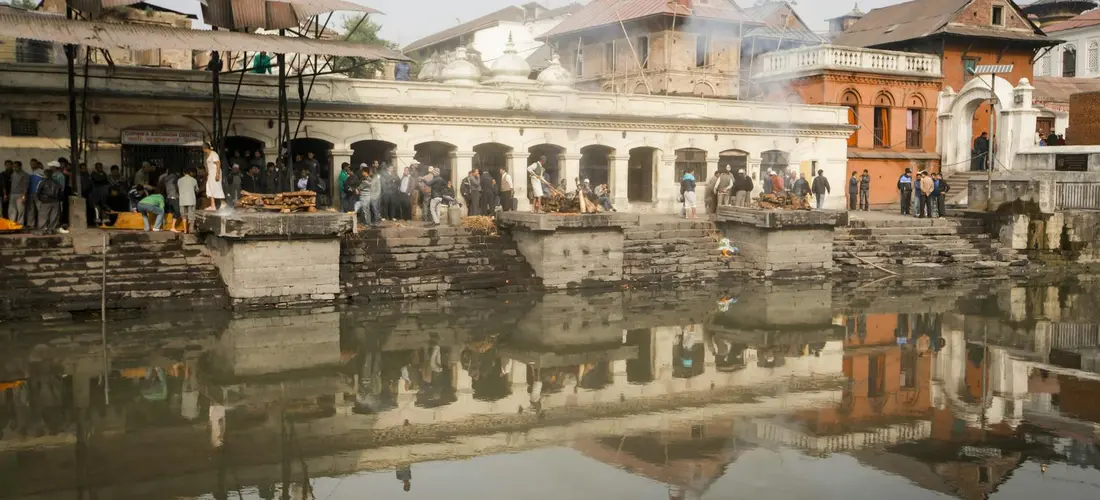
If you are asking this, you might be planning a funeral or supporting a grieving family. I want to reassure you directly. Cremation is not forbidden by Jehovah’s Witnesses’ teachings.
Search queries like “can Jehovah’s witnesses be cremated” seek a clear answer. The answer is yes, it is allowed. Jehovah’s Witnesses consider cremation a matter of personal conscience, a decision for the individual or their family.
In my work, I have sat with families relieved to know they have this choice. The official stance is that the Bible does not command a specific method. It leaves room for personal judgment.
You might find discussions in their organizational literature. These publications describe practices but do not issue a mandate. The focus remains on faith and resurrection, not the form of the body’s disposition.
Why Burial Is the Traditional and Preferred Practice
While cremation is permitted, burial holds a deep, traditional significance. This preference comes from a strong historical and Scriptural precedent.
Jehovah’s Witnesses look to the Bible for guidance. Key figures like Abraham, Isaac, and Jesus Christ were buried. These examples set a pattern that many followers find comforting and respectful.
The body is treated with dignity, even after death. Burial practices are often seen as a gentle way to care for the physical form. It mirrors a seed planted in the earth, a quiet return.
So, when people ask “are Jehovah Witnesses buried or cremated,” the common practice is burial. Often, this is done with a simple ceremony and no embalming. This tradition stems from Scriptural examples and a widespread desire to show honor in a tangible way.
I have witnessed how a graveside service provides a fixed place for memory. The sight of a resting place can offer solace in the long years of missing someone.
Quick Snapshot: Comparing Burial and Cremation for a Witness Service
For families making arrangements, understanding these practical differences can bring clarity. The table below outlines key considerations.
| Consideration | Traditional Burial | Cremation |
|---|---|---|
| Religious Stance | Strongly preferred, modeled in Scripture. | Permitted as a personal choice. |
| Typical Service Focus | Identical for both: a Bible-based talk comforting the living. | Identical for both: a Bible-based talk comforting the living. |
| Financial Implication | Often higher due to casket, plot, and vault costs. | Often lower, but urns and niche space are factors. |
| Timeline & Logistics | May allow for a brief viewing before service. | May involve a memorial service after cremation. |
This comparison shows the core beliefs remain constant. The financial and logistical paths simply differ. A burial and cremation comparison can help illuminate the practical differences families consider. The following discussion will present these options side by side. Your choice between burial and cremation is a personal one, guided by conscience, circumstance, and what feels most dignified for your family.
Planning a Jehovah’s Witness Funeral: What to Expect
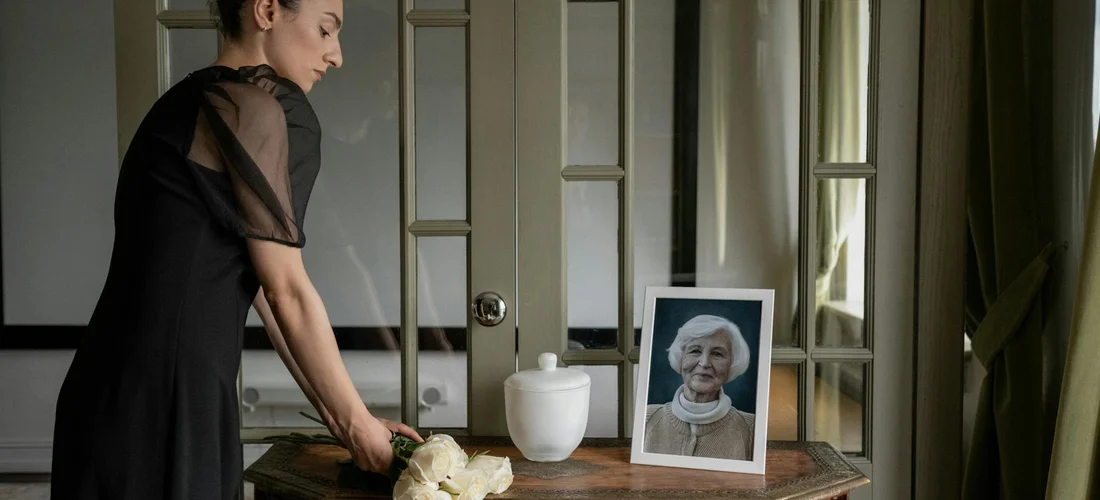
The service itself is a source of profound comfort. It is not a celebration of life in the traditional sense, nor is it a eulogy focusing on personal achievements.
The entire event is a Bible-based talk designed to soothe the hearts of those left behind with clear promises from Scripture. You will hear readings about the hope of resurrection and God’s desire to end death and sorrow.
A congregation elder or another qualified male speaker will deliver the talk. His role is that of a gentle teacher and comforter.
He will have known your loved one within the spiritual community. His words will reflect that shared faith, speaking of their dedication and the hope they held.
Services are typically held in one of three locations. The Kingdom Hall, their local place of worship, is common. A funeral home chapel is frequently used for the convenience of all attendees.
A brief graveside service may also follow if the family chooses. The setting is quiet and respectful, focusing everyone’s attention on the message.
You might hear a simple, respectful hymn played at the beginning or end. There will be a heartfelt prayer.
The overall tone is one of sincere hope and quiet reassurance. It acknowledges the sharp pain of loss while firmly pointing to a future free from it. The room often feels still, filled with shared grief and shared conviction.
Respectful Logistics for the Family to Consider
When a loved one who is a Jehovah’s Witness dies, knowing the first steps can provide a small anchor in a difficult time.
Your immediate contact should be the elders of the deceased’s local congregation.
These appointed men will offer spiritual support to the family and can help coordinate the practical aspects of a funeral that align with Witness beliefs.
They often serve as a liaison, ensuring the family’s wishes are understood and respected.
Finding a funeral director who is familiar with these customs is invaluable.
A good director will understand the need for a simple service and will not pressure the family into unnecessary upgrades or rituals.
Be clear about your needs from the start; a compassionate professional will honor the modesty and simplicity that is central to a Witness funeral.
This simplicity directly affects cost. Services are typically held in a Kingdom Hall or at the graveside, avoiding elaborate floral displays, ornate caskets, or professional eulogies.
The focus is on a Bible-based talk that offers comfort and hope, not on ceremony.
This modesty can make a Witness funeral more affordable than many traditional services, which is a practical consideration for the grieving family.
For the remains themselves, the method is neutral, but the intent matters.
If cremation is chosen, the ashes must be treated with dignity. Interment in a cemetery plot or niche is common and viewed as respectful.
- Scattering ashes is generally discouraged, as it can be seen as not showing proper care for what was once the person.
- Keeping an urn at home is a personal decision for the family; some find comfort in it, while others prefer a permanent resting place in a memorial garden.
The key principle is handling the ashes in a way that shows honor, not disregard.
Alternative Options and Final Arrangements
Some families explore natural or green burial, which emphasizes environmental simplicity.
For a Jehovah’s Witness, this can be acceptable if the method still treats the body with respect. The use of a biodegradable shroud or casket in a designated natural area aligns with the belief in returning to the earth.
It is the reverence for the body, not the specific technique of burial, that holds the most significance.
You may hear the term “celebration of life.” Such an event can be possible if its focus remains on the deceased’s faith and Bible-based hope.
It would avoid elements like lavish parties or secular tributes that shift focus away from Scriptural comfort.
A quiet gathering for remembrance and scriptural reflection can be a genuine comfort, blending respect for beliefs with care for the living.
One of the most caring acts a person can do is to plan ahead. A Jehovah’s Witness may leave clear, written instructions regarding their funeral arrangements.
This often includes their preference for burial or cremation, desired scriptures, and the name of their congregation elders.
These instructions are a final gift to the family, removing guesswork and conflict during a period of grief.
Throughout all these considerations, one principle stands above all others: compassion for the bereaved.
Congregations and elders are encouraged to be supportive, not dogmatic, in helping a family navigate their loss.
The funeral is for the living, to provide comfort and closure, and that need for human compassion is always understood.
Compassionate Answers for Funeral Planning
If burial is preferred, why is cremation allowed?
The preference for burial comes from Scriptural precedent, not a commandment. Since the Bible does not forbid cremation, it is left as a matter of personal conscience for individuals and families. Biblical views on cremation vs. burial vary among different Christian denominations, but the ultimate choice is often based on personal beliefs and traditions.
How are ashes treated if cremation is chosen?
The ashes should be treated with the same dignity as the body itself, such as through interment in a cemetery plot or niche. Scattering is generally discouraged as it may not reflect the desired care and respect.
How do Jehovah’s Witnesses’ creation beliefs relate to funeral practices?
Their belief in creation instills a deep respect for the body as a gift from God. This foundational dignity informs the overall approach to funeral care, whether through burial or permitted cremation.
Parting Reflections on Cremation and Faith
When considering cremation as a Jehovah’s Witness, your decision rests on personal conscience and biblical principles of respect. I encourage you to consult with your local elders for spiritual support, ensuring your choice brings peace.
As you navigate Funeral Care and Funeral Needs, explore dignified and eco-friendly options that honor your values. Remaining open to learning about Funeral Questions can provide comfort and clarity during this sensitive time.
Research and Related Sources
- How Jehovah’s Witnesses’ View Cremation
- Jehovah’s Witness and Cremation | Neptune Society
- Jehovah’s Witness Funeral Traditions, Customs, And Beliefs | Ever Loved
- Learn More About Jehovah’s Witness and Cremation.
- Jehovah’s Witnesses’ Funerals-What Are Their Views and Practices?
- • Sunshine Cremation Urns and Keepsakes
- What is the Jehovah’s Witnesses’ stance on cremation? Are there any biblical reasons why one should prefer burial over cremation, or vice versa? – Quora
- Religious View On Cremation: Jehovah’s Witness – Cremation Jewelry Blog
Emiliana Dieter
Emiliana is an author at The Valedictory. She is an experienced funeral care advisor and arranged and organized many funerals as part of her end of life consulting services. She has over 8+ years in the funeral industry managing her family funeral business and helping families cope with the loss of their loved ones. Her articles answer any and all questions you might have regarding funeral arrangements, costs, preparations, etc so you can make this a seamless experience.