
Should You Attend a Funeral? A Complete Guide to Deciding, Etiquette, and Practical Considerations
The question of whether to attend a funeral can leave you feeling adrift in a sea of doubt and solemnity. I have sat with many people who carry this same quiet weight.
This article provides a calm space to find your answer, covering how to weigh your relationship and personal feelings, the respectful etiquette expected at a service, and practical steps from dressing appropriately to offering condolences.
Key Takeaways: Finding Clarity in a Difficult Time
Feeling uncertain about attending a funeral is a common and valid part of grief. This decision sits at the crossroads of your heart, your health, and your circumstances.
- Your well-being matters. Grief is exhausting, and your capacity to be present-both physically and emotionally-is a real factor.
- Presence comes in many forms. Attending in person is one way to show care, but it is not the only way to offer meaningful support.
- Intent is more important than perfection. A simple, heartfelt gesture often carries more weight than a perfect performance of mourning.
- The family’s stated wishes are your primary guide. Their need for privacy or community should direct your actions.
This choice is a personal balance of respect for the deceased, care for the living, and honesty about your own capacity. There is rarely one right answer, only the most thoughtful one for you.
Assessing Your Connection: The Deceased, The Family, and You
Begin by quietly considering your relationships. Think of it as mapping the connections that shaped this loss.
Your bond with the person who died is a natural starting point. For a close friend or family member, the pull to be there is often powerful. For a colleague or distant relative, the answer may be less clear. Ask yourself what feels true: does attending honor a meaningful connection, or does it feel more like an obligation?
Next, consider your relationship with the grieving family. Your presence can be a silent testament to the love that surrounded their person. Would seeing you offer them a moment of comfort or recognition? Sometimes, showing up for the living is the most direct way to honor the dead.
Notice if you were specifically invited. An obituary that says “funeral service to be held at…” is typically a public announcement. A private family service, however, is usually communicated directly. When in doubt, a discreet inquiry to a close family friend can provide clarity.
The question of whether anyone can attend a funeral is ultimately answered by the bereaved family. Always defer to their communicated wishes, whether they seek an intimate gathering or a public celebration of life. Understanding proper funeral etiquette is crucial in these situations.
Understanding Cultural and Religious Expectations
Funeral practices are deeply woven into cultural and religious identity. Some traditions, like many Jewish and Muslim funerals, emphasize swift burial and have strong expectations for community participation to comfort the family. Across cultures, funeral ceremonies carry rites that mark loss and remembrance. They reflect diverse beliefs about life, death, and the afterlife.
If you are unsure of the expectations, a small amount of respectful research can help. You might look up general customs for that faith. When appropriate, you can also ask a family member or mutual friend a gentle, open question like, “I want to be respectful of your traditions. Is there anything I should know?”
While understanding custom is helpful, the family’s specific guidance overrides any general rule. They are the final authority on what feels right for their farewell. Following their lead is the purest form of respect.
Considering Your Well-being: Emotional and Physical Capacity
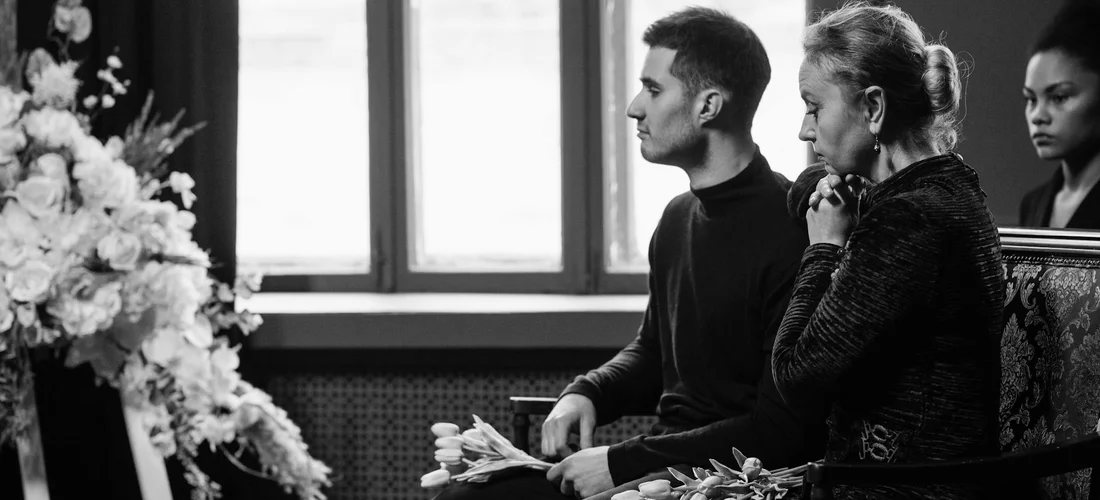
Before you decide, find a quiet space to listen to your own heart. Ask yourself how much sadness you can hold today, and be gentle with the answer. Honest self-reflection is not selfish; it is a necessary step in caring for yourself while honoring the deceased.
Funerals bring grief into the open air, which can feel sharp and overwhelming. They also gather people who can share the weight of loss, offering silent comfort. Funerals are not inherently bad for mental health; they are a complex ritual that can be both a wound and a balm. I have seen them grant clarity to some and renew pain for others.
Physical health provides a clear boundary. Attending while ill risks passing contagion to mourners whose resilience is already low. Persistent conditions like severe fatigue or pain are equally valid reasons. Your own body’s limits are a legitimate and respectful grounds for staying home. Kind people will not question this.
The question of a therapist attending a client’s funeral sits in a delicate ethical space. Your professional duty is to maintain a safe, consistent boundary for the living. In most cases, a therapist should not attend a client’s funeral unless the family extends a direct, personal invitation. If you do go, you must be there only as a quiet attendee, not in your professional role.
Navigating Practical Realities: Distance, Cost, and Safety
Your desire to be present can feel at odds with the real world. I have seen the genuine stress this causes.
If travel costs, securing time off, or a long journey give you pause, know this is a valid consideration. Your absence does not measure your love.
Grief is demanding enough without the added pressure of financial strain or exhausting travel. Choosing to honor someone in a more personal, local way can be a responsible and equally meaningful act.
Addressing Safety: Physical and Emotional Wellbeing
You may wonder, are funerals safe to attend? This question has layers.
In times of public health concern, safety refers to physical health. Many families now offer live-streamed services or request specific precautions, like masks.
Follow the guidelines set by the family or funeral home; they are designed to protect everyone present.
Safety can also mean emotional security. If attending would place you in a situation of serious family conflict or trauma, your wellbeing matters.
Your private remembrance from a distance is not a failure. It is an act of self-preservation, and that is okay.
Understanding Venue Limits and Attendance
People often ask, can anyone attend a funeral at a crematorium? The short answer is usually yes, but with a practical note.
Crematorium chapels vary greatly in size. A small, intimate service may have limited space dictated by the family’s wishes or the venue’s capacity.
Always check the service details or contact the funeral director if you are unsure. This simple step shows respect for the family’s plans and saves you from potential discomfort on the day; especially when you’re sure you’ve covered all your bases with the necessary details.
If space is limited, know that your supportive thoughts are not confined by any walls.
Weighing the Decision: Support, Burden, and Alternatives

Ask yourself this quiet question: would your presence be a genuine support or a potential burden? Your answer needs to honor both the family’s grief and your own emotional truth. I have stood in many rooms where a familiar face in the crowd brought a moment of soft comfort. I have also known people who came from duty, their own heartache making it hard to breathe, let alone console.
Think about your own strength. Travel, cost, or old wounds can make attendance a heavy lift. It is okay to recognize when going might drain you more than it uplifts others. Your well-being matters, too.
Virtual attendance is a valid and practical alternative. Many services now offer live streaming, a gentle way to be there from a distance. You can listen to the eulogy, see the flowers, and share in the silence. It removes the hurdle of travel while still connecting you to the ritual.
If you cannot attend, your respect can still be felt. Here are a few meaningful ways to pay your respects.
- Send a personal, handwritten note. Share a specific memory or simply say you are holding them in your thoughts. A letter is a physical token of care that can be revisited in quiet moments.
- Make a donation in their memory. Choose a charity or cause that reflected their passions. This act continues a thread of their life’s meaning.
- Visit a place that was special to them. Spend time there alone, reflecting on their life. This private memorial can be a powerful, personal goodbye.
You might find yourself searching phrases like “am I a bad person for not going to a funeral.” That guilt is a common shadow, but it does not define your character or your care. Your relationship with the person who died is not erased by one day. I have learned that grief asks for honesty, not performance. Choose the path that allows you to honor them with a full heart.
Note on Etiquette: How to Be Present with Grace
Arriving at a funeral, you might worry about doing the wrong thing. My years in funeral care have taught me a simple truth. Your quiet, respectful presence is the greatest gift you can offer, especially when you’re aware of funeral etiquette and expectations.
Choosing Your Attire
Think of your clothing as a visual whisper of respect. You do not need a new black suit or dress. Dark, subdued colors work well, like navy, grey, or dark green.
Choose clothes that are modest, clean, and comfortable enough to sit or stand in for an hour. The focus should remain on the person being honored and the family grieving them.
Words for the Family
When you approach the family, your words need not be perfect. They only need to be true. A short, sincere statement from the heart is more than enough.
- “I am so sorry for your loss.”
- “[Name] was a wonderful person. I will miss them.”
- “My thoughts are with you all.”
If you cannot find any words, a warm handshake, a gentle touch on the arm, or simply making eye contact and offering a slow nod can communicate everything. A heartfelt “I’m so sorry” holds immense power in its simplicity.
During the Ceremony
Enter the space quietly, as you might enter a library or a place of worship. Find a seat toward the middle or back if you are not immediate family. Follow the lead of the officiant or family for standing, sitting, or singing.
Your role here is to be a witness. Participate by being fully present; listen to the readings, reflect during the music, and hold space for the collective sorrow and remembrance. Silencing your phone is a small act that speaks volumes about your respect for this moment.
The Power of Listening
After the service, you may hear stories. You may see tears. The most supportive thing you can do is listen without judgment or the urge to fix the unfixable.
Grief needs room to breathe. Offering a patient, open ear is often far more comforting than any advice you could give. Nod. Say, “I can hear how much you loved them.” In the heavy quiet of loss, listening is a profound form of love.
If You Cannot Attend: Communicating with Care

Your presence is desired, but your peace is also important. There are many valid reasons for staying away, from distance and health to complicated grief. When you cannot go, how you communicate your absence matters deeply.
A gentle, honest message can bridge the physical distance. Your words should focus on the person who has died and the family’s loss, not just your own situation. When crafting such messages, it’s crucial to know some funeral condolence phrases and etiquette.
Words That Comfort When You Can’t Be There
When you write or call, keep it simple and heartfelt. You do not need a lengthy explanation. Here are a few ways to phrase it.
- “My heart is with you all today. I am so sorry I cannot be there in person to honor [Name’s] memory. Please know I am thinking of you.”
- “Please accept my deepest sympathy. While I am unable to attend the service, I will be holding you and your family in my thoughts on Friday.”
- “[Name] meant a great deal to me. I am so sorry for your loss and regret that I cannot be there with you today.”
A brief, sincere note that acknowledges the loss is always better than saying nothing at all.
The Importance of Timely Contact
Reach out as soon as you know you cannot attend. Contact the family directly if you can, or send a note to the funeral home to be passed along. Doing this before the service shows you have made a considered choice, not a forgotten one. After the service, a post-funeral gathering often follows, where observing post-funeral gathering etiquette—such as keeping conversations brief and offering to help where you can—is important.
It removes a small uncertainty for the family, who often wonder who will come. It allows them to feel your support, even from afar, during the difficult planning days.
Meaningful Gestures Beyond Attendance
Your care does not end with a note. A thoughtful gesture sent in your stead is a tangible sign of your sympathy.
Consider sending a donation to a cause the person cared about, or having a meal delivered to the family’s home in the following week. You could also plant a tree in their memory or send a classic, heartfelt sympathy card.
These acts of kindness often arrive when the initial flood of support has faded, making them profoundly meaningful.
If You Feel Regret Later
You may later question your decision, especially if you hear about the service from others. A feeling of regret does not mean you chose wrong. It means you cared, and you wish the circumstances had been different.
Process this by writing a private letter to the person who died, sharing the memories you hold. You can also visit their resting place at a later date, or simply share a story about them with a mutual friend.
Allow yourself the grace you would offer another. Grief has no single correct path, and honoring someone’s memory continues long after the funeral is over. In the context of a funeral service, managing grief is part of honoring a life well lived. Small, mindful rituals and support can ease the path forward.
Support and Reflection: Honoring Your Journey
The choice you made was a difficult one. I want you to know that simply wrestling with this question is an act of care. You considered your feelings, your relationship, and the needs of others.
You honored the person and the moment by giving it your genuine thought. That quiet respect matters.
Creating a Private Moment
If you did not attend the service, you can still create a personal ritual. This helps provide a sense of closure and a dedicated time for your grief. You could also attend a service to help process your feelings and aid in healing.
Your private memorial is just as valid as a public service. It can be tailored to what feels meaningful to you.
- Visit a place that was special to you both.
- Write a letter to the person, saying the things you wish you could.
- Light a candle and spend some quiet time in reflection.
- Listen to a piece of music they loved or look through old photographs.
- Plant a flower or a tree in their memory.
These small, intentional acts can carve out a space for your sorrow and your memories to coexist.
When Feelings Run Deep
Grief is not linear. Some days the weight of it can feel overwhelming, whether you attended the funeral or not.
This is a normal part of losing someone, but you do not have to carry it alone. Seeking help is a sign of strength, not weakness.
Speaking with a grief counselor or joining a support group can provide a safe harbor. It is a room where you do not have to explain your pain. Others there understand the landscape of loss, and a counselor can offer you tools to navigate it.
You might find these resources through a local hospice, community center, or your place of worship.
A Final Word of Compassion
There is no perfect way to say goodbye. Your path through this loss is yours alone, shaped by a relationship that was unique in all the world.
Trust that you made the decision you could live with at the time. Hold that with kindness. Your journey of remembrance continues in its own time and in its own way.
Frequently Asked Questions
What if I feel I ‘should’ go, but I’m emotionally overwhelmed?
Your well-being is a legitimate factor in this decision. A heartfelt condolence note or donation made in memory can be a profoundly respectful alternative when attending feels beyond your capacity.
Is it appropriate to attend if I wasn’t close to the deceased but want to support a grieving friend?
Yes, your presence can be a great comfort to your friend, silently affirming their loss is shared. Simply attend quietly, offer a sincere condolence, and let your friend guide the interaction.
What are the potential consequences of not attending?
Any potential misunderstanding is almost always resolved by clear, compassionate communication. Reach out to the family directly with your condolences and reason for not attending to maintain mutual respect and understanding.
Parting Reflections on Funeral Attendance
When facing this decision, trust your inner voice and consider the comfort of the bereaved above all. Your choice, made with sincere intention, becomes a respectful part of the mourning process.
Moving forward, approach Funeral Care with a commitment to dignity and sustainability for all Funeral Needs. Let your ongoing attention to Funeral Questions guide you toward supportive and informed choices.
Emiliana Dieter
Emiliana is an author at The Valedictory. She is an experienced funeral care advisor and arranged and organized many funerals as part of her end of life consulting services. She has over 8+ years in the funeral industry managing her family funeral business and helping families cope with the loss of their loved ones. Her articles answer any and all questions you might have regarding funeral arrangements, costs, preparations, etc so you can make this a seamless experience.