
Thoughtful Funeral Gift Ideas and Condolence Etiquette: A Compassionate Guide
When someone you know is grieving, it can be hard to know what to do or say.
This article will help you navigate with care, covering appropriate funeral gift ideas, meaningful alternative gestures, and specific etiquette guidelines to provide real comfort.
Key Takeaways: Compassionate Support at a Glance
- Your presence and heartfelt intention often matter more than any physical gift. A shared memory or a quiet moment of understanding can hold more weight than an object.
- The most universally appreciated gifts are sincere condolences, practical help, and respectful attendance. A home-cooked meal or a simple “I am here for you” are profound offerings.
- Navigating this is about kindness, not perfection. Let this guide help you choose with confidence and a gentle heart.
Is It Appropriate to Give a Gift at a Funeral?
Many people ask, is it appropriate to give a gift at a funeral? I can tell you it is a common and welcomed gesture. A thoughtful gift becomes a physical anchor for care during a time when feelings are so immense.
Understanding the timing shows respect. Gifts are most often sent directly to the family’s home in the days before or after the service. This avoids adding any burden on the day of the funeral itself. Monetary gifts or contributions to help with funeral costs are a common way to support the family. Guidance on suggested amounts and how to give them will be included in the next steps.
A gift holds special meaning for close friends or when you cannot attend in person. It conveys your sympathy across any distance, making your support felt in a tangible way.
Understanding Social Expectations and Timing
No one expects a gift, but one is almost always appreciated. It is a quiet testament that someone’s loss is seen and honored.
The best time to send a gift is usually in the week following the death. This allows the initial flood of arrangements to settle, so your kindness arrives as a soft comfort.
When a Gift Feels Most Meaningful
Some situations make a gift resonate deeply. For a spouse who was a long-time caregiver, a gift acknowledges their exhausted love. For a family with small children, practical items like groceries are a gift of peace. In these cases, your gesture directly touches a point of quiet need.
Always consider the comfort of every mourner. This leads to questions like, should you take someone with alzheimer’s to a funeral? The answer depends entirely on their sense of familiarity and peace. If attendance might confuse or distress them, a gentle gift sent to their home can be a more compassionate choice. Following funeral etiquette behavior guidelines can provide practical, respectful direction. They help navigate attendance decisions, appropriate conduct, and thoughtful communication.
What to Give: Appropriate Funeral Gift Ideas
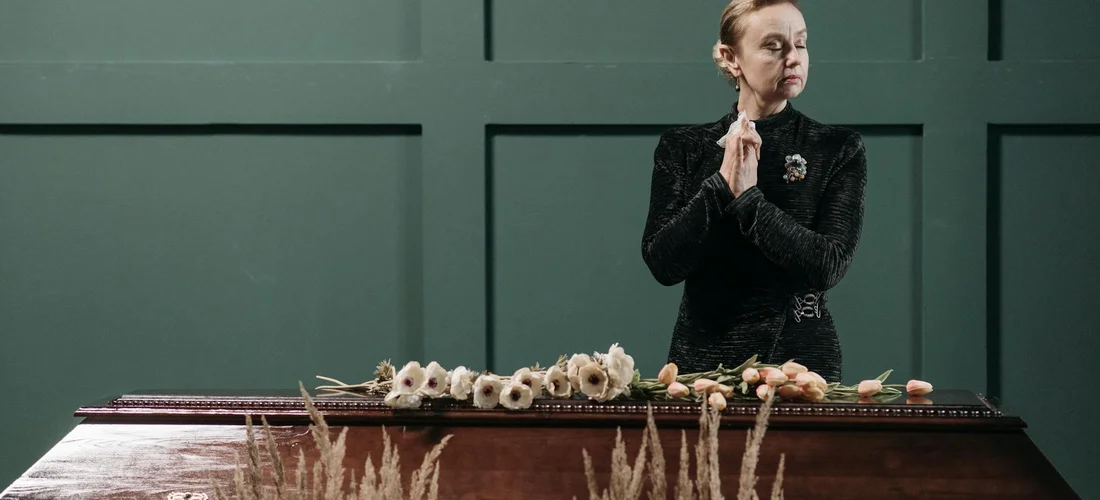
You want to offer comfort, but choosing a gift feels difficult. I often hear the question, “What are appropriate funeral gift ideas?” The best answer focuses on providing real comfort, practical aid, and a way to honor a memory. Your gesture, no matter its form, is a profound kindness. If you’re unsure about etiquette, a funeral gifts etiquette guide can offer gentle direction. It helps you choose items that bring comfort while respecting traditions and timing.
Think of your gift as a quiet act of support. It says, “I am here, and I see your pain.” The most meaningful gifts often help with the heavy, ordinary tasks that grief makes overwhelming.
Traditional Expressions of Sympathy
These gestures are timeless for a reason. They are recognized symbols of care and respect.
A handwritten sympathy card remains one of the most personal things you can give. Your own words of remembrance and comfort hold more value than any store-bought item. If you did not know the person well, a simple, sincere message acknowledging the loss is enough.
Flowers are a beautiful, traditional offering. They bring life and color to a solemn space. It is customary to send them to the funeral home for the service or directly to the family’s home afterward. A living plant, like a peace lily or an orchid, can be a lasting symbol of continued growth and memory.
People sometimes ask, “Is a fruit basket appropriate for a funeral?” It can be, particularly when sent to the family’s home in the days following the service. It offers a healthy, easy option for nourishment when cooking feels impossible.
The question of “what are the gifts at a Catholic funeral” often arises. In many Catholic traditions, monetary gifts, called “stipends,” are given to the church or priest in memory of the deceased. Mass cards, which signify that a Mass will be said for the person, are also a deeply meaningful spiritual gift. The custom of a “burial gift” varies widely; in some cultures, it might be coins placed in the casket, while in others, it could be personal mementos.
Gifts of Practical Support and Nourishment
In the first raw days, simple tasks become monumental. Gifts that ease daily burdens are often the most cherished.
Grief is physically draining. The thought of planning a meal can be too much. Your practical help provides essential energy and one less thing to worry about.
- Meal delivery service gift cards.
- Grocery store or restaurant certificates.
- A pre-made casserole or soup in a disposable dish.
- A cooler stocked with drinks, sandwiches, and fruit.
- Paper plates, napkins, and coffee supplies.
When you bring food, use a container you do not need back. Label it clearly if it contains common allergens. This kind of gift meets a fundamental need, allowing the bereaved to conserve their strength for grieving.
Personalized and Memorial Gifts
These gifts are for later, when the initial shock softens. They help celebrate a unique life and offer a tangible connection.
Think about what made the person special. Were they a gardener, a reader, a musician? A gift that reflects their spirit is a true tribute.
- A beautiful frame for a favorite photograph.
- A piece of memorial jewelry, like a necklace that holds a small amount of ashes.
- A donation to their favorite charity in their name.
- A custom quilt or pillow made from their old shirts.
- A tree or rose bush to plant in their memory.
These are not gifts for the funeral day itself. They are gifts for the quiet moments that follow. A personalized gift tells the family you saw and valued the singular person they loved and now miss. It is a gentle affirmation that their loved one’s story matters and is remembered.
Beyond Material Gifts: Alternative Condolence Gestures
Material gifts are kind, but support that extends over time often holds more weight. The most meaningful gestures address the quiet, ongoing reality of grief.
These alternatives focus on acts of service and emotional presence. They answer a common question: what else can you do besides sending flowers?
Think of these as ways to show your care long after the funeral day has passed.
Acts of Service and Helping Hands
In early grief, daily tasks can feel impossible. A specific offer of help is a true gift.
Avoid saying, “Let me know if you need anything.” A person in mourning often cannot articulate their needs. Instead, make a concrete and simple offer.
- “I will walk your dog every Tuesday afternoon this month.”
- “I am coming over to mow your lawn this Saturday at 10 AM.”
- “I will pick up and return your laundry on Friday.”
- “I can take the kids to the park for two hours on Sunday.”
The clarity of these offers removes the burden of decision-making for someone who is exhausted.
Drop off a meal in a disposable container so no washing up is required. Sit with them quietly, without the pressure to talk. These acts of service are quiet acknowledgments of their heavy load.
Creating Lasting Memorials
For those seeking a tribute that grows or endures, consider a living memorial. These gestures create a legacy that honors a unique life.
Planting a tree or a perennial flower garden provides a place for quiet visitation. Watching something grow can mirror the slow, personal journey of grief.
Making a donation to a charity the person cared about continues their values. You can also start a small scholarship fund in their name, or contribute to an existing one.
These actions transform memory into a forward-looking gesture that helps others.
Another option is to compile a digital memory book. Invite friends and family to contribute their favorite stories or photos. This creates a permanent, shared collection more valuable than any single object.
How to Behave: Specific Etiquette Guidelines

Many people feel anxious about attending a funeral. They worry about doing or saying the wrong thing. My goal here is to ease that worry by explaining common expectations. Your simple, respectful presence is the most meaningful gift you can offer.
Before and During the Service
Dress in clean, modest clothing in dark, subdued tones. Think of what you might wear to a serious job interview or a religious service. The focus should remain on the person being remembered.
Plan to arrive at least fifteen minutes early. This gives you time to find a seat quietly without disrupting the start of the ceremony. If you are unavoidably late, enter as discreetly as possible and take a seat near the back.
During the service, silence your phone completely. Participate in readings or songs if you feel comfortable, but it is also fine to sit quietly. Allow the family their moments of grief without staring; a soft glance of acknowledgment is enough.
You will often see a guest book near the entrance. Signing it provides the family with a tangible record of who came to offer support. Write your name clearly. If you knew the deceased well, you might add “Friend from work” or “Neighbor.”
If there is an opportunity to view the remains, this is a personal choice. It is perfectly acceptable to walk by quietly or to pause for a moment. You do not need to say anything aloud. A slight bow of the head or a moment of silent thought is a traditional gesture of respect.
Offering Condolences in Person
When you approach the family, your words need not be perfect. Sincerity matters far more than eloquence. A gentle hug or handshake, if it feels right, can convey more than words.
Here are a few simple, sincere phrases to consider:
- “I am so sorry for your loss.”
- “[Name] was a wonderful person. I will miss them.”
- “My heart is with you and your family.”
- “I am keeping you in my thoughts.”
Your role is to listen, not to fix. Avoid asking for details about the death or offering advice like “You should…” or “You will…”. Do not compare their loss to one of your own. Phrases that begin with “At least…” are rarely helpful.
Simply be a calm, present witness to their grief. Often, the most powerful comfort is found in quiet companionship, not in any particular words. If they cry, let them. If they are silent, stand with them in that silence. Your steady presence is what they will remember.
Note on Etiquette: Cultural and Religious Sensitivities
Grief is universal, but the ways we honor the dead are beautifully diverse. When attending a service outside your own tradition, the goal is not perfect knowledge but perfect respect. A little understanding goes a long way in providing comfort instead of causing confusion. For those supporting mourners, mindful funeral etiquette makes a real difference. Small, respectful gestures can comfort the grieving.
This section offers a starting point for some common customs. When in doubt, a quiet, respectful presence and a sincere condolence are always appropriate.
Christian Funeral Traditions
Christian funerals share a focus on faith and resurrection, but practices vary. Your gesture should honor that specific community’s beliefs and be mindful of common funeral etiquette dilemmas.
Catholic Funeral Mass often includes a full service with Eucharist. Flowers sent to the funeral home or church are generally welcome and seen as a tribute to life. When considering what are the gifts at a catholic funeral, think of spiritual support and charitable acts, not physical presents for the family. It is traditional to give a “Mass card,” which informs the family that a Catholic Mass will be offered for the soul of the deceased. A donation to the church or the family’s chosen charity in the person’s name is also a deeply meaningful alternative.
Protestant Services can range from formal to casual. Sending flowers to the service or funeral home is almost always a suitable expression of sympathy. Charitable donations are also widely appreciated. The service may focus more on celebrating the life lived, so sharing a fond memory with the family can be a cherished gift in itself.
Jehovah’s Witness services are solemn occasions called “Memorial Talks.” They focus strictly on scriptural comfort and hope. So, do you send flowers to a jehovah’s witness funeral? The answer is typically no; floral tributes are not part of their custom and may not be displayed. A heartfelt, handwritten note expressing your sympathy is the most fitting gesture. A quiet donation to a medical charity or simply offering practical help to the family aligns with their values of modesty and support.
Jewish, Muslim, and Other Faith-Based Practices
These traditions often have specific rituals that prioritize community, simplicity, and swift burial. Your attentiveness to their customs is a profound sign of respect.
At a Jewish funeralThe most appropriate gift is often a donation to a charity suggested by the family, or providing a meal during the shiva mourning period. Dress is formal and modest; men may be offered a head covering (kippah) at the service.
Islamic funerals also occur quickly, usually within 24 hours. The service is simple and prayers are central. In Islamic funeral customs burial, it is typically carried out quickly with modest rites, such as ritual washing and shrouding. These traditions guide respectful participation during the burial and condolences. Sending flowers is not traditional and may be distracting. Offer sincere verbal condolences and consider a charitable donation (Sadaqah) in the deceased’s name. Dress conservatively, and women should have a headscarf. Attendees of all faiths are usually welcome, but it is respectful to observe from the back if you are not participating in the prayers.
For Hindu, Buddhist, or other services, the rule is gentle inquiry. A family member, the funeral director, or the place of worship can often provide brief guidance on attire, offerings, and expected behavior. Your willingness to follow their lead, even in silence, speaks louder than any misstep. It tells the grieving family that their loved one, and their way of honoring a life, matters deeply to you.
Alternative Options: Personalized and Non-Traditional Support
Traditional gestures may not always feel right. You might seek a way to honor a life that feels more authentic to the person you remember.
These choices often focus on personal touches, care for the earth, or strengthening community bonds. They stem from a place of deep respect and a desire to offer support that lasts. I have seen these alternatives provide a unique comfort, turning grief into a testament of love and individual spirit.
Eco-Friendly and Green Memorials
If your loved one valued nature, a green memorial can be a profound honor. Biodegradable urns, crafted from materials like seeded paper or natural salts, integrate ashes back into the soil. They feel gentle and deliberate in your hands, much like handcrafted memorials.
A tree planting ceremony creates a living, breathing tribute. You can place it in a special spot and watch it reach toward the sun each year. This growing reminder offers a quiet, enduring presence that many families find deeply soothing.
A donation to an environmental charity in their name supports a cause they believed in. It extends their values into the future, creating a legacy that actively cares for the world they loved.
Digital and Community Tributes
Digital spaces allow everyone to connect and share, no matter where they are. An online memorial page becomes a collective storybook of photos and memories. It feels like a warm room where stories are told and laughter is remembered.
Creating a tribute video lets you weave together their voice, favorite music, and cherished moments. The process itself can be a healing act of remembrance. These videos often become a precious anchor, a place to visit when you want to feel close again.
Organizing a community project, like a volunteer day at their favorite park, turns memory into direct action. This shared act of service spreads kindness in their name. It builds a legacy that touches others, transforming personal loss into communal good.
Frequently Asked Questions
What is the most considerate timing for sending a funeral gift?
The most considerate timing is to send a gift directly to the family’s home in the week following the loss. This avoids placing any burden on them during the immediate preparations or on the day of the service itself.
I don’t want to give a physical item. What is a meaningful alternative?
A meaningful alternative is to offer a specific act of service, such as providing lawn care or organizing a meal train. These gestures address practical needs and offer sustained support when it is needed most.
What should I absolutely avoid saying when offering condolences?
Avoid phrases that minimize the loss, such as those starting with “At least,” or comparisons to your own past grief. Instead, offer simple, sincere sympathy and be a compassionate listener.
Parting Reflections on What Are Appropriate Funeral Gift Ideas, Alternative Condolence Gestures, and Specific Etiquette Guidelines?
From my years of accompanying families, I have seen that the most comforting gesture always begins with listening closely to what is left unspoken. Your sincere presence, expressed through a simple act that honors the person who died, offers a quiet anchor in a sea of grief. This act, much like the rituals observed during funeral services, can play a crucial role in the healing process.
Approaching Funeral Care and Funeral Needs with an eye for gentle, eco-conscious choices can be a profound act of respect. I urge you to keep learning about Funeral Questions, as this knowledge lends both practical support and emotional steadiness when you need it most.
Emiliana Dieter
Emiliana is an author at The Valedictory. She is an experienced funeral care advisor and arranged and organized many funerals as part of her end of life consulting services. She has over 8+ years in the funeral industry managing her family funeral business and helping families cope with the loss of their loved ones. Her articles answer any and all questions you might have regarding funeral arrangements, costs, preparations, etc so you can make this a seamless experience.