
Funeral Services on Religious Holidays and Sundays: A Compassionate Guide
Planning a funeral during a sacred time can feel overwhelming. You are not alone in asking about restrictions and scheduling.
This article will walk you through the customs of major world religions with empathy and clarity. We will explore:
- Common religious restrictions during holy periods and festivals.
- Specific guidelines for holding funeral services on Sundays.
- How different faiths approach funeral timing with respect to their calendars.
- Practical, compassionate advice for planning during these sensitive times.
Key Takeaways: Compassionate Guidance at a Glance
First, please know that most religious traditions have thoughtful provisions for death, even during their most sacred times. The need to care for the deceased and the bereaved is deeply understood.
Sunday funeral services are often possible, but practices vary significantly between faiths. Services on major religious holidays usually require some adjustment in timing or format. When planning, families often check the available days and times with the funeral home to coordinate scheduling. This helps ensure services fit within weekday, weekend, or holiday calendars.
Your clergy and funeral director are your best guides through these sensitive scheduling questions. They can explain specific traditions and help find a path that honors both faith and your family.
The human need to mourn is respected across all beliefs. If a standard service is not permitted, meaningful alternatives exist to commemorate your loved one with dignity.
Understanding Religious Funeral Restrictions During Holy Days
Holy days, or festivals, are times set apart for communal celebration, solemn reflection, or worship. In a funeral context, they represent a scheduled focus for the entire faith community.
The core reason for restrictions is to preserve the sacred nature of that day. It is a balance between the imperative for timely burial and the need to maintain the day’s unique spiritual character.
Think of it like respectfully adjusting a wedding date that falls on a national day of mourning. The commitment remains, but the public expression shifts to honor a larger communal observance.
Often, the restriction applies to the public funeral liturgy or mass, not the private act of burial or a simple graveside committal. This allows for necessary care of the deceased while protecting the holy day’s purpose.
Common Religious Practices and Funeral Restrictions
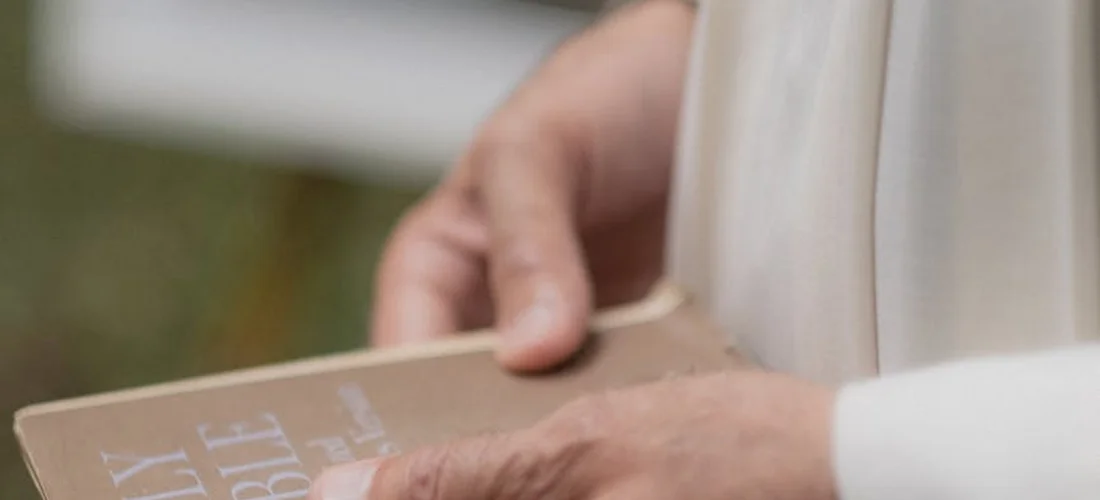
When a death occurs during a sacred time, families can feel caught between their grief and religious obligations. Each faith tradition has its own guidance, born from centuries of practice and spiritual meaning. Understanding how spiritual beliefs frame death and funeral rites can ease the transition for families. These beliefs often guide decisions about memorial practices, readings, and burial customs. The most compassionate path forward always begins by speaking directly with your religious leader, who can help navigate these rules with sensitivity to your family’s needs.
Christianity: Catholic, Protestant, and Orthodox Views
Christian practices vary widely, but all seek to honor both the departed and the holiness of the season. The guiding principle is often one of pastoral care, finding a way to mourn even amidst celebration.
Are Catholic funerals held during Holy Week? Generally, no. The rites of the Triduum-Holy Thursday, Good Friday, and the Easter Vigil-focus intensely on the passion of Christ. A full funeral Mass is typically not celebrated from Holy Thursday until Easter Sunday. Yet, a compassionate provision exists. A simplified funeral rite, without a Mass, can often be conducted at the church, funeral home, or graveside during this time to allow for timely burial.
Are Catholic funerals held on Sunday? It is rare, as Sunday is reserved for the celebration of the Lord’s Resurrection. A funeral Mass is usually not permitted, but a graveside service or a prayer service at the funeral home may be an option, depending on the diocese and the parish priest.
Most Protestant denominations are more flexible. Sunday services are common, and funeral arrangements are often guided by the family’s wishes and the church’s calendar. In the Eastern Orthodox tradition, funerals are not held on Sundays, as it is the Day of Resurrection. Funerals are also traditionally prohibited during Holy Week and on other major feast days, reflecting a deep reverence for the church’s liturgical rhythm.
Judaism: Observances from Sabbath to High Holy Days
Jewish law (Halakha) emphasizes the dignity of the deceased through the principle of rapid burial. This sacred duty, called k’vod hamet, can sometimes create tension with the equally sacred observance of holidays.
Funerals and burials are strictly forbidden on Shabbat (the Sabbath, from Friday sunset to Saturday night) and on major Biblical festivals like Rosh Hashanah and Yom Kippur. The profound peace of these days is not interrupted, even for mourning. If a death occurs just before, the burial is postponed.
Your rabbi and the Jewish funeral home will be your essential guides. They understand how to balance the mandate for timely burial with respect for the holy day. It is common to hold the funeral immediately after Shabbat or a festival concludes, sometimes even as night falls. The community will gather to support you, demonstrating how care for the living and the dead are interwoven.
Islam: Guidelines Following Lunar Calendar Events
In Islam, the prompt burial of the deceased is a collective obligation (fard kifayah). This urgency is a final act of respect and mercy, and it usually takes precedence over most other considerations.
While the funeral prayer (Salat al-Janazah) is a core ritual, there are specific times of day when it is generally not performed, such as sunrise, when the sun is at its zenith, and sunset. However, the burial itself may still proceed during these times to avoid unnecessary delay. The focus remains on fulfilling the duty to the deceased with dignity and speed.
During the holy month of Ramadan or on the days of Eid, the community’s rhythm changes. Funeral prayers are still held, and burials are conducted promptly. I have witnessed the powerful sight of a community breaking their fast together after solemnly fulfilling this final rite. The spiritual focus of the season envelops the entire process.
Hinduism and Buddhism: Considerations for Sacred Times
These traditions often look to astrological and lunar calendars to determine auspicious timing. The focus is on ensuring a peaceful transition for the soul, which can mean avoiding certain periods believed to be inauspicious.
In Hinduism, specific lunar phases (like the new moon or full moon), eclipses, and particular festival days may be considered unsuitable for funeral rites. The family priest, or pandit, is the central authority in determining the appropriate day and time for the cremation and subsequent rituals. His guidance is sought to align the ceremony with cosmic harmony.
Buddhist practices vary by culture and school. Some communities avoid cremations on days deemed unlucky by the lunar calendar. Other times, the focus is less on strict prohibition and more on the merit-making ceremonies that follow. The advice of the monastic community at your local temple is invaluable. They will help you schedule the rites in a way that honors both tradition and your need to begin the journey of mourning.
Can Funeral Services Be Held on Sundays?
You can hold a funeral on a Sunday, but religious traditions often shape this decision. The short answer is yes, though many faiths approach Sunday services with specific customs or cautions. I have seen families find gentle ways to honor both their loved one and their beliefs.
Here is a simplified look at common religious perspectives on Sunday funerals:
- In many Christian denominations, Sunday is a sacred day for weekly worship. A funeral might be held later in the day or respectfully scheduled for a weekday.
- Within Jewish tradition, funerals do not occur on the Sabbath (Friday evening to Saturday evening). Sunday is generally acceptable, but major holy days can restrict services.
- For Islamic funerals, prompt burial is a profound act of respect. Services can and do take place on any day, including Sunday, to meet this obligation.
Practically speaking, most funeral homes are open and can arrange a service for a Sunday. The availability of a clergy member or officiant is usually the limiting factor, as their Sundays are committed to their congregation. I always recommend families begin those conversations early.
If a Sunday service isn’t possible, please do not worry. Selecting a weekday for a funeral is extremely common and carries no disrespect. It simply allows everyone the space to gather and mourn properly. Your love and intention matter far more than the date on the calendar.
Can Funeral Services Be Held on Major Religious Holidays?
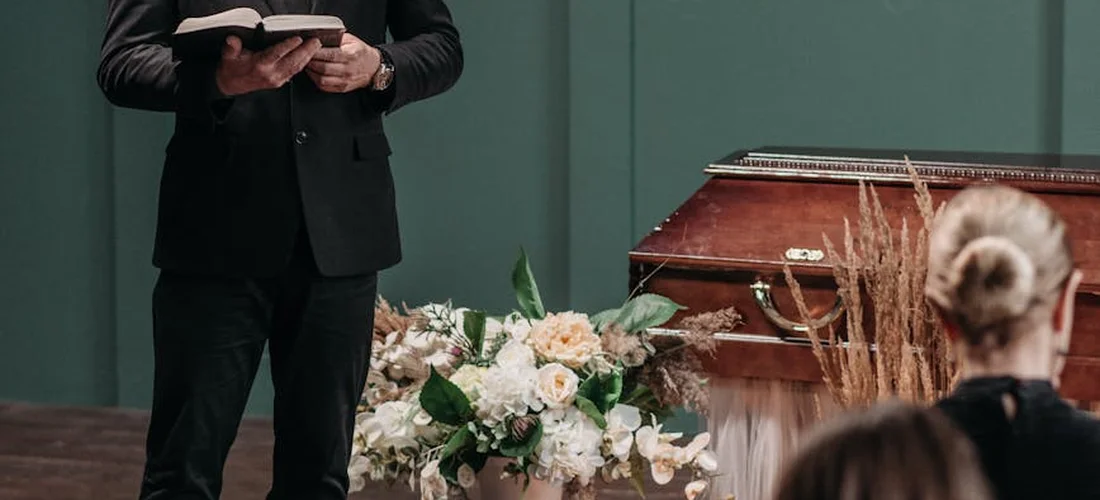
There is a significant difference between a regular Sunday and a high holy day. Sundays are often treated as regular days for funeral scheduling, with some exceptions. Days like Easter, Christmas, Yom Kippur, or Diwali occupy a different space entirely in the religious calendar.
These are times dedicated to specific communal worship, celebration, or atonement. The focus of the community and its leaders is squarely on the observance itself.
Are Funerals Allowed During Holy Week or on Such Days?
The straightforward answer is typically “no” for a full public funeral service. Most religious traditions prohibit holding a formal, public funeral on their most sacred holidays, especially when it involves the rituals and rites specific to funeral services.
The reason is one of respect, both for the holy day and for the deceased. Conducting a funeral on such a day can be seen as a distraction from the prescribed observance and may not allow the community to properly focus on supporting the bereaved family.
What Usually Happens Instead
Funeral directors and religious leaders are very familiar with these situations. A common and practical solution is to proceed with a private, immediate-family-only burial.
This allows for the necessary physical care of the deceased while honoring religious restrictions. The public memorial service is then scheduled for after the holiday concludes.
Another option is to respectfully hold the body in care until the holiday passes. This allows the family to plan the full service without the time pressure the holy day creates. I have seen this bring great relief to families feeling torn between duty and tradition.
The Option for a Quiet Gathering
Even when a full service is not possible, compassionate alternatives exist. An immediate family gathering for a quiet prayer at the funeral home is almost always an option, even on a major holiday.
This can be a profound moment. It is a private space for family to be together, to share tears, to say a prayer, or to simply sit in silence before the formalities begin. It acknowledges the loss without conflicting with broader communal rites.
This small act of gathering can provide a crucial anchor point in the early, disorienting hours of grief. It is a gentle way to begin.
Practical Alternatives and Adjustments
When a traditional timeline isn’t possible, your options are still filled with dignity. The goal remains to honor a life, even if the form changes.
One gentle alternative is to proceed with a direct burial or cremation. This simple, immediate act respects religious observance. You can then plan a memorial service or celebration of life for a later date when community gathering is permitted. This often allows for more personal reflection and planning, creating a service that feels uniquely tailored.
Another approach is to separate the events. You might hold a visitation or wake on the final permissible day before the holy period begins. The funeral service itself would then follow immediately after the restriction lifts. This gives people time to offer their condolences in person before the formal ceremony.
Communicating these changes requires clarity and grace. Be direct and simple in your wording. You can say, “Due to the observance of [Holy Day], the funeral service will be held on [new date].”
- Use phone calls or a phone tree for close family and friends.
- Ask the funeral home to update their website and obituary listings promptly.
- A brief, respectful social media post can reach a wider community circle.
People will understand. In my experience, guests appreciate clear guidance during a confusing time.
Remember, you are not managing this alone. Your funeral home is an expert partner in these logistical details. They can help coordinate a service for the very first available moment after a holiday concludes, managing the timing with care and respect. They understand the need for both reverence for tradition and the human need for closure.
A Note on Etiquette and Social Expectations
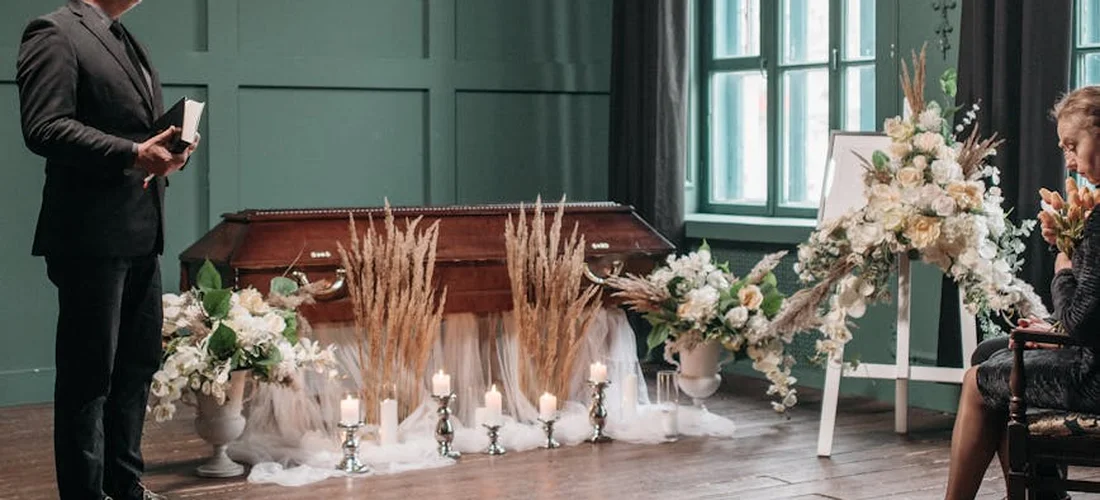
When you need to explain a funeral delay, focus your words on honoring tradition. A simple phrase like, “We are following our faith’s customs during this sacred time,” centers the conversation on respect. I have seen how this clarity helps others understand the decision is about reverence, not reluctance.
For guests, patience is the greatest gift you can offer. If a service is moved or simplified, remember this change stems from deep spiritual practice. Your understanding silence or kind word lifts a burden from the grieving family.
Attending a modified service during a solemn festival requires mindful presence. Choose attire in quiet, modest colors that reflect the day’s reflective tone. Let your behavior be still and attentive, mirroring the quiet of the observances around you.
Families, I encourage you to trust your inner voice above all. Your journey through grief must honor your faith and your heart, not outside opinions. It is a sign of strength, not failure, to shape rituals around your need for comfort and meaning.
When to Call a Funeral Director
Call a funeral director as soon as you feel able after a death occurs, even before any firm plans are made. This first call is a quiet step, a moment to secure a guide for the path ahead. I have seen many families find immediate comfort in simply sharing this initial burden.
Your funeral director’s knowledge of local religious communities and their specific rites is an invaluable resource during a time of grief. They know which clergy to contact for your faith tradition and understand the nuances of custom. This practical wisdom helps ensure your loved one’s service respects both your family’s wishes and your spiritual community’s expectations, especially when it comes to funeral customs and religious services.
Navigating legal paperwork, body preparation, and venue scheduling is complex on any day. During a major religious holiday, it becomes even more delicate. Funeral directors manage these essential details. They obtain permits, coordinate with cemeteries, and work with houses of worship to find a time that honors both holy days and your need for closure.
Their fundamental role is to lift the weight of logistics from your shoulders. Think of them as the quiet rudder, steering the practical vessel so you and your family can be fully present. You can focus on gathering with loved ones, on prayer, and on memory, trusting that the solemn details are being handled with dignity and care.
Compassionate Guidance: Your Questions Answered
Our loved one has died during a major religious holiday. What should we do first?
Please contact your religious leader and funeral director immediately. They will work together to explain your tradition’s specific guidelines and help you navigate the initial steps with great care.
If a traditional funeral service is not permitted on a holy day, what are our options?
A private family burial or a simple graveside committal is often a dignified, permitted alternative. A public memorial service can then be lovingly planned for after the holy period concludes.
How are burial and care handled if services must be delayed until after a religious observance?
Your funeral director will provide respectful, professional care for your loved one until the service. This allows your family to focus on observance and then gather for a full and meaningful farewell. Understanding the funeral director’s roles and duties—from transport to ceremony coordination—can help families know what to expect. Their seamless support ensures a respectful farewell.
Parting Reflections on Funeral Services During Holy Days
The most important step is to consult directly with your religious community or leader when a death occurs near a holy day. Their guidance ensures the funeral honors sacred traditions while caring for your grief.
In all Funeral Care, choose arrangements that prioritize dignified, personal respect and explore gentle, eco-friendly options. Continue to seek knowledge about Funeral Needs and Funeral Questions, as this learning itself is a compassionate act.
Emiliana Dieter
Emiliana is an author at The Valedictory. She is an experienced funeral care advisor and arranged and organized many funerals as part of her end of life consulting services. She has over 8+ years in the funeral industry managing her family funeral business and helping families cope with the loss of their loved ones. Her articles answer any and all questions you might have regarding funeral arrangements, costs, preparations, etc so you can make this a seamless experience.