
Open and Closed Casket Funerals: Understanding Your Choices with Compassion
Deciding between an open or closed casket is a deeply personal moment in funeral planning. It can feel heavy with both love and uncertainty.
This guide will offer clarity and support as you consider this intimate detail. We will define what open and closed casket services mean, examine their emotional and practical differences, and share gentle questions to help you choose.
Key Takeaways: For Immediate Comfort and Clarity
This is a guide to finding your way, not a test you must pass. There is no single right answer that fits every family or every person we mourn. The best choice is the one that brings you the most peace.
The decision is deeply personal. It should center on what feels right for your family and what best honors the person who has died. Trust your instincts here.
At its heart, an open casket service focuses on a final physical remembrance. A closed casket service shifts the focus to memory, symbolism, and the shared spirit of the gathering. Both are acts of profound love and respect.
A Quick Snapshot: Comparing Open and Closed Casket Services
| Aspect | Open Casket Service | Closed Casket Service |
|---|---|---|
| Primary Focus | A final opportunity to see, touch, and say goodbye to the physical form. It centers on the reality of the loss and a tangible farewell. | A focus on memory, shared stories, and symbolic closure. The ceremony emphasizes the life lived rather than the body present. |
| Viewing Experience | The casket is open during visitations or the service itself. Attendees may choose to approach and have a private moment. | The casket remains closed throughout all gatherings. The focus is directed toward a portrait, urn, or the altar space. |
| Typical Preparation | Often involves embalming and restorative art by the funeral director to create a peaceful, natural appearance. A specific interior casket liner is used. | Embalming is not always required, depending on the timing and service type. The choice of casket exterior becomes the primary visual consideration. |
| Common Cost Factors | Costs are often influenced by embalming, restorative care, and the selection of a casket with a decorative interior lining. | Costs can be simpler, focusing more on the casket exterior, though other service elements remain. Direct cremation or burial is a common path. |
| Emotional Tone | Can provide a concrete sense of closure for some. For others, it may feel too direct or intense. It is a very personal reaction. | Often feels more abstract or symbolic, which can feel protective or easier to manage for some mourners, especially children. |
Remember, costs for both options vary widely based on your choices. Your funeral director can provide clear pricing for the specific services you are considering, without pressure. For a broader view of typical funeral costs, you can consult our funeral costs high expenses guide to help you compare options and plan ahead. It can serve as a framework as you gather details and ask questions.
What Are the Defining Features of Open and Closed Casket Services?
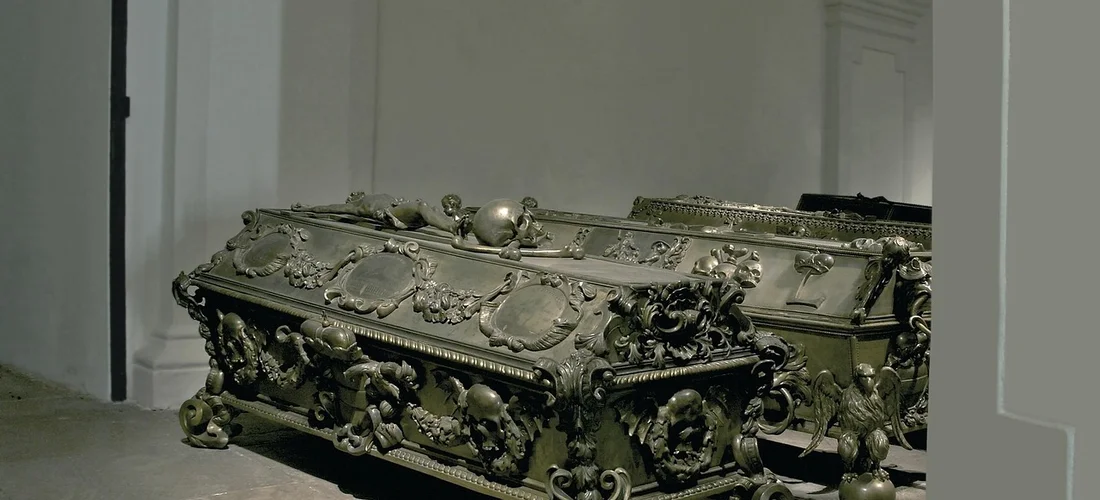
In an open casket service, the casket rests at the front with its lid open. Guests will see the person inside and may quietly approach during a visitation or before the ceremony begins.
For a closed casket service, the casket remains sealed throughout. The visual focus becomes the container itself, often adorned with a spray of flowers or a framed photograph placed on top. The casket is sealed before and after the service to preserve dignity and privacy. Details on when and why the seal is applied can be found in the next steps.
An open casket offers a visual farewell, a chance to see a loved one’s face in peace one final time. A closed casket provides a symbolic focus, directing collective attention toward memories and the meaning of the ceremony.
In the United States, open casket viewings are often seen in many traditions. In the United Kingdom, closed casket services are frequently chosen, though personal and family preferences ultimately guide this decision everywhere. Many families also weigh how the body will appear in the casket for a viewing. Such considerations about body appearance during a coffin viewing often influence the choice between open and closed arrangements.
The Nature of an Open Casket Service
The casket is typically open during a designated viewing period. It is placed so guests can walk by, and some families welcome a gentle touch of the hand or the placement of a small letter or flower inside.
This option requires careful preparation by funeral directors. Embalming and skilled cosmetology work together to create a natural, resting appearance. This respectful presentation aims to provide a comforting and dignified final image. Within funeral home body preparation, this careful process ensures the deceased is presented with dignity. The combined work of embalming and cosmetology supports a comforting, natural final display for families.
From my experience, the emotional intent is to help hearts accept what minds know. Seeing a peaceful face can affirm the reality of death, offering a tangible moment for goodbye that many find deeply meaningful.
The Nature of a Closed Casket Service
The sealed casket becomes a solemn centerpiece. It might be draped with a flag or covered in lilies, with a favorite portrait nearby to honor the person’s life.
Common reasons for this choice extend beyond simple preference. It may be advised after a traumatic passing or extended illness. Certain religious practices, like those in Orthodox Judaism or Islam, traditionally call for a closed casket.
A closed casket can protect the memory of the person as they were in life, offering a shield of privacy for the family. I have seen how this allows a service to focus more fully on spiritual reflections, shared stories, and the comfort found in community.
A Note on Etiquette and Personal Choice
Your presence is the most meaningful gesture. Whether the casket is open or closed, you are there to honor a life and support those grieving. Your simple attendance speaks volumes more than any worry over doing the “right” thing.
For Guests: Navigating an Open Casket Viewing
Approaching an open casket is a personal decision. There is no obligation. If you choose to approach, do so quietly. You may wish to offer a silent prayer, a fond memory, or a final goodbye.
Stand for just a moment. There is no need to linger. A brief pause is perfectly respectful. This allows others their own moment, and it respects the family’s space.
Words are often unnecessary here. A gentle touch on the shoulder of a family member or a soft “I’m so sorry” is enough. Avoid comments on appearance, as the person you knew is not truly present in that form. It is kinder to share a warm memory later.
For Families: Trusting Your Own Decision
This choice belongs to you and your immediate family. It is a decision made from love, memory, and the unique story of the person you lost. What feels right for you is the only valid answer.
You may hear well-meaning but conflicting opinions. People process grief differently. Please know that your choice for an open or closed casket is a final act of care, and it deserves respect. A skilled funeral director can help you communicate your wishes to others.
Some choose open to find comfort in seeing peace. Others choose closed to hold a more vibrant memory. Both paths are correct. Both are born from love. Your guiding light should be what brings your family the most comfort in saying goodbye.
What Factors Guide the Choice Between Open and Closed Casket?
This is not a decision to rush. I often sit with families and gently ask them to think about a few simple, heartfelt questions. The answers can point you toward the right choice for your unique situation.
What feels right in your heart when you imagine the service? Does the thought of a final viewing bring a sense of necessary closure, or does it create more anxiety? Your family’s collective emotional well-being is the most important guide. Consider what will help you grieve, not what you feel is expected.
Think about the purpose of the gathering. Are you hoping for a celebration of life where the focus is on memories and stories? Or is saying a physical goodbye a central part of your family’s way of healing? There is no wrong answer, only what is true for you.
Honoring the Wishes of the Deceased and the Family
First, listen for the voice of the person who has died. Did they ever mention a preference, even casually? Some people are very clear, stating they do or do not wish to be seen. Honoring a known wish can be a profound comfort to a grieving family.
Next, look around the room at each other. Is your family prepared for the emotional weight of an open casket? For some, seeing the body makes the loss real and can start the healing process. For others, the memory of a final viewing can be distressing. Be honest about what brings peace.
Pay special attention to the youngest and most vulnerable mourners. Very young children may be confused or frightened. Older children might benefit from a gentle, prepared explanation if you choose an open casket. Their needs matter in this shared experience.
Practical and Circumstantial Considerations
The circumstances of a death are a practical reality we must approach with tenderness. The cause of death may affect the possibility of viewing. A skilled funeral director can advise you on what is achievable through restorative care.
Many families worry that situations like organ donation or an autopsy rule out an open casket. This is often not the case. With compassionate and skilled restorative care, a peaceful viewing is frequently still possible. Your funeral director can explain the specifics for your situation, including any special funeral etiquette considerations.
This is where your funeral director becomes a trusted advisor. They will speak with you frankly and kindly about the physical considerations. Their expertise allows them to tell you what options are truly available, so you can make a decision without later doubts or surprises.
Religious, Cultural, and Traditional Influences
Faith and tradition often provide a framework for mourning. It’s helpful to understand common practices, as they can gently guide your choice.
Many ask, “Are Catholic funerals open casket?” The common practice is yes, often with a vigil service the night before for viewing. Yet, it is never required, and a family’s needs always come first.
“Are Jewish funerals open casket?” Typically, no. Jewish tradition emphasizes a swift burial and simple purification. The casket is usually closed to honor the dignity of the deceased without public viewing.
In Islamic tradition, the body is washed and shrouded with great care by family members. The burial is prompt, and viewing in an open casket is not part of the custom. These rituals are part of the broader Islamic funeral customs surrounding burial, emphasizing humility and equality before God. Understanding these rites helps ensure respectful burial practices in accordance with tradition.
Most Protestant Christian traditions leave the choice to the family. Some denominations may have specific customs, but there is generally wide flexibility for personal or family preference.
Within any faith, customs can vary between communities and families. The most respectful step is to have a conversation with your own spiritual leader. They can help you navigate your traditions while honoring your personal grief.
What Does Preparation for an Open Casket Viewing Involve?
The preparation for an open casket is a careful and reverent process. Its goal is to create a peaceful, natural appearance for your loved one. This allows for a final moment of recognition, which many find brings comfort.
Embalming is usually required for this type of service. It serves the dual purpose of sanitation and temporary preservation. This step safeguards public health and allows the body to be presentable for the viewing period.
Personal care is then provided with meticulous attention. Light cosmetics are applied to restore a familiar skin tone. Hair is styled gently, often as they wore it in life. Families typically choose a favorite outfit or meaningful clothing. A casket with a full-opening lid is used to make this respectful presentation possible.
These thoughtful preparations do contribute to the overall cost. Embalming, restorative care, and a viewing-appropriate casket are the primary factors. For a detailed breakdown, please see the cost comparison table included in this article.
Can a Service Combine Open and Closed Casket Elements?
Absolutely. Many families find a middle path that respects both private need and public ceremony.
This blended approach can ease the pressure of making a single, final choice.
A Private Family Viewing Before a Public Service
One of the most common combinations is a private viewing for immediate family. This happens before the public funeral begins.
The casket is open in a quiet room, allowing close family a personal moment of farewell. This private time offers intimacy without the presence of a larger crowd.
Afterward, the casket is closed. The public funeral or memorial service then proceeds with the casket remaining closed. This practice meets a deep family need while maintaining a chosen public presentation.
An Open Visitation Followed by a Closed Ceremony
Another option is to hold a visitation or wake with the casket open. Friends and extended family can pay their respects during this time.
When the formal funeral ceremony starts, the casket is then closed. This allows those who wish for a final visual memory to have one, while centering the main service on shared remembrance.
The transition is handled quietly and respectfully by the funeral director. It shifts the focus from the physical presence to the collective spirit of the gathering.
A Flexible Approach for Different Needs
These combinations acknowledge that grief is not one-size-fits-all. Within the same family, needs can vary greatly.
A spouse may need a private goodbye, while a grandchild might find an open casket at a visitation comforting. Blending elements is a practical way to honor several emotional truths at once.
Speak with your funeral director about these possibilities. They can help you structure times and transitions that feel seamless and dignified for everyone involved.
How to Make a Decision That Feels Right for You
This choice is deeply personal. The right answer is the one that brings you and your family a measure of comfort.
Find a quiet space, if you can. Picture the service room with the casket open. Imagine walking in, seeing familiar faces, and approaching. Consider what you would feel in that moment of seeing and being seen.
Now, picture the same room with the casket closed. A photograph sits atop it, perhaps surrounded by flowers. The focus shifts to the shared stories, the music, the collective presence of everyone there.
Which of these mental pictures brings you a greater sense of peace or resolve? Trust that initial, quiet feeling. It is often the truest guide you have.
Lean on Your Funeral Director’s Expertise
You do not need to figure this out alone. Your funeral director has helped hundreds of families navigate this very question. If you’re trying to find a funeral home director, start by connecting with trusted local providers. They can guide you through the next steps.
Speak openly with them about your hopes and your worries. A good director will provide clear facts without any pressure. They can explain the practical aspects of each choice in plain terms.
Ask them anything. You might want to know how the viewing room is arranged, what options exist for private family time before a public service, or how they prepare a loved one for viewing. Their role is to provide the information and support you need to make an informed, confident decision.
A Final Word of Reassurance
Please remember this. Your decision is not a test of your love or a measure of your grief.
An open casket can be a brave and loving farewell. A closed casket can be a dignified and protective act of care. Both are valid. Both are rooted in respect.
This choice is simply about finding the path that allows you to honor a life and begin your own journey of remembrance with the most grace you can muster. There is no wrong answer here, only the one that feels right for your heart.
Compassionate Guidance: Your FAQ
How does the choice between open or closed casket affect the grieving process?
This choice can shape early memories of farewell. An open casket may offer a tangible sense of closure for some, while a closed casket can provide a protective focus on cherished memories for others.
What are the potential benefits of a closed casket service?
A closed casket service can offer a sense of privacy and dignity, shielding mourners from a potentially distressing image. It gently directs the focus toward celebrating the life lived through shared stories and symbolism.
Can a funeral have elements of both open and closed casket?
Yes, many families find comfort in a blended approach. A common choice is a private family viewing followed by a public closed-casket service, honoring intimate goodbyes and collective remembrance.
Parting Reflections on Open and Closed Casket Funerals
The most meaningful choice you can make is the one that brings your family a sense of peace and closure. Trust your own feelings about what will best help you say goodbye.
Approach all Funeral Needs with a commitment to dignified, personal care, which can include gentle, eco-friendly options. Continuing to explore your Funeral Questions is a respectful part of ensuring thoughtful Funeral Care.
Emiliana Dieter
Emiliana is an author at The Valedictory. She is an experienced funeral care advisor and arranged and organized many funerals as part of her end of life consulting services. She has over 8+ years in the funeral industry managing her family funeral business and helping families cope with the loss of their loved ones. Her articles answer any and all questions you might have regarding funeral arrangements, costs, preparations, etc so you can make this a seamless experience.