
Funeral Attire Explained: Meaning, Tradition, and What to Wear
Choosing what to wear to a funeral often feels like a delicate puzzle during a time of loss. I understand how this simple decision can seem daunting when your heart is heavy.
This article will gently walk you through the purpose and practice of mourning dress. We will cover:
- The historical roots of funeral attire and its evolution across cultures
- The deep symbolism behind colors, fabrics, and styles
- Clear, compassionate guidance for selecting respectful clothing that honors the deceased
Key Takeaways: A Compassionate Summary
Let me start by offering some immediate comfort. The primary goal of choosing what to wear to a funeral is to show respect, not to cause you additional stress. Your intention matters most.
At its core, this tradition is about non-verbal communication. Funeral attire is a silent expression of sympathy, a way to visually unite in mourning, and a mark of the day’s solemnity.
If you feel uncertain, remember this simple guideline. When in doubt, opt for clothing that is modest, conservative in cut, and in dark or subdued colors. This approach is almost always appropriate.
Above all, please hold this thought close. Your presence with the grieving family is far more important than any detail of your attire. They will remember that you came, not what you wore.
The Purpose and Meaning of Funeral Attire
Funeral attire is, first and foremost, a tradition of respect. It is a way to honor the person who has died and to show consideration for their family during a difficult time. This custom stretches back through generations.
On a practical level, the clothes we choose serve as a visual symbol. Seeing a sea of dark, respectful clothing can be a powerful comfort, representing collective mourning and community support. It reminds everyone that they are not alone.
So, what is the meaning and tradition behind funeral attire? I frame it as a conscious act of dignity and solidarity. By dressing appropriately, we quietly affirm the importance of the life being remembered and stand with those in pain. That means no flashy colors or items that might distract from the solemnity of the event, especially when it comes to funeral suits.
This practice also serves a gentle, practical purpose for the bereaved. Uniformly respectful attire helps minimize visual distractions, allowing the focus to remain on the ceremony, the eulogies, and the shared memories. It creates a calm backdrop for grief.
A Personal Perspective: The Quiet Language of Clothing
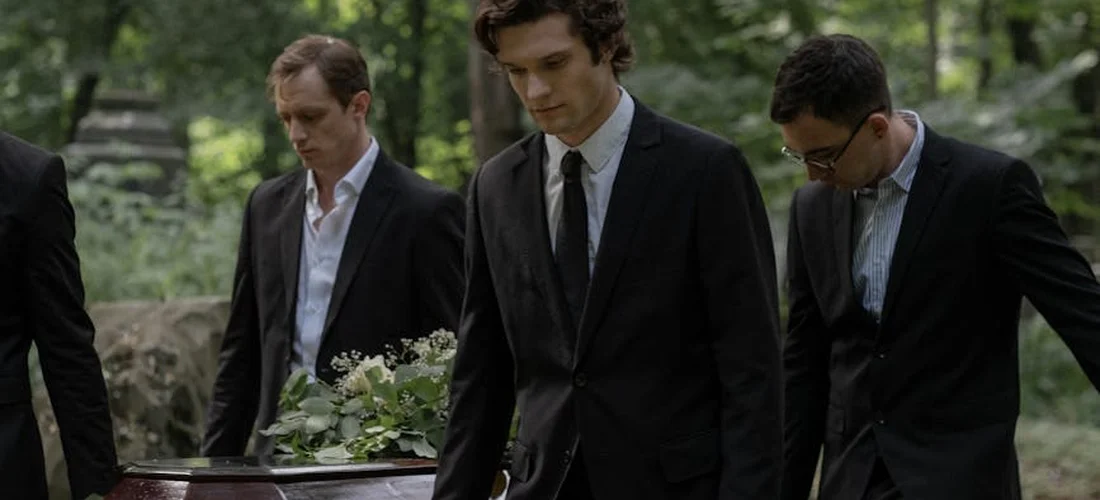
I remember attending a service for my grandfather as a teenager. I felt lost in my own grief, unsure of what to do or say.
Looking around the room, I saw a sea of respectful, dark clothing. That shared choice felt like a silent pact of support.
It was a quiet language of care when words failed us completely. We were telling the family, without speaking, that we saw their loss and honored it.
That anxiety over what you should wear is real and common. It comes from a place of wanting to show respect.
Try to shift your focus from rigid rules to the intention behind your choice. Your aim is to be present and respectful, not to be a perfect mannequin of mourning.
What to Wear: Modern Guidelines and Acceptable Attire
The core question, “What should you wear?”, has a simple answer: attire that is modest, subdued, and comfortable for both sitting and standing. Here are some clear paths to follow.
For Men:
- A dark suit, blazer, or sports jacket with dress trousers is always appropriate.
- A clean, pressed dress shirt in white, light blue, or another muted tone works well.
- Choose a tie with a subdued pattern or a solid, dark color.
If you do not own a suit, a dark polo shirt or sweater with neat, dark slacks is a perfectly acceptable alternative. The goal is neatness and respect, not a specific uniform.
For Women:
- A modest dress, skirt, or trouser suit in a dark or muted color is a standard choice.
- Separates like a blouse with trousers or a skirt are also fine. Think of fabrics like wool, cotton, or a simple knit.
- Choose a fit and length that allows you to sit and move with ease. Avoid anything overly tight, revealing, or flashy.
For everyone, prioritize comfort in your shoes. You will be on your feet. Dark, closed-toe shoes are typical, but the most important feature is that you can stand in them for a while.
When in doubt, choose the darker, simpler, and more comfortable option from your wardrobe. That choice in itself speaks volumes of your consideration.
A Note on Etiquette: What to Avoid Wearing
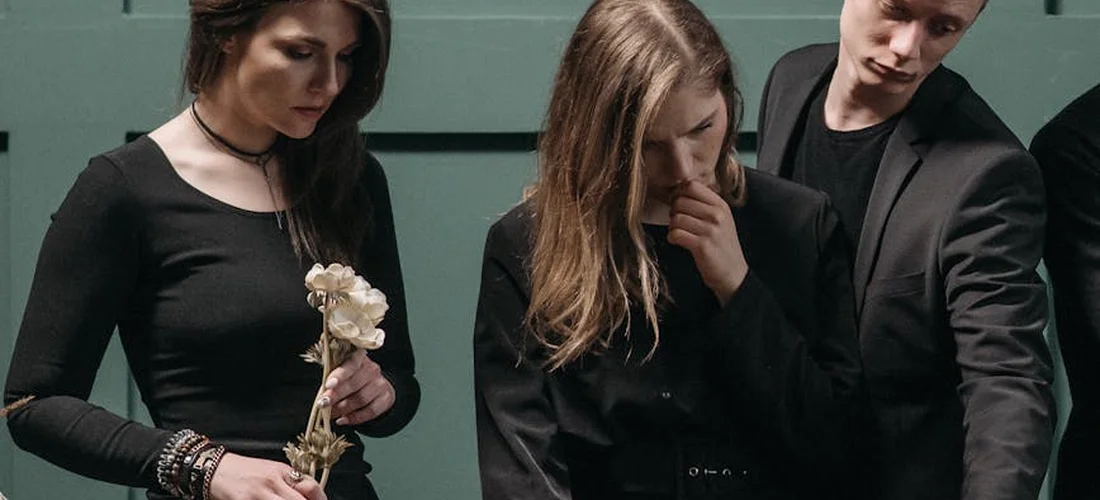
Choosing what not to wear is as important as selecting the right outfit. The goal is to avoid anything that draws attention away from the purpose of gathering: to remember and honor a life.
- Overly casual wear, like gym clothes, distressed jeans, or graphic t-shirts, can feel disrespectful in a formal setting of mourning.
- Loud patterns, neon colors, or glittery fabrics feel out of place. They disrupt the quiet, subdued atmosphere a funeral service strives to create.
- Flashy accessories or excessive jewelry can feel celebratory. The focus should remain on the person being remembered, not on personal adornment.
These choices matter because a funeral is a collective act. Disruptive attire can distract others in their grief. It can unintentionally signal a lack of consideration for the feelings of the bereaved family. Understanding casual funeral attire etiquette helps attendees balance comfort with respect. It signals consideration even in less formal settings.
When you are uncertain, always err on the side of modesty and simplicity. A clean, dark, and unassuming outfit will never be wrong. It is a quiet, visual way to say, “I am here to support you.”
The Symbolism of Color in Funeral Attire
Color communicates without words. In funeral traditions, it speaks a language of loss, respect, and sometimes, hope.
In Western tradition, wearing black to a funeral is a longstanding symbol of mourning, respect, and formality. It is a visual sign that you are participating in a somber occasion. The color creates a sense of unity among mourners, a shared, quiet acknowledgment of loss. When people refer to a “black funeral,” they are describing this tradition of attire, not the nature of the service itself. Beyond black, funeral attire colors symbolism includes how other hues signal mourning, remembrance, or dignity in different cultures. Understanding these nuances can help attendees dress respectfully across varied services.
Other colors carry different meanings. White is often worn in many Eastern cultures, symbolizing purity and rebirth. In some Christian services, it represents hope and resurrection. Red is traditionally avoided in many Western funerals, as its association with vibrancy and passion can clash with the tone of mourning.
Dark navy, charcoal gray, and deep burgundy are generally considered acceptable, somber alternatives to black. They offer a slight variation while still maintaining the necessary dignity.
Color expectations are deeply personal and can vary greatly by culture, religion, and even family wish. I have been to services where the family requested everyone wear bright colors to celebrate a vibrant life. The most important guide is always the expressed wishes of the deceased or their family.
Cultural and Religious Traditions in Funeral Attire
Funeral customs around clothing are deeply personal. They reflect beliefs about death, respect, and community. What feels like a simple choice of outfit can be a meaningful act of solidarity, especially when considering funeral attire etiquette.
Across cultures, the color and style of attire carry specific significance. Knowing these differences helps you honor the deceased and their family with your presence. When in doubt, your intention to be respectful is the most important part of your preparation.
Traditions Where White is Customary
In many Western services, black is the traditional color of mourning. In other parts of the world, white holds that solemn role. It often symbolizes purity, peace, or the transition of the spirit.
At Hindu funerals, it is customary for close family members to wear simple, plain white clothing. Guests often wear white as well, though conservative, subdued colors are also generally acceptable. The focus is on modesty and respect, similar to funeral viewings in other cultures.
In many Buddhist traditions, particularly in East Asia, white is also the color of mourning. You will see family dressed in white robes or garments. As a guest, wearing dark, modest clothing is typically fine, but avoiding bright colors remains key.
Within some Hispanic communities, especially for services honoring a child, you may see a preference for white. It represents the innocence and angelic nature of the young soul. This practice varies by family and region.
Traditions with Specific Modesty Requirements
Many faiths have clear guidelines for dress that extend to funeral services. These rules are about reverence, not fashion. Adhering to them shows profound respect for the family and their faith.
In Islamic tradition, modesty is paramount for both men and women. Attire should cover the arms, legs, and chest completely. Women often wear a headscarf. Clothing should be loose-fitting and simple, in subdued colors.
For Orthodox Jewish funerals, similar principles of modesty apply. Dressing conservatively is a sign of respect for the solemnity of the occasion and the family’s beliefs. Shoulders and knees should be covered, and men are often expected to wear a head covering, like a yarmulke or kippah, which are usually provided at the service. Further guidance on Jewish funeral attire can help guests dress respectfully for the service. Such guidelines typically emphasize modesty, sobriety, and reverence for the occasion.
Seeking Guidance with Respect
If you know the service will follow a specific cultural or religious practice, a little research can go a long way. I have seen how much it means to a family when a guest makes that thoughtful effort.
When you are unsure, it is perfectly appropriate to ask. A discreet inquiry can prevent discomfort. You can reach out to a close family member or the funeral director.
- You might say, “I want to dress appropriately to honor your family. Is there a specific color or style I should consider?”
- Funeral directors are excellent resources. They can provide clear, neutral guidance on what is expected.
Asking a simple, respectful question is always better than making an assumption. It shows you care enough to get it right, and that compassion is the truest form of respect you can offer.
Frequently Asked Questions
Why is black the traditional color for funeral attire?
Black became the traditional Western color for mourning as a visual symbol of solemnity, respect, and collective grief. It serves as a unifying, non-distracting backdrop that allows the focus to remain on honoring the deceased and supporting the family.
Is a full suit or formal dress always required?
No, neat and conservative separates in dark or subdued colors are perfectly acceptable if formal wear is not available or appropriate. The key is to choose modest, clean attire that shows respect for the solemnity of the occasion.
How can I be sure my attire is appropriate for a specific cultural or religious service?
When uncertain, the most respectful action is to discreetly ask a close family member or the funeral director for guidance. A simple, compassionate inquiry shows your sincere desire to honor the family’s traditions and beliefs.
Honoring Choices in Funeral Attire
The heart of funeral attire lies in selecting clothes that show respect for the person who has died and consideration for those who are grieving. When in doubt, let kindness and the specific wishes of the family be your truest guide. For immediate family funeral attire, it is typically modest and understated, reflecting the closeness of the relationship.
Approaching Funeral Care, Funeral Needs, and Funeral Questions with dignity includes exploring gentle, eco-friendly choices that reflect a caring legacy. Seeking reliable information on these matters is a compassionate step toward healing and prepared support.
Emiliana Dieter
Emiliana is an author at The Valedictory. She is an experienced funeral care advisor and arranged and organized many funerals as part of her end of life consulting services. She has over 8+ years in the funeral industry managing her family funeral business and helping families cope with the loss of their loved ones. Her articles answer any and all questions you might have regarding funeral arrangements, costs, preparations, etc so you can make this a seamless experience.