
Funeral Flower Colors: What They Mean and How to Choose Them
Choosing flowers in a time of loss can feel like a delicate, confusing step. I remember helping families through this, and I want to offer you the same calm guidance.
This article will help you understand the language of floral colors and make a choice that honors both your grief and the memory of your loved one.
- The deep symbolism behind common colors like white, red, pink, and blue.
- How to match flower colors to your relationship with the person who has died.
- Practical considerations for creating a tribute that feels personal and respectful.
Key Takeaways: Finding Comfort in Color
Choosing funeral flowers can feel overwhelming. In this moment, let these simple truths be your guide.
- White flowers are a universal symbol of peace and spiritual love, offering a safe and beautiful choice.
- The most meaningful selection often includes the favorite color or flower of the person you are honoring.
- Flowers are a visual expression of care, a quiet presence that speaks when words are hard to find.
- Your genuine intention is what gives this gesture its deepest meaning.
- Remember, you are not alone in this. A skilled local florist is an experienced guide who can help translate your feelings into a fitting arrangement.
A Gentle Guide to Funeral Flower Color Meanings
Colors speak a silent language of emotion. In the context of a funeral, they can express sentiments that feel too heavy to voice. Think of each hue as a note in a quiet, respectful symphony of remembrance.
This guide groups colors by their emotional tone to help you find the right expression for your feelings.
Traditional Colors: White, Green, and Purple
These colors have long been associated with honor, spirituality, and the cycle of life and remembrance.
White symbolizes peace, innocence, and a spiritual, everlasting love. It is the most traditional and widely accepted color for funeral flowers, representing light and purity. White lilies, roses, and orchids are classic choices that convey reverence and serenity. White flowers are often favored in somber occasions to evoke a sense of calm and respect.
Green speaks of renewal, hope, and the enduring strength of life. It is the color of nature persisting. While often used as foliage to frame other blooms, greenery like Bells of Ireland or eucalyptus can be a beautiful, subtle statement of hope and continuity.
Purple carries a message of dignity, solemn remembrance, and spirituality. Historically linked to royalty, it conveys deep respect. Flowers like majestic purple irises or soft lavender roses can honor a life lived with grace and faith.
Warm Colors: Red, Pink, Yellow, and Orange
These tones express the warmth of human connection, from deep love to fond friendship.
Many people ask, are red flowers appropriate for a funeral? Yes, red flowers are absolutely appropriate when they symbolize deep love, courage, and profound respect. A single red rose in a spray can signify a timeless, devoted bond. Red carnations often express heartfelt admiration. Their warmth can be a powerful tribute to a passionate life or a deep relationship. Though some flower colors are traditionally avoided at funerals.
Pink conveys grace, gentle admiration, and sweetness. It is a tender color, often chosen to remember someone with a kind or gentle spirit. Pink roses or carnations offer a soft, loving presence.
Another common question is, are yellow flowers appropriate for a funeral? Yellow flowers, symbolizing friendship, joyful memories, and warmth, can be a beautiful and fitting choice. They celebrate the light someone brought into your life. A sunflower or a spray of yellow roses can honor a cheerful, loyal friend, reminding mourners of happy times shared. It’s important to consider the type of flowers and their meanings when choosing for a funeral.
Orange represents enthusiasm, warmth, and vitality. It is less common but can be a wonderful way to honor a vibrant, energetic personality. It speaks of a spirit that was bright and full of life.
Serene Colors: Blue and Soft Lavender
These cool, quiet hues offer a sense of calm and peaceful repose.
Blue evokes feelings of peace, tranquility, and serenity. It is like a quiet sky or a still sea. Blue hydrangeas or delicate delphiniums can create an arrangement that feels soothing and contemplative, offering a visual sense of calm.
Soft lavender is a gentler, more muted cousin to purple. It carries similar connotations of spirituality and dignity but with an added feeling of grace and calm. It is a subtly comforting color that avoids starkness.
How to Choose Flowers That Feel Right for You and Your Loved One
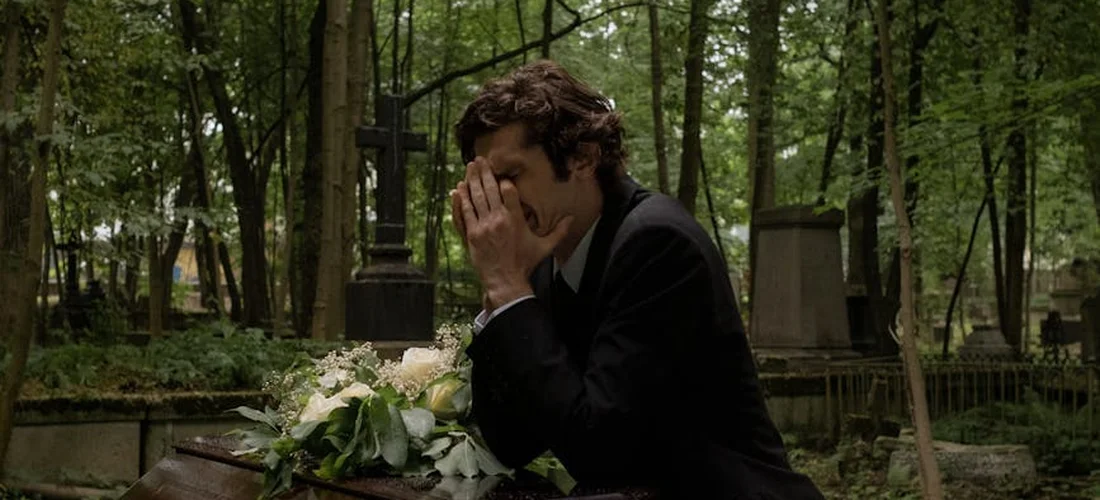
Selecting funeral flowers is a deeply personal gesture. This is a process of reflection, not a test, and there is no single correct answer for what color flower for a funeral is right. Trust your feelings as you navigate this choice.
Reflect on the Person’s Spirit and Preferences
Begin by quietly considering the person you are honoring. Think of their favorite color, their passions, and their personality. A person with a vibrant, joyful spirit might be remembered beautifully with a burst of bright sunflowers. Someone with a calm, serene nature could be reflected in the gentle curves of white orchids. Choosing flowers that mirror their unique essence is a powerful way to celebrate their life.
Consider Your Relationship and the Message You Wish to Convey
Your own connection to the person guides your choice. A spouse might select deep red roses to speak of lifelong love and devotion. A dear friend could choose cheerful yellow blossoms to share a memory of happiness. A colleague may pick respectful white chrysanthemums to express sympathy. Each selection, from the most common to the most unique, is a valid and meaningful expression of your care.
Be Mindful of Cultural and Family Traditions
Color symbolism varies greatly across cultures and families. In some traditions, white symbolizes mourning and peace. In others, red or black may be the customary color of grief. When you are uncertain, a quiet word with the family or the funeral director is a kind step. Asking respectfully is an act of consideration that honors the family’s way of mourning and respects the symbolic colors chosen for the ceremony.
Common Types of Funeral Arrangements and Their Purpose
The form of the arrangement is as important as the flowers you select. Knowing the common types helps you send a gift that is both practical and appropriate for its intended place. It ensures your tribute provides comfort without confusion.
Standing Sprays and Wreaths: For the Service
These are large, formal arrangements displayed on easels during the funeral or memorial service. They are often sent by immediate family or very close associates. Standing sprays and wreaths serve to adorn the service space, creating a visual tribute for all attendees to see. Their size and prominence mark a significant gesture of respect. Understanding the different wreath types and their meanings can help families choose the most fitting tribute.
Casket Sprays and Inside Pieces: A Final Gift
These arrangements are placed directly on or inside the casket. A spray rests on the closed lid, while smaller posies might be tucked inside. These pieces are typically chosen by the immediate family as a final, intimate gift to their loved one. They are a personal accompaniment on the last journey.
Bouquets and Basket Arrangements: For the Family’s Home
These are smaller, more personal gifts sent directly to the home of the bereaved. They often arrive in the days following the service. Bouquets and basket arrangements offer tangible comfort in the family’s private space, a gentle presence during a difficult time. They bring a touch of life and solace to the quiet rooms of grief.
A Note on Etiquette: Sending Flowers with Care
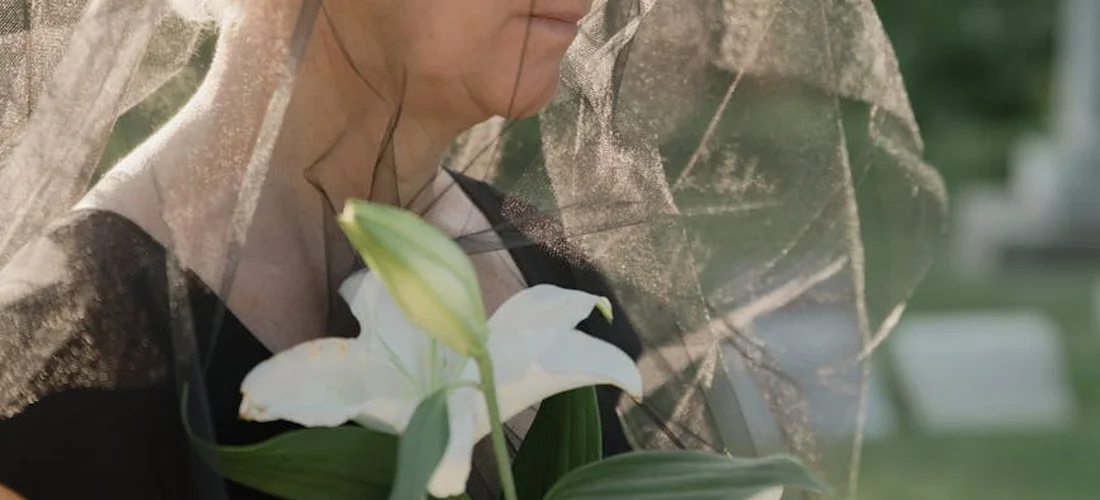
Sending flowers is a gesture of support, and many people worry about getting the details right. Let me ease your mind on a few common points.
Timing is flexible. Arrangements can be sent to the family’s home immediately after a loss, to the funeral home for the service, or even to the graveside in the weeks that follow. The thought reaches them whenever the flowers arrive.
Your words on the card matter most. A simple, heartfelt message is always appropriate.
- “With deepest sympathy.”
- “Thinking of you and your family.”
- “In loving memory of [Name].”
- A brief personal memory.
If you are unsure where to send them, the funeral home listed in the obituary can always accept deliveries on the family’s behalf.
You may not be able to attend the service in person. Please know that your flowers will still be seen and appreciated. They are a quiet, tangible presence of your care when you cannot be.
Sometimes a family will request “in lieu of flowers.” This is a personal preference, not a rejection of your kindness. Honoring that request by making a charitable donation in the deceased person’s name is a beautiful and respectful tribute.
A Personal Perspective: The Flowers I Remember
In my years of guiding families, I have seen countless arrangements. The grand sprays are striking, but it is often the simplest blooms that hold the deepest meaning for those left behind.
I remember a daughter who placed a small pot of purple violets on her mother’s casket. They were her mother’s favorite, picked from her own garden. The scent was faint, but the love it represented filled the room.
For my own grandfather, a childhood friend sent a basket of white daisies. He included a note about them growing in the field where they played as boys. That specific, personal connection transformed those ordinary flowers into a profound message of a life shared.
The flowers you choose become part of the story. They are a visual expression of sympathy that words sometimes cannot reach. Long after the service, the memory of those colors and that gesture remains, woven into the story of love and remembrance.
Frequently Asked Questions: Finding Guidance Through Flowers
Is it okay to choose bright or non-traditional flower colors?
Absolutely. Choosing a color that genuinely reflects the personality or spirit of your loved one is a meaningful tribute. The most personal choice is often the most appropriate one, bringing warmth and personal connection to the remembrance.
How can I incorporate the deceased’s favorite color if it’s not typically seen as a funeral color?
You can beautifully incorporate it by using it as an accent within a larger, more traditional arrangement or by selecting blooms in a softer shade of that color. This creates a deeply personal tribute while maintaining a respectful overall tone.
What if I’m unsure about the family’s preferences or cultural traditions?
When in doubt, choosing classic white or soft pastel flowers is a universally respectful and safe option. You may also contact the funeral home handling the services; they can offer discreet, knowledgeable guidance on appropriate customs. If you are unsure about the specific etiquette, consider reading up on general funeral flower etiquette.
Parting Reflections on Funeral Flower Colors
Let your choice of color be a heartfelt echo of the person you honor, guided more by personal meaning than by strict convention. Select flowers that feel true to the memory you hold, and trust that this personal touch brings its own comfort.
As you navigate Funeral Care and Funeral Needs, I encourage you to consider eco-friendly floral options that extend dignity to our planet. Continue to seek answers to your Funeral Questions, as each informed choice supports a more compassionate goodbye. A funeral flowers guide can illuminate options for meaningful, sustainable arrangements. You may refer to the funeral flowers guide for ideas on styling and eco-conscious choices.
Emiliana Dieter
Emiliana is an author at The Valedictory. She is an experienced funeral care advisor and arranged and organized many funerals as part of her end of life consulting services. She has over 8+ years in the funeral industry managing her family funeral business and helping families cope with the loss of their loved ones. Her articles answer any and all questions you might have regarding funeral arrangements, costs, preparations, etc so you can make this a seamless experience.