
Jewish and Buddhist Funeral Practices: Understanding the Key Differences
When a loved one passes, navigating different funeral customs can feel overwhelming. I’m here to help clarify the distinct protocols of Jewish and Buddhist traditions with empathy and insight.
This article will explore the core differences, focusing on the philosophical foundations, the timeline and structure of services, the specific rituals and customs, and the ways each community offers support to the grieving.
Key Takeaways: A Compassionate Summary
If you are arranging a service or paying respects, understanding these traditions can bring comfort. Both a Jewish funeral and a Buddhist funeral provide profound respect and structured ways to grieve, though their paths look different. I have seen how these rituals gently guide families through loss.
Jewish services emphasize swift burial, often within twenty-four hours. Buddhist practices usually allow several days for rites before cremation. This difference in timing reflects each tradition’s view on honoring the transition of the soul or spirit.
Body care involves ritual cleansing in Judaism and simple, respectful washing in Buddhism. The service structure is often solemn and scripture-based for Jews, while Buddhist ceremonies focus on chanting and meditation. Finally, Jewish custom typically requires earth burial, and Buddhist practice almost always involves cremation. Knowing this can help you approach each with sensitivity.
The First Steps: Timing and Care for the Body
In Judaism, burial is urgent, usually within a day of death. This swiftness honors the dignity of the body and the soul’s journey. How are Jewish funerals conducted with such speed? A sacred society, the Chevra Kadisha, performs the Taharah, a ritual purification. They wash the body with care and dress it in simple white shrouds.
During this time, Shmirah, or watching, occurs. Someone stays with the body, often reciting psalms. This constant vigil is a final act of companionship and respect for the departed. Viewing the body after Taharah is not part of the tradition; the focus is on the soul, not the physical form.
Buddhist practice takes a different pace. The body may be kept at home or a temple for several days. Do Buddhist have funerals during this time? Yes, monks and family gather for chanting, like reciting sutras, to guide the consciousness peacefully. This period allows for gradual acceptance and merit-making for the deceased.
The preparation of the body is simpler. It is washed gently by family members and dressed in everyday clothes or white garments. Unlike the private Taharah, this washing can be a quiet, familial act of love and letting go. Viewing is often allowed and can be part of the farewell, helping loved ones acknowledge the reality of death.
I remember helping a family who blended these customs. The contrast between Jewish urgency and Buddhist deliberation shows how cultures hold space for grief in unique, yet equally valid, ways. Both approaches treat the body with a reverence that words often cannot match.
The Funeral Service: Participants, Rituals, and Sacred Spaces
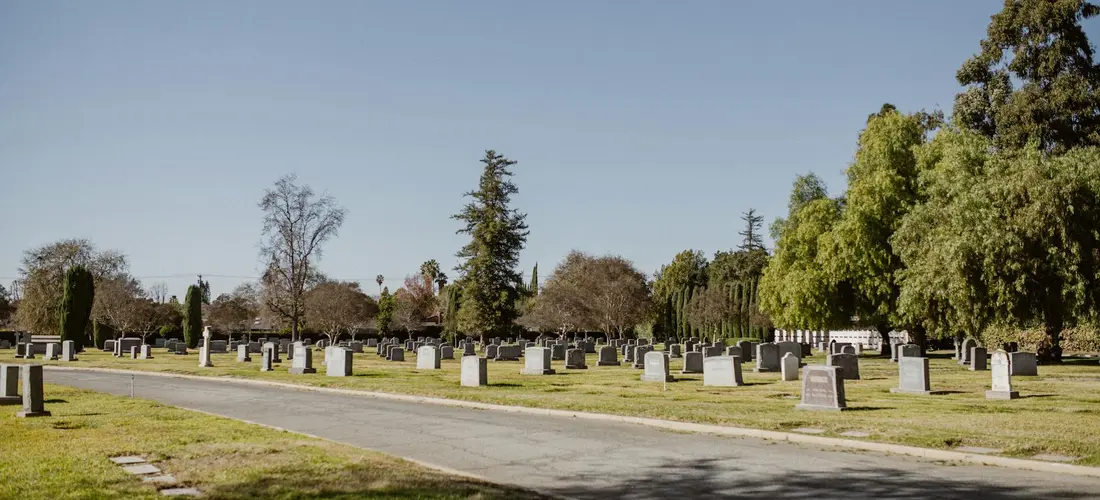
The Roles of Family and Clergy
Understanding what are the contrasting roles of leaders and family brings clarity. In Jewish tradition, a rabbi typically guides the service. The rabbi provides structure and recites prayers.
Family members are deeply involved. They often deliver eulogies, known as Hesped. Close relatives may participate in rituals like the tearing of a garment, or Keriah.
This creates a service anchored by religious authority but deeply personal through family remembrance.
A Buddhist funeral presents a different dynamic. Monks usually lead the chanting and deliver a sermon. Their presence is central to guiding the consciousness of the deceased. A buddhist funeral service guide can outline the typical sequence of rituals. It can also help families understand roles and options.
Family and community members actively participate by making offerings. They bring flowers, fruit, and incense to the altar. Their collective chanting is considered a powerful act of compassion.
The community’s involvement in a Buddhist funeral is a shared spiritual effort for the benefit of the departed. In understanding these ceremonies and rites, we see how culture and religion shape funeral practices across traditions.
The Flow of Ritual and Ceremony
Jewish funeral rituals are rich with specific prayers and actions. The mourner’s Kaddish, a prayer sanctifying God’s name, is a central pillar. It is traditionally recited by immediate family members.
Eulogies honor the life of the deceased. The service moves with a solemn, respectful pace. It often concludes at the graveside with the final burial, performed by family and community.
At a Buddhist funeral, the rhythm is set by chant and meditation. Monks chant sutras, or scriptures, to generate peaceful energy. The sermon often focuses on the nature of impermanence and the release of attachment.
Offerings symbolize the transience of life, much like flowers that wilt. The atmosphere is one of reflective calm, intended for peaceful transition.
The sound of chanting in a Buddhist funeral is not a dirge, but a compassionate guide for the journey of the spirit.
Locations for Gathering and Farewell
Jewish services may be held in a few common places. These include a synagogue, a funeral home chapel, or directly at the graveside. The choice often depends on family custom and community practice.
The immediate graveside service is almost always present. It is the final, physical act of companionship with the deceased.
Buddhist services are similarly flexible in location. They are commonly held in a temple, a funeral home, or even the family home. The setting will feature an altar with a photograph of the deceased, offerings, and incense.
The sacred space in both traditions, whether a synagogue or a temple altar, serves as a focal point for collective grief and love.
The Journey of Grief: Mourning Periods and Memorials
Structured Phases of Jewish Mourning
Jewish mourning follows a deliberate, community-centered path. The most intensive period is Shivah, meaning “seven.” For seven days following burial, the immediate family stays home.
Friends and community visit to offer comfort. Mirrors are often covered to discourage vanity and focus inward. Prayers are said daily with a minyan, a quorum of ten.
Shivah is not about being alone; it is about being held in grief by your community.
The next phase is Shloshim, the thirty days following burial. During this time, mourners gradually re-enter daily life but avoid festivities. The intensity of grief is given a longer container to breathe.
Annual remembrance is observed through Yahrzeit. On the anniversary of the death, a candle is lit for twenty-four hours. The Kaddish is recited again, honoring the enduring bond of memory.
Buddhist Memorials and the Concept of Merit
Buddhist memorial observances are timed to significant points in a believed transition. Many traditions hold services on the 7th, 49th, and 100th days after death.
These intervals mark stages in the consciousness’s journey. The primary purpose of these gatherings is the transfer of merit.
Family members perform good deeds, chant, and make offerings to generate positive energy, which is then dedicated to the deceased for a favorable rebirth.
The final memorial, often held on the 1st or 3rd anniversary, signifies a peaceful conclusion to this journey. The focus shifts from guiding the departed to honoring their lasting memory.
Supporting a Mourner in Each Tradition
If you are supporting a Jewish mourner, your physical presence is the greatest gift. Visit during Shivah. Simply be there; you do not need to fill the silence with words.
Bring food for the family. When you speak, share a simple, genuine memory of the person who died. Avoid trying to explain or justify the loss.
Supporting someone after a Buddhist funeral involves respect for their reflective practice. You may be invited to a memorial service to participate in chanting or offerings.
Understand that grief may be expressed with quiet meditation, not always outward tears. Your supportive, calm presence aligns with the practice of creating a peaceful atmosphere.
In both faiths, the most powerful support you can offer is your attentive, non-judgmental presence.
Final Disposition: Attitudes Toward Burial and Cremation
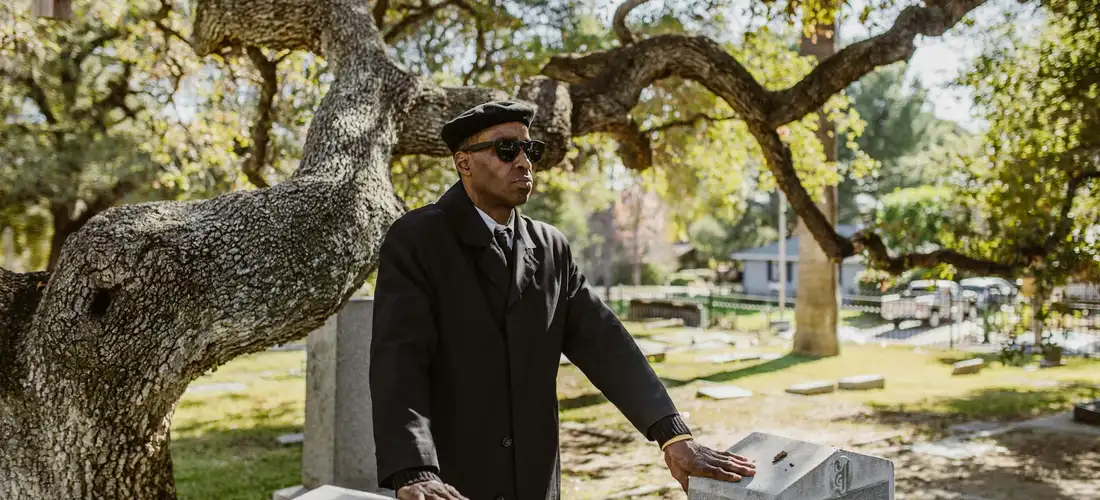
In Jewish tradition, earth burial is not merely a choice but a sacred duty. The body is respected as a creation of God, and returning it whole to the earth is an act of profound honor. Orthodox and Conservative branches generally prohibit cremation, viewing it as a violation of this principle.
Buddhist practice commonly turns to cremation. This is often seen as a gentle release of the spirit from its temporary physical form, a final lesson in letting go. While burial is practiced in some regions, cremation is far more frequent across Buddhist communities.
The handling of ashes reflects this divergence. Buddhist ashes might be placed in a stupa or scattered in a river, a continuation of the cycle. In contrast, a Jewish grave is a permanent, consecrated site. It becomes a place for family to visit and remember, a fixed point for communal memory.
This clear distinction in burial vs. cremation answers a common question. Yes, Jews do have funerals, and they are deeply centered on the ritual of earth burial, emphasizing dignity for the body and comfort for the living.
The Beliefs That Shape the Practices
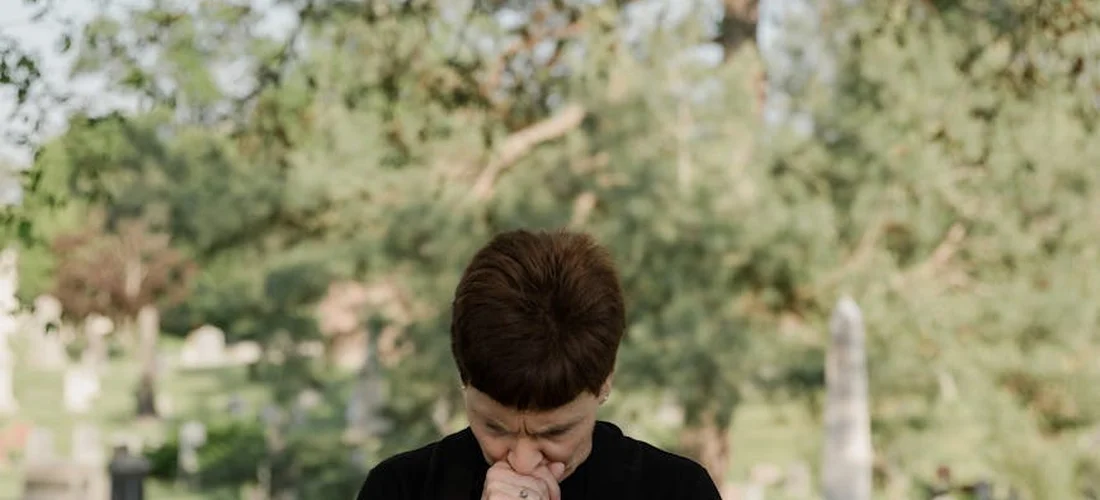
Jewish Views on Death and the Afterlife
Jewish funeral customs are rooted in specific theological beliefs. There is a longstanding belief in bodily resurrection, which requires the body to be treated with the utmost care. Every practice, from swift burial to avoiding embalming, stems from this reverence for the body as divine creation.
I have seen how this extends to communal support. The funeral and the subsequent grave serve as tangible anchors for memory, weaving the individual back into the community’s story. This collective mourning is a pillar of strength for those left behind.
Buddhist Teachings on Impermanence and Peace
Buddhist approaches are shaped by the core truth of impermanence. Death is a natural transition in the cycle of rebirth, or samsara, and the body is understood as a temporary vessel. Cremation visually embodies this teaching of non-attachment.
The moment of death holds great significance. Creating a peaceful environment, often with chanting and meditation, is meant to guide the departing consciousness toward a favorable rebirth. The rituals are less about the body and more about aiding the spirit’s journey.
When you understand these foundations, the differences in practice make sense. Jewish rituals protect the body for a future hope and a present community, while Buddhist rites release the spirit with peace and acceptance. Knowing this “why” can help you approach each tradition with deeper respect.
A Note on Etiquette and Ongoing Support
Knowing how to act can ease your own anxiety, allowing you to focus on being present for the bereaved. Your respectful presence matters more than perfect words.
Attending the Service: What to Wear, Say, and Bring
For a Jewish funeral, dress modestly and conservatively. Dark, somber colors like black, navy, or grey are customary. Clothing should cover shoulders and knees. These guidelines are part of the broader tradition of Jewish funeral attire. In many communities, additional considerations may include head coverings for men and modest dress for women.
At a Buddhist service, white is the traditional color of mourning and is often worn by the immediate family. As a guest, wearing white, black, or other subdued, respectful colors is appropriate. Modesty remains important.
When offering condolences, simplicity holds the most grace. A gentle “I am so sorry for your loss” or “My heart is with you” is enough. Avoid saying “they are in a better place” at a Jewish funeral, as the focus is on the loss felt by the living. In Buddhist contexts, such a sentiment may align with beliefs but should still be offered with great care.
It is often best not to bring flowers. For Jewish funerals, a donation to a charity chosen by the family is a meaningful gesture. For Buddhist services, you may ask the family if a contribution to the temple or a designated charity is preferred. Quietly offering help with meals or tasks in the days ahead is always a kind thought.
Practical Support in the Weeks and Months After
Jewish mourning is structured into distinct periods: shiva (the first week), shloshim (the first month), and the first year. The family may be observing specific customs, like staying at home or covering mirrors.
Your support could involve visiting during shiva to be part of a prayer minyan, dropping off prepared food that requires no work, or simply sitting quietly with them. Practical help that respects the rhythm of their ritual is a profound gift.
Following a Buddhist funeral, the family may participate in ongoing memorial services for 49 days, believed to assist the deceased’s transition. They may also observe annual death anniversary ceremonies, similar to other religious services that honor the memory of loved ones.
Offer to help with daily chores or errands. You could ask if they would appreciate company for a quiet walk. The support needed is often steady and unobtrusive, acknowledging grief without demanding conversation about it.
Gentle Suggestions for Emotional Well-Being
Grief is not linear. It comes in waves, often when least expected. If you are the bereaved, permit yourself to feel whatever arises without judgment. There is no correct timetable.
For those supporting a mourner, remember that listening is an act of love. You do not need to fix their pain. Your steady, patient presence is often the most powerful support you can offer. Avoid催促ing them to “move on” or “get back to normal.”
Many find solace in their spiritual community, whether it’s a synagogue’s bereavement group or a temple’s meditation sessions. Secular grief counseling or support groups can also provide a safe space to process loss. These are not signs of weakness but of strength.
The journey through loss is deeply personal, yet no one needs to walk it entirely alone. A simple gesture, a remembered date, a shared silence-these small acts of witness carry immense weight. They affirm the love that remains and the dignity of the one who is gone.
Frequently Asked Questions
How do the roles of family and community differ during Jewish and Buddhist funeral services?
In Jewish services, family actively participates through eulogies and rituals, supported by a community that visits and prays with them to share the burden of grief. In Buddhist services, family and community focus on collective acts like chanting and making offerings to generate peaceful merit for the deceased’s spiritual journey.
What are the common locations for services, and how do they reflect each tradition’s focus?
Jewish services are often held in a synagogue, funeral home, or at the graveside, emphasizing a direct path to final burial. Buddhist services are commonly held in a temple, funeral home, or the family home, centering on an altar for offerings and meditation to guide the spirit.
How do the structured mourning periods after the funeral provide support?
Jewish mourning follows defined phases like Shiva and Shloshim, where the community physically gathers to comfort the bereaved through prayer and presence. Buddhist observances involve scheduled memorials where families perform acts of dedication, channeling their love into supportive energy for the deceased’s peaceful transition.
Parting Reflections on Funeral Protocols
The most important guidance is to approach each funeral with deep respect for its unique spiritual and cultural foundations. By honoring these differences, whether in a Muslim funeral or any other, you provide genuine comfort and support to the bereaved.
As you navigate matters of Funeral Care, choosing dignified and eco-friendly options can thoughtfully meet your Funeral Needs. I encourage you to continue seeking answers to your Funeral Questions, as this learning itself is an act of compassion and preparedness.
Emiliana Dieter
Emiliana is an author at The Valedictory. She is an experienced funeral care advisor and arranged and organized many funerals as part of her end of life consulting services. She has over 8+ years in the funeral industry managing her family funeral business and helping families cope with the loss of their loved ones. Her articles answer any and all questions you might have regarding funeral arrangements, costs, preparations, etc so you can make this a seamless experience.