
Proper Etiquette for Burying Cremated Ashes: A Compassionate Guide
Deciding how to care for a loved one’s ashes can feel overwhelming, a quiet question borne of respect and a desire to do right by their memory.
This guide walks you through the considerations, from the practical to the personal. We will discuss understanding local laws and permissions, choosing a meaningful location, planning a simple burial ceremony, and incorporating personal tokens of remembrance.
Where Can You Bury Cremated Ashes?
You have several meaningful choices for placing cremated remains. Each option offers a different feeling of peace and connection.
A traditional cemetery plot provides a permanent, maintained space for visitation. Burying ashes on private property, like in a family garden, feels intimately personal. Your choice often reflects a need for public remembrance or private comfort.
Consider also scattering gardens, columbarium niches, and green burial grounds. Scattering gardens are serene, designated areas within cemeteries. A columbarium niche is a secure compartment in a wall, often found in memorial halls. Green burial grounds use natural markers, allowing ashes to blend with the earth.
You must obtain permission for any location. Contact the cemetery office for their rules. For private land, get clear consent from the property owner. For public spaces, always research local regulations first. This simple act of asking honors both the law and the memory you hold.
Legal and Practical Requirements You Should Know
Navigating the practicalities can feel overwhelming. I am here to guide you through them with clarity.
Permits are often required, especially for private land or public parks. Your local town or county office can issue these documents. Securing a permit formalizes the burial and protects the land for everyone, including rights during transit.
Families often worry if cremated ashes are toxic. The remains are not a biohazard. Cremation produces sterile, inorganic material like bone fragments. You can handle the ashes reverently, without any health concern.
Many cemeteries require a burial container for urns. An urn vault or grave liner protects the urn from the weight of the soil. This practice also helps maintain a level ground surface over time. Using a vault is a practical step that ensures long-term care for the site.
Are Cremated Ashes Interred or Buried?
People use these terms in slightly different ways. The difference is gentle, not rigid.
“Burial” usually describes placing remains directly into the ground. “Interment” often refers to placing ashes within a structure, like a columbarium niche. Both words carry the same weight of finality and respect.
In my work, I say ashes are interred when they are sealed into a columbarium. This language speaks to the act of enclosure within a built space. The specific word matters less than the dignified act it describes.
Religious and Cultural Customs to Consider
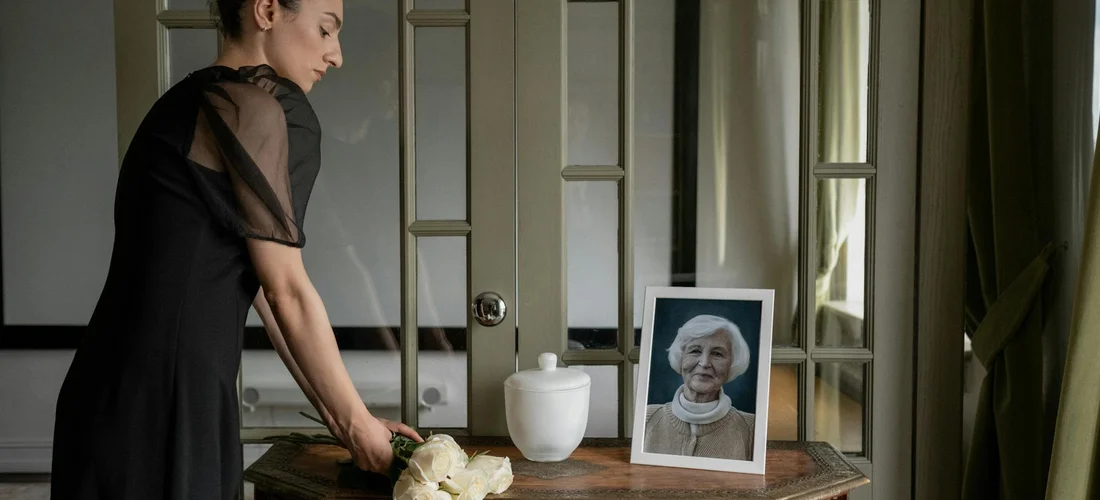
How you lay a loved one to rest is often guided by faith and tradition. These customs carry a quiet, profound weight. They offer a path forward when the ground beneath you feels unsure.
Understanding these practices is a gesture of respect. It honors a life lived within a particular belief. Here is guidance for some common faith traditions.
Views from Major Faith Traditions
The Catholic Church permits cremation, but it prefers that ashes be buried or placed in a sacred space like a columbarium. The Vatican has stated that ashes should not be kept at home, divided among family, or scattered, as these acts can hinder the reverence due to the human body. A burial service brings closure and communal prayer.
In Islam, cremation is strictly forbidden. The faith requires a swift burial of the whole body. If you are arranging services for someone of the Islamic faith, traditional in-ground burial is the only appropriate choice.
Most Eastern Orthodox churches, such as the Greek or Russian Orthodox, also prohibit cremation except in rare circumstances mandated by civil authorities. They require a full-body burial. This topic connects to the orthodox church cremation rules that govern burial practices across jurisdictions.
In contrast, Hinduism strongly encourages cremation, viewing it as a release of the soul. The ashes are typically scattered in a sacred body of water, like the Ganges River. Keeping them at home is generally not the custom.
Many Protestant denominations allow personal choice regarding cremation and the final resting place. Some may encourage burial as a symbol of resurrection, but keeping ashes at home is often accepted. It is wise to consult with the family’s specific church or pastor, especially when considering religious perspectives on cremation.
Respectfully Inquiring About Beliefs
You may not know the specific wishes of the deceased. That is a common and understandable part of grief. The kindest approach is to ask with a gentle heart.
Speak with immediate family or close friends first. You might say, “I want to honor their memory in the way they would have wanted. Did they ever mention any religious preferences or wishes for their ashes?”
Look for clues in their personal documents, like a will or funeral plan. Consulting with their religious leader, if they had one, can provide clear direction. When in doubt, choosing a respectful burial in a consecrated ground is almost universally seen as a dignified and safe choice.
How Customs Shape the Service
These traditions do more than provide rules. They shape the entire atmosphere of the farewell. A Catholic committal will include specific prayers at the graveside. A Hindu scattering may involve mantras recited near flowing water.
The location is directly chosen by custom. A columbarium niche, a family plot in a cemetery, a sacred river, or even the roots of a tree on private land each hold different meanings. The ritual gives the act of burial its deeper significance, transforming it from a simple task into a holy moment.
Your awareness of these customs allows you to create a service that feels complete. It wraps the practical act of burial in layers of love, memory, and shared belief. That is the truest form of proper etiquette.
Planning a Graveside or Interment Service
A service for ashes is often quiet and intimate. It gathers loved ones in a final act of care.
I have found that a simple flow works best. You might start by welcoming everyone to the graveside or garden.
A celebrant, clergy member, or a family friend can offer opening words. This sets a tone of reverence.
These services commonly include a few heartfelt elements.
- A reading, such as a favorite poem or a passage from scripture.
- Music, whether from a single instrument or a recorded song that was cherished.
- A shared moment of silence for private reflection or prayer.
Family members often speak, sharing a brief memory or a thank you. It is a gift to hear someone’s voice honor a life.
The celebrant or clergy guides these moments. They ensure the service feels complete and respectful.
How Should the Urn Be Handled and Presented?
Carry the urn with both hands, close to your body. This shows care and provides stability.
Transport it in a secure place, like on a car seat with a seatbelt. I always advise holding it during the drive if possible.
Placing the urn at the site is a central part of the ritual. Set it gently on a small table or stand before the service begins.
Choosing who carries or lowers the urn can be deeply meaningful. A spouse, a child, or a closest friend might take this role.
It is a physical act of love and farewell. I have seen it bring a sense of peace to the person doing it.
For burial, you can transfer the ashes into a biodegradable container. These are made from materials like paper, sand, or untreated wood. These are preferred when disposing of cremated remains in an environmentally friendly manner.
This allows the ashes to return naturally to the earth. It is a gentle option many families choose.
Note on Etiquette for Attendees and Family
Your presence is the most meaningful offering you can bring. The etiquette for this type of service is often more flexible than a traditional burial, but a focus on respect and support remains the same.
What to Say and What to Wear
Finding words can feel impossible. You do not need a perfect speech. A simple, sincere phrase like “I’m so sorry for your loss” or “I’m thinking of you” carries immense weight. It is perfectly acceptable to listen more than you speak.
Your quiet presence often speaks louder than any words you could find.
Dress as you would for any formal occasion to show respect. For an outdoor interment, choose attire that is both respectful and practical for the weather and terrain. Dark or subdued colors are traditional, but neat, clean clothing in any color is generally appropriate if the family has not specified otherwise.
The Emotional Tone and Moments of Grief
The mood can range from deeply solemn to quietly reflective. There may be tears, or there may be long stretches of silence. Allow the family to set this tone and follow their lead.
Grief is unpredictable and does not follow a script. A family member might become overwhelmed, or someone may share a memory that brings a moment of lightness. Both are natural. Your role is not to fix the sadness but to be a steady, compassionate witness to it.
There is no wrong way to feel during a service like this, only a gentle way to be there for others. If you feel moved to cry, do so. If you need to be still and quiet, that is also right.
Tokens, Flowers, and Small Offerings
Whether to bring a small token depends greatly on the family’s wishes. For some services, placing a single flower on the urn or into the grave is a beautiful, shared ritual. For others, the focus is purely on the words spoken.
If you are unsure, it is always kind to ask a close family member or the funeral director beforehand. A handwritten note expressing your sympathy or a donation made in the person’s name is always a fitting tribute if you wish to bring something tangible. Observing funeral gift ideas etiquette can help ensure your gesture is appropriate. If you’re unsure, the next steps offer practical guidance on suitable gifts.
When in doubt, a heartfelt gesture is never out of place, but checking first ensures your kindness aligns with the family’s vision for the day.
Dignified Alternative Options to Burial
Burial is a respected tradition, but it does not suit every family or every heart. Many find deep comfort in other paths, such as cremation. These alternatives can feel more intimate, more aligned with a life well-lived.
I have sat with families who needed a different way to honor their person. Their choices often reflect a desire for closeness, for a tribute that moves with them.
Keeping Ashes at Home in a Chosen Urn
Choosing to keep ashes at home brings a quiet, daily presence. The urn becomes a focal point for memory, a tangible anchor in your space. You might place it where light falls in the morning, or near a favorite chair.
Selecting the urn is a personal act. Consider materials like polished wood, ceramic, or stone. The right urn feels like a reflection of the person, not just a container. I remember a daughter who chose a blue-glazed vase for her mother; it held the same calm strength.
This choice allows for private moments of connection. You can speak to them, or simply feel their nearness. It is a gentle way to weave remembrance into the fabric of daily life.
Scattering in a Meaningful, Legal Location
Scattering offers a sense of release and return. The act itself can be a ceremony, a final gift to a beloved place. Think of a hillside where you picnicked, or a river that brought peace.
Always verify the legality of your chosen spot first. Public parks, private land, and bodies of water all have different rules. Securing permission is a fundamental act of respect, for the law and for the land itself. A quick call to a local authority can prevent heartache later.
When you scatter, let the moment be slow. Feel the weight of the ashes in your hand, then let them go. Watch how they join the air or water. It is not an end, but a transformation you can witness.
Turning Ashes into Memorial Glass, Reefs, or Other Permanent Forms
Technology and artistry now offer ways to weave ashes into new, lasting forms. These options create a different kind of legacy, one you can see and hold.
Memorial glass is a popular choice. Artisans blend a small amount of ashes into molten glass, creating paperweights, ornaments, or jewelry. Each piece is unique, with swirls and colors that capture light, much like a memory catches in the mind. It becomes a family treasure, passed down with stories.
Another option is incorporation into an artificial reef. Ashes are mixed with concrete to form a reef ball, which is then placed in the ocean. It provides a habitat for sea life. This choice appeals to those who loved the water, offering a quiet, growing monument in the depths.
Other possibilities include having ashes pressed into a vinyl record, or infused into the soil for a memorial tree. Each method transforms remains into something that continues to participate in the world. They are answers to the human need for a permanent, visible touchstone.
Common Mistakes to Avoid
In the quiet fog of grief, practical details can feel overwhelming. It is easy to overlook a simple step, which can lead to more heartache later. Being aware of a few common oversights can help your plans proceed with the peace and dignity you seek.
Not Checking Local Rules
One of the most significant missteps is assuming you have permission. The regulations for burying cremated remains vary widely. A city cemetery, a rural churchyard, and a public forest all operate under different rules.
I have seen families arrive at a beloved spot, only to learn burial is prohibited. The disappointment in that moment is profound. Always contact the property owner or governing authority first to understand any restrictions or required permits. This one phone call can spare you a great deal of distress.
Choosing the Wrong Urn for Ground Burial
The urn you keep on your mantle and the urn you bury are not the same. Many beautiful urns are made of wood, paper, or thin metal, designed for display, not for the earth.
Ground burial subjects an urn to constant moisture and soil pressure. A non-durable container will eventually break down. For a permanent burial, select an urn specifically rated for ground interment, typically made of solid metal, ceramic, or sealed stone. It is a final act of care, ensuring a secure resting place.
Failing to Talk with Family
Grief moves through each person differently. What feels like a perfect plan to you might feel wrong to a sibling or a child. Making decisions in isolation can unintentionally create lasting conflict.
A shared loss deserves a shared conversation, however difficult. Gathering key family members to discuss wishes and options, even briefly, can prevent misunderstandings and honor everyone’s need to participate. This step is not about consensus, but about compassion and clear communication.
Compassionate Answers to Common Questions
What permissions or permits are needed to bury ashes?
For a cemetery, the office will manage all necessary permits as part of your purchase. For private property or public land, you must contact the local town or county clerk to secure the proper authorization, which honors both the law and the memory.
Is a burial container or urn vault always required?
Most cemeteries require a protective urn vault to prevent the ground from settling and to safeguard the urn. This is a standard practice for long-term care, but always confirm the specific rules with your chosen location.
How should the urn be respectfully handled during the service?
Carry the urn with both hands, close to your body, as a sign of care and stability. During the ceremony, it is often placed on a small stand or table before being gently lowered into its final resting place.
Parting Reflections on Burying Cremated Ashes
When burying cremated ashes, let respect for the deceased and their wishes be your guiding principle. This simple act of care ensures the burial feels meaningful and right for everyone involved.
Choosing dignified care often includes eco-friendly options that honor both person and planet. Your ongoing attention to Funeral Care, Funeral Needs, and Funeral Questions fosters a sense of preparedness and peace.
Emiliana Dieter
Emiliana is an author at The Valedictory. She is an experienced funeral care advisor and arranged and organized many funerals as part of her end of life consulting services. She has over 8+ years in the funeral industry managing her family funeral business and helping families cope with the loss of their loved ones. Her articles answer any and all questions you might have regarding funeral arrangements, costs, preparations, etc so you can make this a seamless experience.