
Buying or Reserving a Burial Plot in Advance: A Gentle, Step-by-Step Guide
Thinking about your final resting place can feel solemn, but planning ahead is a caring gesture for those you love.
This article provides clear, step-by-step advice to help you make this decision with peace of mind. I will guide you through understanding your options, researching cemeteries, comparing costs and plot types, navigating legal details, and finally making your reservation or purchase.
Key Takeaways: Peace of Mind Through Planning
Thinking about your final resting place can feel heavy. I understand that quiet weight. It brings thoughts of mortality, of loved ones, of legacy.
Yet, making this choice now is one of the clearest acts of love you can offer. It transforms uncertainty into a known plan. By taking these steps today, you lift a profound logistical and emotional burden from your family’s shoulders tomorrow.
The process rests on a few clear decisions. You will choose a meaningful location, understand the true costs, and secure your wishes in writing. Each step brings you closer to peace of mind.
This guide will walk with you through each part. We will move slowly, with care, and with respect for the significance of your choice.
Quick Snapshot: Burial Plot Options and Costs
Knowing your options helps ground your decision. Prices feel in the thousands, but vary widely by city, cemetery, and even the plot’s position on the grounds.
| Plot Type | Description | Price Range (Varies Widely) | Services Often Included |
|---|---|---|---|
| Single Plot | For one casket. The most common and often most economical choice. | $1,000 – $4,000+ | Perpetual care fund contribution, opening and closing service. |
| Companion (Double) Plot | Side-by-side spaces for two caskets, typically for spouses or partners. | $2,000 – $8,000+ | Perpetual care fund contribution, two opening and closing services. |
| Lawn Crypt | A pre-installed concrete vault or liner underground. It simplifies burial and may aid with drainage. | $4,000 – $10,000+ | Crypt itself, perpetual care, opening and closing. |
| Mausoleum Crypt | An above-ground space in a communal building. It is an alternative to in-ground burial. | $5,000 – $20,000+ | Perpetual care, entombment service, building maintenance. |
Remember, the listed price is usually just for the land itself. You must also budget for the grave marker, the burial vault (often required), and the monument installation fee. A rural cemetery will differ from a historic urban one, just as a garden section costs less than a shady hill under an old oak. For those considering green traditional burial, eco-friendly options can affect overall cost in ways that simple land price does not. A green traditional burial cost comparison will help you weigh green choices against conventional ones.
Understanding Burial Plots: Ownership, Leasing, and Pre-Purchase
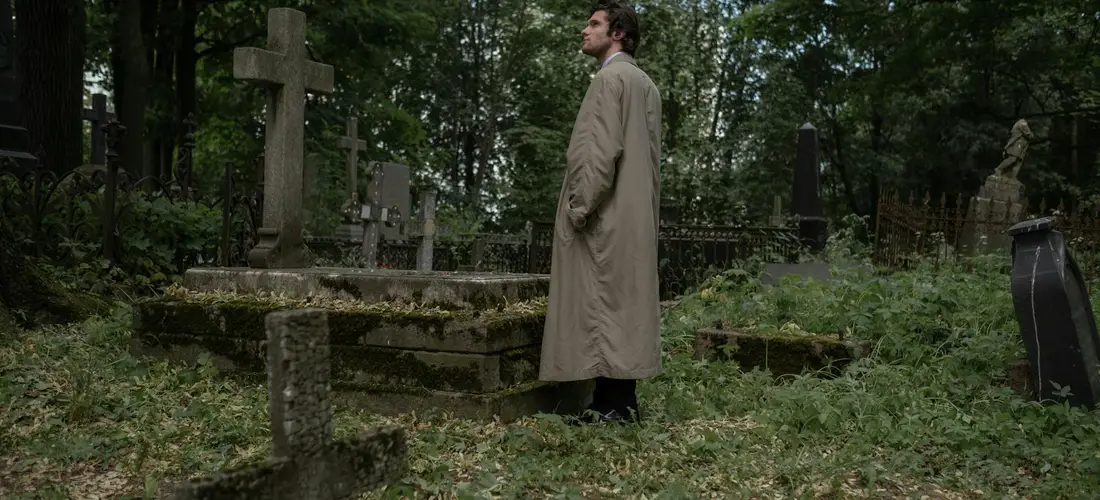
A burial plot is a specific, marked space of earth in a cemetery. It is the designated location for a person’s interment, their final physical resting place. Cemetery plot burial regulations govern how the plot is used, including who may inter, what memorials are allowed, and how the area is maintained. These rules can vary by cemetery and jurisdiction.
When people ask if burial plots are leased or owned, the answer is nuanced; you are usually purchasing interment rights, not the land itself. This legal right grants you or your designee permission to use that plot for burial, as governed by the cemetery’s rules.
You can, without question, buy a burial plot before you die. This is commonly called a “pre-need” purchase.
Making this choice ahead of time offers a quiet comfort. It lifts a practical burden from your loved ones and allows you to select a spot that feels truly right to you.
What Does It Mean to Reserve a Plot?
Reserving a plot is different from buying it outright. Buying involves full payment and the transfer of interment rights. Reserving often means placing a deposit to hold a specific plot for a set period.
Reserving can be a wise middle ground if your plans are not yet firm, perhaps due to an upcoming move or family discussion. It gives you time to be certain without losing a preferred location.
Remember, every cemetery sets its own rules on reservations. Some may allow it for months, others for years, so always ask for the specific terms.
Your Step-by-Step Guide to Purchasing a Plot Ahead of Time
This process does not need to feel overwhelming. I have found it helpful to think of it in four clear, separate stages. You can move through them at your own pace.
1. Reflect on Your Personal Wishes and Needs
Begin quietly with your own heart. Consider the setting you imagine. Do you prefer a sprawling lawn under open sky or a shaded, tree lined section?
Think about the type of cemetery. A religious affiliated one, a public municipal cemetery, or a private garden style park each have a different feel and cost structure. Also, consider if you want a single plot or a companion plot for a spouse.
There is no clock ticking on this decision. It is a personal choice, and taking your time is a sign of respect for yourself and your future.
2. Research and Visit Potential Cemeteries
Lists online are a start, but a personal visit tells you so much more. Walk the grounds. Notice the upkeep of the grass and the condition of the headstones. Listen to the sounds of the place, the wind in the trees or the distant city hum.
Talk to the cemetery staff. I always advise asking direct questions about plot availability, their specific rules on monuments, and what their perpetual care fund covers. To compare options and prices effectively, look beyond the plot cost alone; ask for a detailed list of all potential fees. Also, take into account the burial plot cost region you’re in, since prices can vary by area and cemetery. This includes the opening and closing service fee, which is often required upfront or later.
3. Understand the Full Financial Picture
The price you see is rarely the full price. A complete cost breakdown typically includes the plot itself, a non refundable fee for opening and closing the grave, and a contribution to the cemetery’s perpetual care fund for long term maintenance. When reviewing burial plot cost pricing, look for a clear breakdown that makes it easy to compare quotes. It helps if the quote links to explanations of each item.
Payment options vary. Many cemeteries offer a lump sum payment, payment plans over several years, or financing through a third party. Yes, you can often finance a burial plot purchase, much like other significant life plans. Be sure to review all terms for interest rates or penalties.
4. Review and Secure the Necessary Paperwork
Once you select a plot, you will receive documents. The key ones are the contract for interment rights, the deed specifying your plot, and any payment agreement you sign.
Read every line of these papers carefully before you sign. They are the legal record of your wishes and your agreement with the cemetery. Ask about anything you do not understand.
Keep copies in a safe, known place, like with your will or other important documents. This simple act ensures your plans are clear and protected.
Reserving a Plot: A Flexible Alternative to Buying

Yes, you can reserve a burial plot. I have helped many families use this option when they need time to think. It is like saving a seat at a quiet gathering, holding a space while you consider your final plans. It especially helps when you want to choose the right type of burial plot that suits your needs.
The process is straightforward. You visit the cemetery or call them to express your interest in a specific plot. They will often walk the grounds with you, the grass soft underfoot, pointing out peaceful spots under old trees.
You then complete a simple form and pay a reservation fee. This fee varies but is commonly a few hundred dollars. The reservation typically lasts for 30 to 90 days, giving you a defined period to make your decision without pressure.
Understand that this is a hold, not a purchase. The fee is usually non-refundable, but it is almost always applied toward the full purchase price if you decide to buy. To convert a reservation to a purchase, you simply return to sign the formal contract and settle the remaining balance.
I see reservations as a gesture of care for your future self. It lifts the immediate burden, allowing you to focus on what matters most.
Navigating Paperwork, Payments, and Protections

The formal documents can feel daunting. I remember my own first time reviewing a cemetery contract, the pages seeming so heavy. Let me guide you through this with clarity. The staff are there to help, and every question you have is valid.
Ensuring Your Wishes Are Legally Sound
Your purchase contract is the key legal document. It spells out exactly who has the right to be interred in the plot. It also details the cemetery’s specific regulations, like the type of monument allowed or visitation hours. Understanding funeral planning legal rights helps you designate who can make decisions and ensure your wishes are enforceable. This awareness guides the next steps in the planning process.
How do you ensure your burial plot wishes are legally documented? The answer lies in two places: your signed, witnessed contract with the cemetery and a clear mention of your plans in your last will and testament. Together, they create a strong record of your intent.
Life changes, and so might your needs. Most cemeteries allow you to transfer or resell a plot, but you must follow their process. They often have a right of first refusal or require their approval for any transfer. Always ask about this when you buy.
What Happens If the Cemetery Closes?
This worry has crossed the minds of nearly everyone I’ve advised. It is a natural concern, rooted in a desire for permanence. Let me offer some reassurance.
When you buy a plot, a portion of your payment goes into a perpetual care fund. This money is protected by state law to maintain the grounds indefinitely. These funds and laws are designed to ensure care continues, even if the cemetery’s ownership changes or it closes to new burials.
I encourage you to ask the cemetery representative directly about their perpetual care trust. Hearing the answer can bring great peace. While a full closure is rare, it is a managed event, and your rights to the plot are safeguarded.
Common Mistakes to Avoid for a Smooth Process
-
Always visit the cemetery in person before you commit to a plot. A photograph cannot convey the feeling of a place. Walk the grounds yourself. Notice the quality of the light, the sound of the wind in the trees, and the overall sense of peace. I have seen relief wash over people when they find a spot that simply feels right.
-
Read the entire contract carefully, even the small print. This document outlines your rights, any usage restrictions, and the cemetery’s responsibilities. If a term is unclear, ask for an explanation in plain language. Rushing through this step can lead to misunderstandings later.
-
Ask for a detailed, written breakdown of all potential fees. The plot price is often just the beginning. You may encounter separate charges for perpetual care, the opening and closing of the grave, or a marker foundation. Knowing the full cost now prevents painful surprises for your family, especially when compared to other high funeral costs.
-
Tell at least one trusted person about your plans and where you keep the paperwork. This act of sharing is a profound kindness. It spares your loved ones from searching and guessing during a time of grief. It ensures your thoughtful preparations are honored.
-
Do not feel you must make a decision during your first meeting. It is normal to need time to reflect on such a meaningful choice. A respectful advisor will understand if you request a few days. This is your decision, and it deserves your full consideration.
Frequently Asked Questions
How can I emotionally prepare for choosing my own burial plot?
It’s natural for this decision to feel weighty. Please remember that taking this step is a proactive act of care that can ultimately bring you and your family great peace.
Beyond price, what are the most important factors in choosing a cemetery?
Focus on the cemetery’s atmosphere, long-term maintenance standards, and its specific rules that align with your wishes. A personal visit is the best way to assess if the environment feels right for you and your loved ones.
How do I ensure my chosen plot will be protected and used as I intend?
Your protection comes from a clear, signed contract with the cemetery and by informing your executor or a trusted family member of your plans. State-regulated perpetual care funds also provide long-term security for the grounds themselves.
Parting Reflections on Advance Planning
The most important step is to begin this process with honest conversation and careful reflection on your wishes. By taking action now, you provide a lasting gift of guidance and peace to your family.
Responsible Funeral Care embraces choices that ensure dignified, personalized rest, including gentle options for the earth. Please continue to explore your Funeral Needs and Funeral Questions with kindness, as each decision is an act of love.
Emiliana Dieter
Emiliana is an author at The Valedictory. She is an experienced funeral care advisor and arranged and organized many funerals as part of her end of life consulting services. She has over 8+ years in the funeral industry managing her family funeral business and helping families cope with the loss of their loved ones. Her articles answer any and all questions you might have regarding funeral arrangements, costs, preparations, etc so you can make this a seamless experience.