
Funeral Committal Services Explained: Burial vs. Cremation and Planning Personal Tributes
You might be facing funeral planning with a heavy heart, unsure what a committal service means or how to choose between burial and cremation.
I will guide you through these decisions with care. This article will explore:
- The role and meaning of funeral committal services
- Clear definitions to understand burial versus cremation
- Practical steps for planning a service that honors a life, whether meaningful or minimalist
Key Takeaways: A Gentle Guide for Your First Steps
Let’s start by gently defining the terms you may be hearing. A funeral committal service is a final, intimate farewell. It happens at the graveside, crematorium, or columbarium. It is the moment when we commit a person’s physical remains to their final resting place.
This moment is often separate from a funeral or memorial service, which is usually held earlier. The committal is quieter, simpler. It provides a powerful sense of closure for those present.
Choosing between burial and cremation is a personal decision. Both are deeply dignified ways to honor a life. Your choice will guide the practical steps that follow, from selecting a casket to considering a final resting place for ashes.
There is no right or wrong choice, only the choice that feels most comforting and fitting for your loved one and your family.
A meaningful service does not require a large gathering or elaborate details. It simply needs to feel true. A minimalist service, with just a few people sharing a few words, can be just as powerful and respectful as a larger event.
Meaning is found in sincerity, not in scale. A single song, a favorite poem, or a moment of shared silence can hold all the reverence you need.
Planning any of this while carrying grief is incredibly difficult. Your mind feels scattered. Making clear decisions can seem impossible. Please be patient with yourself.
This guide is here to walk beside you. Use it to understand your options when you are ready. You do not have to figure it all out at once.
Quick Snapshot: Comparing Core Service Paths
To help visualize the common paths families take, here is a simple comparison. Costs are national averages and can vary widely based on your location and the funeral home you choose.
View this table as a starting point for your own conversation with a trusted funeral director.
| Service Type | Typical Cost Range | Key Features | Best For |
| Traditional Burial | $7,000 – $12,000+ | Includes embalming, viewing/visitation, a formal funeral service, and a graveside committal. Requires a casket and cemetery plot. | Families seeking a formal, multi-event structure for saying goodbye with the body present. |
| Direct Burial | $1,500 – $4,000 | The body is buried shortly after death, without embalming or a public viewing. A simple graveside committal service is still possible. | Those wanting a simple, prompt burial, often for personal, religious, or budgetary reasons. |
| Cremation with Service | $3,000 – $7,000+ | The body is cremated after a funeral or memorial service where the body or urn is present. Allows for flexibility in timing and location of the service. | Families who want a traditional service structure but prefer cremation as the final disposition. |
| Direct Cremation | $700 – $3,000 | The simplest option. The body is cremated shortly after death, with no formal service beforehand. A memorial or ash scattering can be held separately, anytime. | Those prioritizing simplicity, lower cost, or who wish to plan a personalized memorial event later. |
Remember, these are general pathways. A good funeral director will help you blend elements to create something that feels uniquely right. You can have a direct cremation followed by a meaningful memorial picnic months later. You can choose a direct burial with a brief, beautiful committal. The choice is yours, especially when planning funeral arrangements.
What Is a Funeral Committal Service?
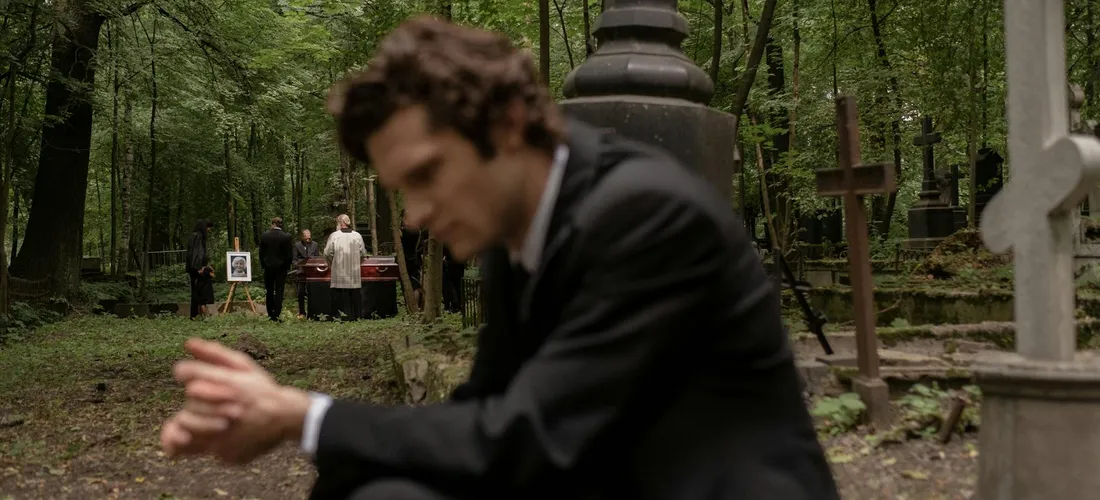
A funeral committal service is the final act of farewell. It is the moment when the physical remains are committed, or entrusted, to their final resting place.
Think of the funeral as the complete ceremony of remembrance. The committal is its concluding chapter, the specific act that makes the loss feel real and final.
This service is usually optional, yet many families find it vital for closure. Witnessing that final physical transition can help the heart begin to accept what the mind already knows.
Physically, it involves one of a few actions. A casket may be lowered into the earth. A crypt in a mausoleum may be sealed. An urn may be placed into a niche or buried in a smaller plot.
The Heart of the Goodbye: Committal Traditions and Rituals
Religious traditions offer structure for this moment. In Christian services, a priest may say committal prayers as earth is cast. Jewish tradition involves family members shoveling soil onto the casket. Buddhist or Hindu rites may include chanting or the lighting of incense.
Secular or personal rituals hold equal power. You might share a final memory, place a single flower, or observe a collective moment of silence. The most meaningful ritual is the one that feels true to the life being honored.
A beautiful funeral is not about grandeur. It is found in these genuine, personalized moments of connection, not in empty pomp.
You can create a visual tribute with a funeral of flowers. Invite guests to each bring a bloom to place during the committal, building a collective, living wreath of remembrance.
Burial vs. Cremation: Understanding Your Options
Burial is the interment of the whole body. This typically happens in a cemetery plot in the ground or within a mausoleum building.
Cremation uses heat to reduce the body to bone fragments, which are then processed into a fine ash, often called cremated remains.
Entombment is a form of burial where the casket is placed above ground inside a mausoleum crypt. It offers a permanent, sheltered site for visitation.
Choosing Between Burial and Cremation
Your choice often balances several practical factors. Consider cost, family traditions, religious guidelines, environmental concerns, and the desire for future flexibility.
Before burial, a body is often embalmed and placed in a casket. For cremation, the body is simply placed into a combustible container. Direct cremation skips any preceding service.
Emotionally, a burial plot provides a fixed, physical location for grief-a permanent place to visit. Cremated ashes offer portability, allowing families to keep, scatter, or divide them in ways that feel comforting.
References to ideas like a black rose burial point to a deep human need. They represent the desire to weave personal symbols, however unique, into the ritual.
How to Plan a Meaningful Funeral Service
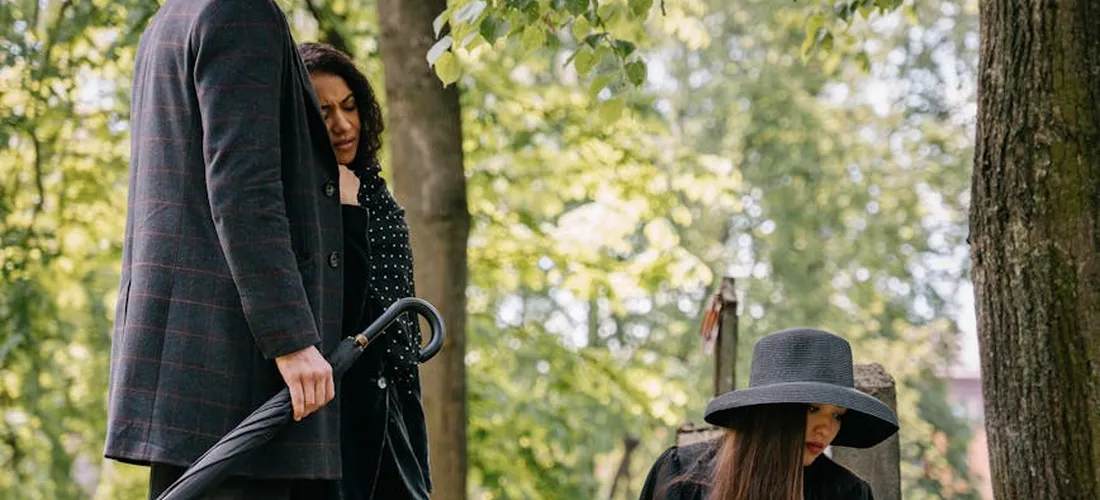
A meaningful funeral service reflects the unique person it honors. It weaves together their life story, core values, and the relationships they cherished.
Think of it as a final, loving portrait created with sound and memory.
Core elements act as the colors for this portrait. Music sets a heartfelt tone, from a favorite hymn to a cherished song. Readings can include poems, letters, or passages that resonated with them. Eulogies offer spoken memories, giving voice to loss and love. Visual displays, like a photo board or a memory table with personal items, invite quiet reflection.
These elements become powerful when they feel connected to the person, not just routine.
Personalization makes the service truly theirs. You might choose a theme from their hobby, like displaying gardening tools or favorite books. Incorporate their preferred colors in flowers or clothing. Encourage guests to share a specific, fond memory during a moment of remembrance.
In stories like “A Beautiful Funeral,” we see how a farewell can lay bare the complex bonds of family. A meaningful service seeks that same honest depth, acknowledging both joy and sorrow.
Working with a Funeral Home to Create a Tribute
Choosing the right funeral home is a crucial first step. Look for one known for compassion and transparency. A good home will listen more than it speaks, especially in your first meetings. To guide your search, make a short list of candidates and compare what they offer and how transparently they communicate. This careful approach will help you choose a funeral home with confidence.
Your funeral director should feel like a steady, knowledgeable guide, not a salesperson.
Their role is to navigate the practical details so you can focus on remembrance. They handle logistics, legal forms, and coordinate with cemeteries or crematories, all while respecting your pace and wishes.
Come prepared with questions to ensure clarity and comfort. This helps build trust during a difficult time.
- Can you provide a detailed, itemized price list for all services and merchandise?
- What is included in your standard packages, and what are the á la carte options?
- How do you accommodate personalization or unique cultural or religious requests?
- What is your process for handling the deceased with care and dignity?
How to Plan a Simple, Minimalist Funeral Service
A minimalist service is focused and intentional. It strips away excess to center on essential acts of love and farewell. This approach is often smaller in scale, but it is never lesser in love or respect.
Choosing simplicity can be a profound act of honoring true wishes or current realities.
This path makes sense for various reasons. Budget constraints may lead a family to seek affordable dignity. The deceased might have explicitly wanted no fuss. Sometimes, a family’s need for privacy or a direct, uncluttered goodbye guides the choice.
Reducing Cost Without Losing Dignity
Dignity is found in heartfelt intention, not in price tags. You can simplify arrangements significantly while preserving deep meaning.
Consider direct cremation or immediate burial, which forgoes the formal service for a later, private gathering. Host a remembrance at a family home or a cherished community space. A potluck reception can foster togetherness and shared burden.
Meaningful alternatives often cost little but add profound personal touch.
Set up a station with cards for guests to write letters to the deceased or the family. Use a carefully curated playlist instead of hiring a live musician. Share a digital obituary or memory page for those who cannot attend in person.
I have seen simple services filled with such genuine intimacy. They hold a quiet, beautiful honesty that large gatherings sometimes miss. It is in the shared silence, the single story told perfectly, the hand held tightly.
Alternative Options: Celebrations of Life and Green Burials
Not everyone finds solace in a traditional funeral structure. If the formality feels too heavy or doesn’t reflect the person’s spirit, other paths exist that are equally respectful.
A celebration of life is often held weeks or even months after the death. This gathering focuses less on loss and more on honoring a unique personality through shared stories, music, and favorite foods. It might be held in a backyard, a community hall, or a favorite park. The tone is usually lighter, allowing space for laughter alongside tears.
Green burial, or natural burial, is a return to simpler practices. The body is not embalmed with chemicals and is placed in a biodegradable shroud or casket. It is buried in a natural setting without a concrete vault, allowing for natural decomposition. This choice is rooted in a desire to minimize environmental impact and return to the earth gently. Dedicated green burial preserves land in its natural state, often without traditional headstones. These practices align with eco-friendly memorial options that honor loved ones while protecting natural resources. Green burials offer a gentle, sustainable path for those seeking a closer connection with the earth.
Many families now choose a hybrid approach. They may hold a small, private committal service immediately after death. Later, they plan a larger memorial or celebration of life when more people can gather. This separates the logistical necessity from the communal remembrance. These alternatives are not lesser; they are valid, dignified choices for those seeking a different kind of farewell.
Addressing Common Practical and Financial Concerns
The financial aspect of funerals can be a profound source of anxiety during grief. It is okay to feel overwhelmed. The first step is understanding where costs come from. There are resources that address high funeral costs and how to navigate them. A high funeral costs guide can help you compare options and plan within your budget.
Typical funeral home charges include professional services, transportation, preparation of the body, and facilities for a service. A casket or urn, a cemetery plot, a burial vault, and a headstone are separate, significant expenses. Cremation costs less than traditional burial, but there are still fees for the basic service, an urn, and any ceremonies. These funeral costs and expenses can add up quickly.
If these costs seem impossible, please know you have options. You are not obligated to purchase a package or service you cannot afford. Be direct with funeral directors about your budget; they can explain the most affordable path forward, often called a direct disposition.
Consider these potential resources:
- Veterans benefits: The U.S. Department of Veterans Affairs provides burial allowances and a grave marker at no cost for eligible veterans.
- Charitable organizations: Some faith groups or community charities offer assistance to members in need.
- Crowdfunding: Online platforms allow friends and family to contribute directly to funeral expenses.
A direct cremation or burial, with no formal service, is the most economical choice. You can then host a simple potluck gathering at home or in a public park to remember your loved one. Meaning does not come from a price tag, but from the love and memories shared.
Handling Logistics with Care
In the days following a death, tasks can feel endless. Try to focus on one thing at a time. A funeral director will guide you, but these are the key steps.
You will need to obtain official death certificates, often from the funeral home or vital records office. Order several copies for banks, insurance, and other legal matters. Writing an obituary is a way to formally announce the death and celebrate a life. It can be published in a newspaper or simply shared online. Planning a reception, if you choose to have one, can be as simple as coffee and cookies at the funeral home or a full meal at a hall.
In our connected world, live-streaming a service has become a common consideration. It allows distant relatives and friends to participate in real time. Many funeral homes offer this service for a modest fee. This small modern touch can bring great comfort to those who cannot travel. For families planning ahead, a live stream funeral service can be customized to include virtual tributes. More details will follow in the next steps.
Remember, you do not have to carry this alone. Lean on your funeral director for practical answers. Accept help from friends who offer to bring food or make phone calls. You can handle this, one careful step at a time, and compassionate help is always within reach.
Frequently Asked Questions
Why is a committal service considered important for closure?
A committal service provides a definitive, shared moment of farewell, which can help the heart begin to accept the reality of loss. This physical act of commitment often brings a powerful sense of conclusion to the funeral process.
What is the most important factor in choosing between burial and cremation?
The most important factor is your personal or family values, including religious beliefs, environmental considerations, and the desired nature of a final resting place. Both are dignified choices; the right one aligns with what brings your family the most comfort and peace.
What is the first step in planning a simple, minimalist service?
Start by deciding on the core element of disposition, such as direct cremation or immediate burial, which simplifies the initial logistics. Then, focus on planning a single, heartfelt gathering at a meaningful location, centering on shared memories rather than formalities.
Honoring Your Path in Funeral Services
The heart of planning lies in creating a committal service that feels true to the life being honored, whether you choose burial or cremation. Your most meaningful act is to select a path that brings you comfort and reflects personal values, free from unnecessary pressure.
As you navigate Funeral Care, know that dignified, eco-conscious options exist to meet your Funeral Needs. I gently encourage you to continue exploring Funeral Questions, as informed choices foster peace of mind for you and respect for your loved one.
Emiliana Dieter
Emiliana is an author at The Valedictory. She is an experienced funeral care advisor and arranged and organized many funerals as part of her end of life consulting services. She has over 8+ years in the funeral industry managing her family funeral business and helping families cope with the loss of their loved ones. Her articles answer any and all questions you might have regarding funeral arrangements, costs, preparations, etc so you can make this a seamless experience.