
A Guide to the Funeral Repast: Post-Funeral Meal Traditions and Names Explained
You may be hearing new terms and wondering about customs for gathering after a funeral, and it is normal to feel unsure.
This article will help you navigate the tradition of sharing a meal after a service, including what this gathering is called, its history and purpose, common traditions across cultures, practical considerations for hosting or attending, and thoughtful etiquette for this moment of shared nourishment.
Key Takeaways: Compassion and Clarity in a Time of Grief
First, know this is about comfort, not a complicated event. Your only task is to be present with those who care for you.
A funeral repast is a choice, never an obligation. Families choose this gathering because the simple act of sharing food provides a real, physical comfort when words fall short. In conversations after the service, people often consider post-funeral meal etiquette to ensure the gathering feels respectful and comforting for everyone. Knowing these norms in advance helps guests and hosts navigate the meal with ease and empathy as they support one another in mourning.
The correct term is a funeral repast. You might also hear it called a funeral luncheon, a mercy meal, or simply the gathering after the service.
At its heart, a repast serves two needs: it nourishes the body after a long, draining day and offers solace to the heart through shared presence.
A Moment of Reflection: The Warmth of Shared Silence
From my own experience, I have learned that the most meaningful moments at a repast are often the quiet ones. Sitting beside someone, holding a cup of coffee, with no pressure to speak, can say more than any eloquent phrase.
When friends bring food or help serve, they are offering a tangible form of love. Allowing them to do this is a grace, both for you and for them.
What Is a Funeral Repast? Meaning and Definition
A funeral repast is a shared meal held after the burial or memorial service. It is a time for mourners to come together, often for the first time that day, outside the formal setting of the funeral home or church.
The word is spelled r-e-p-a-s-t. It comes from an old French word meaning “a meal,” and it gently reminds us of this gathering’s fundamental purpose: to break bread together.
Think of the repast as a quiet bridge. It helps you move from the intensity of the funeral service back toward the rhythm of daily life, surrounded by support.
Clearing Up Common Confusion: Repast vs. Repass
Many people understandably write or say “repass.” This is a very common mix-up, and no one will misunderstand your meaning if you use it.
Knowing it is “repast” can be helpful when speaking with funeral directors or searching for information. It connects you to the long tradition of this caring ritual.
The Purpose of a Repast: More Than Just Food

A repast is a shared meal, but its purpose goes much deeper than that. It serves as a gentle container for the raw emotions of the day.
After the formalities of the service, people need a space to simply be together. They can sit quietly, hold a cup of tea, or begin to share a favorite story about the person who has died.
This gathering provides a vital, unstructured time for grief to be witnessed and for memories to be voiced aloud, which is a powerful step in healing.
There is a very practical purpose, too. A funeral day is emotionally and physically draining. People often travel far and may not have eaten.
Providing food and drink is a basic act of care. It offers sustenance and a moment of normalcy in an otherwise disorienting time.
The simple act of eating together can ground people, offering the strength needed to face the hours and days ahead.
When people ask me, “What is the purpose of a repast?” I focus on community. It reaffirms that no one grieves alone.
It is a ritual of continuity. Life, in all its mundane beauty of shared meals and conversation, goes on even amid loss. It shows the bereaved family that their circle of support remains strong.
Do You Have to Have a Repast After a Funeral?
No, you do not. There is no rule or obligation to host a repast.
Some families feel overwhelmed by the thought of organizing another event. Others may prefer complete privacy after the service. Your needs are what matter most.
Your decision should be guided by what will bring you and your closest family the most comfort, not by a sense of duty.
Compassionate alternatives exist. You might choose to have immediate family return home for a quiet, private meal together.
Another option is to briefly receive condolences at the church or funeral home door as people leave the service, then depart. A simple statement from the officiant, such as “The family thanks you for your support and will be departing privately,” gracefully sets this expectation. This aligns with private funeral service etiquette, which emphasizes a quiet, respectful departure. It guides attendees on the appropriate conduct and timing for a discreet farewell.
What feels right for you is the correct choice. There is no wrong way to navigate this difficult day.
Names, Terms, and Cultural Variations
You might wonder, what do you call a luncheon after a funeral? The answer isn’t simple, and that’s okay. This gathering goes by many names, each with its own gentle nuance.
Common terms include funeral luncheon, repast, reception, or simply the meal after the service. The language we use often reflects our community, our faith, or our region. Different cultures and religions have developed unique names and customs for this shared meal, all rooted in the same need for comfort.
Knowing these terms can help you understand an invitation or plan an event with respect. It connects you to a wider human tradition of caring for one another in grief.
Common Alternative Names for a Post-Funeral Meal
You may hear several specific terms. A ‘collation’ often refers to a light meal served after a Catholic funeral mass. The word suggests a simple coming together.
In some Christian communities, it’s called a ‘mercy meal’. This name beautifully frames the gathering as an act of compassion for the grieving family. The food itself is a mercy.
Regional preferences exist, too. In some areas, ‘funeral reception’ is the standard phrase. Elsewhere, ‘funeral luncheon’ is most common, especially if held at midday. Recognizing these names helps you navigate expectations, whether you are hosting or attending.
Specific Cultural and Religious Traditions
These meals are a quiet language of love, spoken differently around the world. In the Jewish tradition, the immediate family returns home after the burial to share a ‘Seudat Havra’ah’, or meal of consolation. This first meal traditionally includes round foods, like eggs or lentils, symbolizing the cycle of life.
In Filipino culture, sharing food after a funeral is a profound act of community. Friends and neighbors will bring dishes to the family’s home for many days. This sustained support ensures the grieving are nourished without having to think of cooking. These acts are part of post-funeral etiquette and broader cultural practices that guide how communities honor the dead. Understanding these norms helps visitors participate respectfully.
In the Southern United States, a potluck-style dinner organized by the church is a cornerstone of care. Tables will be heavy with casseroles, baked ham, and cakes, each dish a tangible offering of sympathy. For many Catholic families, the ‘collation’ in the parish hall provides a quiet space to begin processing loss among familiar faces.
Though the customs vary, the universal theme is unwavering: you are not alone, and your community will hold you up, one shared plate at a time. This gathering, by any name, transforms a house full of mourners back into a circle of support.
Practical Logistics: Hosting, Venue, and Timing
A repast is usually held immediately after the funeral or burial service. This provides a natural transition from the formal rites to a time of informal support. In some cases, it might be held later the same day, especially if travel is involved.
When it comes to hosting, the responsibility most often falls to the immediate family. Yet it is very common for close friends, a religious community, or the funeral home itself to organize and provide the space. The question of where to hold it is answered by considering comfort and capacity.
Typical locations include a family home, a church hall, a community center, or a private room in a restaurant. The best choice balances the need for quiet comfort with the practicalities of feeding a group.
Who Traditionally Hosts and Organizes the Meal?
The immediate family is at the heart of the gathering, but they are seldom expected to manage it alone. Close friends, neighbors, or members of a religious group frequently step forward to handle the details. They may coordinate food, set up the space, or manage the guest book.
If you are grieving, allow others to carry this weight for you. Accepting these offers is not a burden on others; it is a gift they wish to give, a tangible way to show their care when words fall short. I have seen the profound relief on a widow’s face when a friend simply said, “I’ve taken care of the hall. You just need to be there.”
Choosing a Location for the Gathering
The family home holds a deep sense of intimacy and familiarity. It can feel like a soft landing after the starkness of a cemetery. The smells of shared food in a familiar kitchen can be a gentle comfort.
But hosting at home also means cleanup and the presence of guests in your private space during a raw time. A rented venue, like a community hall or a restaurant, offers a clear separation. It provides space for a larger crowd and removes the practical burdens of preparation and cleanup from the family.
Consider the expected number of guests and, most importantly, the emotional capacity of the bereaved. Sometimes, the quiet of home is needed. Other times, the neutral ground of a rented space, where you can leave when you are ready, is the greater kindness.
What Happens at a Repast: Food, Customs, and Distinctions
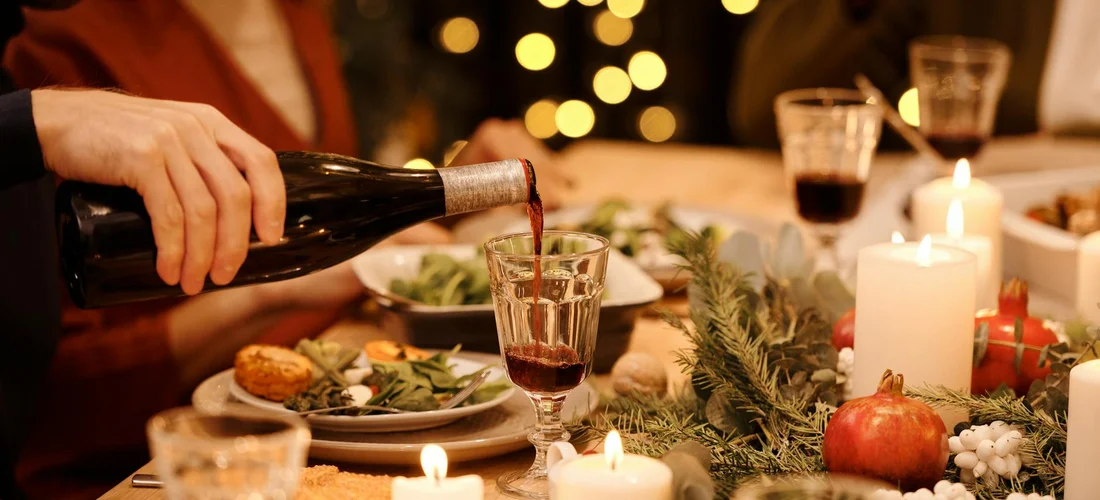
A funeral repast is a quiet gathering centered on shared food. It is not a party, but a gentle pause. Its purpose is simple: to offer comfort through a meal and the presence of others who understand your loss. People find solace in the basic acts of eating and talking together after the formality of the service.
The atmosphere is usually informal and supportive. Guests serve themselves from a buffet, then find a seat at a table or stand in small groups. Conversations are often quiet, filled with remembered stories or offers of help. This shared meal acts as a soft transition from the funeral back into the everyday world.
Typical Foods and Refreshments
The food served is almost always comforting and easy to manage. Think of dishes that can sit on a buffet table, be eaten with one hand, or are simply familiar. The focus is on nourishment, not elaborate presentation.
You will often see foods that friends and family can prepare ahead of time and bring to share. This act of bringing a dish is itself a gesture of care.
- Casseroles and Bakes: Dishes like lasagna, macaroni and cheese, or scalloped potatoes. They are hearty, feed many, and hold their warmth.
- Sandwiches and Rolls: Platters of finger sandwiches, subs cut into sections, or baked ham and biscuits. These are easy to serve and eat.
- Finger Foods: Vegetable trays, fruit platters, cheese and crackers. They require no utensils and offer a light option.
- Desserts: Cakes, pies, cookies, and brownies. A touch of sweetness can feel like a small comfort.
- Drinks: Coffee, tea, water, and soft drinks are staples. Sometimes there is a simple punch.
These foods are chosen because they are practical for a grieving family; they require little last-minute effort and allow everyone, including the bereaved, to eat without fuss.
Repast, Wake, or Visitation? Understanding the Difference
It is common to mix up these terms, but they describe different moments in the funeral process. The key distinction lies in their timing and their focus. This is especially true when comparing memorial services to traditional funerals. Understanding their differences can help families plan more fitting ceremonies.
A wake or visitation typically happens before the funeral service, often the evening prior. The body of the deceased is usually present in a casket. This is a time for a formal, final viewing and to offer condolences directly to the family. The mood is often one of solemn farewell. These pre-funeral events—wakes and visitations are a common way for loved ones to come together before the service. They let people share memories and offer support to the family.
The repast, or reception, happens after the funeral or burial service. The focus shifts from the body to the living. If the wake is the formal goodbye, the repast is the gentle re entry into community. It is a time to share a meal, continue conversations, and offer support in a more relaxed setting. It acknowledges that after saying goodbye, people need to be together and be cared for.
A Note on Etiquette for Guests and Hosts

You might wonder who is invited to a repast. Typically, everyone who attended the funeral service is welcome, unless the family makes a specific request for privacy. This open invitation honors the shared need for comfort after a loss, adhering to post-funeral gathering etiquette.
Knowing what to say can feel difficult. A simple, sincere expression of sympathy is enough. Your genuine words, however brief, carry weight and show you care. For clothing, follow the tone of the service itself; your respectful appearance matters more than strict formality.
Think of how you can help in quiet, practical ways. Focus on offering your calm presence, which often provides more solace than any prepared speech. A kind look or a gentle touch on the arm can communicate support when words fail.
For Guests: The Etiquette of Attendance and Support
Your attendance at the meal is a meaningful act of solidarity. Staying for just a short time is completely acceptable and still conveys your deep support. You do not need to linger for hours to make a difference.
Practical help is a great comfort to a grieving family. You could bring a dish if the hosts have asked, or quietly offer to assist with clearing plates or washing up. These small actions ease the physical burden on a day filled with emotional weight.
For the Bereaved Family: Allowing Yourself to Be Cared For
If you are mourning, I want you to hear this clearly. Your only role during the repast is to be there and to allow others to care for you. It is not your job to host or entertain; it is your time to receive.
Please remember that customs are guides, not rules. You have every right to adapt any tradition to what feels possible for you in this moment. A modest gathering of close friends can fulfill the need for connection just as well as a large event.
Quick Answers to Common Questions About the Repast
How long after the funeral service is a repast held?
It is typically held immediately after the burial or memorial service. This provides a gentle transition for mourners to gather and find comfort together.
Who is responsible for hosting a funeral repast?
While the immediate family is the focus, close friends, faith communities, or the funeral home often handle the hosting. This practical support allows the bereaved to simply be present and receive care, adhering to proper funeral etiquette.
Are there specific cultural or religious traditions for repasts?
Yes, many cultures have distinct customs, such as the Jewish Seudat Havra’ah or Southern church potlucks. These varied traditions all beautifully emphasize community support and shared solace.
Parting Reflections on Funeral Repasts
The heart of a funeral repast is its quiet power to nurture community and offer tangible comfort after loss. Allow this gathering to be a personal tribute, shaped by what feels most supportive for you and your guests. For many, managing grief through a thoughtful funeral service can provide a gentle, structured path forward. It can honor your loved one while helping everyone navigate their feelings and find healing.
Thoughtful Funeral Care embraces dignified, eco-conscious choices that respect both memory and our world. I invite you to keep exploring Funeral Needs and Funeral Questions, as each informed step brings greater peace of mind.
Emiliana Dieter
Emiliana is an author at The Valedictory. She is an experienced funeral care advisor and arranged and organized many funerals as part of her end of life consulting services. She has over 8+ years in the funeral industry managing her family funeral business and helping families cope with the loss of their loved ones. Her articles answer any and all questions you might have regarding funeral arrangements, costs, preparations, etc so you can make this a seamless experience.