
Funeral Seating Etiquette: A Respectful Guide for Family and Guests
Deciding where to sit at a funeral is a common concern, one that touches on respect for the departed and comfort for the living. I have found that a thoughtful arrangement can be a quiet anchor in a sea of grief.
This article will walk you through the customary practices and gentle considerations for seating.
- The traditional front rows reserved for immediate family
- Appropriate seating for extended relatives and close friends
- Considerate etiquette for all attending guests
- How to adapt arrangements for personal or cultural preferences
Key Takeaways for Comfort and Clarity
In my years of service, I have seen how worry over ‘getting it right’ can add to a family’s burden. Please remember, these are gentle guidelines to lean on, not rigid rules that demand perfection. The family’s own wishes for their service always hold the greatest weight.
The tradition of reserved seating serves one central aim. It is to provide the immediate family with a measure of privacy and a physical ring of support in the front rows. This allows them a space for their grief, sheltered from the full gaze of the gathering.
To every guest reading this, I offer a sincere reassurance. What you bring to the service is your presence and your care, and that matters far more than your exact seat. A heartfelt intention from anywhere in the room is a true comfort.
The Heart of the Matter: Why Seating Etiquette Exists
The purpose behind these customs is deeply human. Seating etiquette exists to create a contained space of support and to minimize practical stress for the grieving family. It is a framework built on compassion, not formality.
When loss arrives, everyday order can shatter. A clear, understood seating plan provides a simple sense of structure during a profoundly chaotic and emotional time. It answers one quiet question in a sea of them.
I view this not as a protocol to be mastered. Rather, it is an act of collective care, a quiet way to show respect and uphold dignity for those who mourn. Your participation in this is a gesture of kindness, not a test of social knowledge.
Traditional Seating Arrangements: A Compassionate Guide

Picture a church or chapel. The air is still, carrying the soft scent of flowers. Rows of chairs or pews face forward, a quiet space where grief and love will gather. Knowing where to sit can offer a small anchor in a sea of sorrow.
Where Do Family Sit at a Funeral: The Immediate Family
The first row is reserved for the closest kin. This includes the spouse or partner, children, and the parents of the person who has died. Your place is in the front row, where you can be closest to the service and to each other for support.
You might wonder, what side does the family sit on at a funeral? In many Christian traditions in the UK, the family sits on the left-hand side when facing the altar or front. This custom is not rigid, but it is a common starting point. These seating cues are part of broader funeral customs in religious services. They help visitors participate respectfully and understand the service flow.
If you are the spouse, it is natural to ask, can I sit next to my husband at a funeral? Please do. Sitting together with your partner is not just allowed, it is encouraged, a simple act of shared strength when words fail.
The second row is typically for siblings, grandparents, and other very close family members. I have often seen this row become a quiet circle of shared history and comfort.
Including Extended Family and In Laws
Where do inlaws sit at a funeral? This depends on the family’s closeness. Often, they sit directly behind the immediate family or beside them in the first few rows. The guiding principle is respect for the bonds they shared with the deceased, along with applying common funeral etiquette.
Younger family members, like grandchildren, usually sit with their parents. Where do grandchildren sit at a funeral? They are most comforted by being near their mum or dad in the first or second row, where they feel secure.
Families are complex, and seating can reflect that. It is okay to arrange chairs with sensitivity to relationships, prioritizing peace over protocol on this difficult day.
Seating for Friends, Colleagues, and Other Guests
If you are not family, you might ask, where do you sit at a funeral? As a guest, your role is to be a supportive presence by adhering to supporting mourners funeral etiquette. Small acts of respect, like choosing seats, can ease their burden. Please fill the seats from the middle of the venue toward the back, always leaving the front rows free for the bereaved family.
Move quietly to an available seat. If you are unsure, look for an usher. They are there to guide you with a kind word or a gentle gesture. This simple act helps everything flow with dignity.
A Note on Etiquette for Funeral Guests
Arrive a little early if you can. Enter quietly, speaking in hushed tones. In the UK and elsewhere, following the usher’s direction is a sign of respect for the family and the solemnity of the occasion.
If you arrive late, do not walk to the front. Slip into a seat near an aisle at the very back to cause the least disruption, and the same applies if you must leave early.
For those with mobility issues, please choose an accessible seat without hesitation. Your presence is what matters most, not where you are placed.
Some families hold a vigil, or “sitting up,” the night before. This is a time for quiet reflection, a chance to simply be with the deceased before the formal service. It is an act of love, a final watch kept in gentle company.
Making It Work: Practical Steps for Families
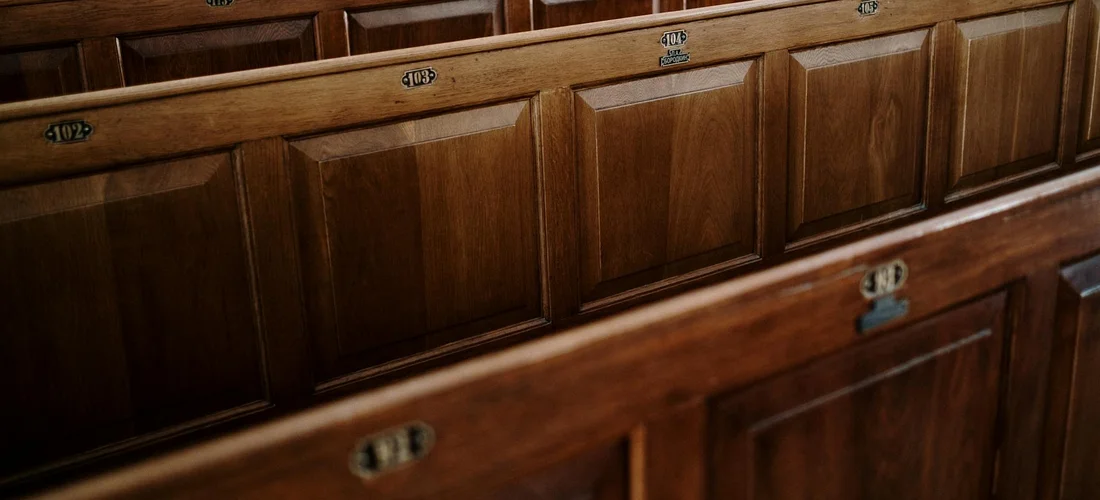
Organizing seating does not need to be a source of extra stress. A few straightforward actions can make the process smooth for everyone.
First, consider asking one or two trusted friends to act as ushers. Their role is simple: to greet guests and guide them to an open seat. This prevents a crowd from forming at the entrance. This mirrors Dutch funeral door traditions that value a calm, orderly entry and quiet respect at the doorway.
Place clear “Reserved for Family” signs on the first two or three rows of seats. This visual cue is instantly understood by guests and saves the immediate family from having to explain.
The immediate family should aim to arrive at the venue at least thirty minutes before the service is scheduled to begin. This allows you to be seated privately, away from the arriving guests, which can feel much more peaceful.
If your family situation is complex-due to divorce, estrangement, or other dynamics-speak with your funeral director beforehand. They have seen it all and can offer discreet, practical solutions, like using separate aisles. Considering funeral-estranged-relative etiquette can help you set respectful boundaries and plan seating. We’ll cover practical etiquette tips for handling estranged relatives in the next steps.
Always remember that kindness and the need for comfort are more important than any rigid rule of tradition. Seating should support mourners, not enforce old divisions. In acknowledging mourners, simple etiquette—such as respectful greetings and mindful seating—helps everyone feel seen. This topic will be addressed in the next steps.
A Personal Perspective: The Chair That Matters Most
I have watched many families navigate this moment. What stays with me is not who sat where according to some chart, but the quiet relief of a sibling reaching for a sister’s hand in the front row.
The focus is the shared weight of grief, not a perfect social arrangement. I have seen estranged relatives share a pew in silence, and that too was a form of respect. It was a reminder that managing grief during a funeral service transcends personal differences.
The most important seat in the room is the one you choose to occupy in order to offer your presence and support. That intention matters far more than any specific location.
Respectful Funeral Seating: Your Questions Answered
What should I do if I arrive late to the service?
Please enter as quietly as possible and take the first available seat at the very back. This minimises disruption and shows respect for the family and the ceremony already in progress.
What is the role of an usher at a funeral?
Ushers are there to discreetly guide guests to appropriate seats, helping everything proceed smoothly. Following their gentle direction is a considerate way to support the grieving family. Ushers also handle program distribution and assist with accessibility needs. These duties are part of the broader roles and responsibilities of funeral ushers.
Are these seating customs different for non-religious or cultural services?
Yes, customs can vary significantly. The family or officiant will often provide guidance, and the core principle remains: follow the lead of the hosts to show respect for their specific traditions.
Parting Reflections on Seating Arrangements and Etiquette
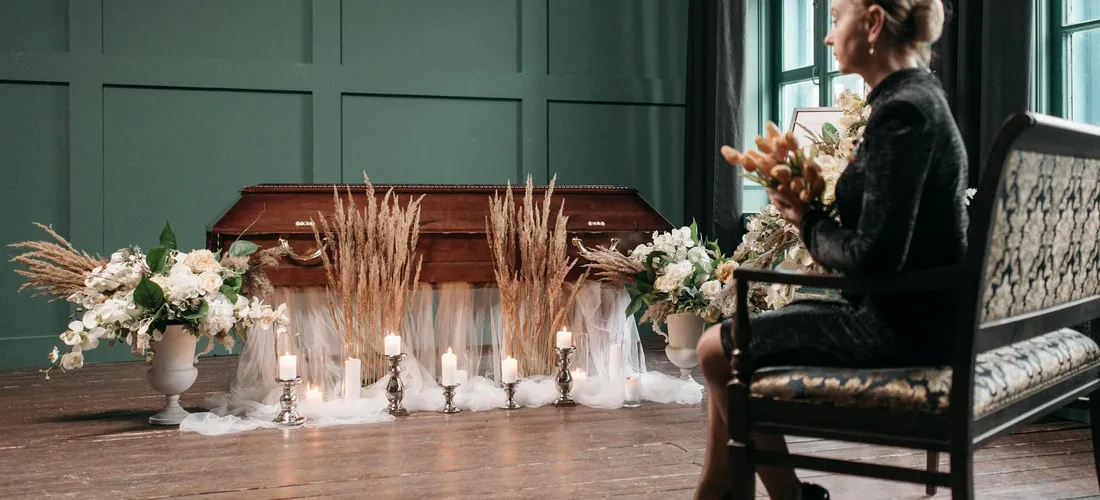
The most vital guidance is to seat immediate family at the front, creating a physical circle of support where they can grieve together. Allow guests to fill the rows behind, their quiet presence offering comfort without expectation.
In all your decisions about Funeral Care, prioritize dignified and gentle choices, including eco-friendly options that respect both memory and earth. Let your journey of learning about Funeral Needs and Funeral Questions be a compassionate path toward healing.
References & External Links
- Funeral Seating Etiquette: Ten Important Rules Everyone Should Know
- Where To Sit At A Funeral Or Memorial Service | Everplans
- Funeral Etiquette: Where to Sit at a Funeral
- The Other Side Of Funerals: Attending a Funeral: The Seating
Emiliana Dieter
Emiliana is an author at The Valedictory. She is an experienced funeral care advisor and arranged and organized many funerals as part of her end of life consulting services. She has over 8+ years in the funeral industry managing her family funeral business and helping families cope with the loss of their loved ones. Her articles answer any and all questions you might have regarding funeral arrangements, costs, preparations, etc so you can make this a seamless experience.