
Respectful Funeral Etiquette: How to Greet and Decline Invitations
When faced with a funeral, you might worry about saying the wrong thing or offending someone in their grief. Your presence, offered with a gentle heart, is a quiet comfort that speaks louder than any perfect phrase.
Drawing from my years supporting families, I will walk you through the nuances of funeral customs. You will learn the proper etiquette for greetings, how to express condolences with sincerity, and the compassionate way to decline an invitation if you cannot attend.
Key Takeaways: Compassion Over Perfection
I have seen many people worry over saying the perfect thing at a funeral. Let me reassure you. Your presence and your sincere intention matter far more than any flawless script.
It is perfectly acceptable to decline a funeral invitation if you have a valid reason, such as illness, distance, or a prior commitment you cannot change. The family will understand that life has its own demands.
Remember, support is not measured only by physical attendance. A heartfelt note, a delivered meal, or a donation in memory can be profound acts of care. Showing you care has many forms.
The Heart of Funeral Greetings: What to Say and Do
Your goal is not to start a conversation. It is to offer a moment of comfort. Think of your words as a gentle touch on the shoulder, not a question requiring an answer.
Keep your phrases simple and brief. Sincerity shines through the plainest language. A few honest words hold more weight than a rehearsed speech.
Phrases like “I’m so sorry for your loss” are standard for a reason. They are a quiet, universal acknowledgment of pain that requires no complicated response from the grieving person. Their power is in their gentle simplicity.
How to Greet the Family at a Funeral or Visitation
Approach with a quiet presence. Make gentle eye contact. If it feels natural, you might offer a light hand on an arm or a brief hug, but always follow the family’s lead.
Here are a few examples of what to say:
- “I am so sorry about [Name]. My thoughts are with you.”
- “It was an honor to know [Name]. I will miss them.”
- “I have no words, but I wanted you to know I am here.”
Generally, avoid questions that begin with “How are you?” or statements that start with “At least…” or “You should…” Using the deceased person’s name, if you can, is a beautiful gift; it acknowledges the unique life being mourned.
A Note on Etiquette: The Unspoken Rules of a Funeral Line
A receiving line has a simple flow. You will move from one family member to the next, offering your condolences to each. It moves steadily, like a quiet river.
Your exchange should be brief and genuine. This is not the moment for a long story, though a single shared memory can be a comfort. Say your piece, listen if they reply, and then move gently along.
If you become overwhelmed with your own emotion, it is okay. You can simply say, “I’m so sorry,” and move on. Your tears are a shared language of loss, not a breach of etiquette. Take a quiet moment for yourself afterward.
Should You Attend? Weighing the Decision
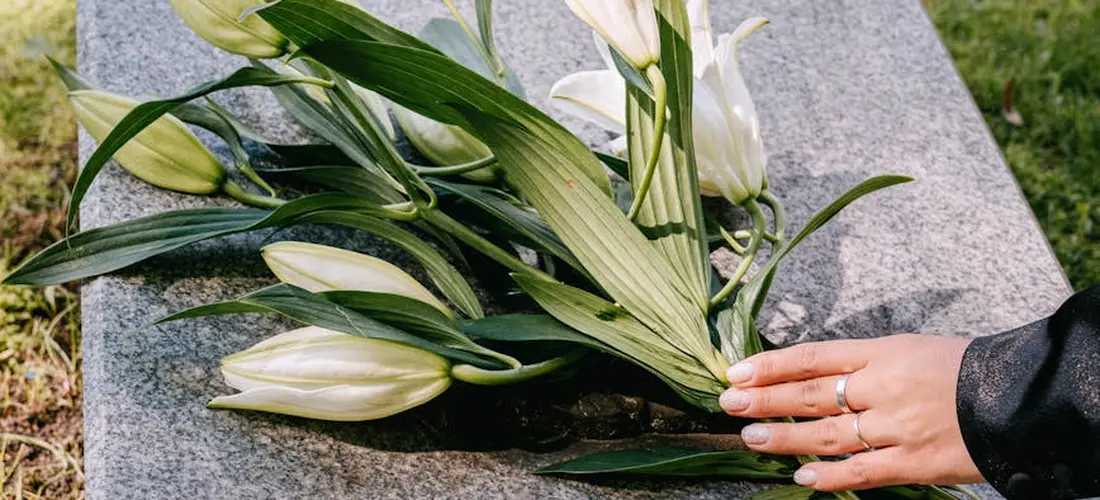
First, please remember this. A funeral invitation is an offer of inclusion, a hand extended in shared grief. It is not a summons or a measure of your love for the person who died. Think of this in the context of death notices and funeral invitations: the wording signals whether you’re invited to share in the farewell. A thoughtful approach keeps the invitation respectful and inviting.
Your presence is a gift. And like any gift, it must be given freely to hold meaning.
There are many valid reasons you might choose not to attend. Perhaps travel is truly impossible, or a health condition makes a public gathering unwise. The relationship may have been distant or complicated. Your own grief might feel too raw to manage in a room full of people.
Any reason rooted in your genuine capacity or well-being is worthy of respect. The heaviness you feel is often not about the choice itself, but about the love and obligation tangled up in it.
Personal Perspective: When Staying Away Is an Act of Love
I once chose not to attend the funeral of a dear friend. My grief was a private, howling thing. I knew that sitting in a chapel, performing the expected role of a mourner, would shatter me. I needed to be quiet with my memories instead.
So, I sent my love ahead of me and stayed home. It was the right, compassionate choice for me at that moment. Your relationship with grief is your own, and sometimes honoring it means being elsewhere. The guilt is normal, but it often fades when you realize you acted from a place of honesty, not neglect.
How to Politely Decline a Funeral Invitation
When you cannot attend, your response becomes your gesture of respect. Frame this as an act of consideration for the family, allowing them to know your intentions clearly. It is not a rejection of them or their loss.
A timely response is a crucial part of funeral etiquette for greetings and regrets. Do not leave the family wondering. As soon as you know you cannot be there, reach out.
Crafting Your ‘Can’t Attend a Funeral’ Message
Keep your message brief, warm, and direct. You can adapt this simple structure for a phone call, a text, or a handwritten note.
- Lead with your condolences: “I was so sorry to hear about Sam’s passing. My heart is with you all.”
- State your inability to attend simply: “Unfortunately, I will not be able to attend the service on Friday.” You do not need to provide a detailed, potentially burdensome explanation.
- Reiterate your care and connection: “Please know I am thinking of your family and holding you in my heart.” This is where you naturally integrate your support.
A complete message sounds like this: “Dear Maria, I was deeply saddened to learn of your father’s passing. Please accept my sincerest condolences. I regret that I cannot attend the funeral service, but please know I am thinking of you and your family during this difficult time.”
Pro-Tip: Offering Support From a Distance
Your care does not end with your regrets. Showing support from a distance makes your words tangible.
Suggest a specific, helpful action. You could make a donation to the named charity in their memory. Arrange for a meal or groceries to be delivered to their home in the coming week. Simply say, “I will call you in a few weeks to check in,” and mark your calendar to do so.
The most important part is the follow-through. A promise made in the moment must be kept to truly comfort the bereaved.
Special Considerations: Religious and Cultural Nuances

Funeral customs are not universal. What feels like a proper greeting or gesture in one community may be different in another. A handshake might be expected in some settings, while a simple bow or a soft spoken word is more fitting elsewhere. Even after the ceremony, post-funeral etiquette cultural practices guide how communities express sympathy and support the bereaved. These norms vary widely and can influence how condolences are offered, who attends wakes, and how memorials are conducted.
If you are unsure of the correct etiquette, the most respectful approach is often to observe quietly first. Watch how immediate family members greet others. Follow their lead in terms of physical contact, verbal expressions, and even where you sit.
When in doubt, you can quietly ask a trusted friend of the family or another attendee for a brief guidance. A simple, “I want to be respectful, is there a particular custom I should follow?” shows great care and consideration.
Expressions of condolence themselves can vary. In some traditions, sharing a fond memory of the person who died is the greatest comfort. In others, offering a simple “I am sorry for your loss” or “My prayers are with you” is the standard. The intention behind your words matters most, especially when it comes to etiquette for funeral condolence phrases.
If You Are Asked to Speak: How to Decline with Grace
Being asked to give a eulogy or share remarks is a profound honor. It means you held a special place in the life of the person who died, or in the hearts of their family. It is also an immense emotional responsibility, and it is perfectly acceptable to decline if you feel you cannot manage it. Should you decide to speak, you may find it meaningful to write a funeral speech or eulogy for a family member, turning memories into a tribute that comforts others. If you’re unsure where to begin, gentle guidance can help you express what truly mattered.
Your own grief may be too raw, or the thought of public speaking may feel overwhelming during a time of sorrow. This is a human response, not a failure. You can decline with kindness and respect.
Consider a gentle, honest reply. You might say to the person who asked, “Thank you for trusting me with this. It means so much. Right now, I think my grief is too close for me to do it justice.” Or, “I am deeply honored you asked me. I worry my anxiety would prevent me from speaking the beautiful words they deserve.”
Offering a meaningful alternative is a gracious way to show your love while honoring your own limits. You could suggest writing a short letter or a few memories that someone else could read aloud. This allows you to contribute your thoughts from a place that feels safer for you.
After the Service: Continuing Your Support
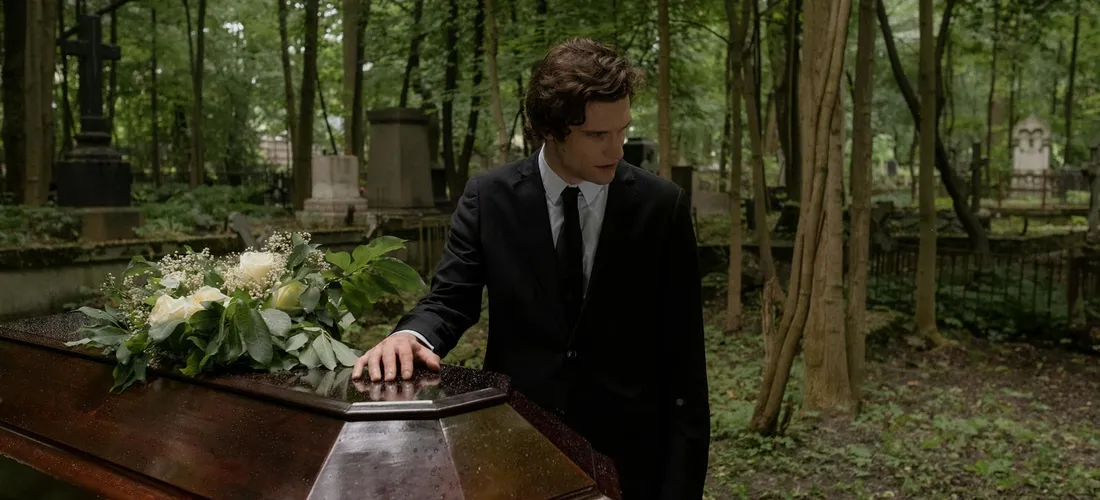
The final prayer is spoken, the last car drives away, and the public rituals conclude. For the grieving, this is when the true solitude often begins. The quiet house feels emptier. The calendar holds a daunting stretch of ordinary days.
Grief does not adhere to a schedule, and its most profound weight is often felt long after the formal gatherings end. Your presence in the weeks and months that follow can be a quiet lifeline.
Reaching out does not need to be a grand gesture. It is the consistency that matters. A simple text message can be a bright spot in a difficult day.
- Send a note on the one-month anniversary, or when you simply think of them. Mention the person who died by name.
- Invite them for a quiet cup of tea or a short walk, with no expectation of lengthy conversation.
- Mark your calendar for a future date, like three or six months out, to check in again. The first year of milestones is particularly hard.
You might feel uncertain, worrying you will remind them of a pain they have forgotten. They have not forgotten. Your kindness reminds them their loved one is also remembered by you. That acknowledgment is a powerful form of companionship.
There is no perfect script. A message saying, “I’ve been thinking of you today,” holds immense dignity. It says their grief has a witness. It says they are not alone.
This ongoing kindness, this gentle persistence, is perhaps the most meaningful gesture of all. It moves beyond ceremony into the raw, real landscape of loss. It is a quiet testament to a life that mattered, and to a friend who cares enough to walk alongside the sorrow.
Respecting Boundaries: Funeral Greetings and Declining with Care
What are appropriate non-verbal cues when offering condolences?
A gentle, brief touch on the arm or a soft handshake can convey support when words feel insufficient. Always follow the lead of the grieving person, and a simple, sincere nod of acknowledgment is always respectful.
Is it appropriate to mention my own grief when I must decline an invitation?
It is acceptable to briefly acknowledge your own feelings to explain your absence, such as stating the grief feels too overwhelming to attend. Keep the focus on your condolences for the family, ensuring your message remains a comfort rather than a burden.
How should I compose myself if I become emotional while greeting the family?
It is perfectly natural to be overcome with emotion; a tearful “I’m so sorry” is a heartfelt and acceptable condolence. Simply offer your phrase, then kindly excuse yourself to compose yourself, as managing your grief privately is a considerate act.
Parting Reflections on Funeral Greetings and Invitations
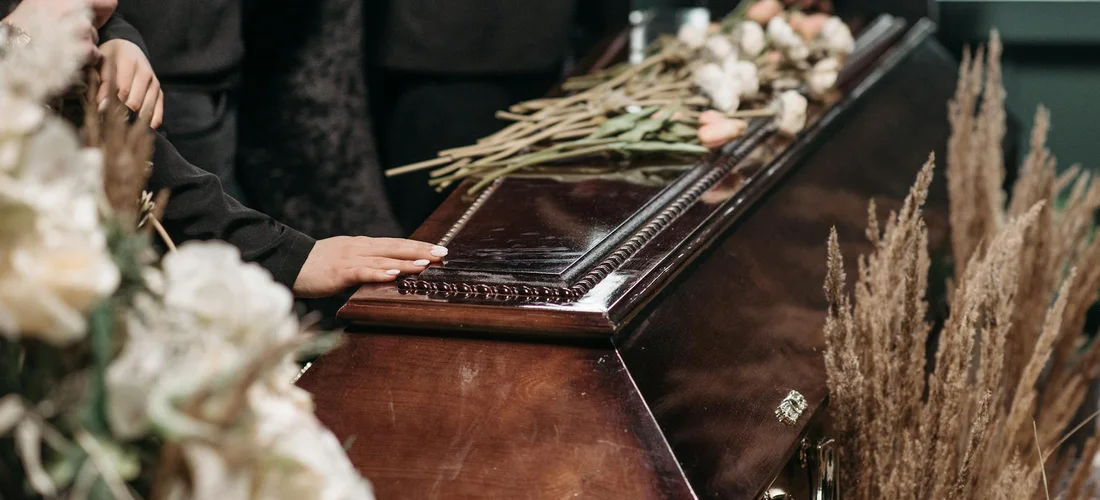
The core of funeral etiquette is to let genuine care guide your words, offering simple condolences or a polite, brief decline. Your respectful honesty helps maintain a space of comfort for those grieving.
In all matters of Funeral Care, pursuing dignified and eco-conscious choices can thoughtfully address Funeral Needs. Remaining open to Funeral Questions allows for continued learning and compassionate support.
Industry References
- A Guide to Funeral Invitations and How to Invite Someone to a Funeral – Funeral Templates
- Funeral Reception Invitation Tips and Examples | Powers Funeral Hom…
- What are the correct words to use when accepting a funeral invitation? – Quora
- Funeral invitations: A comprehensive guide | Empathy
- How to Word a Funeral Reception Invitation: 10+ Free Ideas | Cake Blog | Cake: Create a Free End of Life Plan
- How to Announce and Invite for Memorial Services
- What to Include in a Funeral Invitation: Essential Elements
- 13 Funeral Invitation Designs to Honor a Loved One – STATIONERS
Emiliana Dieter
Emiliana is an author at The Valedictory. She is an experienced funeral care advisor and arranged and organized many funerals as part of her end of life consulting services. She has over 8+ years in the funeral industry managing her family funeral business and helping families cope with the loss of their loved ones. Her articles answer any and all questions you might have regarding funeral arrangements, costs, preparations, etc so you can make this a seamless experience.