
Do People Feel Pain During Cremation? A Compassionate Answer
Many people worry whether their loved ones feel pain during cremation. This concern comes from a place of deep love and care.
To provide clarity, this article will explain the cremation process and why sensation is not possible. We will cover the biological facts after death, how cremation works, and common questions answered with empathy.
Key Takeaways: Immediate Comfort and Clarity
The direct and compassionate answer is no, a person does not feel any pain or sensation during cremation. Once death occurs, the ability to perceive anything, including heat or touch, ceases completely.
This is because feeling requires a living brain and nervous system, both of which stop functioning at the moment of death. The body after death is without consciousness, much like a machine that has been permanently switched off.
Let me ease your mind by explaining this simply. Think of it as a final rest where no discomfort can reach.
Understanding Sensation and Pain After Death
When you ask, “can a dead body feel cremation,” you are speaking from a place of care and concern. I understand that worry. The truth is, sensation and pain are experiences of the living, rooted in biological processes that end with death.
Feeling anything, whether it is warmth, pressure, or pain, requires a functioning brain and nervous system. At death, these systems shut down irrevocably. This means that phrases like “can you feel pain during cremation” refer to an impossibility, as there is no one left to feel.
Can You Feel Being Cremated After You Die?
Consciousness is what allows us to be aware and perceive. After death, consciousness is permanently lost. Without consciousness, there is no “you” to experience anything, making perception during cremation impossible.
Imagine a lamp. Even if you place it near a fire, it cannot light up or feel heat if it is unplugged. Similarly, without the electrical activity of a living brain, the body cannot sense or respond.
What Science Says About Consciousness and the Body
Scientific understanding tells us that at the moment of death, all brain activity ceases. This includes the regions that process pain and awareness. The end of brain function marks the end of all subjective experience.
For comfort, you might think of this state as akin to the deepest, most dreamless sleep you have ever had, but one from which there is no waking. It is a peace devoid of any sensation.
The Biological Basis for No Sensation
Nerves send signals to the brain, which interprets them as sensations. When the heart stops and oxygen is cut off, brain cells die quickly, halting this process. Once the brain is no longer functioning, the pathway for feeling is broken forever.
I want to reassure you that cremation only happens after death has been medically and legally confirmed. This ensures that the process is conducted with respect and certainty, long after any possibility of sensation has passed. Many families compare burial and cremation to understand costs, timelines, and rites. This context can guide your next steps as you explore related resources.
The Cremation Process Explained Step by Step
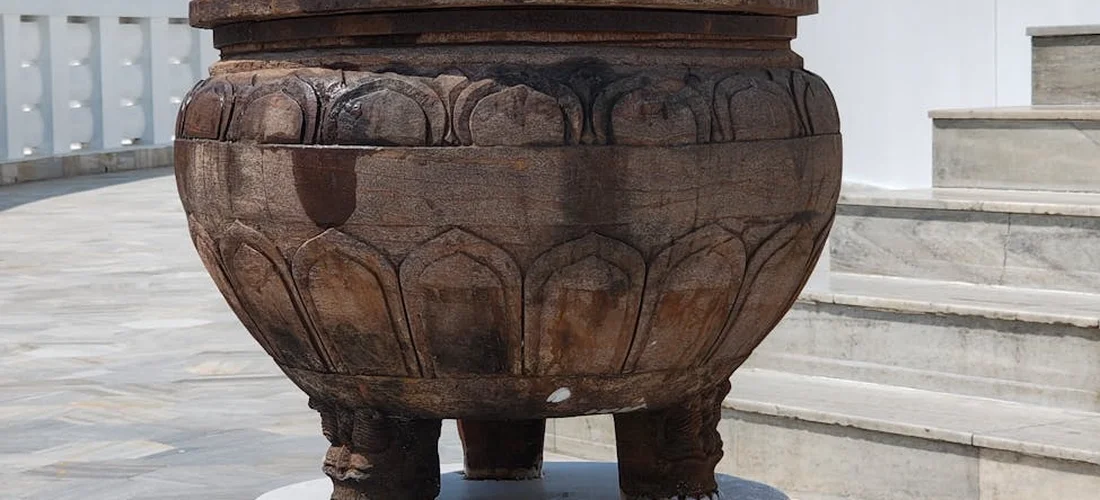
The cremation process is a controlled and dignified procedure. It unfolds in a quiet, industrial space that is kept meticulously clean. The air is still and warm, and the machinery hums with a low, steady sound. Every action is performed with deliberate care and respect, underscoring the reverence of the body cremation process.
How Are Bodies Prepared for Cremation?
Preparation begins with careful identification. A metal identification tag stays with the individual from the moment they arrive until the process is complete. This is the first and most important promise of care.
Staff then remove any medical devices, such as pacemakers, for safety. The person is placed in a rigid, combustible container. This can be a simple cardboard box or a wooden casket, chosen by the family.
The handling throughout this preparation is quiet, professional, and reverent, treating the person with the same dignity they had in life.
What Temperature is a Body Cremated At?
The cremation chamber, called a retort, operates at extreme temperatures. It ranges from 1400 to 1800 degrees Fahrenheit. This intense heat is necessary to reduce the body to its basic bone fragments. The cremation temperature process is carefully controlled to balance complete reduction with safe, efficient operation. In the sections that follow, we explore how heat, time, and temperature profiles influence the outcome.
This transformative heat is applied only after a legal pronouncement of death, when all signs of life are irrevocably gone. The process is about reduction, not sensation.
How Long Does the Cremation Itself Take?
For an average adult, the primary cremation takes between two and three hours. Several factors can affect this time, including the person’s size and the material of the container they are in.
The operator monitors the entire process through a viewing port or with electronic controls. They watch for the completion of the cycle, ensuring nothing is rushed.
From Preparation to Ashes: A Final Transformation
What remains after cremation are not soft ashes, but bone fragments. These fragments are carefully removed from the retort to cool. They are then processed in a machine called a cremulator.
This machine reduces the fragments to a uniform, sand-like consistency we call cremated remains, or cremains. Meticulous procedures ensure these remains are kept entirely separate and are returned to the family correctly. For families who choose to divide cremation ashes, we support these divisions with the same careful attention. It is a final act of custodial care.
Addressing Common Myths and Fears About Cremation
Grief can attach itself to strange questions. The fear that a loved one might experience the cremation process is one of the most common, and most distressing, thoughts. Let us gently separate physical facts from feeling. Some myths about cremation still linger, fueled by fear rather than fact. A closer look at cremation myths debunked can offer clearer understanding and calmer hearts.
Do Bodies Sit Up or Move During Cremation?
Muscle tissues can contract when exposed to high heat. This is a purely physical, reflexive reaction. It might cause a limb to shift or the torso to appear to rise slightly.
This movement is no different than a knee-jerk reflex tested by a doctor; it is an automatic response with no consciousness behind it. It does not indicate life, awareness, or pain.
Can a Body Explode While Being Cremated?
This fear stems from a misunderstanding of what happens inside the chamber. Modern cremation is designed for safety. The removal of pacemakers prevents device explosions.
The steady, high heat safely manages the release of bodily gases and fluids through vaporization. The process is controlled and contained within engineering made specifically for this purpose.
Why Do Bodies Sometimes Make Noise in the Cremator?
Sounds are normal. You might hear a soft hiss as gases and moisture escape tissues. Later, there can be a faint cracking or popping sound as bone fractures in the heat.
These noises are simply physical reactions, much like the sound of a damp log popping in a fireplace. They are part of the reduction process, not signs of distress.
The Persistent Myth: Can the Dead Feel the Flames?
This is the heart of the fear, and the answer is a compassionate no. Feeling pain requires a functioning brain and a central nervous system to process the signal. Clinical death is defined by the permanent end of all brain function.
The person whose body is being cared for has already departed; what remains is the physical vessel. The thought often arises from our own profound empathy and the difficulty of imagining our loved one subjected to fire. It is a natural expression of love, not a reflection of reality.
Legal, Ethical, and Safety Protocols in Cremation
Every cremation is guided by a framework of laws and ethical codes. These rules exist to protect the dignity of the person who has died and to safeguard the trust of the family left behind. Following these protocols and policies is how we provide families with genuine peace of mind during a difficult time.
What Regulations Govern the Cremation Process?
Multiple layers of regulation ensure the process is handled correctly. At its core, no cremation can proceed without proper legal authorization from the state and explicit permission from the legal next-of-kin. Cremation legal documents—such as authorization forms, death certificates, and other required declarations—often guide these steps and must be reviewed before proceeding. Being familiar with these documents can help families prepare ahead of time.
- A certified death certificate and a cremation permit are mandatory.
- The crematory operator must be licensed and trained on specific equipment.
- A waiting period is often required by law before cremation can occur.
The chain of custody for remains is documented at every single step to prevent any error. From the moment we receive care of your loved one, a unique identification tag stays with them throughout the entire process. This tag is checked and verified by staff at each transfer point, and it remains with the cremated remains until they are returned to you.
How is Dignity Maintained Throughout?
Dignity is maintained through unwavering professional standards. Every staff member is trained in a code of conduct that emphasizes reverence, discretion, and respect. We speak quietly, move purposefully, and handle each person as if they were our own family.
The continuous identification checks are not just paperwork. They are acts of respect. We say the name, we verify the tag, we honor the individual. This ritual of confirmation happens when we first receive care, before placement into the cremation chamber, and again when we gather the cremated remains. This meticulous attention is our promise to you that your loved one is treated as a person, not a procedure.
Safety Precautions for Different Circumstances
Some situations, like a death that requires a medical examiner’s review, involve extra steps. These are legal requirements designed for public safety and thorough investigation. In all such cases, the process may take a little longer, but the standard of care does not change. The same protocols for identification, permission, and dignified handling are followed without exception. All procedures, regardless of circumstance, prioritize the deceased’s dignity above all else.
A Personal Perspective: A Pro-Tip from Experience
I have sat with many families who, through their tears, have whispered this very fear to me. The question about pain comes from a place of deep love and a final, protective instinct. It is one of the most human questions to ask.
In those moments, I offer the facts about the process, much as I have here. I explain the irreversible nature of death that precedes any funeral rite. I have seen how this knowledge, offered gently, can lift a specific and terrible weight from a grieving heart. It allows them to focus on their memories, their loss, and their need to say goodbye.
Our role is to carry the sacred trust of care so that families do not have to bear that burden, too. Knowing that every action is governed by respect and every step is taken with integrity can be a small comfort. And in grief, even small comforts matter.
Support and Reflection: Grief and Aftercare
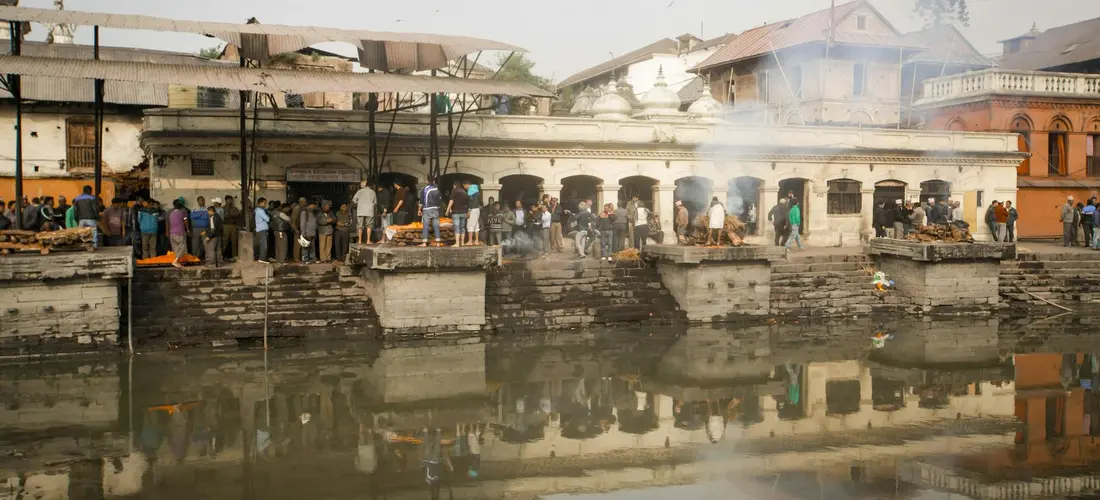
Learning about these physical details can leave an emotional weight. It is a heavy thing to hold. Your mind may circle back to the images or ideas, and that is a common response when caring so deeply for someone.
Be patient with yourself in the days after seeking this information. Give your feelings space, without judgement. A walk outside, a quiet cup of tea, or simply sitting still can help your nervous system settle.
Where to Find Help if You’re Struggling
You do not have to carry this alone. Speaking with a professional can provide a safe harbor for your thoughts. A grief counselor or therapist is trained to help you navigate this specific kind of pain.
Your funeral director can often recommend local counselors or support groups they trust. Many hospice organizations also offer free grief support to anyone in the community, not just those they served. Many people report emotional relief and practical coping strategies from grief support groups. They also provide a sense of connection with others who understand loss.
There is a particular comfort in being with others who understand. In-person or online support groups create a community where your experience is mirrored. You can listen, or you can share, and both are okay.
Do not overlook the value of a trusted spiritual advisor or a compassionate family doctor. Sometimes, the first step is simply telling one person, “I am not doing okay.”
Honoring Your Feelings and Questions
Those fears about what a loved one experienced, even when you know the scientific answer, are a form of love. They are your heart trying to protect them, even now. This is a normal, though difficult, part of missing someone.
There is no timeline for when these questions should stop visiting you. Treat them gently when they arrive. You might say to yourself, “I am thinking about this because I miss them so much.”
Writing in a journal can be a way to release the thoughts from circling in your mind. You do not need elegant words. Just putting the worry on the page can lessen its power.
If it feels right, have a gentle conversation with a family member. You could say, “I’ve been thinking about the cremation process, and it’s been hard for me.” Often, you will find they have had similar thoughts, and sharing them can lighten the burden for you both.
Your Questions Answered with Care
Can a person feel pain during cremation?
No, a person cannot feel pain or any sensation during cremation. The experience of pain requires a living brain and nervous system, which are no longer active after death.
What steps ensure that cremation is a painless process?
Cremation occurs only after medical and legal confirmation of death, which guarantees no consciousness remains. Every step follows stringent ethical guidelines to uphold dignity and respect.
Do physical reactions in the chamber mean the body is feeling something?
Physical reactions like movement or noise are normal, involuntary responses to high heat. They are not signs of sensation or distress, as consciousness has permanently ended.
Parting Reflections on Cremation Sensations
The central truth I hope you carry with you is that after death, there is no capacity for pain or sensation during cremation. This understanding can be a source of profound relief, allowing you to focus on honoring a life with peace and respect.
I encourage you to always seek dignified care and to inquire about gentler, eco-friendly options that align with your values. Your continued attention to Funeral Care, Funeral Needs, and Funeral Questions is a meaningful act of love and responsibility.
Related Guides and Information
- Does Direct Cremation Carry a Stigma of Apathy and Carelessness in the Funerary Industry?
- Is there sufficient evidence that the dead body feels no pain when it’s cremated? – Quora
- Top 7 Questions People Ask About Cremation Answered
- Do people who are cremated feel pain? I’m considering being cremated but it sounds terrifying. – Afterlife – Quora
- What Happens to a Dead Body During Cremation? – Crime Scene Cleanup
Emiliana Dieter
Emiliana is an author at The Valedictory. She is an experienced funeral care advisor and arranged and organized many funerals as part of her end of life consulting services. She has over 8+ years in the funeral industry managing her family funeral business and helping families cope with the loss of their loved ones. Her articles answer any and all questions you might have regarding funeral arrangements, costs, preparations, etc so you can make this a seamless experience.