
A Compassionate Guide to Dividing Cremation Ashes Among Family Members
The question of how to share cremation ashes can bring both comfort and conflict. I understand how delicate this moment is, and I am here to help you navigate it with care.
This article will provide clear, step-by-step advice to honor your loved one. We will cover fair distribution methods, meaningful keepsake options, and navigating family discussions with grace.
Key Takeaways: Compassion and Clarity to Start
Please know that dividing ashes is a common practice. Many families find comfort in having a tangible connection in more than one place.
You are not doing anything unusual or disrespectful. You are creating options for remembrance.
The process rests on three simple pillars. First, confirm who has the legal authority to make decisions. Second, talk openly with your family about wishes and feelings. Third, select keepsakes that hold personal meaning.
There is no single right way to do this, only what feels right for your unique family. Trust that gentle, thoughtful planning will guide you.
Common Mistakes to Avoid When Dividing Ashes
In the fog of grief, it is easy to overlook practical steps. Avoiding these common errors can prevent confusion and hurt feelings later.
- Not checking the will or legal documents first. The person named as the executor or authorized agent has the final legal responsibility. Starting here avoids painful disputes.
- Rushing the process without a family conversation. Grief moves at its own pace. Giving everyone space to breathe and speak can make the division a healing act, not a source of tension.
- Using containers that are not properly sealed. A decorative box or simple bag may seem fitting, but ashes are a fine powder. Choose vessels designed to securely hold cremated remains to prevent accidental spills.
- Making specific promises while emotions are raw. You might say, “We’ll scatter some at the old cabin,” only to find out later the property is sold. It is okay to speak in possibilities until plans are firm.
- Assuming every family member wants a physical share. Some people may prefer a different connection, like a shared piece of jewelry or a donated tree. Always ask, never assume.
Understanding the Basics: Can Cremation Ashes Be Divided?
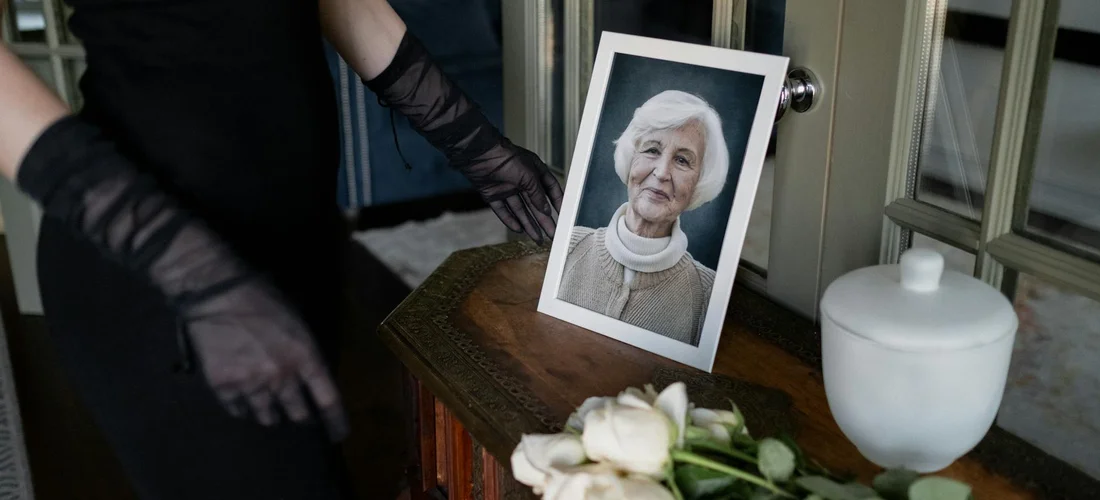
Yes, you can divide, separate, and split cremation ashes. Many families choose to do this to create personal keepsakes or to honor different scattering wishes. Keep in mind, however, that the weight and volume of cremation ashes are generally consistent regardless of how they are divided.
Cremated ashes are the physical remains after cremation. They are not powder, but processed bone fragments with a gritty, sandy texture. Appearance and composition can vary with the method used. This variation explains why cremation ashes are described as bone fragments rather than a uniform powder.
Think of the consistency like coarse beach sand or fine gravel, and the amount is often similar in volume to a large bag of sugar. This can help you visualize how ashes might be shared.
You might worry about religious teachings. For instance, the Catholic Church generally prefers ashes remain together but permits division if treated with respect. I suggest speaking with your spiritual advisor for personal guidance or consulting religious perspectives on cremation to better understand the various beliefs surrounding this practice.
Dividing ashes is a deeply personal choice, one way to craft a memorial that feels right for your family. There is no single correct path, only what brings you comfort. Whether you’re burying the ashes or keeping them in an urn, the decision should resonate with your emotions.
Legal Considerations for Fair Distribution
Determining Legal Authority
Start by finding the person with legal responsibility. This is usually the next of kin or the executor named in the will.
Always review the will, trust, or funeral service documents first. These papers hold the answers and can prevent confusion during a difficult time.
If There Is No Will
Without a will, legal authority typically defaults to the closest family members. A spouse, partner, or adult children usually have this responsibility.
Approach this with sensitivity and a focus on consensus. Call a family meeting, listen to everyone’s feelings, and move forward together when you can.
Including Extended Family
Consider the wider circle of loved ones. Cousins, dear friends, or others may wish for a connection, too.
A gentle question like, “We are remembering how much they meant to you, would you like a small keepsake?” can invite participation without pressure. It acknowledges their grief and opens a respectful dialogue, which is an important aspect of supporting mourners with proper funeral etiquette.
How to Divide Ashes Respectfully: A Practical Guide
Step 1: Agree on the Portions and People
Start by inviting close family and friends to a gentle conversation. This talk helps decide who wishes to keep a portion of ashes and how many shares are needed.
Speak from the heart about each person’s connection to the one who has died. A family meeting allows everyone to voice their wishes and find common ground. If opinions differ, a secret vote on paper can ensure fairness without pressure.
Remember, this process is about honoring a life together. Listen more than you speak, and let compassion guide the numbers.
Step 2: Gather Your Tools and Space
Choose a quiet room where you will not be rushed. A kitchen table or a cleared desk often works well. Soft light from a window can make the space feel calm.
You will need a few simple items laid out on a clean cloth.
- A digital kitchen scale for measuring.
- A large, clean tray or baking sheet to contain the ashes.
- The small containers or bags for each portion.
- A soft, clean brush for gathering every last particle.
Preparing your space thoughtfully turns a logistical task into a moment of care. It shows respect for what you are about to do.
Step 3: The Act of Division
Place the main container of ashes in the center of your tray. Open it slowly. The ashes are a fine, gray powder, sometimes with small bone fragments.
Work with deliberate, gentle hands. Here is a way to proceed.
- Carefully pour the ashes onto your clean tray, creating a small mound.
- Use your scale to weigh the total amount if you wish for precise portions.
- Slowly separate the ashes into smaller piles, one for each person or keepsake.
- Use the soft brush to transfer every bit into the waiting containers.
Move without haste, as if you are handling something sacred, because you are. The quiet focus of this act can be a powerful part of saying goodbye.
How Much Ashes Should Each Person Get?
A common keepsake urn holds about a tablespoon of ashes. A pendant might hold only a pinch. Think about what each person plans to do.
One might want ashes for a ring, while another hopes to plant them with a tree. The right amount is not measured by weight alone, but by the meaning it will hold. A small vial can be as significant as a full urn if it represents a shared memory.
I often remind families that a symbolic portion is enough. It is the love attached to it that gives it weight.
Choosing Containers and Creating Keepsakes
Best Containers for Divided Ashes
Select containers that feel personal and secure. A good seal is practical, but the material should also speak to you.
Compare these common choices.
- Small urns: Made of ceramic, wood, or metal, they are durable and sit easily on a shelf.
- Sealed pendants or lockets: Worn close to the heart, they keep a loved one near in a private way.
- Glass art or paperweights: Blown glass can incorporate ashes into beautiful, solid forms that catch the light.
Choose an object that feels like a tribute, not just a storage box. A simple, well-made container often outlasts a costly, ornate one.
Ideas for Memorialization with Divided Ashes
Divided ashes allow for multiple acts of remembrance. One portion can become jewelry, while another is cast into the sea.
Consider these paths for the ashes you have set aside.
- Have them sealed into a necklace or a ring you can wear.
- Send a portion to an artist who can fuse them into a unique glass sculpture.
- Mix them with soil to plant a rose bush or a sapling in the garden.
- Place them into biodegradable scattering tubes for a family ceremony at a favorite place.
Dividing ashes for scattering lets each family member honor a different meaningful location. A sibling might choose the mountains, while a child selects the old backyard.
These objects and actions carry stories. They become heirlooms not for their value, but for the quiet history they hold. A glass paperweight on a desk, a tree that grows each year-these are gentle, lasting companions in grief.
Personal Perspective: A Moment of Reflection
I have held space for many families as they faced the tangible reality of ashes. The weight of the container in your hands feels both physical and emotional. This act of division is a deep honor, a final gesture of care you perform for someone you love.
Sharing these remains can offer a path through grief. It allows multiple stories to continue in separate, sacred ways. One person might find peace by the water, while another needs ashes kept close on a shelf. This division supports the unique rhythm of each heart’s mourning.
Please, be gentle with your own heart and with those around you. Tears and silence are both valid languages here. Approach this task with patience, for yourself and your family, as you navigate this tender time together.
Frequently Asked Questions
How can we handle disagreements over dividing the ashes?
Prioritize open, empathetic dialogue where each person’s feelings are acknowledged. If consensus is difficult, consider asking a trusted, neutral third party, like a celebrant or family counselor, to help facilitate the conversation.
What is a respectful way to include extended family or close friends?
You can offer a small, symbolic portion for a keepsake to those who shared a profound bond with your loved one. This gesture honors their relationship without the pressure of a larger share.
How do we divide ashes for scattering in several different places?
Portion the ashes into separate, sealed containers for each planned location. Always research and follow any local regulations or permissions required for scattering in public or private areas.
Parting Reflections on Dividing Cremation Ashes
When dividing ashes, the most meaningful approach centers on open family dialogue and personalized keepsakes. Fairness emerges from understanding each person’s grief, not merely from measuring equal shares.
Handling ashes with dignity includes considering eco-friendly choices that reflect your loved one’s values. For continued guidance, turn to compassionate resources on Funeral Care, Funeral Needs, and Funeral Questions.
Related Guides and Information
- Dividing Ashes | Separating Cremated Remains | Why Do People Do This? – The Living Urn
- Dividing Ashes After Cremation: How & Why This is Done – Urns Northwest
- How to Split Ashes after Cremation – Biddeford, ME
- Can I “Split” Cremated Remains Into More Than One Urn?
- Dividing Cremated Remains
Emiliana Dieter
Emiliana is an author at The Valedictory. She is an experienced funeral care advisor and arranged and organized many funerals as part of her end of life consulting services. She has over 8+ years in the funeral industry managing her family funeral business and helping families cope with the loss of their loved ones. Her articles answer any and all questions you might have regarding funeral arrangements, costs, preparations, etc so you can make this a seamless experience.