
Military Funeral Honors and Honor Guards for Veterans: A Guide to Eligibility and Arrangements
When a veteran passes, the question of how to properly honor their service can feel both important and daunting. You are not alone in navigating this.
This guide provides clear, step-by-step information to help you. It covers verifying a veteran’s eligibility for military funeral honors, explains the components of a typical ceremony, and details the process for requesting and coordinating this final tribute.
Understanding Military Funeral Honors and the Honor Guard
Military funeral honors are a final act of gratitude from a grateful nation. They are solemn, dignified ceremonies provided at no cost to the family of a deceased service member.
The core of these honors is simple and profound. It traditionally includes the folding and presentation of the American flag to the next of kin and the playing of Taps, that lonely, beautiful bugle call.
An honor guard is the team of uniformed service members who perform these rites. They are often from the same branch of service as the veteran. Watching them move with precision is a powerful sight, a final salute rendered with deep respect.
Many families wonder if every veteran is entitled to a full military funeral. Eligibility for honors is based on the character of a person’s service, not on every individual receiving a service with a casket present. This distinction helps ensure the tribute matches the commitment made.
Who Is Eligible for Military Funeral Honors?
The right to honors extends to several groups who served our country. The primary recipients are veterans who were discharged under any condition other than dishonorable.
This also includes active duty members who pass away and military retirees. It recognizes a career of service.
Eligibility extends to members of the Selected Reserve, too. This covers those who die while on active duty or who completed their full service obligations as a reservist.
It is a common and understandable concern for families. A veteran’s eligibility is not contingent on seeing combat, holding a certain rank, or retiring from the military. Honorable service is the key.
Clarity about who is not eligible can also provide answers. Those with a dishonorable discharge are not entitled. Certain administrative or uncharacterized separations may also not qualify, which is why confirming discharge status is a necessary first step.
Necessary Paperwork and Information
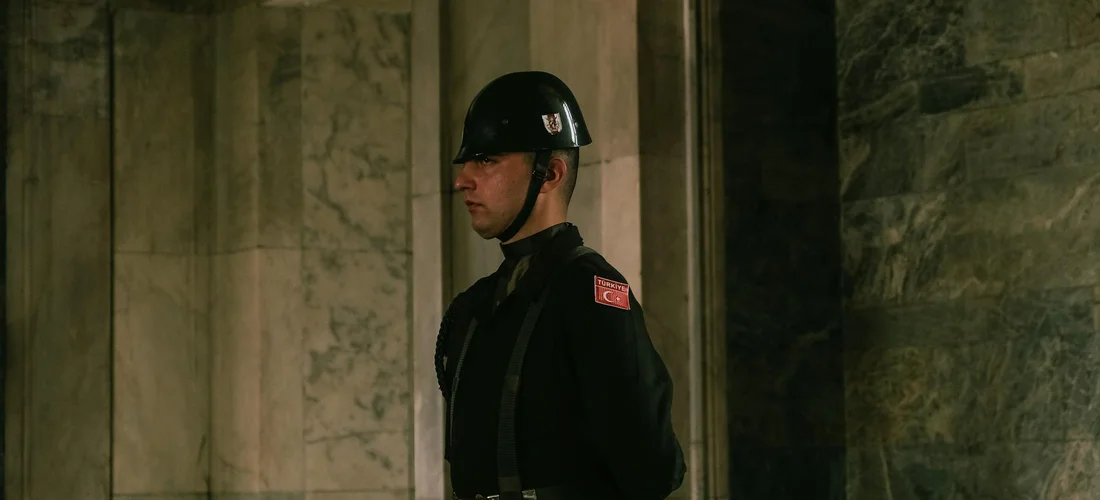
Gathering documents is a practical task that can feel heavy during a time of loss. I often sit with families and simply start with a list. It helps to have a clear path forward.
The most critical document is the DD Form 214, the Certificate of Release or Discharge from Active Duty. This single paper confirms service and character of discharge, which are the keys to all honors. Your funeral director will need to see a copy of the DD Form 214 to formally request military honors.
If the DD Form 214 cannot be found immediately, do not panic. Other forms of proof are accepted while a replacement is requested.
- Retirement orders from the military.
- A VA benefits summary or award letter.
- Official data from the National Personnel Records Center.
Alongside proof of service, your funeral director will need some specific information to complete the request. They will ask you for the veteran’s full name, Social Security number, and the date and place of death. This allows them to coordinate directly with the correct military branch.
My gentle advice is to locate what you can, early. Finding the DD Form 214 or other records before the need arises can lift a significant burden from a grieving family. It is one less thing to search for in a fog. If you cannot find it, your funeral home can guide you on how to request a new copy, a process we help with every day.
A Step-by-Step Checklist for Arranging Honors
Arranging military honors is a process built on respect and precision. I have guided many families through these steps. It feels less overwhelming when you see it laid out clearly.
Your funeral director will be your steadfast partner from start to finish. Think of them as your guide through this formal procedure, helping you understand their roles and duties.
Step 1: Contact Your Chosen Funeral Home
Begin by informing your funeral director of your wish for military honors. A capable funeral director is your primary facilitator. They know the protocols and contacts, which lifts a significant logistical burden from you. Make sure to meet with them personally to discuss all the details and ensure everything is planned to your satisfaction.
Tell them about the veteran’s service. This starts the conversation and allows them to prepare the necessary requests on your behalf.
Step 2: Provide the Veteran’s Discharge Paperwork
The single most important document is the DD Form 214, the Certificate of Release or Discharge from Active Duty. This paper is the official proof of service that everything else depends on.
Locate this form if you can. If it is lost, your funeral director can help you request a replacement, but this takes time. Providing the DD Form 214 promptly is the key to a smooth and timely arrangement.
Step 3: The Funeral Director Requests the Detail
With the DD Form 214 in hand, your director will contact the appropriate military branch’s honors coordinator. They will formally request the honor guard detail, specifying the time and place of the service.
This step happens behind the scenes. You can trust your director to communicate the official requirements. They ensure the request meets all regulations.
Step 4: Confirm the Ceremony Details
Discuss and confirm the ceremony timing, location, and any specific family wishes with your director. Do you want a particular hymn played during the folding of the flag? Would you like a family member to receive the flag?
Share these thoughts. While the ceremony follows a proud tradition, there is often room for personal touches that make the tribute uniquely meaningful. Your director will convey these wishes to the honor team.
Step 5: A Personal Note on Being Present
The sequence of events becomes formal on the day: the crisp uniforms, the precise movements, the silent rifle salute. I have seen how this formal recognition can bring a measure of peace to a family. It is a profound, visual thank you from the nation.
My advice is simple. When the service member kneels to present the folded flag, allow yourself to be present in the moment. Listen to the words. Feel the weight of the triangle of cloth placed in your hands. Do not worry about what comes next. For those few seconds, just be there. It is a gift of honor, meant for you to receive.
What to Expect During the Honors Ceremony
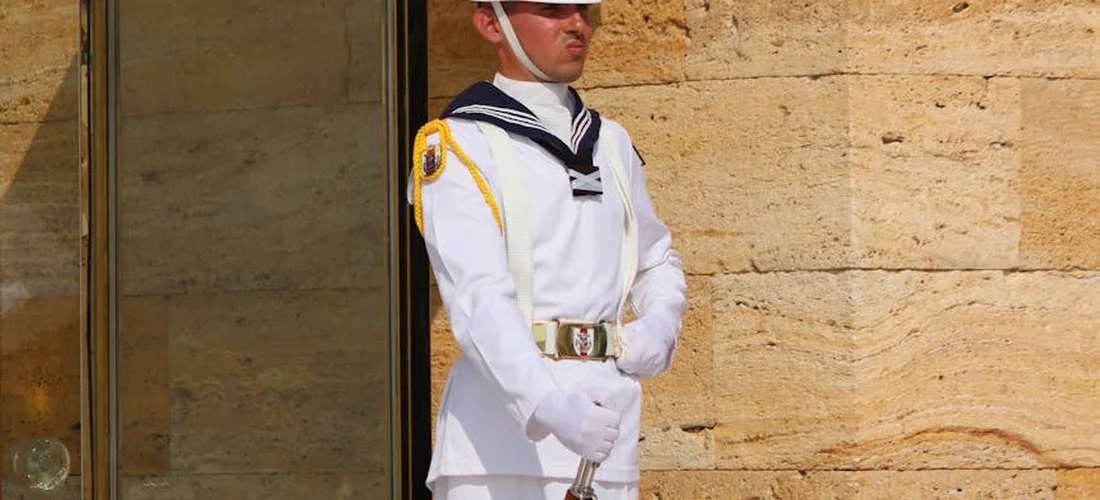
The ceremony begins with the arrival of the honor guard. You will see them in their dress uniforms, moving with a quiet, practiced precision. If a casket is present, it will already be draped with the American flag, a sight that often brings a mix of pride and profound sorrow.
Next comes the folding of the flag. The guards perform this ritual with slow, deliberate care. Each fold is a silent tribute, and the sound of the fabric is often the only noise in the stillness.
Then, a bugler or a recording will play Taps. Those 24 notes have a way of hanging in the air. I have always found that moment to be both heartbreaking and strangely peaceful, a public acknowledgment of a private loss.
The Meaning in the Folds
The flag is folded 13 times, a number representing the original colonies. But this is more than history; it is a layered story of sacrifice and ideals. The first fold signifies life, and the last creates the iconic triangle of blue and stars.
Each fold honors a different principle, from liberty to the veteran’s belief in a higher power. Watching it, I am reminded that this ritual transforms a symbol of the nation into a personal gift for the family.
The Final Presentation
The folded flag is presented to the next of kin. A service member will kneel, if able, to offer it at eye level. They will speak words of condolence and gratitude on behalf of the President and a grateful nation.
This is the ceremony’s most intimate moment, where public honor meets private grief. The words are simple, but their weight is immense. I have seen how this act can offer a tangible point of comfort in the days ahead.
Your Role as Family
Your only role is to receive this honor. There is no script for you to follow, no response you need to give. You are not a participant in the traditional sense; you are the reason for the ceremony.
You can simply be present, allowing the respect and care of the honor guard to surround you. It is okay to cry, to be silent, or to feel numb. This time is for you, and no performance is required.
Addressing Common Concerns and Special Circumstances
Planning a funeral is difficult enough without financial surprises. I want you to know this clearly.
There is absolutely no cost to your family for military funeral honors; this solemn tribute is provided by law as a final gesture of thanks from the nation. The government covers the expense of the honor guard team and the ceremonial elements. Your funeral director will request it on your behalf as part of their service.
Honoring Veterans Who Die by Suicide
This is a circumstance I have encountered, and it carries a unique weight of grief. The question of honor often hangs heavy in the hearts of families.
Let me offer you a direct and heartfelt assurance. A veteran’s cause of death does not change their eligibility for military funeral honors. Their service remains. Their sacrifice is honored in full.
The ceremony performed is identical, with the same dignified folding and presentation of the flag, the same sounding of Taps. The nation’s gratitude for their time in uniform stands separate from the manner of their passing. Your loved one earned this honor, and it is theirs to receive.
When Death Occurs at Home or in a Care Facility
Many veterans spend their final days in their own home or a nursing facility. The practical steps can feel overwhelming when you are in mourning.
Here is what typically happens. Once you contact a funeral home, they will take the lead. The funeral director will obtain the veteran’s discharge papers and communicate directly with the appropriate military office to arrange the honors team.
Your role is to share your loved one’s history and wishes; the funeral home manages all the official coordination. They are your guide, ensuring the ceremony is set precisely where and when you need it, whether at the graveside or a service chapel.
Overseas Deaths and Disputed Eligibility
Some situations are more complex, like a death abroad or if service records are unclear. Do not carry this burden alone.
For overseas repatriation, the funeral home works with federal agencies to facilitate the return and any honors. If there is a question about discharge status or documentation, your funeral director knows the channels to request verification.
In any uncertain situation, your most important step is to lean on the expertise of your funeral director. They act as your advocate, navigating these procedures so you can focus on remembrance. They will find the answers for you.
When a Full Military Honor Guard Isn’t Available
Sometimes, a full team of uniformed service members is not available for the ceremony. This is usually due to scheduling or the distance to a military base.
It is a practical reality, not a reflection of the veteran’s worth or service. Your funeral director for veterans can explain the local situation with honesty and care.
Even when a full detail cannot attend, the law guarantees a dignified ceremony. A minimum of two uniformed service members will always be provided to honor an eligible veteran. This core honor detail performs the essential elements of the ritual with profound respect.
One member will recite the formal words of gratitude. The other will carefully fold the American flag that draped the casket. They will then present this folded flag to the next of kin.
A live bugler is a beautiful tradition, but they are not always available. In these cases, a respectful, high-quality recorded version of Taps is used.
The solemn, echoing notes of Taps, whether played live or through a ceremonial speaker, carry the same weight of honor and farewell. The meaning fills the air, unchanged.
Many communities have local chapters of veterans service organizations. Groups like the American Legion, Veterans of Foreign Wars, or Patriot Guard Riders often provide supplemental support.
They may offer additional flag lines, rifle volleys, or motorcycle escorts. Your funeral director or the veterans service officer can help connect you with these dedicated volunteers, who are experienced in military funeral flag protocol.
These organizations step forward to ensure the service feels complete, filling the space with a community’s gratitude. Their presence is a powerful testament from fellow veterans and citizens.
Honoring Veterans at National and Private Cemeteries
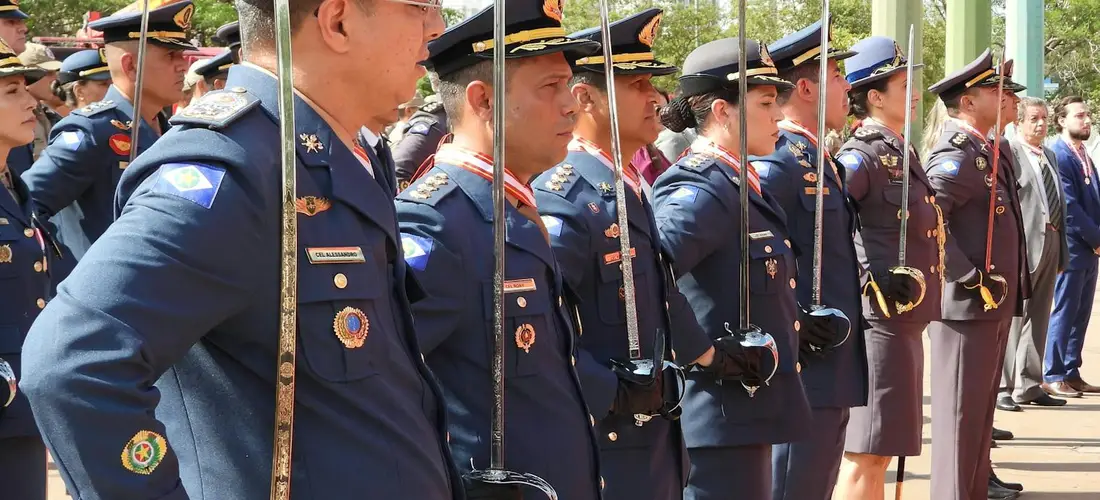
In my years of arranging services, I’ve noticed a common point of confusion for grieving families. There is a difference between burial benefits and the funeral honors ceremony. Military funeral honors are a separate program, though they are often smoothly coordinated with the burial benefits offered at national cemeteries. Understanding this distinction helps you plan each part with clarity and peace.
The location for this final tribute is a personal choice. The fold of the flag, the playing of Taps, these acts of honor are not confined to a cemetery’s edge. These solemn rites can be rendered at a graveside, in the chapel of a funeral home, or during a service at your family’s place of worship. I have found that this flexibility allows the ceremony to meet you in your grief, wherever you feel most able to say farewell.
You may worry that choosing a private cemetery complicates matters. Let me offer some reassurance from my experience. The process for requesting military funeral honors is identical, whether burial will be in a national, a state veterans, or a private cemetery. This consistency is a small grace, one less variable to manage when your heart is heavy.
Your Role as a Planner: A Final Personal Reflection
You may feel overwhelmed by details during this time. Let me reassure you. Arranging these honors is a straightforward process, guided by caring professionals. Your funeral director will work directly with the appropriate military service to coordinate every detail, from the honor guard to the flag presentation. You are not navigating this path alone.
I gently encourage you to shift your perspective. This is not merely another logistical task to complete. It is a sacred final duty, a quiet and rightful tribute. By securing this honor, you are fulfilling a promise made by a nation to your veteran, a promise earned through their service. It is a profound act of love.
In all my years of service, I have never met a family who regretted taking these steps. Words often desert us in grief. The clear, mournful sound of Taps fills that silence. The precise weight of the folded flag, passed into your hands, communicates a lifetime of devotion and a final journey home. These rituals speak when our own voices cannot.
Frequently Asked Questions
What if I cannot locate the veteran’s DD Form 214 discharge paperwork?
Please do not worry if this document is lost. Your funeral director can help you request a replacement and will know which alternate proofs of service are accepted in the interim to begin funeral arrangements.
Are we allowed to add personal touches to the military honors ceremony?
Yes, within the dignified structure of the ceremony, families often include personal elements. You can discuss wishes like a specific hymn or which family member receives the flag with your funeral director, who will coordinate with the honor guard.
What exactly happens if a full military honor guard is not available in our area?
The law guarantees a dignified tribute. At a minimum, two uniformed service members will perform the core rites of folding and presenting the flag and playing Taps, ensuring your loved one’s service is honored.
Parting Reflections on Military Funeral Honors
The single most important step is to confirm eligibility early by contacting the Department of Veterans Affairs or the veteran’s branch of service. This clear verification allows you to arrange a ceremony that truly reflects their service and brings comfort to those gathered.
As you consider Funeral Care and address Funeral Needs, exploring dignified, eco-friendly options can honor both the person and the planet. Let your curiosity about Funeral Questions lead you to gentle, informed choices that support your healing.
Emiliana Dieter
Emiliana is an author at The Valedictory. She is an experienced funeral care advisor and arranged and organized many funerals as part of her end of life consulting services. She has over 8+ years in the funeral industry managing her family funeral business and helping families cope with the loss of their loved ones. Her articles answer any and all questions you might have regarding funeral arrangements, costs, preparations, etc so you can make this a seamless experience.