
VA and Military Funeral Benefits: A Guide for Veterans and Surviving Spouses
When a veteran passes, arranging a funeral can feel heavy with both grief and practical questions. I am here to help you understand the benefits that honor their service and offer your family support.
This article will explain burial allowances, military funeral honors, headstone and marker options, and benefits specifically for surviving spouses.
Key Takeaways: A Compassionate Summary
In the fog of loss, navigating practical details can feel overwhelming. Please know you are not alone. The nation offers these benefits not as a bureaucratic task, but as a lasting thank you for your loved one’s service and a measure of support for you.
These benefits are designed to honor that service and to ease the financial weight a family carries during grief. You do not have to manage this burden by yourself.
- A burial allowance to help with funeral and burial costs.
- Military funeral honors, including the folding and presentation of the flag, to recognize their dedication.
- A final resting place in a national or state veterans cemetery, with a headstone or marker provided.
- A Presidential Memorial Certificate, a dignified paper acknowledgment of their service.
Necessary Paperwork and Information
Gathering documents is a practical step that feels heavy with emotion. I often suggest setting everything in one folder. This simple act can make the process feel more manageable.
You will typically need the following items. A funeral home can often help you compile and submit these.
- The veteran’s discharge papers (DD Form 214 or equivalent).
- The official death certificate.
- Your marriage certificate, if you are the surviving spouse.
- Social Security numbers for both the veteran and the claimant.
If the DD Form 214 is lost, do not worry. You can request a copy from the National Archives, and many funeral homes are experienced in helping families with this step. Start by looking through old files, safe deposit boxes, or with other family members. The local VA office or a veterans service officer can also provide direct guidance. When you feel tired, pause. This work is a final act of care, and it is okay to do it in small pieces.
Immediate Action Checklist: First Steps After a Loss

In the first hours, your mind may feel clouded. I want you to have a clear, simple path to follow. This list is a guide you can hold onto when everything else seems uncertain.
You do not have to do everything at once. Take these steps one at a time, and give yourself permission to pause and breathe between each one.
1. Secure the Official Notification
You will need a formal pronouncement of death. If the death occurred at home, you must call emergency services or the veteran’s hospice nurse. In a hospital or care facility, the staff will handle this. They will provide you with a pronouncement, which is the first document you need.
2. Notify Your Chosen Funeral Home
Contact the funeral home you have selected. Tell them your loved one was a veteran. A good funeral director will know the next steps and can guide you through the entire process with respect. They will arrange to bring your loved one into their care, which can bring a sense of peace in these early moments.
3. Gather the Essential Documents
Locate the paperwork you will need to provide. Having these items together will save you time and repeated conversations. You will need:
- The veteran’s DD Form 214 (Certificate of Release or Discharge from Active Duty).
- The official death certificate from the funeral home or medical certifier.
- The veteran’s Social Security number.
- Your marriage certificate, if you are the surviving spouse.
Keep these documents in a single folder; you will need them for every benefit application.
4. Contact the Department of Veterans Affairs
Call the Veterans Benefits Administration at 1-800-827-1000. This is how you start the process for burial benefits. The representative will ask for the documents you have gathered. They can also tell you which national or state veterans cemeteries have available space if that is your choice.
This call can feel formal, but the person on the other end does this every day. Let them help you.
5. Request Military Funeral Honors
This is a separate request. Your funeral director can often coordinate this, or you can reach out yourself. The honors detail is typically arranged through the branch of service in which the veteran served.
- Provide the DD Form 214 to the coordinator.
- Discuss what honors are desired, such as the flag folding, Taps, and a rifle volley.
- Confirm the time and place for the ceremony.
Requesting honors is an act of remembrance, not a bureaucratic task. It is a way to formally acknowledge their service.
6. Allow Others to Help You
In the quiet spaces between these calls, let people in. A family member can make a pot of coffee. A friend can answer the door. Someone else can keep a list of who calls.
- Delegate one specific, small task to a willing person.
- Say “yes” when someone offers to bring a meal.
- If you need a moment alone, take it.
Your only job right now is to get through this hour, and then the next. The paperwork will wait. The world feels heavy, but you do not have to carry it by yourself.
Who Is Eligible for VA and Military Funeral Benefits?
Eligibility for these benefits hinges on the veteran’s service record and how they were discharged. In most cases, veterans who served actively and received a discharge that wasn’t dishonorable can qualify. Their spouses and dependent children might also be eligible.
The type of discharge is the primary factor determining access to veterans’ burial benefits.
Families often ask if every veteran is eligible for burial benefits. The direct answer is no. Similarly, not all veterans are entitled to benefits, as entitlement depends on specific service conditions.
Discharge statuses range from honorable to dishonorable. An honorable discharge almost always qualifies. A general discharge under honorable conditions usually does too.
An “other than honorable” discharge may still allow benefits if it wasn’t for serious misconduct. A dishonorable discharge, however, typically bars all VA burial and funeral benefits.
Surviving spouses may be eligible if they were married to the veteran at the time of death. For official confirmation, I always point families to the VA website or a local Veterans Service Officer.
Understanding Eligibility for Surviving Spouses and Dependents
For a surviving spouse, the marriage must have been valid when the veteran died. If the death was service-connected, the spouse generally cannot have remarried to keep eligibility.
For non-service-connected deaths, remarrying after age 57 might not affect certain benefits. These rules acknowledge the depth of a shared life while allowing for future happiness.
The criteria for spouses aim to honor the bond without imposing hardship after loss.
Dependent children include unmarried individuals under 18, or under 23 if they are in school. Children who became permanently disabled before age 18 may also qualify.
I have seen how these provisions offer a gentle support for young ones during grief. Applying with patience and clear documentation can ease the process.
Understanding VA Burial Allowances and Financial Support
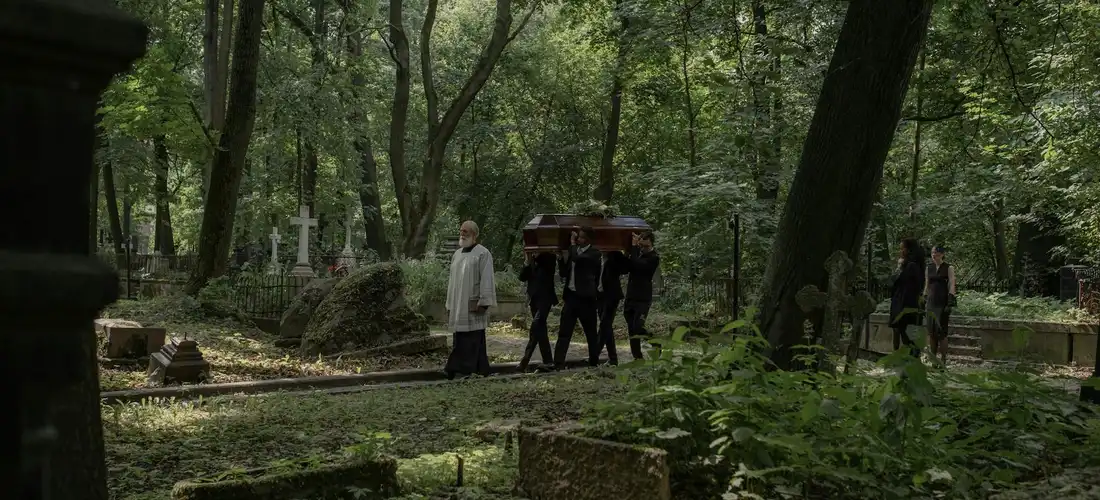
Navigating financial matters after a loss is difficult. The Department of Veterans Affairs offers specific burial and plot allowances to help offset some of the costs. These are not meant to cover everything, but they provide meaningful support.
There are two primary types of monetary benefits. The burial allowance helps pay for funeral and burial expenses. The plot allowance helps with the cost of interment in a private cemetery. The amounts differ based on the circumstances of the veteran’s death.
For a death connected to military service, the VA burial allowance is currently a maximum of $2,000. If the veteran was hospitalized by the VA at the time of death, the allowance is $887 (as of 2024). The plot allowance for burial in a private cemetery is $893, regardless of service-connection.
Many families ask me if this money is taxed. The answer brings a small measure of relief. VA burial benefits are not considered taxable income; you will not receive a tax form for this money. It is a reimbursement, not a paycheck.
The distinction between a service-connected and non-service-connected death is critical. A service-connected death means the veteran died from a disease or injury incurred or aggravated during active duty. It can also include a veteran who was totally disabled from a service-connected condition at time of death, even if not the direct cause.
A non-service-connected death refers to a veteran who passes from an ailment unrelated to their service, and who was not in VA care. The benefit amounts, as noted, are lower in these cases. The VA needs different documentation for each claim type.
The process for reimbursement requires you to submit a claim. You, the funeral director, or the cemetery operator can file VA Form 21P-530. You will need the veteran’s discharge papers (DD Form 214), a death certificate, and funeral bills. Typically covered costs include transportation of the remains, casket or urn, cremation, and the professional services of the funeral home. The VA will review the claim and send payment directly to the person who paid the expenses.
Are Military Funerals Free? Clarifying Costs and Coverage
The phrase “military funeral” often leads to confusion about cost. Let me separate the elements for clarity. The military funeral honors ceremony is provided at no cost by the Department of Defense. This solemn ceremony, including the folding and presentation of the flag and the playing of Taps, is a grateful nation’s commitment, not a billable service.
However, the broader funeral services are not free. The funeral home’s charges for preparation, facilities, transportation, and merchandise like a casket are separate. The VA allowances are partial reimbursements for these necessary costs. You pay the funeral home first, then seek reimbursement from the VA.
You may hear about a “Veterans Funeral Care Program.” This is not an official VA program that pays all costs. It usually refers to one of two things: a package offered by a specific funeral home tailored for veterans, or the collective benefits offered by the VA, state veterans departments, and other organizations. Always ask what is specifically included in any named program and what you will be responsible for paying.
I have seen the stress caused by this misunderstanding. Planning is hard enough without financial surprises. My advice is to work with a funeral director experienced in veteran services. They can help you apply for every benefit while providing a dignified service that honors a life of service. The goal is to carry this burden with care, not confusion, especially because funeral costs often come with their own myths and misunderstandings.
Military Funeral Honors: What to Expect
A military funeral is a final act of service and gratitude. The ceremony moves with a quiet, precise dignity. It acknowledges both the person you loved and the veteran they were. Knowing about military funeral honors and veterans eligibility can help families prepare for the steps ahead. It clarifies who qualifies for ceremonies and recognition.
You will see a detail of service members in dress uniform. Their movements are crisp and deliberate. The silence between commands feels deep and respectful.
The folding of the flag is a central moment. Two service members stretch the cloth taut over the casket, each fold sharp and meaningful. When they present the tightly folded triangle to you, it is a profound symbol of a nation’s thanks. The soft weight of the cotton in your hands is a tangible connection.
Then, a bugler plays Taps. Those twenty-four notes are clear and mournful in the open air. The sound seems to hang for a moment before fading. It is a universal language of farewell.
How to Arrange for Honors
You do not have to manage this request alone. The simplest path is through your chosen funeral director. Provide them with the veteran’s DD Form 214 or discharge papers. Your funeral home will contact the appropriate military branch to officially request the honors team. They handle the logistics during a time when details can feel overwhelming. This is a core part of veteran funeral planning, helping ensure honors and paperwork align. In the next steps, you’ll find links to guides and resources to support you through the process.
You can also contact the Veterans Affairs office directly. Yet working through your funeral home often ensures a smoother process. They know the exact contacts and required paperwork.
Elements Provided at No Cost
The Department of Defense provides a standardized ceremony for every eligible veteran. There is no fee to the family for these core components.
- The detail of at least two service members to conduct the rites.
- The ceremonial folding and presentation of the burial flag.
- The playing of Taps, performed by a bugler or delivered with a high-quality ceremonial bugle.
- A rifle volley, the three crisp shots fired by a firing party. This is a customary honor, not a salute with live ammunition.
These elements form the essential tribute. They are a solemn promise kept.
Presidential Memorial Certificates and Other Honors

Beyond the immediate arrangements, there are lasting tributes available. One of the most meaningful is the Presidential Memorial Certificate.
The Presidential Memorial Certificate
This is a tangible, engraved paper certificate signed by the current President. It expresses the nation’s recognition of your loved one’s service.
Holding this document can be a profound comfort. It provides a physical acknowledgment of their sacrifice, something you can frame and keep in your home.
This certificate serves as an official gesture of gratitude from a grateful nation, a keepsake that honors their legacy for generations.
How to Request a Certificate
You can request a certificate at no cost. Typically, your funeral director will handle this as part of arranging military honors.
You can also apply directly through the VA by mail or online. You will need a copy of the veteran’s discharge documents and the death certificate.
The process is straightforward, but please allow several weeks for it to arrive. You can request multiple copies for different family members, which I often suggest so that each sibling or child can have one.
Government-Furnished Headstones, Markers, and Medallions
The VA also provides lasting memorials for the gravesite. These are furnished at no cost to the family for eligible veterans.
For a burial in a veteran’s cemetery, a standard granite or marble headstone or bronze niche marker will be provided. For a private cemetery, you can choose from several styles, including:
- Upright headstones in marble or granite.
- Flat granite or bronze markers.
- A bronze medallion to attach to an existing private headstone.
These markers are simple, dignified, and durable. Applying for a government headstone or marker is a separate process, usually coordinated through the cemetery or directly with the VA.
I have seen how these permanent markers offer families a sense of completion. They stand as a public, lasting testament to a life of service, anchored in the quiet earth.
Navigating Burial in a VA National Cemetery
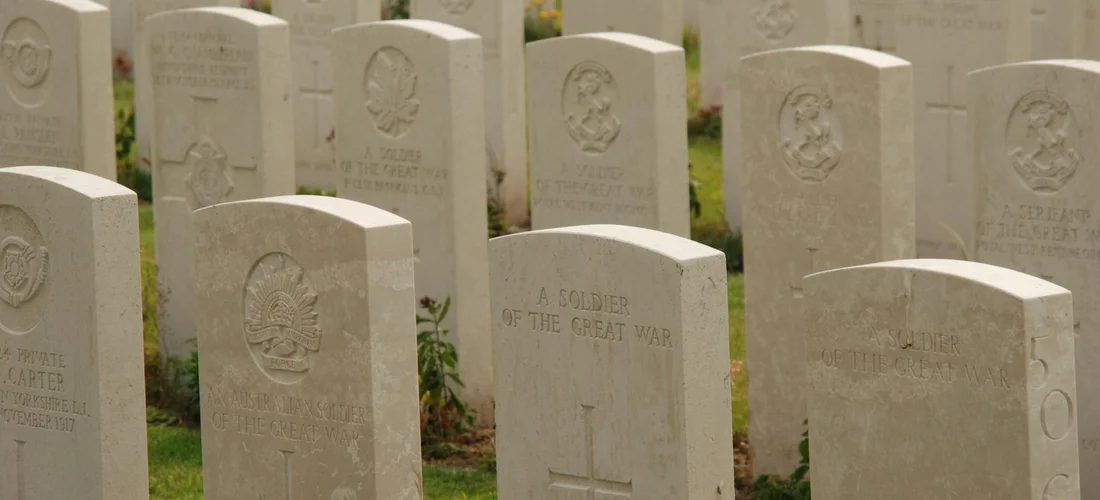
Arranging a burial in a national cemetery can feel like navigating a solemn, unfamiliar landscape. My role is to walk you through it step by step. The process begins with gathering your veteran’s discharge papers, known as the DD Form 214. With those documents in hand, we can explore veterans burial benefits and how the DD214 helps verify eligibility.
You or your funeral director will contact the national cemetery where you wish to have the burial. You do not need to apply for eligibility in advance. You can make arrangements at the time of need, which offers some relief during a stressful period. The cemetery staff will verify eligibility and discuss available burial dates.
National cemeteries accommodate both traditional ground burial and cremation. A casket is placed in an in-ground grave. For cremated remains, called cremains, you have two main choices. Here, cremation vs burial differences come into play, influencing cost, space, and memorial options. Comparing these options helps you weigh what best fits your needs.
- Inurnment in a Columbarium: The cremains are placed in a niche within a beautiful, wall-like structure. A granite front seals the niche.
- Interment in an In-Ground Cremains Plot: The urn is buried in a dedicated section of the cemetery, often marked with a flat granite marker.
For veterans who passed away from a service-connected condition, the process is expedited. The VA will pay a higher burial allowance and may cover transportation costs to the nearest national cemetery with available space. This acknowledges the unique sacrifice.
Your veteran’s eligibility extends to you and other dependents. A spouse or minor child can be buried in the same national cemetery as the veteran. This ensures families can remain together, a profound comfort for many. There is no cost for the plot, the opening and closing of the grave, or the perpetual care of the grounds.
Headstones, Markers, and Inscription Choices
The government provides a headstone or marker at no cost for any veteran’s grave, regardless of where they are buried. This is a lasting tribute to their service. You will choose from several dignified styles.
- Upright Granite or Marble Headstones: These are traditional and are used in national cemeteries and many private ones.
- Flat Bronze Markers: Often used for lawn-level memorialization in private cemeteries or for cremain plots.
- Flat Granite Markers: A common choice in national cemetery grounds.
Inscriptions are handled with great respect. The standard inscription includes the veteran’s name, branch of service, years of birth and death, and a brief emblem of belief. You can select from over 70 approved emblems, covering major world religions, as well as non-theistic symbols like the Atom or the Humanist emblem.
You may also choose to add a brief, personal inscription at the bottom of the stone. This might be a term of endearment, a nickname, or a simple phrase like “Beloved Father.” The space is limited, so words are chosen with care. I often sit with families, helping them find the few words that hold a lifetime of meaning. It is a quiet, important part of honoring a unique life.
Additional Death Benefits and Support Resources
Navigating loss often means managing paperwork from multiple sources. The VA benefits are one part of a larger picture of support available to you.
It is common to also receive a one-time death benefit from Social Security. This is a separate payment, currently a set amount, made to a surviving spouse or eligible child. You must apply for this benefit separately by contacting the Social Security Administration.
These streams of support are designed to work alongside each other, so applying for one does not cancel out the other.
Understanding Veterans Life Insurance (SGLI/VGLI)
You may hear about Servicemembers’ Group Life Insurance (SGLI) or Veterans’ Group Life Insurance (VGLI). These are different from the VA burial allowance.
Life insurance is a policy chosen and often paid for by the veteran. It provides a designated payout to named beneficiaries upon the veteran’s death. The burial allowance is a separate reimbursement from the VA for funeral and interment costs.
The life insurance payout is for your family’s financial future, while the burial allowance specifically addresses final expenses. It’s important to understand how funeral insurance differs from life insurance. One does not replace the other, and a family can be eligible for both. One does not replace the other, and a family can be eligible for both.
Finding Continued Grief Support
The practical tasks eventually settle, but the need for support continues. The VA offers bereavement counseling to surviving family members of veterans. This service is free and confidential.
You can connect with support through your local VA medical center or a Vet Center. Many find comfort in speaking with someone who understands the unique context of military loss.
Reaching out is not a sign of weakness; it is a step toward navigating grief with gentle guidance. Trained counselors and peer-led support groups can provide a steady presence in the months and years ahead.
Reassurance for Your Family
To the family asking, “Are there death benefits for veterans?”-the answer is yes. You are not alone in this. A range of benefits exists to honor your loved one’s service and assist you. Government veterans death benefits, including burial and survivor benefits, can ease costs and provide ongoing support.
These benefits commonly include:
- A burial allowance to offset funeral costs.
- A final resting place in a national or state veterans cemetery.
- A government headstone, marker, or medallion.
- A burial flag to honor their service.
- Possible additional allowances for transportation or in cases of service-connected death.
These acts of recognition are a small token of a nation’s gratitude, meant to provide some peace as you carry the weight of your arrangements and your grief. I have sat with many families, and I assure you, these benefits are there for you to claim.
Compassionate Guidance: Your Questions Answered
If my spouse is buried in a private cemetery, do I lose my eligibility to be buried with them later in a VA national cemetery?
No, your eligibility is separate. You retain your right to burial in a national cemetery, and your spouse’s choice does not affect your future benefits.
How does the Social Security death benefit differ from the VA burial allowance?
They are separate, one-time payments for different purposes. The Social Security benefit is for the surviving spouse or child, while the VA allowance is a reimbursement for funeral and burial expenses.
Are there specific benefits for veterans who choose cremation and burial in a private cemetery?
Yes. The VA provides a burial allowance and a plot or interment allowance, and you may also request a government-furnished urn or a headstone/marker for the private site.
Honoring Choices for Veterans and Surviving Spouses
The single most important piece of advice I can offer is to reach out to the Veterans Affairs office early and gather the necessary documents. This simple step can illuminate the path forward, providing clear, practical support during a fog of grief.
In making final arrangements, I always advocate for choices that ensure dignified care and, where possible, embrace eco-friendly options. Your continued attention to Funeral Care, Funeral Needs, and Funeral Questions is a profound act of love and responsibility.
Emiliana Dieter
Emiliana is an author at The Valedictory. She is an experienced funeral care advisor and arranged and organized many funerals as part of her end of life consulting services. She has over 8+ years in the funeral industry managing her family funeral business and helping families cope with the loss of their loved ones. Her articles answer any and all questions you might have regarding funeral arrangements, costs, preparations, etc so you can make this a seamless experience.