
Natural Burial Laws and State Regulations: Your Guide to Green Burial and Cremation
You may be exploring natural burial or cremation for yourself or a loved one, and wondering what the laws require. I understand how legal details can add weight to an already difficult time.
This article will walk you through the essentials in a clear, compassionate way. We will focus on:
- What natural burial laws are designed to protect and how they define a green burial.
- How state regulations differ, affecting where and how you can proceed.
- The specific rules governing green or natural cremation services.
- Practical steps for navigating permits and working with cemeteries.
Key Takeaways for a Peaceful Planning Process
First, let me offer some reassurance. Choosing a natural return for yourself or a loved one is a valid and legal choice in every state.
Green burial and green cremation services are permitted across the country. The specific rules, however, will change depending on your city, county, and the cemetery itself.
These varying regulations exist for a single, important reason: to safeguard our shared land, water, and public health. They ensure burial grounds remain protected spaces for generations.
Navigating these local nuances is where an experienced guide becomes invaluable. Your best resource is a qualified green funeral home or a conservation burial ground, especially if you follow a detailed guide when choosing a funeral home.
A professional who specializes in natural care knows the local landscape intimately and can handle the details with respect and efficiency. They lift that administrative burden so you can focus on meaning.
One universal rule remains, a final point of record-keeping for every life. A death certificate, filed with the local health department, is always required.
Understanding the Heart of a Green Burial
At its core, a natural burial is a gentle return. It is the practice of placing a body directly into the earth, allowing it to decompose naturally and become part of the soil cycle.
You might picture a simple wooden casket, woven from willow or pine. Or perhaps a shroud of linen or cotton, soft and unadorned. These are the vessels of a green burial.
This process consciously forgoes the elements that hinder natural decomposition. There is no embalming fluid, with its strong chemical scent, to preserve the body.
You will not find a sealed metal casket or a heavy concrete vault lining the grave. The body rests in direct contact with the earth.
The visual outcome is one of quiet integration. The gravesite is not a manicured plot but a part of the living landscape.
Over time, the mound settles and grasses knit together over it. A marking might be a fieldstone found on the property, or the planting of a young oak or dogwood tree. It becomes a living memorial, changing with the seasons.
How State Laws Shape Natural Burial Practices
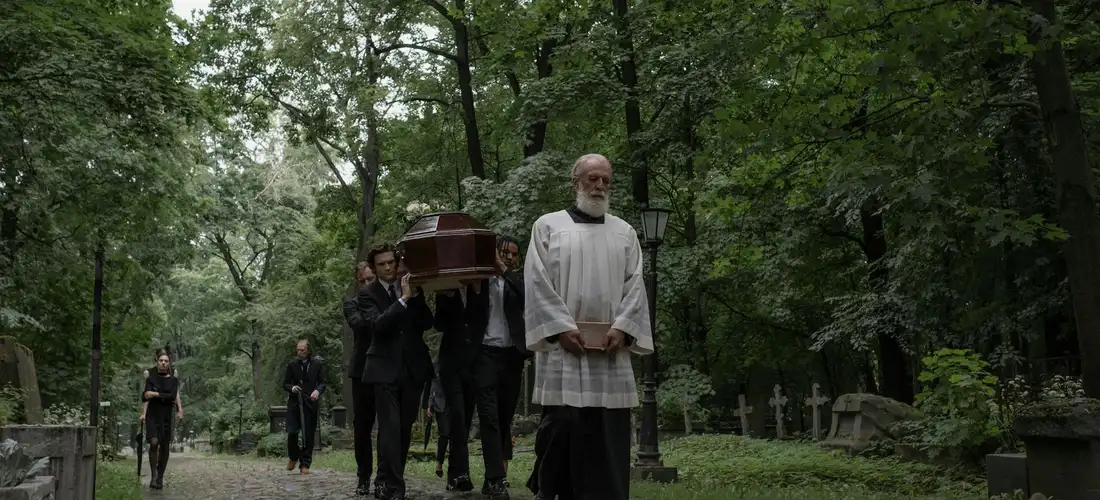
Even the most natural return to the earth is guided by law. All burials, including green ones, follow a mix of state and sometimes county or township regulations. Think of it as a framework that ensures safety and respect, for both the departed and the community, encompassing legal and ethical burial practices.
These rules are not meant to be barriers, but rather guardrails for a peaceful process. Your local guidelines provide the map for a meaningful and lawful farewell.
The Universal Rule: Obtaining a Death Certificate
Before any burial or cremation can proceed, a legal death certificate must be filed. This is the first and most non-negotiable step for any form of final disposition.
A doctor or medical examiner must sign this document. It is the official record that allows everything else to move forward with dignity and order.
This certificate is the essential key that unlocks the next steps, whether you choose a woodland burial or a traditional service. A funeral director or your local vital records office can guide you through this necessary paperwork.
Common State-Level Requirements for Burial
State laws often set the practical details for a green burial. A typical requirement is the depth of the grave. For natural burial, this is usually 3 to 4 feet, rather than the 6 feet used in conventional burials.
This shallower depth allows for better soil composition and faster, more complete decomposition, which is the goal of a green burial. It brings the body into the active layer of earth where microbial life can do its work.
Burials must also occur in a designated location. This is often a specifically dedicated green burial ground within a larger cemetery or a conservation burial park. You cannot simply choose any wooded area.
Some states have gone further, creating specific laws that define and certify what qualifies as a “natural burial ground.” These laws set standards for land conservation, prohibited materials, and long-term stewardship of the site.
Answering “Are Home Burials Legal?”
Many people feel a deep pull toward a family burial on private land. The direct answer is that home burials are permitted in many states, but they come with a complex layer of local rules.
Strict zoning laws and health department regulations almost always apply. You must move beyond state law to investigate your specific county and township ordinances.
Your necessary first step is a call to your local health department; they will know the precise requirements for your property. They can feel like an impersonal office, but their guidance is meant to protect groundwater and public health.
Critical checks usually include verifying clear property ownership, meeting minimum acreage requirements, and maintaining specific setback distances from wells, streams, and property lines. It is a solemn responsibility to ensure the site is both a peaceful resting place and environmentally sound.
Navigating Your Specific State’s Regulations
Laws for natural burial and green cremation are not the same everywhere. Your own state has its own set of rules, which can feel like a quiet maze to walk through. You do not need to memorize every state law; instead, learn how to find the specific information for your area. I often tell families that a focused, gentle approach saves the most energy when grief is present.
- Start with an online search for phrases like “natural burial laws [Your State]” or “[Your State] cemetery regulations.” Look for web addresses ending in.gov, which indicate official state websites. Bookmark the pages for your state’s funeral board or department of vital records, as these are your primary sources.
Using Pennsylvania as an Example
Yes, green burials are completely legal in Pennsylvania. I have helped many families there arrange gentle, natural goodbyes. The process typically involves forgoing embalming and using a simple shroud or a casket made of untreated wood.
Pennsylvania law requires a burial permit, which your chosen funeral director will secure, and the interment must occur in a cemetery legally authorized for green burial. The earth accepts the body without concrete vaults, allowing for a natural return. It is a straightforward, dignified procedure.
- For localized guidance, contacting the Pennsylvania Funeral Directors Association is a wise step. They can provide directories of licensed professionals. Speaking directly with a funeral home certified in green practices will give you clear, compassionate details tailored to your wishes.
Finding Authoritative Information for Your Area
Your state’s funeral board or cemetery association holds the most current and accurate legal information. These offices exist to serve the public, and a phone call can clarify many questions. I have seen the relief in a person’s voice when they get a direct answer from a knowledgeable official, especially when it comes to funeral details and questions.
Always verify what you read online by speaking with a human being who works with these laws every day. Rules can change, and local interpretations matter.
- Reach out to your state’s funeral board. They oversee licensure and can explain requirements for burial and cremation. You can find their contact information through your state government’s main website.
- The most practical advice always comes from a green cemetery or funeral home in your community. They know the specific land, the local inspectors, and the heartfelt realities of arranging a natural farewell. A short conversation with them often provides more comfort than hours of solitary research.
Necessary Paperwork and Information
Handling documents after a death can feel like a cold, administrative task. I see it differently. Gathering these papers is a quiet, final gesture of care. It ensures your loved one’s wishes are honored respectfully and without legal complication.
Each form serves as a guardian of dignity, guiding the physical body through its last steps with order and grace.
The Death Certificate
A death certificate is the primary legal record. A doctor or medical examiner will certify the cause of death. Then, the local vital records office issues the official document.
You will need multiple certified copies. You use them to close bank accounts, claim benefits, and settle the estate. Request at least ten copies; it is simpler than ordering more later.
Burial Transit Permit
This permit authorizes the movement of the body. It is required whether you are traveling across town or across state lines. The funeral director typically secures it from the local health department.
Think of it as a passport for a final journey. This permit ensures the transfer is legal, documented, and respectful at every point.
Cemetery Plot Deed or Interment Rights
This deed proves you have the right to bury someone in a specific cemetery plot. It is like a property title for that piece of land. You must provide it to the cemetery before any burial can occur.
If you are using a green burial ground, review this deed carefully. It will list any specific rules about monuments, plantings, or land stewardship you agree to uphold.
Green Burial Ground Paperwork
Natural burial grounds have their own requirements to protect the land. They often ask for verification that your burial container or shroud is truly biodegradable.
You may need to provide a certification from the casket maker or a photo of the simple pine box. This isn’t red tape; it’s a promise to the earth, ensuring nothing harmful is placed in the soil.
Keep all these papers together in a folder. When the moment comes, having them ready is one less weight to carry. It allows you to focus on memory, not on bureaucracy.
Legal Considerations for Green Cremation Services
Cremation is a process governed by state law. Every cremation requires official permits and authorizations. The “green” aspect comes from the choices you make about the process itself and what happens to the ashes afterward. These choices are layered on top of the standard legal requirements.
You focus on reducing the environmental footprint. The law focuses on ensuring the procedure is documented and respectful. It is helpful to see these as two separate but parallel tracks.
The Standard Cremation Authorization Process
Before any cremation occurs, a legal chain of permission must be followed. This process is designed to prevent errors and protect everyone’s wishes.
The authority begins with the next-of-kin or the person named in a legal document. That person must sign a cremation authorization form. This form is a legal document your funeral home provides.
A licensed funeral director then files for a permit from the local vital records office. This permit is the final legal step allowing the crematory to proceed. Cremation legal documents, such as authorization forms and final disposition directives, may also be required to complete the process. No crematory can legally operate without this official permit in hand.
Some states also enforce a mandatory waiting period. This is a set number of hours between the time of death and the cremation. The purpose is to allow time for any questions or concerns to be resolved. Your funeral director will know your state’s specific rule.
Eco-Friendly Cremation Choices and the Law
For those seeking an alternative to flame-based cremation, water cremation is an option. Its formal name is alkaline hydrolysis. The process uses water, heat, and alkaline chemicals to gently break down the body.
Water cremation is legally recognized as a form of cremation in many states, but not all. The laws are changing steadily. A knowledgeable funeral home can tell you if it is available in your area. Where it is legal, it follows the same authorization and permit process as traditional cremation.
Scattering ashes is where personal choice meets simple guidelines. For private land, you only need the landowner’s permission. It is a kind and respectful gesture to inform them of your plans.
Scattering at sea has federal guidelines managed by the Environmental Protection Agency. The core rule is to do it at least three nautical miles from shore. You must scatter “cremains,” not a recognizable container, and notify the EPA within 30 days. These rules are straightforward and designed to protect our waters.
Working with Green Funeral Homes and Cemeteries
When you are making arrangements during a time of grief, legal details can feel overwhelming. A knowledgeable green funeral home acts as your guide and advocate, translating complex state and local rules into clear, manageable steps. Their primary role is to navigate the regulatory landscape for you, ensuring every choice meets both your wishes and the law.
How They Navigate Regulations For You
A professional green provider understands the specific regulations for your county and state. They know which forms are required for a home funeral, what depth a natural grave must be, or which documentation certifies a green cremation. This expertise is their greatest service to you. They handle the intricate paperwork and compliance checks, allowing your family to focus on remembrance and care.
Their Role in Care, Sourcing, and Paperwork
Their work is practical and reverent. It begins with gentle, chemical-free care for the body, using methods like cooling or essential oils. They source approved materials, such as simple shrouds of organic cotton or caskets of untreated pine, willow, or seagrass. Every item, from the burial shroud to the grave liner, is chosen for its ability to decompose naturally and meet cemetery standards.
Concurrently, they manage all necessary permits. This includes the death certificate, burial or transit permits, and any paperwork required by the green cemetery. They file these documents correctly and on time. I have seen the relief on a family’s face when this logistical burden is lifted from their shoulders.
Questions to Ask Your Provider
Not every funeral home that offers “green” options has deep experience. Asking a few direct questions can help you find a truly practiced partner. Listen for answers that are specific and rooted in actual cases, especially when it comes to green or eco-friendly funeral methods.
- “How many natural burials or green cremations do you arrange each year?”
- “Can you walk me through the exact preparation process you use, without embalming?”
- “Which local cemeteries do you work with for green burial, and what are their specific rules?”
- “Can you provide a list of the materials you use, and explain why they are considered eco-friendly?”
A genuine provider will answer these questions patiently and with detail, showing their familiarity through real examples. They should welcome your curiosity. This conversation builds the trust you need during a difficult time, ensuring your choices are honored with both expertise and respect.
Alternative Options Within the Framework of Law
The rules that guide natural burial might seem firm at first glance. Yet within their structure, there remains space for gentle, personal choices. My experience has shown that a family’s wish for meaning and connection can still be fully realized.
You have more paths available than you might think. The law provides a framework, not a cage, for your farewell.
Hybrid Cemeteries: A Common and Accessible Choice
Many families find a compassionate solution in a hybrid cemetery. These are traditional cemeteries that have dedicated a portion of their land for natural burial.
This option often makes a green burial more accessible, both in location and in cost. You can visit a familiar, local cemetery while still choosing an environmentally gentle option. In a traditional green burial comparison, you can weigh how this option stacks up against conventional methods. The natural burial section will follow state law, but will also have its own set of rules, like prohibiting vaults and requiring biodegradable caskets.
It offers a balance. One area of the land may have upright headstones and manicured lawns, while the natural section allows native grasses to grow and markers to lie flat against the earth.
Conservation Burial: The Highest Standard for Land Protection
For those seeking the deepest level of environmental stewardship, conservation burial is the standard. These burial grounds are always located on land protected by a conservation easement, a legal agreement that binds the land to remain wild forever.
The requirements here are the strictest. Everything from the burial depth to the type of plant life used for restoration is managed to benefit the local ecosystem. Choosing this means your loved one’s resting place actively contributes to the preservation of open space, wildlife habitat, or native forests.
It is not just a burial. It is a permanent, legal gift to the land itself, similar to a historical burial site. These sites are often more remote, feeling more like a nature preserve than a cemetery.
A Separate Green Memorial Service
Remember that the burial itself is only one part of saying goodbye. If your chosen cemetery has specific limitations on cemetery plot and burial regulations, you can hold a separate memorial service that fully reflects green values.
This service could be held in a park, a family garden, or a community hall. You can use digital invitations, ask for donations to an environmental cause in lieu of flowers, and share stories in a circle under the trees. The focus shifts entirely to celebrating a life lived, with the natural world as your setting and witness.
I have seen families find great peace this way. The legal necessities of the burial are handled with care, while the personal ritual of remembrance is given its own, unbounded space to breathe.
Gentle Guidance on Laws and Logistics
Is a green burial regulated differently than a conventional burial?
No, the same state and local laws that govern all burials apply to green burial. The difference lies in how those laws are met, focusing on biodegradable materials and direct earth contact without a vault. In some Native American communities, burial laws and tribal sovereignty add further requirements.
Can any cemetery accommodate a natural burial?
Only cemeteries with designated natural burial grounds can accommodate this practice. It is essential to confirm a cemetery’s specific green burial policies, as their site rules must align with state regulations for it to proceed.
Are there legal restrictions on scattering cremated remains?
Yes, scattering is permitted but guided by respectful rules. On private land, you need the owner’s permission, while scattering at sea follows specific federal guidelines to protect the environment.
Parting Reflections on Natural Burial Laws
The single most important guidance I can offer is to always begin by consulting the regulations specific to your state. This respectful inquiry ensures your final wishes are honored within a framework of care and legality.
Opting for a natural return to the earth is a dignified expression of Funeral Care, thoughtfully addressing Funeral Needs. I urge you to gently pursue knowledge, allowing your Funeral Questions to guide you toward choices that offer comfort and respect.
Emiliana Dieter
Emiliana is an author at The Valedictory. She is an experienced funeral care advisor and arranged and organized many funerals as part of her end of life consulting services. She has over 8+ years in the funeral industry managing her family funeral business and helping families cope with the loss of their loved ones. Her articles answer any and all questions you might have regarding funeral arrangements, costs, preparations, etc so you can make this a seamless experience.