
A Gentle Guide to Writing and Publishing an Obituary Online or in a Newspaper
Writing an obituary after a loss is a tender task, one that asks you to summarize a life while your own heart is heavy.
I will help you navigate this with care. This article provides practical steps for:
- Writing a heartfelt obituary that captures a unique life
- Publishing an obituary on online memorial sites and social platforms
- Placing an obituary in a newspaper, including costs and timelines
Key Takeaways: A Gentle Starting Point
This task can feel heavy right now. My aim is to make it feel manageable for you.
An obituary is more than a public notice. It is a first, lasting tribute. It holds a life story for friends and future generations.
There is no single right way to write this tribute. Your version, filled with your memories, is the correct one.
The most critical steps are simple. Start by gathering the basic facts quietly. Then, consider where you want this story to live, online or in print.
Immediate Action Checklist: Your First Steps
In the first day or two, focus on these few items. You do not need to complete everything at once.
- Collect the essential facts. Write down the person’s full legal name, their date of birth, date of death, and the city where they died.
- Reach out to immediate family. A brief conversation can ensure everyone feels considered before anything is published.
- Decide between a newspaper, an online memorial site, or both. Think about where friends and family are most likely to see it.
- Ask the funeral home for guidance. They often have templates and know the submission process for local papers.
- Give yourself permission to pause. This is emotional work. It is alright to take a breath between steps.
Essential Paperwork and Information to Gather
Before you sit down to write, gathering everything you need can help the process feel more manageable. I often suggest making a simple checklist. It provides a small sense of order when everything else feels scattered.
Collect these details in one place. Having them at your fingertips will ease the task of writing.
- Full legal name of the deceased, including any maiden name, nickname, or professional name they were known by.
- Complete date of birth and city/state of birth.
- Complete date of death and city/state of death.
- Names of surviving immediate family members. List spouses, children, siblings, and parents, often in a specific order. Include their cities of residence if you wish.
- Names of predeceased immediate family members. It is customary to note who passed away earlier, often preceded by “preceded in death by.”
- Funeral or memorial service details. This includes the date, time, and full address of the service, plus the name of the funeral home or place of worship.
- Biographical highlights and personal notes. Think about their education, career, military service, hobbies, memberships, and what they loved. These details paint a portrait.
- A clear, recent photograph in digital format. Most publications require a high-resolution JPEG or PNG file. Choose a photo that captures their spirit.
For submissions to a traditional newspaper, it is wise to have the official death certificate on hand. Some papers require it for verification before they will print an obituary. Calling the newspaper’s obituary desk beforehand can clarify their specific requirements and save you a later moment of stress, especially when you are writing a traditional obituary that demands official documentation.
How to Write a Meaningful Obituary: Structure and Heart
You might be holding a pen, staring at a blank page, wondering how to begin. The task can feel immense. I suggest you start by simply gathering your thoughts in one place. Jot down memories, facts, and the feelings you wish to convey. You do not need to write in order.
A simple structure can be a gentle guide when your mind feels scattered. Many find it helpful to follow a common template.
- Announcement of Death: State the person’s full name, age, and the date and location of their passing.
- Biographical Summary: Share the story of their life. This includes birthplace, education, career, military service, hobbies, and passions.
- Family List: Name surviving and predeceased family members. This publicly honors their most important relationships.
- Service Details: Include the time, date, and location of any funeral, memorial, or visitation.
- Special Messages: Add a thank you to caregivers, a meaningful quote, or a request like “In lieu of flowers…”
The tone you choose sets the entire feeling of the piece. You can write a formal, respectful notice. You can also write a celebration filled with their unique spirit.
Instead of “John enjoyed hobbies,” you might write, “John could often be found in his garden, his hands in the soil, nurturing roses that bloomed as brightly as his smile.” Using examples or templates is not a shortcut. It is a way to honor someone when words are hard to find.
It helps to know the difference between a full obituary and a death notice. A death notice is a brief, factual announcement, often required by a newspaper. An obituary is a fuller story, a public tribute to a life lived. You can publish either one, or sometimes both.
What Information Should Be Included in an Obituary?
Certain details form the foundation of any good obituary. Each piece serves a purpose for family, friends, and the community.
- Full Name and Age: This clearly identifies your loved one for all who knew them.
- Date and Place of Death: This provides essential closure and factual clarity.
- Key Biographical Facts: Details like where they were born, worked, and served tell the arc of their life’s journey.
- Surviving Family Members: Listing spouses, children, grandchildren, and siblings publicly acknowledges the circle of loss. It shows who carries their memory forward.
- Predeceased Family: Mentioning those who died before them honors family history and connections.
- Service Information: This is a practical guide for people who wish to pay their respects and offer support.
- A Final Thought: A favorite poem line, a simple “She will be dearly missed,” or a charitable request leaves readers with a lasting impression.
Family dynamics can be complex. If a situation is delicate, you have options. You can limit details to just a name, or you may choose to omit someone entirely. What matters most is crafting a notice that feels truthful and peaceful for the immediate family arranging the service.
You can handle sensitive relationships with simple, dignified language that focuses on the present moment of mourning. This is a personal document. You control the narrative, protecting privacy while still announcing a profound loss.
Where and How to Publish: Online and Newspaper Paths
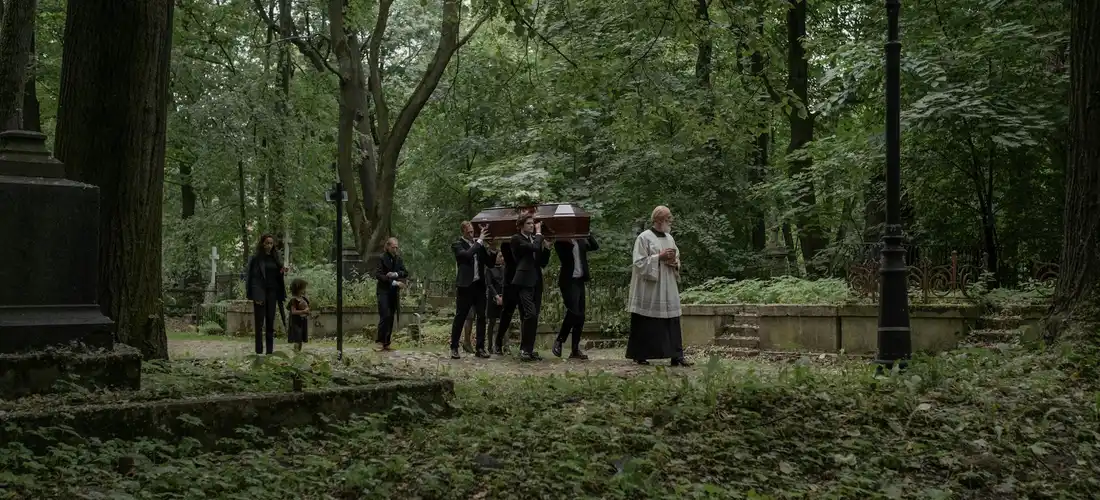
The choice between an online or a newspaper obituary often depends on who you wish to reach and how you want them to remember. I have seen families find comfort in both, although sometimes online obituaries are harder to find.
Online obituaries offer a vast reach, often at a lower cost, and create a lasting space for shared memories. They can be found by friends across the globe at any hour. Visitors can light a virtual candle, share a story, or see a gallery of photos. The space for words and memories is typically generous.
Newspaper obituaries provide a tangible, local record that has anchored community remembrance for generations. There is a solemn weight to seeing a name in print. It formally notifies a local community, especially those who may not use the internet. This path usually involves a fee and strict word limits, making each chosen phrase precious.
How Do I Publish an Obituary Online for Free?
Many people are surprised to learn that free options exist. The goal is to create a respectful tribute without adding financial worry.
Common places for free online obituaries include:
- The website of the funeral home handling arrangements. This is often the simplest, most integrated option.
- Community websites or local online news outlets that serve your town or region.
- Some dedicated memorial platforms that offer a basic free page for condolences and photos.
The submission process is usually straightforward. You will often find a form on the website labeled “Submit an Obituary” or “Place a Notice.” You copy your written text and paste it into the form. You can upload a photo if you wish. After you submit, a staff member typically reviews it for appropriateness before it goes live on the site. If you’re planning to publish in print as well, our print obituary guide covers formatting, deadlines, and submission tips. You’ll find related resources linked in the next steps.
The best websites provide a clean, ad-light space where the focus remains solely on your loved one. Look for features that matter to you, like a permanent web address, an easy way for people to share memories, or the ability to collect donations for a meaningful charity. A gentle design that does not feel commercial often brings the most peace.
How Do I Submit an Obituary to a Newspaper?
Placing an obituary in the paper is a deliberate act. It follows a clear, traditional process.
Follow these steps.
- Find the correct contact information. Visit the newspaper’s website and search for “obituary” or “classifieds.” The contact email or phone number for the “Obituary Desk” or “Classifieds Department” will be listed there.
- Understand their specific guidelines. Every paper has its own rules. You must ask about or find their word count limit, photo requirements (size, file type), and their deadline for next-day publication. They will also need verification of the death, often provided by the funeral home.
- Prepare your submission. Format your text in a simple word processor. Count the words carefully. Have your photo ready as a high-quality digital file. Include your full contact information and the funeral home’s details.
- Submit and arrange payment. Send the text, photo, and your contact info via email or the paper’s online portal. A representative will then contact you with the exact cost and confirm the publication date before processing payment.
Costs are based on word count or column inches, and a photo adds a fee. Publishing in multiple papers means repeating this process with each one, though some services can help. For timing, submissions are often needed by mid-afternoon for publication in the next day’s print edition. The digital version may appear online sooner.
Be prepared for word limits; they require you to distill a lifetime into its most essential lines. This constraint, while difficult, can sometimes help focus the tribute on what mattered most. Write the full story first, then edit with care and love.
Navigating Practical Questions and Concerns
In the quiet fog of grief, even simple tasks can feel overwhelming. Many people have the same practical questions when it is time to publish an obituary. I will address a few of the most common ones here, hoping to bring a little clarity to the process.
How long does publication take?
This depends greatly on where you are publishing. For a traditional newspaper, you must account for their print schedule. Most daily papers need the notice submitted by mid-afternoon to appear in the next day’s edition. Weeklies often have a cutoff early in the week. Always ask the publication directly for their specific deadline to avoid a stressful delay.
Online obituaries posted through a funeral home website or a dedicated memorial site are usually published much faster, often within a few hours of approval. This speed is especially beneficial when compared to traditional funeral home obituaries that might take longer to appear in print.
Can I include a photograph?
Yes, in almost all cases. Newspapers will charge an additional fee for including a photo, and they have specific technical requirements for its size and quality. Online platforms are generally more flexible. Choosing a recent, clear, and happy photo of your loved one can be a beautiful tribute for friends to remember.
Can I edit it after publishing?
For a printed newspaper, it is not possible to make a change once the paper has gone to press. This is why careful proofreading before submission is so vital. Online obituaries offer more flexibility. Most funeral home or memorial websites will allow the family to make corrections or add information after the initial posting. You would simply contact the website administrator or your funeral director for assistance.
How long will an online obituary remain available?
This varies by website. Some funeral home listings may remain online indefinitely as a digital record, while others might archive them after a year. Commercial memorial sites often offer permanent hosting, sometimes for a one-time or annual fee. Ask about the website’s policy on permanence before you commit, so you know what to expect.
These details can feel like one more weight on your shoulders. Please remember, you are not alone in managing them. Your funeral director is an experienced guide who can handle the submission to newspapers and online platforms for you, ensuring everything is formatted correctly and meets deadlines. They are there to lift these logistical burdens so you can focus on your family.
Honoring Wishes in Special or Private Circumstances
Not every life story fits a traditional template. Some situations call for a gentler, more private approach. If you are navigating a complex family dynamic or a sensitive cause of death, know that your choices are valid. Your primary duty is to the memory of the person and the needs of those who grieve.
Writing with Compassion for Difficult Situations
When a death involves estrangement, suicide, or a very private individual, the standard obituary can feel overwhelming. The pressure to summarize a complicated relationship or a painful event is real. I have sat with families who felt this weight.
For estranged family, focus on the factual and the neutral. You can honor a person without detailing fractured relationships. List surviving family members simply by name, or use the phrase “survived by many relatives” if that brings more peace. It is okay to keep the focus on the life lived, not the conflicts that occurred.
In cases of suicide, you control the narrative. The cause of death is a private medical matter. You are never obligated to disclose it. Phrases like “died unexpectedly” or “passed away at home” are truthful and respectful. This protects privacy while allowing you to share remembrances of their life, not just their death.
For intensely private people, less is often more. If the person shunned public attention, a lengthy biography may feel like a betrayal. A short death notice with just the essential details can be the most fitting tribute. It honors their nature while still formally marking their passing.
Respectful Alternatives to a Public Obituary
When a public newspaper notice feels too exposed, consider these private or simplified options. Your need for privacy is paramount.
A private online memorial page is one powerful alternative. These are shared only via a direct link with chosen friends and family. Here, you can share stories, photos, and details you wouldn’t place in a paper. It becomes a shared, digital space for genuine mourning without an audience. It can also tie into digital memorials on social media, where friends and family leave tributes and memories. These online spaces keep the conversation alive while honoring the person.
A simple death notice is another dignified path. It states only the bare essentials: full name, age, date of death, and perhaps funeral service details. This fulfills the practical need to inform the community without inviting public scrutiny. Many newspapers offer this as a lower-cost option.
You might also forgo formal publication entirely. Sending personal letters or emails to a close circle can be profoundly meaningful. This direct communication often carries more warmth and connection than a printed column ever could.
The Gesture of Remembrance
However you choose to proceed, hold this truth close. The act of creating an obituary, in any form, is a gesture of love. It is a final, caring act of witness. Whether it is three lines in a local paper or a private webpage full of memories, you are saying, “This person mattered. Their life had weight and meaning.” That intention, carried out with compassion for yourself and others, is what truly honors a memory.
Frequently Asked Questions
What factors influence the cost of a newspaper obituary?
Costs are primarily based on word count, the newspaper’s circulation rate, and any fees for including a photograph. Your funeral director can often provide a cost estimate and help you adhere to length limits to manage expenses.
How do I publish an obituary in multiple newspapers?
You will need to submit the obituary separately to each newspaper, following their individual guidelines and deadlines. Many funeral homes offer this as a service, handling all the submissions and coordination on your behalf.
What should I do if I find an error after publication?
Contact the publication or website administrator immediately; online obituaries can often be corrected, and newspapers may publish a brief correction in a subsequent edition. Please know that such oversights are common and can usually be addressed with understanding.
Honoring Choices in Obituary Publication
Start by writing a simple, truthful account that reflects your loved one’s story. This honest approach brings comfort to you and to those who will read it.
Let this act of care guide you toward other compassionate decisions in Funeral Care, Funeral Needs, and Funeral Questions. Seeking gentle, informed choices is a dignified way to honor a life and navigate loss.
Emiliana Dieter
Emiliana is an author at The Valedictory. She is an experienced funeral care advisor and arranged and organized many funerals as part of her end of life consulting services. She has over 8+ years in the funeral industry managing her family funeral business and helping families cope with the loss of their loved ones. Her articles answer any and all questions you might have regarding funeral arrangements, costs, preparations, etc so you can make this a seamless experience.