
What Should You Bring or Send to a Funeral? A Guide to Funeral Gifts and Etiquette
Choosing how to show your care at a funeral can leave you feeling adrift. Your sincere desire to offer comfort is the right place to start.
I will help you navigate this with clarity and compassion. We will discuss thoughtful gifts to bring or send, essential funeral etiquette, and how to offer support that truly honors the bereaved.
Key Takeaways: Gentle Guidance for a Difficult Time
Your wish to bring comfort during grief is a kindness in itself. I want to reassure you of that.
Hold three principles close. Your presence holds more weight than any present. Choose simplicity over extravagance. Always consider the family’s cultural or religious customs.
In my experience, a few offerings are almost always welcomed.
- A heartfelt, handwritten note expressing your sympathy.
- A modest arrangement of flowers, simple and respectful.
- A ready-to-eat meal, such as a stew or baked pasta, for their home.
You do not need to bring anything to a funeral as an obligation. These gestures are simply threads of support in a heavy tapestry of loss.
Understanding the Purpose of Funeral Gifts
A funeral gift is a tangible token of sympathy. It serves to honor the memory of the departed and to cradle the living in their sorrow. Understanding funeral flower etiquette can help you express sympathy with grace.
People bring or send these gifts for deep, human reasons. They are a way to express love that words cannot capture. They provide practical relief when daily tasks feel impossible. They allow us to share in the communal act of mourning, standing together.
If you are asking, “are you supposed to bring something to a funeral,” please listen. This is a personal choice, not a mandated rule. Your considered intention is the entire point.
Gifts brought to the service become part of the collective remembrance. Gifts sent quietly to the home later offer solace in the lonely silence that follows.
Are Funeral Gifts and Sympathy Gifts the Same?
Language here is gentle. Often, a “funeral gift” is presented at the service itself. A “sympathy gift” may arrive at the home in the days or weeks after.
The intention to console is identical, a steady hand in the dark. In practice, the terms blend together, and that is perfectly acceptable.
What to Physically Bring to the Funeral Service
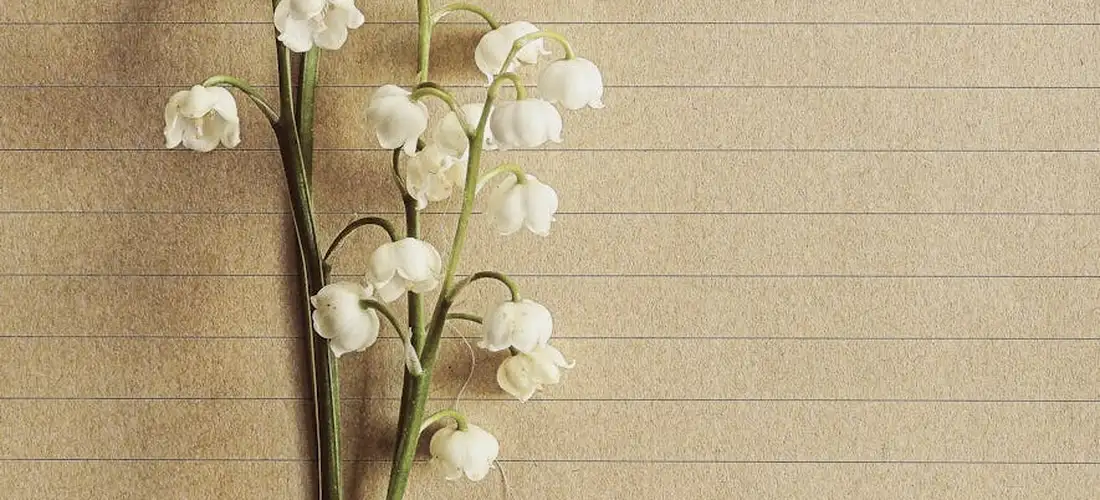
You may wonder what tangible item to carry with you. The most meaningful thing you can hold is a signed sympathy card or a brief, handwritten note. Your written words, expressing a simple memory or your care, become a lasting token for the family long after the service ends. It is a quiet gift they can revisit.
Items for the Service Itself
If you wish to bring a small offering, choose something simple. A modest, portable bouquet or a single stem like a rose or lily is appropriate. These can be placed gently with other tributes without causing disruption.
Sometimes a family will request donations to a charity in lieu of flowers. If so, you may bring a check in a sealed envelope, clearly marked. This act quietly honors the deceased’s values.
Avoid large wreaths, potted plants, or bulky gifts on the day of the service. These items, while well-intentioned, can create logistical difficulty for a grieving family who must transport them afterward. Your restraint is a form of kindness.
Personal Preparedness
Focus also on what you bring for your own comfort and composure. A small packet of tissues and a water bottle are wise. Wear quiet, respectful clothing and bring a spirit of calm.
Remember, the most significant thing you offer is not in your hands. Your full, attentive presence, your willingness to listen and bear witness, is the primary gift. It costs nothing to give and means everything to receive.
What to Send to the Funeral Home or Family
When you cannot attend, sending a gift answers that quiet question of how to show you care. Your offering becomes a physical sign of support, reaching across miles to say you share in their sorrow. It is a gentle way to honor the absence you feel.
Flowers sent to the funeral home are a classic choice. Order them for direct delivery to the chapel. Always confirm the service time with the funeral home and schedule the arrival for at least an hour before. This ensures the arrangement is in place, a soft burst of color and scent to greet mourners.
Direct-to-Home Sympathy Gifts
Shipping a care package to the family’s address meets a real need. A basket of bread, cheese, and fruit requires no preparation, offering nourishment when cooking feels impossible. I have seen a simple tea tin and biscuits provide more comfort than grand gestures.
Potted plants, like a peace lily or succulent, are a lasting alternative. They root themselves in the home, a quiet, growing presence in the weeks ahead. Do not underestimate a handwritten letter. Arriving after the funeral, your personal words can be read in private, a voice of compassion when the house feels too still.
Timing Your Sent Gift
Aim to have your gift arrive within a week of the service. This window often aligns with the acute phase of grief, when practical support is most tangible. Life moves slowly after a loss. If your gift comes later, it still holds meaning, a reminder that their loved one is not forgotten. I tell people it is never too late to extend kindness.
Choosing Appropriate Funeral Gifts

Appropriate funeral gifts are thoughtful gestures that acknowledge loss and offer support. They are not about price or grandeur. The best gift always considers the specific needs, culture, and wishes of the grieving family. Guidelines on funeral gift ideas etiquette can help you navigate what is appropriate to give. This approach keeps your gesture respectful and supportive.
I have seen a simple pot of soup mean more than the grandest floral arrangement. The most meaningful gift often meets a practical need or honors a personal connection. Let us explore some common and compassionate options.
Flowers: Tradition and Alternatives
It is appropriate to send flowers to a funeral, as it is a widespread tradition of respect and beauty. A floral arrangement can bring a soft, living presence to a solemn space. Many families find comfort in their visual warmth. Understanding the etiquette of sending funeral flowers can help you choose the right flowers, wording, and timing. Being mindful of etiquette ensures your gesture remains respectful and comforting for those affected.
However, flowers are not the only way to express care. Consider alternatives if you seek a gift with lasting impact. A donation to a charity the deceased loved is a powerful tribute. A living plant, like a peace lily, can be taken home and nurtured as a lasting reminder.
When Flowers Might Not Be Suitable
In some cultures and religions, flowers are not customary at funerals. Jewish and Islamic traditions, for example, often prefer charitable donations instead. Always check the obituary or service details for the family’s stated preferences, especially when it comes to flower etiquette in Jewish and Muslim funerals. This simple act of attention is a profound sign of respect.
Food and Sustenance
You should bring food to the family of the deceased. In the fog of grief, daily tasks like cooking become overwhelming. Nourishment is a direct, tangible form of care. A prepared meal solves an immediate problem.
Focus on items that are easy to serve and store. Casseroles, soups, or baked goods that can be frozen are ideal. A fruit basket or a gift card for a food delivery service are also excellent choices. In some Muslim communities, a traditional and nourishing gift is a few kilos of dates, offering both symbolic and physical sustenance.
Monetary Contributions
It is acceptable to give money at a funeral. A monetary contribution can help a family with unexpected expenses, from funeral costs to household bills. This gift is about easing a practical burden.
Presentation matters. Place cash or a check inside a sympathy card. Include a brief, heartfelt note, such as “Toward whatever you need most,” to convey the gift’s intention without presumption. This method is discreet and allows the family to use the funds as they see fit.
Personalized and Lasting Mementos
Personalized gifts honor the unique life that was lived. A beautifully framed photo, a memory book where friends can write stories, or a donation made in the person’s name to their favorite cause can be deeply touching.
Timing is key with these gestures. A highly personal gift is often best sent to the home in the weeks following the funeral. In the immediate aftermath, the family’s capacity to absorb such sentiment may be limited. A gift that arrives later shows you remember when the world has grown quieter.
A Note on Etiquette: The How and When of Giving
I have learned that funeral etiquette is not a list of rules. It is an extension of compassion, a quiet way to show you care. When people ask “what is the etiquette for funeral gifts,” they are often seeking a gentle path to offer support without intrusion.
The subtle aspects matter most. It is about timing, presence, and respect for the family’s emotional space. A gift given with this awareness feels like a gentle hand, not another demand.
How to Present Your Gift
At the service, offer your gift quietly. Place it on a table if one is provided, or give it to a family member with a soft word. Do not expect acknowledgment then; your simple act of bringing it is enough.
For gifts brought to a home, always call ahead. If you sense the family is overwhelmed, leave your offering at the door with a note. This small choice honors their need for privacy while your sympathy still reaches them.
What to Write in a Sympathy Card
Write from your heart. Be sincere. If you have a specific, warm memory, share it briefly. I advise avoiding common platitudes that can ring hollow, like saying everything happens for a reason.
Simple, true words often bring the most comfort. Here are a few examples:
- “I am so sorry for your loss. I will always remember [Name]’s wonderful smile.”
- “My heart is with you. I am grateful for the time I had with them.”
- “Please know I am thinking of you and holding you in my thoughts.”
A short, genuine message can be a great comfort long after the service ends.
If You Are Unsure About Bringing a Gift
Do you bring a gift to a funeral? When in doubt, remember that a sympathy card is always enough. It is a tangible sign of your care that the family can keep and read when they are ready. If you receive any during such times, it’s important to send thank-you cards to acknowledge them.
Follow your instinct for kindness over any social pressure. In times of grief, a simple gesture of connection often means more than any object. Your presence and your words are profound gifts themselves.
Cultural and Religious Considerations in Gift-Giving
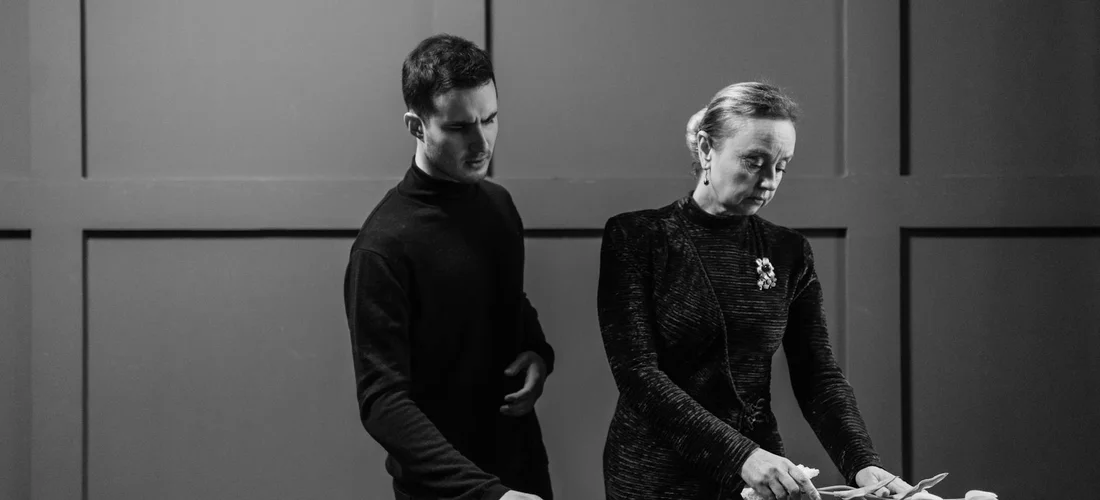
You may be asking yourself, “are there cultural differences in funeral gift etiquette?” The answer is yes, and these differences matter deeply. What is a comforting gesture in one tradition might be inappropriate in another. In the days after the service, post-funeral etiquette and cultural practices guide how families prefer to receive support. Understanding these post-funeral customs can help you navigate gestures with sensitivity. The most important gift you can offer is your respect for their way of grieving.
Taking a moment to understand these practices is an act of kindness. It shows the family you see them, and you honor the person they loved within the context of their faith and heritage.
Common Cultural Practices
Funeral customs vary widely across the world. In many East Asian traditions, it is customary to bring a white envelope containing money to help the family with expenses. In Jewish custom, making a charitable donation in the deceased’s memory is often preferred over flowers.
In some traditions, your quiet presence and prayers are the most meaningful offering. The common thread is a desire to offer practical support or spiritual solidarity in a manner the family will appreciate.
If you are uncertain about the correct practice, it is perfectly respectful to ask a family member or a close friend of the family for guidance. A simple, “I want to be respectful of your traditions, could you advise me?” is often welcomed.
Specific Examples to Illustrate
To give you a clearer picture, here are a few specific practices. For a Hindu funeral, bringing flowers is generally a welcomed and common practice. For some Christian services, the family may request charitable donations in lieu of flowers, which will often be noted in the obituary.
In Islamic traditions, bringing food is a highly valued act of support. Simple, practical meals or items like dates are often brought to the family’s home to ease their burden during the mourning period.
These examples are just a starting point. When in doubt, leaning towards simplicity and sincerity is always a safe path.
Support and Reflection: After the Funeral
Attending a funeral, whether as a grieving family member or a supportive guest, carries a significant emotional weight. The shared sorrow in the room is a heavy, tangible thing. In the quiet that follows the service, a different kind of care begins.
This period shifts the focus from public ritual to private processing and ongoing support. The flowers may fade, but the need for compassion does not.
Caring for the Bereaved in the Weeks Ahead
Your support in the weeks and months after the funeral can be a profound gift. A simple, specific offer of help often means more than a general “let me know if you need anything.”
Consider sending a text to run an errand or dropping off a prepared meal on a random Tuesday. Mark a date on your calendar to call in a month, when many others have returned to their routines.
Grief does not follow a schedule, and a kind gesture long after the funeral can feel like a lifeline.
Remembering the anniversary of the death, or the loved one’s birthday, with a brief note shows you haven’t forgotten. It acknowledges that their loss is ongoing, a thread still woven into daily life.
Caring for Yourself
Funerals can stir deep feelings, both old and new. It is perfectly normal to feel drained, contemplative, or unexpectedly sad in the days that follow. Allow yourself space for these feelings without judgment.
You might find it helpful to talk about your memories of the person who died, or simply about the experience of the day itself. Taking a quiet walk or spending time in a familiar, comforting place can also provide solace.
If your feelings feel overwhelming or persist, seeking support is a sign of strength, not weakness.
Speaking with a grief counselor or joining a support group can provide tools and companionship for navigating loss. These are safe spaces where your experience is understood, without any need to hurry your healing. Learning about the benefits of grief support groups can guide your next steps. You’ll see how these groups offer ongoing support, connection, and practical coping tips.
Frequently Asked Questions
Is it ever too late to send a sympathy gift?
No, it is never too late. A thoughtful gesture sent weeks or even months later can be a meaningful reminder of your ongoing support during a lonely period of grief.
How do I choose a gift if I didn’t know the deceased well?
Focus on universal gestures of care for the bereaved family. A sympathy card with a sincere note, a food delivery gift card, or a donation to a charity mentioned in the obituary are always appropriate and considerate choices.
What is the most important thing to consider when giving a funeral gift?
The most important consideration is the needs and customs of the grieving family. Your intention to offer comfort respectfully will always guide you toward an appropriate gesture.
Parting Reflections on Funeral Gifts and Etiquette
When offering support after a loss, let your choice be a quiet testament to the person you are honoring. The most meaningful gesture often springs from simple observation-a shared memory, a needed meal, or your steadfast presence.
Approaching Funeral Care with dignity includes considering gentle, eco-conscious options that honor a life lived. May your ongoing attention to Funeral Needs and Funeral Questions help you offer comfort with both grace and practical sense.
Emiliana Dieter
Emiliana is an author at The Valedictory. She is an experienced funeral care advisor and arranged and organized many funerals as part of her end of life consulting services. She has over 8+ years in the funeral industry managing her family funeral business and helping families cope with the loss of their loved ones. Her articles answer any and all questions you might have regarding funeral arrangements, costs, preparations, etc so you can make this a seamless experience.