Embalming Explained: What You Need to Know for Viewings, Burials, and Alternatives
When a death occurs, the question of embalming often arrives quietly, carrying with it a tangle of practical concerns and deep personal feelings.
This article offers a clear path through those questions. We will cover the core purposes of embalming, the specific legal requirements that dictate when it is necessary, how common practices differ for viewings and burials, and the meaningful alternatives available to families.
Key Takeaways: Compassionate Guidance at a Glance
A few clear facts can provide comfort when you’re making arrangements. Let’s start with what matters most.
- Embalming is seldom required by law, but it is a common funeral home policy for public viewings. This practice is about care and timing, not legal obligation.
- You have the right to choose what feels right for your family. Your decisions are valid and should be respected.
- Alternatives like direct burial or cremation are always available. These options honor your loved one without embalming.
Understanding Embalming: A Gentle Explanation
Think of embalming as a gentle pause, a temporary preservation that slows natural changes. It creates a window for farewells.
I have seen families choose embalming for three main reasons. It allows for a viewing, which can be a profound part of healing. It provides time for relatives to journey from afar. For many, it is a meaningful cultural practice.
So, are all bodies embalmed? No, it is always a choice. Are people embalmed before burial? Not necessarily, direct burial is a simple, dignified alternative. People often weigh reasons for choosing embalming, such as preserving the body for viewing or ensuring a dignified farewell. These considerations help families decide what best fits their needs.
Embalming Requirements for a Viewing or Visitation
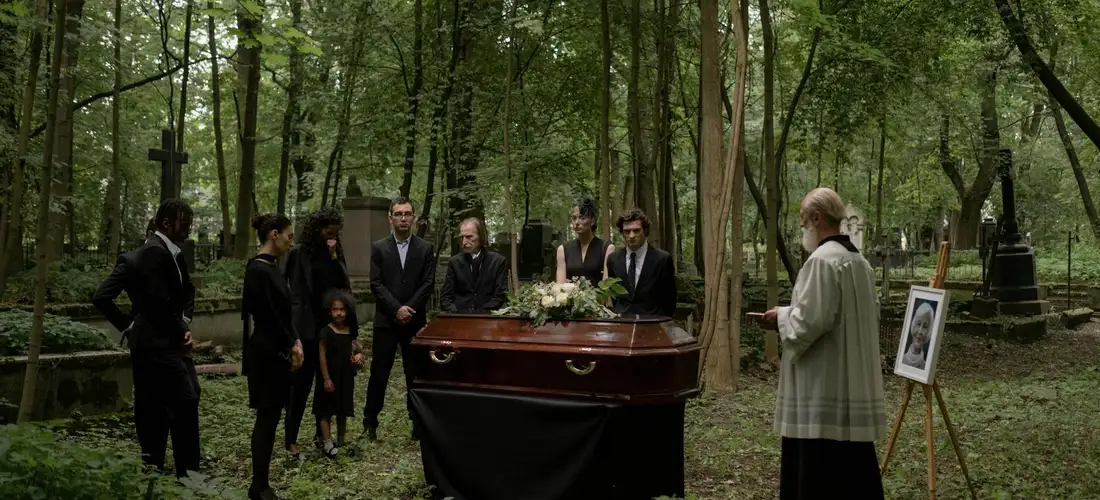
Many families believe embalming is a legal requirement for a public viewing. This is rarely the case. State law generally does not mandate embalming for a viewing; the policy is almost always set by the individual funeral home. They establish these rules based on public health, practical care, and the well-being of mourners.
Funeral homes consider several factors when deciding if embalming is needed for an open casket. The time between death and the service matters greatly. So does the cause of death and the physical condition of the person. A home may require embalming if there will be a delay or if the circumstances of death make preservation necessary for a dignified viewing.
This leads to the central question: can a body be viewed without embalming? The answer is often yes. A private family viewing without embalming, held soon after death, is frequently possible when the body is kept under refrigeration. This allows for a quiet, immediate goodbye. Those considering this option may want to know what an unembalmed viewing typically involves. Further details on arranging such a viewing can be explored in the next section.
Some funeral homes offer this as a standard option. You simply need to ask. For a public visitation or a service days later, refrigeration can still be an alternative to embalming, but the logistics become more complex. The key is prompt and clear communication with your funeral director about your wishes and their capabilities.
Embalming Requirements for Burial
Let me begin with the most important point for you to know. There is no universal federal law that requires embalming before a burial. This choice is often yours to make. Some people opt for burial without embalming for personal, cultural, or environmental reasons. We’ll explore what that means and the options in the next section.
Many families find comfort and closure in a simple, timely burial without this procedure. I have supported many services where a natural burial was the most fitting tribute.
When Delay Creates a Requirement
The most common rule involves time. If the burial will be delayed beyond a specific period, state or local law may require embalming or refrigeration.
This period is often 24, 48, or 72 hours after death. The specific time limit depends entirely on the regulations in your county or state. Your funeral director will know this rule and can explain your options clearly.
These rules exist for public health considerations. They are not meant to complicate your grief, but to ensure safety for everyone involved.
Requirements for Transportation
Different rules apply when moving a body. Transporting across state lines or using a common carrier, like an airplane or train, almost always triggers a requirement.
In these cases, the law typically mandates that the body be embalmed or placed in a specially sealed, leak-proof container. This is a standard transportation regulation, not a funeral home policy.
The funeral home handling the arrangements will manage all the necessary paperwork and preparation to comply with these transit laws. You can ask them to walk you through each step.
What the Law Says About Embalming
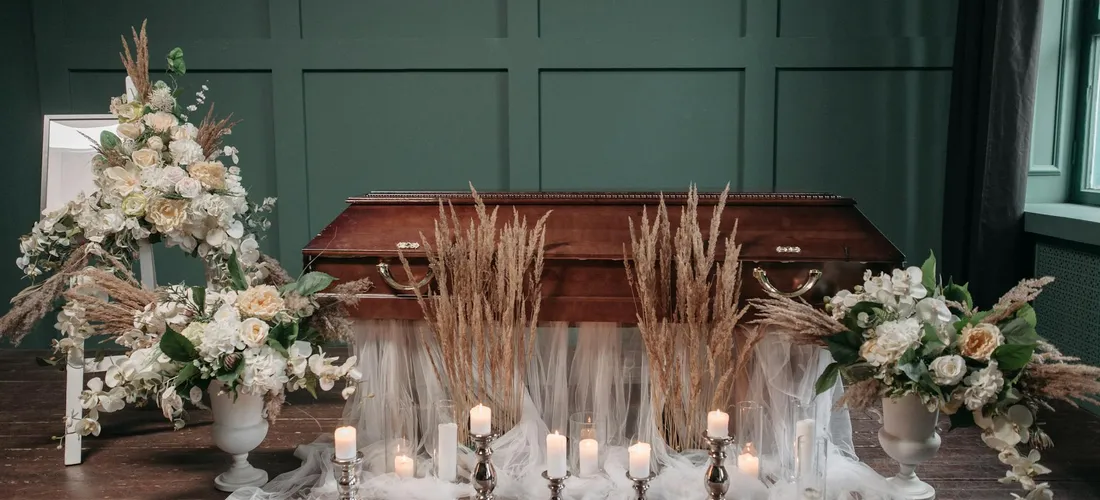
Many people are surprised to learn there is no universal, federal law requiring embalming. The rules are set by each state. This means the requirements in Texas can differ from those in New York or California.
Instead of trying to memorize fifty different state codes, you can ask one simple question. Your funeral director is obligated to know and explain the specific laws for your state and situation. A trustworthy professional will provide this information without hesitation.
A critical federal rule does exist to protect you: the FTC Funeral Rule. It requires funeral homes to give you a detailed price list and prohibits them from falsely stating that embalming is legally required for a simple, prompt burial or cremation.
Key Legal Protections for Families
You have the right to make choices that feel right for your family and your budget. The law supports this. Funeral homes must allow you to select only the goods and services you want. You are not required to accept a packaged deal.
If a funeral home tells you that a casket for cremation is mandatory, or that you must use a certain type of urn, you can ask for the legal citation. Often, these are policies, not laws. Your right to choose only what you need is a powerful protection against unnecessary expenses.
Transparency is your other main safeguard. By law, you have the right to receive a clear, itemized price list over the phone or in person before you discuss any services. This list allows you to see the cost of each option, from transportation to flowers, so you can make informed decisions without pressure.
Common Practices for a Viewing or Wake
A viewing typically happens in a funeral home’s soft lit chapel or a family’s quiet living room. Guests arrive, spend a moment before the casket, and then offer condolences to loved ones gathered nearby.
The family often stands receiving guests, sharing quiet stories that paint a picture of a life well lived. This gentle flow allows for personal goodbyes in a space meant for reflection.
The room feels still, with chairs arranged for sitting and the faint scent of flowers in the air. You might hear whispered conversations and the soft sound of someone crying.
We use cosmetics to restore a natural, resting appearance, smoothing the signs of illness or age. The clothing is chosen with care, often a favorite sweater or a formal outfit that reflects the person’s spirit.
Placing a cherished book or a photograph in the casket helps create a peaceful memory picture. I always advise families to select items that feel true to their loved one’s essence.
These details are not about disguise, but about dignity. They offer a final glimpse that can be a source of comfort, not distress.
Customs vary deeply across cultures and faiths, shaping every part of the viewing. In many Catholic and Protestant traditions, an open casket is common, with time for prayer and visitation.
Jewish law usually requires a closed casket, with the service following quickly after death. In Muslim tradition, the viewing is private, for family only, and the body is washed and shrouded simply.
Some Eastern Orthodox services include an open casket surrounded by icons and candles. Hindu families may hold a brief viewing at home before cremation.
I have helped families navigate these differences, and the common thread is respect. Honoring these practices provides a solid ground for grief to begin.
Common Practices for Burial Services
A traditional burial service often follows a gentle, established rhythm. This sequence provides a framework for saying goodbye, offering a sense of structure during a disorienting time.
The gathering typically begins with a funeral or memorial service at a church, funeral home, or other meaningful location. Afterward, a procession travels to the cemetery. The final moment at the graveside is called the committal, a brief ceremony where words of comfort are shared before the casket is lowered. This transition from service to graveside helps frame the reality of the loss, which can be an important step in grieving.
You may hear about a burial vault or grave liner. These are outer containers that the casket is placed into within the grave.
It is vital to know that using one is nearly always a cemetery requirement, not a state law. Cemeteries mandate them to prevent the ground from settling as the casket deteriorates over time. This maintenance concern for the cemetery’s landscape is the primary reason for the rule, ensuring graves remain level and even.
A vault is usually sealed and made of concrete or metal, while a simpler liner may have an open bottom. Your funeral director can explain the options your chosen cemetery permits.
Many families choose to incorporate personal or cultural traditions. A veteran, for instance, is often entitled to military honors.
This involves a detail of service members who perform a flag-folding ceremony and present the flag to the next of kin. The solemn sound of “Taps” being played carries a profound weight of recognition and gratitude.
For those seeking a different path, green or natural burial is an alternative. In a green burial, the body is prepared without embalming chemicals and buried in a biodegradable shroud or casket, allowing for a direct return to the earth. This practice focuses on environmental stewardship and requires a cemetery that supports its specific, simpler preparation standards.
Alternative Options to Embalming and Traditional Burial
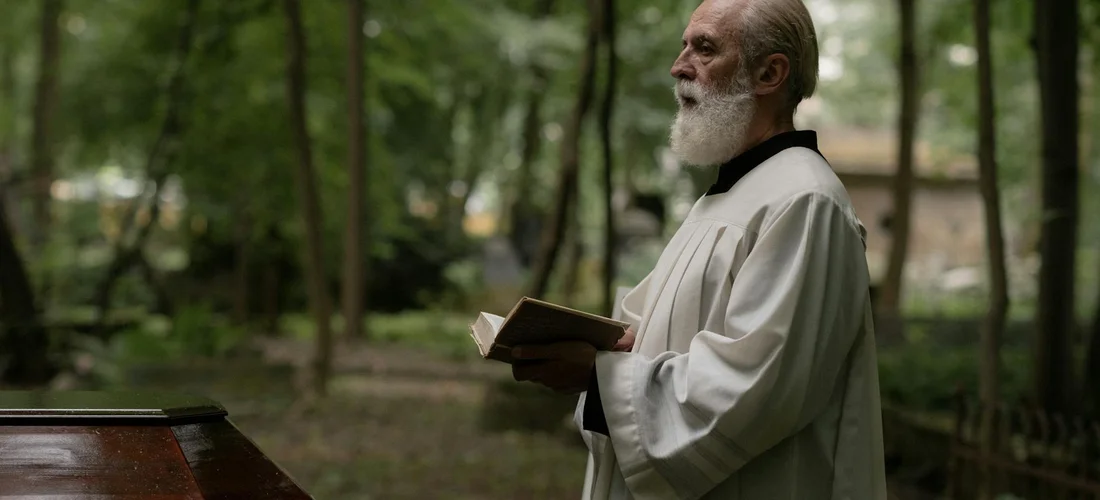
For many, the standard path of embalming and a casket burial feels right. For others, a different approach resonates more deeply. Exploring these alternatives is a valid part of honoring a life in a way that feels authentic.
These choices often center on simplicity, environmental consciousness, or a desire to minimize physical intervention. Every option presented here is a legitimate form of final care.
Direct Burial and Direct Cremation
These are the most straightforward alternatives to a funeral with embalming and viewing. They focus on the essential act of disposition without additional ceremonies beforehand.
Both direct burial and direct cremation avoid the embalming process entirely, as there is no public viewing. This often makes them more affordable choices. The key difference lies in the final step. In burial, the body is laid to rest in a grave or tomb. Cremation, by contrast, reduces the body to ashes managed by the family.
Direct burial involves placing the body in a simple container, like a cloth shroud or a basic casket, and interring it in a cemetery plot shortly after death. Direct cremation involves cremating the body soon after death, after which the ashes are returned to the family.
Here is a brief comparison of the two approaches:
| Option | Key Feature | Consideration |
|---|---|---|
| Direct Burial | Burial in a cemetery without a prior funeral service. | A graveside memorial can be held later. |
| Direct Cremation | Cremation shortly after death, without a viewing. | Ashes allow for flexible memorials or keepsakes later. |
Green or Natural Burial
This practice returns the body to the earth in the most direct way possible. It forgoes modern barriers between the body and the soil.
A green burial uses only biodegradable materials, such as a simple pine box, a wicker casket, or a cotton shroud. Embalming chemicals, concrete vaults, and metal caskets are not used. The goal is to allow the body to decompose naturally and contribute to the ecology of the land.
These burials occur in dedicated natural burial grounds or specific sections of conventional cemeteries. The landscape is often maintained as a meadow or woodland, with native stones or plants serving as markers.
I have walked these grounds. There is a profound peace in them, a sense of gentle return that many families find deeply comforting.
Other Emerging Alternatives
Science and changing attitudes have led to new methods of disposition. While not yet universally available, they are becoming more recognized.
Alkaline hydrolysis, sometimes called water cremation, uses a gentle water and alkali solution to accelerate natural breakdown. The process results in bone ash, similar to traditional cremation, but uses less energy.
Human composting, or natural organic reduction, transforms the body into nutrient-rich soil over several weeks. This soil can be used to nourish gardens or conservation land.
The legal acceptance of these methods varies significantly by state and country. If you are considering them, you must inquire about their current status in your specific location. A funeral director knowledgeable about alternatives can provide the most current guidance.
When to Call a Funeral Director for Guidance
Some moments after a death require a professional’s hand. The logistics are complex, and the laws are strict. Calling a funeral director is not a sign of surrender, but a step toward clarity.
Their help becomes essential for three key tasks. First, they manage the legal paperwork, like filing the official death certificate and obtaining any required transit or burial permits. Second, they safely transport the body from the place of death to a funeral home or other facility. Third, they navigate the specific rules of cemeteries and crematories, which often have detailed requirements families don’t know about.
Making that call early gives you the space to breathe and think before deciding. You can ask questions and understand the full scope of your options, from direct cremation to a full service. This knowledge removes the fear of the unknown and prevents you from feeling rushed into a choice while you are grieving.
Think of a good funeral director as a knowledgeable guide for a path you have never walked. They explain the local laws and common practices in plain language. Their real role is to help you honor your loved one in a way that feels right, while also respecting your practical needs and budget. Part of their duties is coordinating services and ceremonies, along with transportation. They also handle necessary paperwork and help you understand options so you can choose with confidence.
Compassionate Guidance: Your Embalming Questions Answered
Is embalming ever legally required?
Yes, but only in specific situations like delayed burial (often beyond 24-72 hours, depending on local law) or when transporting a body across state lines. For a simple, timely burial or cremation, it is not a legal requirement.
What is a common cemetery requirement for burial?
Most cemeteries require an outer burial container, such as a vault or grave liner, to prevent the ground from settling. This is a cemetery maintenance policy, not a state law, and your funeral director can explain the options available.
What are some newer alternatives to traditional methods?
Beyond direct burial or cremation, emerging alternatives include alkaline hydrolysis (water cremation) and natural organic reduction (human composting). Their availability is governed by state law, so please inquire about current regulations in your area. Understanding cremation methods and burial alternatives helps you compare options. More details will follow via links in the next steps.
Honoring Personal Decisions in Final Arrangements
Remember that embalming is often a personal choice, not a universal requirement, and knowing your local laws gives you clarity. Your most meaningful act is to select an option that respects your loved one’s life and brings your family comfort.
I encourage you to consider dignified care through eco-friendly alternatives, which can offer a gentle farewell. Your ongoing attention to Funeral Care, Funeral Needs, and Funeral Questions is a compassionate way to find peace with the choices you make.
Emiliana Dieter
Emiliana is an author at The Valedictory. She is an experienced funeral care advisor and arranged and organized many funerals as part of her end of life consulting services. She has over 8+ years in the funeral industry managing her family funeral business and helping families cope with the loss of their loved ones. Her articles answer any and all questions you might have regarding funeral arrangements, costs, preparations, etc so you can make this a seamless experience.