
Embalming Fluid and Powder: A Compassionate Guide to Chemicals and Safety
You may have questions about the materials used in embalming, and that concern is both understandable and respectful.
I will explain these substances with care and clarity. This includes the primary chemicals, their specific composition, vital safety protocols, and the step-by-step process of their application.
Key Takeaways
Learning about embalming can feel overwhelming when you are grieving. Please know this is normal.
Embalming is a skilled act of care, performed by licensed professionals. Its purpose is to allow for a peaceful, final viewing, which many families find comforting. Understanding the reasons people choose embalming can help families make informed decisions.
The fluids and powders used today are highly regulated and safe when handled by trained professionals using proper procedures.
Understanding what is involved can help you make decisions with confidence and peace of mind.
Understanding Embalming Fluid: Its Purpose and Primary Chemicals
Embalming fluid serves one primary, human purpose: to create a temporary state of preservation and restoration. This allows family and friends time to gather, to see their loved one looking peaceful, and to say goodbye. Knowing that the process preserves the body can be comforting during this emotional time.
Many people ask, “Do they use formaldehyde to embalm bodies?” The answer is yes. Formaldehyde is the primary preservative agent. It works by creating strong bonds with proteins in the body’s tissues, slowing down change.
Think of it as a specialized disinfectant and preservative combined. Alongside formaldehyde, fluids contain alcohols like methanol or ethanol, which help with disinfection and fluid distribution. Humectants are also added; these are agents that help retain moisture, preventing tissues from becoming too dry.
This combination addresses both preservation and presentation, aiming for a natural appearance.
The Detailed Composition of Modern Embalming Fluid
A typical modern embalming fluid is a carefully balanced solution. It is not a single chemical, but a mixture designed for specific results.
The main components include:
- Preservatives (like formaldehyde): These are the foundation. They halt cellular breakdown and inhibit microbial growth.
- Disinfectants (like phenolic compounds): These work alongside preservatives to ensure sanitation.
- Modifying Agents (humectants and buffers): Humectants, such as glycerin or sorbitol, keep tissues soft and supple. Buffers control the pH of the solution for stability.
- Dyes: Often a pink or red dye is added to restore a natural, life-like skin tone, counteracting pallor.
- Water and Perfuming Agents: Water is the carrier for all these components. A mild perfume may be included to neutralize any chemical odors.
When a funeral director refers to a standard, reliable formulation, they might simply call it an “okay embalming fluid.” This means a trusted, professional-grade product that performs predictably. Each component has a clear role, working together to achieve dignity and tranquility for the person being cared for.
The Safety of Embalming Fluid: Handling, Exposure, and Your Questions
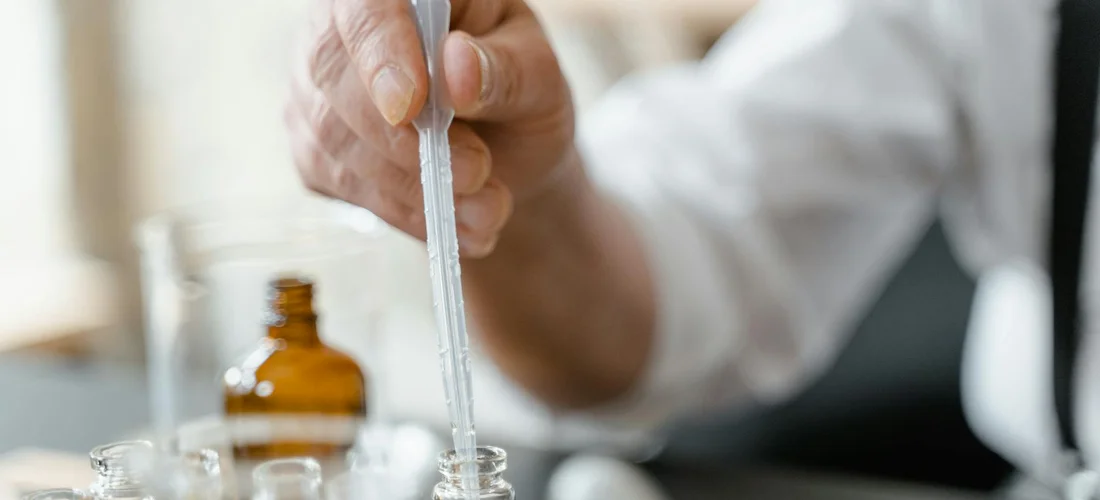
Many people ask me, are embalming fluids toxic? The honest answer is yes, they can be hazardous if handled improperly. The primary chemical, formaldehyde, is a strong disinfectant and preservative. For a trained professional using correct procedures, the risk is controlled. However, it is essential to understand the dangers associated with embalming fluids and take necessary precautions.
For the general public and the environment, the risk is different. Modern funeral homes must follow strict rules for disposing of any waste fluid. These rules are designed to protect our water and soil. The safety of communities and the planet is a serious part of our professional duty.
How Embalmers Protect Themselves and Others
When I prepare the care center, safety is my first thought. The room has powerful ventilation that pulls air away from me and outside. It sounds like a steady, quiet hum, creating a safe space to work.
My personal protective equipment, or PPE, is essential. I wear a long gown, heavy-duty gloves, a face shield, and sometimes a respirator. This gear forms a reliable barrier. We treat these chemicals with immense respect, and our protocols reflect that.
Answering Your Direct Concerns
Can you drink embalming fluid? Absolutely not. It is poisonous and would cause severe harm. I share this not to alarm you, but to stress that these are powerful tools for a specific, professional purpose. They are not for any other use. Embalming fluid is just one of the many tools and chemicals used in the embalming process.
Does embalming fluid leak out of the body? When done correctly, leakage is very rare. The process involves closing all incisions securely. We use special techniques and materials to ensure everything remains contained. Your loved one is cared for with a focus on dignity and presentation, which includes this attention to detail.
When to Call a Funeral Director: The Necessity of Professional Handling
Embalming is not a casual act. It is a licensed, regulated practice. In my state and most others, you must complete specific education and apprenticeship to be licensed. This ensures everyone receives skilled care.
This leads to another common question: can anyone buy embalming fluid? No, they cannot. These chemicals are regulated substances. Only licensed funeral directors and embalmers can legally purchase them from certified suppliers. This control is a vital public safety measure.
This is a core reason families hire a funeral director. We manage the complex, sensitive tasks that require training. You entrust us with your loved one to ensure their care is safe, dignified, and in full compliance with the law, allowing you space to grieve. These funeral director duties include coordinating services and logistics, handling required paperwork, and supporting families every step of the way. By taking on these roles, we let you focus on remembrance and healing.
Embalming Powder: Chemicals, Composition, and Specific Uses
While embalming fluid works through the vascular system, embalming powder serves a different, targeted purpose. Often called cavity powder, it is used to treat the internal cavities of the body after the fluid injection is complete.
Its specific role is to absorb moisture and disinfect areas that fluid cannot fully reach. This provides an additional layer of preservation and sanitation, ensuring a more complete result.
The primary chemicals in cavity powder are highly concentrated desiccants and disinfectants. Common ingredients include powdered borax, which helps dry tissues, and phenol derivatives, which are potent antimicrobial agents. Some powders also contain drying salts and perfume agents.
This composition is a dry, fine powder because it is designed for internal, targeted application. After the thoracic and abdominal cavities are aspirated, the embalmer will dust a measured amount of this powder inside. It adheres to the moist tissues, working locally to dry and disinfect.
The Safety and Handling of Embalming Powder
Working with cavity powder requires extreme caution from the moment the container is opened. The fine consistency means it can easily become airborne, and its concentrated formulas are not meant to be inhaled or touched with bare skin.
In my work, I treat these powders with the same respect I would any potent chemical. We use gloves, masks, and eye protection as a minimum standard. The workspace is prepared to minimize dust, and any spills are addressed immediately and meticulously.
This stringent handling protocol underscores a fundamental truth: these materials are for trained, certified use only. Their power is what makes them effective, but that same power demands professional knowledge and controlled conditions.
This practice connects directly to the overall safety framework of a funeral home. Our protocols exist not just for our safety, but for the dignity and care of the person entrusted to us. Every step, from mixing fluid to applying powder, follows a disciplined process that respects both the science and the solemnity of the task.
How Embalming Fluid and Powder Are Used in the Care Process
The work begins in a quiet, dedicated space. The atmosphere is one of focused reverence. Gentle lighting and a clean, orderly environment set the stage for a careful, dignified process.
This is not a factory procedure. It is a methodical act of care, performed with steady hands and a respectful pace. Every action is taken with the family’s need for a peaceful final viewing in mind.
You might wonder how the fluid reaches all the tissues. The primary method is called arterial embalming. A small incision is made, usually near the collarbone or groin, to access a major artery.
A specialized pump gently introduces the embalming fluid into the circulatory system. The fluid travels through the arteries, displacing blood and permeating the capillaries. This process disinfects and preserves the tissues from the inside out.
For the torso cavity, a different approach is needed. A trocar, a slender surgical instrument, is used. It is inserted to aspirate, or remove, fluids and gasses from the organs within the chest and abdomen.
After aspiration, a concentrated cavity fluid is introduced. This high-index formaldehyde solution ensures preservation where arterial fluid cannot fully reach. It is a crucial step for complete care.
Many people ask if embalming fluid hardens the body. The answer is more nuanced. Modern fluid contains firming agents, often derived from cosmetic-grade sugars or alcohols.
These agents restore a natural, life-like firmness to softened tissues. The goal is never a hardened or artificial feel, but to counteract natural relaxation and create a peaceful, familiar appearance for the family.
Step-by-Step: From Preparation to Final Presentation
-
The person is gently washed with a disinfectant solution. This initial cleansing is an act of respect, preparing the physical form for care. Hair may be washed and set according to family wishes.
-
Features are set with care. The eyes are closed, and the mouth is gently shaped into a natural, restful expression. Only then is the arterial injection performed, using the chosen fluid mixture to achieve preservation and color.
-
The cavity treatment is completed. After aspiration, a small amount of cavity powder, which is highly concentrated preservative powder, may be placed inside the torso. This acts as a final safeguard, absorbing any minor moisture and providing extra protection.
-
A final washing removes any traces of the process. The person is dressed in the clothing provided by the family. Skillful, subtle cosmetics are applied not to mask, but to restore a natural skin tone and minimize the visible signs of illness or trauma.
The result of this careful sequence is a peacefully presented loved one. It allows families time to gather, to see a familiar face at rest, and to begin their goodbye.
Alternative Options: Choices That Do Not Involve Embalming
I have sat with many families who quietly question the need for embalming. If you are considering a different path, please know your feelings are respected. There is no single right way to honor a life, only the way that brings your family peace.
Refrigeration is a common and immediate alternative. It uses cooled air to temporarily slow natural changes, often for a few days. This allows time for travel and decision-making without introducing chemicals into the process.
Natural or green burial is a choice rooted in return. The body is cared for without embalming fluids and laid to rest in a biodegradable container or shroud. It is a conscious return to the earth, avoiding preservation entirely for a simpler footprint. This mindset also aligns with eco-friendly memorial options and green burials. It honors the deceased while reducing environmental impact.
Direct cremation is a straightforward option when a viewing is not desired. The cremation occurs shortly after death, without embalming or a formal service beforehand. This simplicity often provides clarity and space for a personalized memorial later on.
Each of these choices is valid. They allow for a farewell that feels authentic to the person you love and comforting to you.
Frequently Asked Questions on Embalming Materials
What is the main purpose of the chemicals in embalming fluid?
The chemicals, primarily formaldehyde, work to temporarily preserve and disinfect tissues. This careful preservation supports a peaceful viewing, offering families a moment of closure and remembrance.
How do professionals ensure safety when using embalming powder?
Licensed embalmers adhere to strict protocols, including using gloves, masks, and ventilation to minimize any risk. These measures protect both the caregiver and ensure the dignified treatment of your loved one. Embalming requirements laws govern the necessary steps and documentation, which can vary by location. Following these rules helps ensure legal compliance and consistent care.
In simple terms, how are embalming fluid and powder applied?
Fluid is gently circulated through the vascular system for overall preservation, while powder is placed internally to dry and sanitize cavities. Each step is conducted with skilled precision and profound respect.
Parting Reflections on Embalming Safety and Use
The most vital guidance I can offer is to place your trust in a licensed professional who uses regulated, well-understood substances. This understanding allows you to make choices about embalming from a place of knowledge, ensuring the process respects both your loved one and your own peace of mind.
Carrying forward this knowledge, you honor the responsibility of Funeral Care by considering dignified, eco-friendly alternatives that meet Funeral Needs. May your continued engagement with Funeral Questions bring you clarity and the quiet assurance that comes from informed, compassionate choice.
Emiliana Dieter
Emiliana is an author at The Valedictory. She is an experienced funeral care advisor and arranged and organized many funerals as part of her end of life consulting services. She has over 8+ years in the funeral industry managing her family funeral business and helping families cope with the loss of their loved ones. Her articles answer any and all questions you might have regarding funeral arrangements, costs, preparations, etc so you can make this a seamless experience.