
What Do Cremation Ashes Look Like? A Gentle Guide to Color, Texture, and Meaning
If you find yourself wondering what cremation ashes are like, you are not alone. It is a natural question, often filled with a mix of curiosity, apprehension, and care.
This guide will walk you through what to expect, covering the ashes’ appearance and feel. We will discuss their common color and texture, explain what the ashes actually consist of, and help you understand what you receive when cremated remains are returned to you.
Key Takeaways: Compassionate Facts at a Glance
- I want to offer you immediate comfort by clarifying what cremation ashes truly are. They are not like the ash from a fire, but something more tangible and connected to your loved one.
- The ashes you receive consist primarily of bone fragments, processed into a granular form. Soft tissues are consumed during the respectful cremation process, leaving behind the durable mineral structure of the bones.
- Please know that any variation in color or texture is completely normal and not a cause for worry. Differences in bone density and the cremation itself create a unique, natural result each time.
- The process is handled with great dignity, and the final remains are sterile. The high heat ensures the ashes are inert and safe, a purified form meant for your care and remembrance.
Quick Snapshot: Comparing Cremation Ash Attributes
| Attribute | Typical Description | Notes on Variation |
|---|---|---|
| Color | Light gray to off-white | The shade can range from a pale cream to a softer gray. This depends on bone mineral content and is a natural part of the process. |
| Composition | Primarily calcium phosphate from pulverized bone | When people ask ‘what are cremated ashes made of’, this is the answer. It is the mineral essence of the skeleton, not soft-tissue ash. Small amounts of other minerals may be present. |
| Texture | Gritty, with a consistency like coarse sand or fine gravel | You will feel distinct granules. It is not a fine, powdery substance. The texture comes from mechanically processing the bone fragments after cremation. |
| Volume | Approximately 3 to 7 pounds (1.4 to 3.2 kg) for an adult | The amount depends on the person’s bone structure and size. It is common for the volume to be less than one might intuitively expect. |
| Sterility Status | Sterile | Cremation ashes are sterile. The intense heat eliminates all biological activity, making the remains inert. This directly answers the common question about safety and purity. |
Common Questions Answered Here
This visual snapshot helps clarify the question of ‘how do cremation ashes look’ in practical terms. If you have wondered ‘what are ashes after cremation’, the table shows they are the processed mineral remains of bone. Every attribute has a normal range, and the entire journey from cremation to your hands is conducted with reverence.
The Sobering Palette: What Color Are Cremation Ashes?
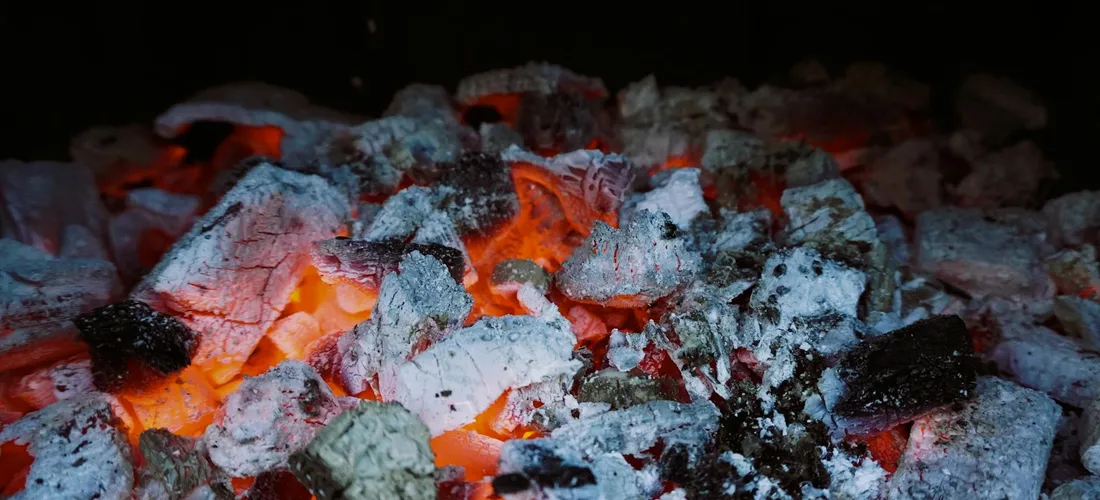
Many people are surprised by the actual appearance of cremation ashes. They are not a dark, sooty powder like fireplace ash. Instead, they are typically a soft, mineral gray, often with hues of off-white or buff. Understanding cremation ash burial terminology, including terms like cremains and interment options, helps explain how these remains are handled. These terms often come up in planning discussions with funeral homes and cemeteries.
Think of the color of coarse beach sand, crushed oyster shell, or pale plaster. The overall impression is granular and stony, not dusty. This ashy, mineral-like hue is often described as surprisingly gentle and natural in appearance.
The color can vary from one person to another. It is primarily influenced by the bone’s mineral composition, the temperature of the cremation process, and any medical materials present. So, to answer directly: cremation ashes are usually light gray, and yes, their appearance can vary slightly.
Factors Influencing Ash Color
The age and health of a person influence their bone density. Denser, more mineral-rich bones from a healthy adult often result in a more pronounced pale, chalky color.
In contrast, the ashes of the very elderly or very young may appear slightly different in shade or texture due to variations in bone mass. The body’s history becomes part of the ashes’ physical story.
The cremation process itself plays a key role. Modern crematories operate at very high, consistent temperatures. Generally, a complete process yields lighter, more uniform ashes. Understanding how cremation methods work helps explain these results. The science is straightforward: high heat and precise timing drive the outcome.
Medical implants like joint replacements or certain dental work do not burn away. They are separated and often recycled. Tiny metallic residues can sometimes be present, occasionally creating subtle, darker streaks or specks within the overall soft gray matrix.
Elemental Remains: What Are Cremation Ashes Made Of?
People often ask me, what are ashes from cremation, truly? The word ‘ashes’ can be misleading. After the cremation chamber has cooled, what remains are not the soft, gray ashes you might imagine from a fireplace.
The material is primarily pulverized bone mineral. All the water and organic compounds in the body have been vaporized by the intense heat. What endures is the skeletal structure, transformed into a dry, mineral substance.
This substance is mostly composed of calcium phosphates, with traces of other minerals like sodium and potassium. This composition makes cremation remains a coarse, granular powder, completely devoid of organic matter. It has a specific, mineral quality to it, more akin to fine gravel or sand than to powdery ash.
Understanding what are ashes made of cremation helps explain their weight and texture. They feel substantial in your hand, not weightless. They have a distinct, almost gritty consistency between your fingers.
Bone vs. Ash: An Important Distinction
The cremation process, which reaches temperatures between 1400 and 1800 degrees Fahrenheit, does a specific thing. It reduces the body to its most basic inorganic elements. Every bit of water, every organic compound in tissue and bone, is consumed.
What is left behind is the bone’s mineral framework. This is why the correct term is often ‘cremated remains’ or ‘cremains.’ They are quite literally the bones, processed into a smaller, uniform particle size. The process leaves only the enduring mineral structure, which is why the final volume is less than many people anticipate.
This distinction is the foundation for understanding everything else about their appearance. It explains the pale color, the granular texture, and the presence of small, recognizable bone fragments before processing is complete. It is a return to the most elemental form.
A Gritty Texture: How Do Cremation Ashes Feel?
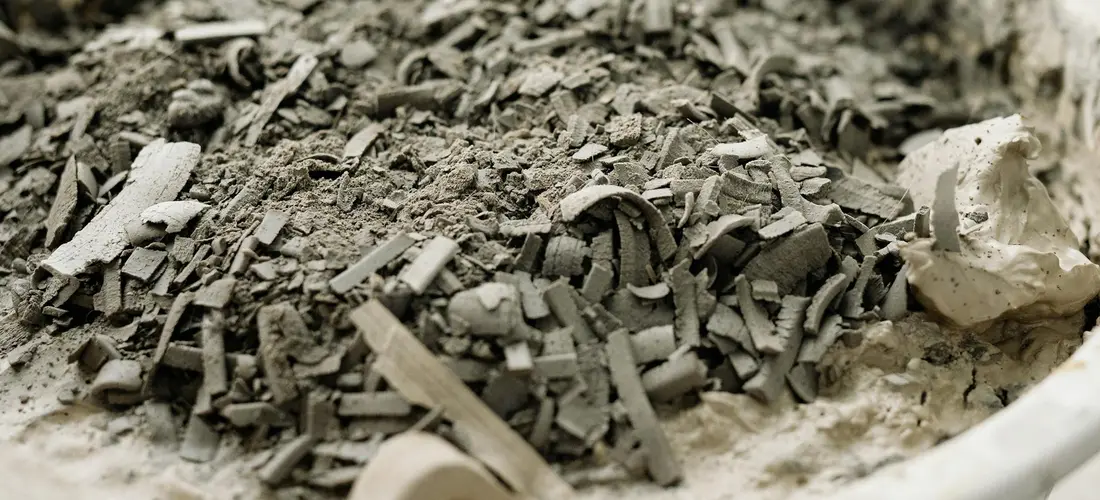
When you receive cremation ashes, you might wonder about their texture. I have held many urns for families, and I know this question often comes from a place of care.
Cremation ashes feel granular and sandy to the touch. Their consistency is closest to coarse gravel or the fine substrate used in an aquarium. This is not a soft, powdery substance like wood ash.
After processing, the ashes are uniformly gritty. You may sometimes feel small, recognizable bone fragments within the granules, which is a natural part of the remains. This tactile presence can be a quiet, physical connection.
From Fragments to Fine Powder
The processing step involves mechanically pulverizing the bone fragments. This careful procedure creates a consistent texture from what were larger, recognizable pieces. It is done with respect to provide a uniform result.
This process directly shapes how cremated ashes look in terms of physical feel. The fine, gritty powder you hold is the product of this reverent transformation. It prepares the remains for their final journey, whether scattering, placement, or keeping close.
Measure of a Life: How Much Ash Is Produced?
People often ask me how much ash remains after cremation. The general rule is that cremated ashes typically weigh between 3 to 7 pounds.
Their volume is usually around 200 cubic inches. This is roughly the size of a small shoebox, a tangible and manageable amount.
The weight does not simply mirror a person’s total body weight. It correlates more closely with bone density and the size of their frame.
A person with a sturdy build or denser bones will naturally yield more ash than someone with a more delicate skeleton, regardless of overall weight.
I have held these containers for many families. The remains feel substantial in your hands, a solid weight that is neither overwhelming nor insignificant.
They become a physical touchpoint for memory, both real and reverent. This is a direct answer to the common question, “How much ash is produced from a cremation?” You can expect this modest, heartfelt volume.
Understanding the Volume
The final volume often seems smaller than anticipated. This is because cremation reduces the body to its essential mineral composition-primarily bone.
Soft tissues, organs, and fluids are consumed during the process. What remains are the calcified fragments, which are then processed into a uniform consistency.
This reduction to bone mineral alone explains the concentrated volume. It is the durable essence of a physical form.
To help visualize it, 200 cubic inches is comparable to common household objects. Think of a standard building brick, a large bag of flour, or a thick hardcover book.
It is an amount that fits comfortably within your grasp, a quiet testament to a life lived.
Lasting Fragments: What Do Bone Pieces Look Like?
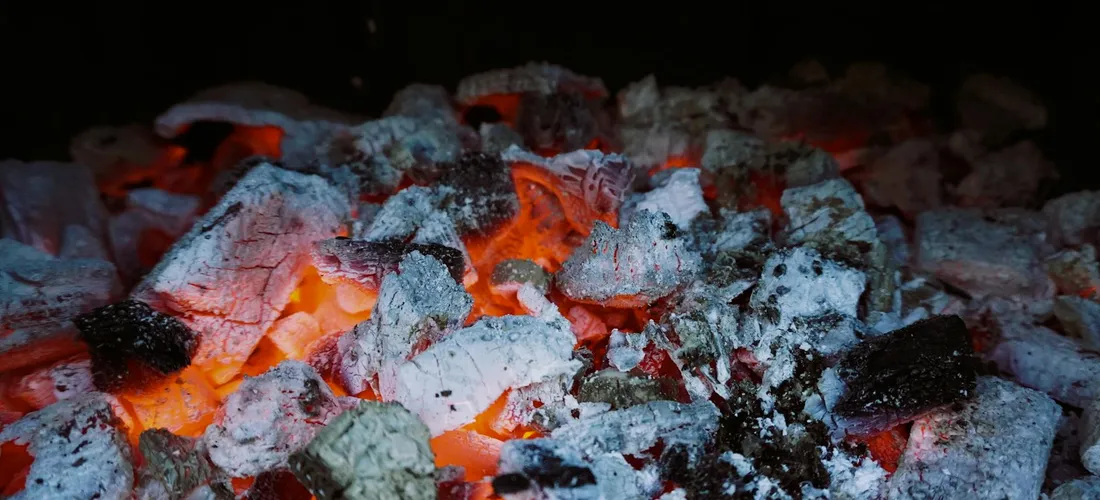
After the intense heat of cremation, what remains are primarily bone fragments. These un-pulverized pieces are white or pale gray. They feel brittle to the touch, like chalk or very dry clay.
You may see small chunks or slender slivers. Some pieces can be as large as a coin, while others are fine as a toothpick. It is completely normal to see these recognizable shapes mingled with the finer powder.
In appearance and fragility, they often remind me of delicate seashells or pieces of bleached coral. Their porous, mineral quality is a natural part of the process. Finding them can be a startling moment of clarity amid the abstraction of ash.
If you ask ‘what do bone fragments look like in ashes,’ picture this gritty, granular substance. It is not like fireplace soot. It is a coarse sand interspersed with those small, solid, calcified pieces. This is the authentic physical result.
Identifying Remains in the Ashes
After cremation, the cooled fragments are processed in a machine called a cremulator. This grinds them down to a more uniform consistency. Most fragments become a fine powder, but some small pieces often remain.
This granular texture is central to the question of ‘how to tell if cremation ashes are real.’ True cremated remains, or cremains, have a specific, gritty feel. They are heavy for their volume, like coarse beach sand, because they are mostly mineral bone matter.
This leads some to wonder, ‘is holy ash made of cremated bodies?’ The sacred ash used in some Hindu rites, called *vibhuti*, is typically made from burned wood or dung. Ceremonial ash is symbolically powerful, but it is physically and materially different from the cremated remains of a person. One is a ritual substance; the other is the mineral essence of a loved one, handled with singular care.
From Cremation to Keepsake: The Processing Journey
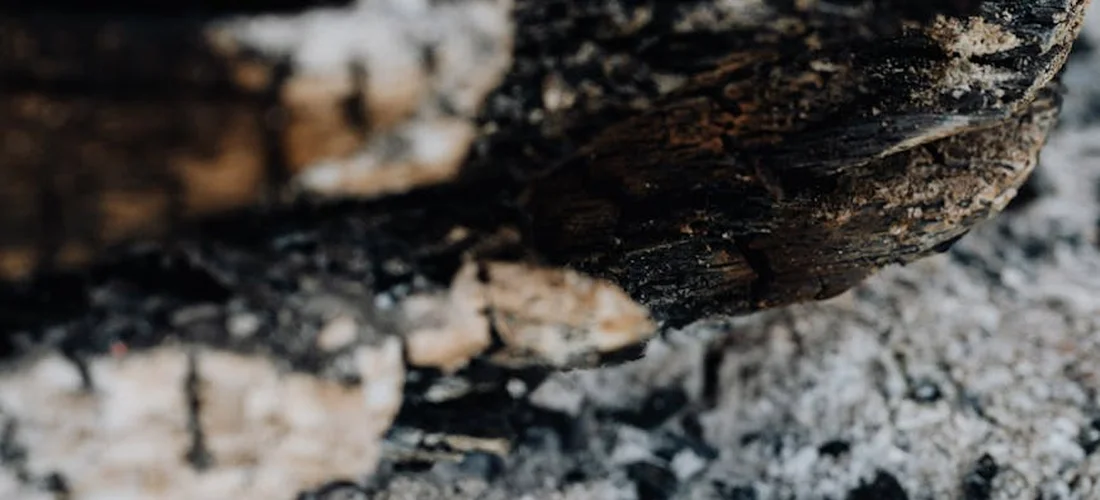
Once the cremation chamber has cooled completely, the careful work of preparing the cremated remains begins. I have overseen this process many times, and I can assure you it is handled with the utmost care. The first step is the respectful collection of all the bone fragments, which are the primary material left after cremation. These bone fragments are a central part of the bones cremation process, requiring careful handling and respectful processing. In this stage, each fragment is treated with reverence as we move toward preparing the final remains.
These fragments are then passed through a powerful magnetic field. This step removes any metallic items, such as surgical pins, joint replacements, or casket hardware. What remains are the pure, calcium-based bone pieces.
The final step is pulverization, where the bone fragments are mechanically processed into a uniform, fine powder. This is what creates the familiar sandy texture of cremation ashes. Within the broader body cremation process, pulverization is the final mechanical step that prepares the remains for disposition. The preceding stages, from preparation to cooling, are carried out with care to honor the person throughout the journey.
Many families wonder, are the ashes of different people mixed? Reputable crematories operate under a principle called “identity tracking.” This means only one person is in the cremation chamber at a time, and their identification tag stays with the remains through every single step. Strict procedural safeguards make commingling virtually impossible.
Storage and Sterility
After processing, the ashes are placed into a container. The most common initial container is a simple, durable plastic box provided by the crematory. This is a practical temporary holding vessel. Often, the ashes are later placed in a more permanent cremation container, such as an urn. A wide range of cremation containers—metal, ceramic, wood, or glass—are available to suit different preferences.
You have many choices for a permanent home. Options range from elegant wooden or metal urns for display, to simple scatter tubes for ceremonies, to biodegradable urns for earth or water. The choice is deeply personal and should reflect the wishes of your loved one and your family.
Cremation ashes are both sterile and inert. The intense heat of the cremation process eliminates all organic matter and potential pathogens. The resulting ashes pose no health risk and are safe to handle, which can provide real comfort to families, especially when used to fertilize plants in a garden.
The Integrity of the Process
Every part of this journey is built on checks and balances. From the moment a person enters the care of a funeral home, a unique identifier is assigned. This identifier is physical, often a metal disc or tag, and it stays with the individual through cremation and processing until the ashes are returned to you.
The entire system is designed for one purpose: to provide absolute accuracy and peace of mind during a difficult time. You can be confident that the process is carried out with respect, precision, and a profound understanding of what it means to entrust a loved one to someone’s care.
A Caregiver’s Reflection: On Ashes and Legacy
I have held many urns in my hands. The first time I passed one to a family, I was struck by its weight. I had expected something heavy and solid, but it was surprisingly light. That moment taught me something I still carry.
The physical reality of cremated remains can feel separate from the person we knew. They are coarse and granular, like sand from a distant beach. Holding them, you hold both a scientific process and a profound transformation.
Every set of ashes tells a story without words. A faint pink hue might whisper of a medication taken for a heart once full of love. Darker, denser fragments could speak of a life built with strong bones, of hard work and resilience. These are not flaws, but quiet notations of a life lived.
Knowing what to expect can soften the sharp edge of surprise. Grief is full of unknowns, and the appearance of ashes is one less mystery. Their texture and color are not random; they are a natural result, and there is a small comfort in that predictability.
I encourage you to see these ashes as more than remains. They are a touchstone. Holding the urn, you are not holding your person, but you are holding a part of their journey. Let that physical connection become a bridge to your memories, to the stories that no fire can ever diminish.
Frequently Asked Questions About Cremated Remains
Are the ashes of different people mixed?
No, reputable crematories follow strict procedures that prevent mixing. Only one person is cremated at a time, with their identity carefully tracked throughout the entire process to ensure the integrity of the remains returned to you.
What are cremation ashes stored in?
Ashes are initially placed in a temporary container, often a simple plastic box. For a permanent solution, you may choose from a wide range of urns, scatter tubes, or keepsake jewelry that reflects your personal wishes for care and remembrance. When considering cremated ashes handling storage, think about where the container will be kept and how it will be accessed over time. The right option can align with your storage needs and remembrance goals.
Are cremation ashes sterile?
Yes, cremation ashes are sterile and inert. The intense heat of the process eliminates all organic matter, resulting in remains that are safe to handle and pose no health risk.
Parting Reflections on Cremation Ashes
Grasping the varied color and composition of cremation ashes provides a gentle, factual touchstone during an emotional time. This understanding can ease uncertainty, allowing you to focus on remembrance and healing.
Caring for ashes with respect and considering environmentally mindful memorials are acts of profound love. Continuing to learn about Funeral Care, Funeral Needs, and Funeral Questions helps ensure every choice honors both the departed and the living.
Emiliana Dieter
Emiliana is an author at The Valedictory. She is an experienced funeral care advisor and arranged and organized many funerals as part of her end of life consulting services. She has over 8+ years in the funeral industry managing her family funeral business and helping families cope with the loss of their loved ones. Her articles answer any and all questions you might have regarding funeral arrangements, costs, preparations, etc so you can make this a seamless experience.