
What Temperature Is Required for Human Cremation, and How Does the Process Work?
Questions about the heat and steps of cremation often arise during times of planning or grief. I will walk you through the answers with clarity and compassion.
This article will gently explain: the exact temperature range used in modern cremation, how the cremation chamber functions, the respectful stages the process follows, and what happens to the remains once complete.
Key Takeaways: Immediate Comfort and Facts
When questions about cremation arise, I often see a need for gentle reassurance first. The process is methodical and handled with profound respect for the person who has died.
The heat required is intense, typically between 1400 and 1800 degrees Fahrenheit. This temperature is necessary for a complete and dignified reduction of the body.
The procedure follows a clear, respectful series of steps. It begins with careful preparation and ends with the processing of the remains into ashes.
From start to finish, strict protocols guide every action, ensuring the care and dignity of your loved one is the absolute priority.
Understanding Cremation Temperature: How Hot Does It Get?
Human cremation requires the cremation chamber to reach temperatures between 1400 and 1800 degrees Fahrenheit. This is the standard operating range for modern cremation furnaces.
To understand this heat, think of the radiant glow of molten lava or the heart of a steel mill furnace. It is a focused, sustained heat that is both powerful and controlled.
The temperature in a cremation oven is precisely managed for consistency and safety, never left to fluctuate wildly.
For the process, the body is placed in a combustible container. This is usually a simple wooden or reinforced cardboard box, not a traditional sealed casket, as it must burn away completely.
The Standard Cremation Temperature Range
In specific terms, the range is 1400 to 1800 degrees Fahrenheit, which converts to approximately 760 to 980 degrees Celsius. These numbers are carefully chosen for a reason.
This level of heat is necessary to reduce the body to bone fragments, ensuring a thorough and respectful completion of the process.
Factors That Influence the Heat
Slight variations can occur due to the cremation chamber’s design, the type of fuel used like natural gas or propane, and the individual’s body composition. A larger body or the presence of medical implants, for instance, can affect the timing.
Licensed operators are trained to monitor and adjust for these factors, guaranteeing a consistent and dignified result each time.
The Step-by-Step Cremation Process Explained
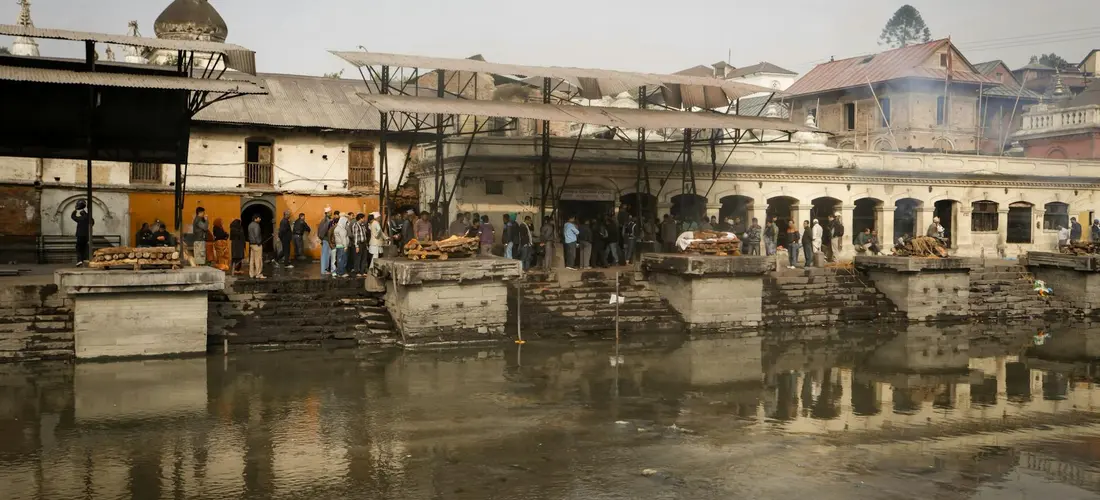
Every cremation is a carefully managed series of steps. We follow these procedures with great attention and respect. Our goal is to provide a dignified transition from the cared-for body to the cremated remains returned to you.
Preparation and Solemn Identification
Before any mechanical process begins, we focus on preparation and verification. This first step is about ensuring safety and absolute certainty.
Any medical devices, such as pacemakers, are carefully removed. This is a necessary safety precaution, as they can pose a risk in the intense heat.
A rigorous identification system is the cornerstone of the entire process. A unique metal identification tag is placed with the individual. This tag stays with them through every stage. Multiple paperwork checks are completed, confirming identities against permits. This meticulous care guarantees there is no mix-up.
Entering the Cremation Chamber
The journey into the chamber is one of quiet reverence. The body is placed into a simple, combustible container, often made of wood or heavy cardboard.
This container supports the body and is treated with the same respect as the individual it holds. The cremation chamber, also called a retort, is pre-heated. The operator carefully guides the container inside. The door is closed with a sense of finality, often marked by a soft, solid sound.
The Cremation Cycle: Heat, Time, and Care
Inside the chamber, a controlled transformation takes place. It is not an instant event, but a measured cycle governed by heat, time, and attentive monitoring.
The Initial Heating Phase
The process begins as the chamber’s temperature rises to its operating range. Modern cremators use natural gas or propane to create a consistent, direct flame.
This initial phase brings the chamber and its contents to the point where combustion can fully begin. The temperature climbs steadily, preparing for the main phase of the cycle.
The Main Combustion Phase
This is the heart of the cremation process. Intense heat interacts with the organic compounds of the body. Soft tissues and the container are consumed through vaporization and oxidation.
The furnace typically operates between 1,400 and 1,800 degrees Fahrenheit during this stage. This extreme heat is required to break down the body completely over a period of one and a half to three hours. What remains are primarily dry, brittle bone fragments, often white or gray in color.
Cooling and Recovery
Once the cycle is complete, the intense heat is shut off. The interior and its contents must cool for a significant time before they can be handled.
This cooling period, often an hour or more, is a quiet and patient part of the procedure. When safe to approach, the operator retrieves all remains. A powerful magnet is passed through them to separate any incidental non-combustible metals, like surgical pins or the identification tag itself.
Processing the Remains into Ashes
The recovered bone fragments are not yet the fine powder most people envision. They are varying in size, from small pieces to larger, recognizable skeletal structures.
These fragments are placed into a special processor, often called a cremulator. This device uses gentle, mechanical means to pulverize the bones into a uniform, sand-like consistency. This final material is what we commonly refer to as cremated remains or ashes.
It is helpful to know that these “ashes” are primarily processed bone mineral. They have a granular feel, similar to coarse sand or fine gravel, and are not like the soft ash from a wood fire.
Why Such High Temperatures Are Necessary
The numbers, often between 1400 and 1800 degrees Fahrenheit, can feel startling.
I explain to families that this intensity is not about brute force. It is about care.
The high heat creates a safe and dignified environment for the body’s final transformation. It allows the process to be thorough and controlled, ensuring the result is what families trust it to be.
Ensuring Complete and Respectful Reduction
At this sustained heat, all organic material gently breaks down. Only the mineral-rich bone fragments remain.
This complete reduction is a matter of respect. It means nothing is left to later change or decay.
The cremated remains you receive are thus sanitary, stable, and enduring. They provide a physical focus for memory that is simple to keep, share, or place.
Environmental and Safety Protections
Modern cremation chambers are designed with responsibility in mind. After the primary chamber, secondary burners ignite any remaining gases.
Advanced filtration systems then capture fine particulates before anything is released into the air.
This means the necessary high heat is part of a tightly regulated, environmentally conscious system. The entire process honors the person while safeguarding the community and the earth.
How Long Does the Entire Cremation Process Take?
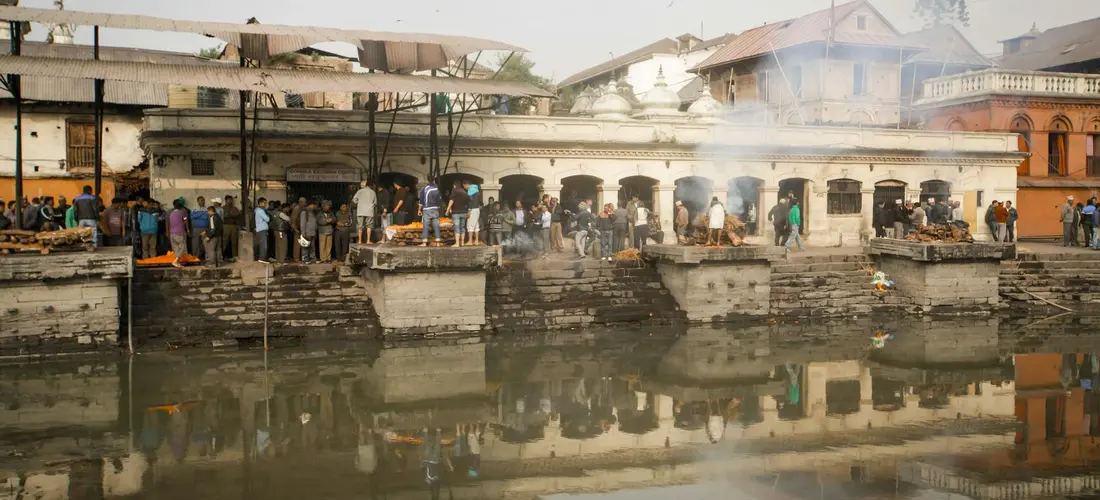
When you are planning a cremation, knowing what to expect with time can offer a small anchor in the grief. The entire journey from authorization to receiving the ashes usually takes several days. The active time in the chamber is only one part of a longer, careful sequence that includes paperwork and cooling. I find that clarifying this from the start helps families hold the process with a bit more ease.
Time Inside the Cremation Chamber
The physical act of cremation inside the retort, or chamber, generally takes between two and three hours. This is the period when the chamber maintains the intense heat required to reduce the body to bone fragments. The exact duration can vary, leaning on the factors we discussed earlier, like a person’s size or the model of the equipment.
The Overall Timeline from Authorization to Ashes
Several respectful steps bookend the time in the chamber, stretching the full timeline. Necessary paperwork and permits must be completed first, which often takes a business day. After the cremation, the remains cool inside the chamber for many hours before they can be processed and placed into an urn or temporary container. From beginning to end, you can typically expect this entire process to take three to seven business days. A compassionate funeral home will keep your family informed along the way, so you are aware of each step without having to ask.
Caring for the Remains: Ashes, Urns, and Choices
After the cremation chamber cools, the focus shifts to honoring your loved one’s memory. This is a time for personal choices, where even simple decisions can bring comfort. I always encourage families to think about what feels right for them, whether it’s a quiet private moment or a shared ceremony.
What Are Cremated Remains Like?
Cremated remains, often called ashes, have a consistency similar to coarse sand or fine gravel. Their color can range from a pale gray to a soft white, depending on the individual’s bone structure and the cremation process. The appearance and composition of cremation ashes—what minerals remain after processing—can vary with bone density and the cremation method. Together, appearance and composition shape how the remains are understood in memorial contexts.
You might be surprised by the volume, which is typically between three to seven pounds, about the size of a standard bag of flour. Every particle is handled with the utmost care and respect by the crematory staff.
These remains are carefully gathered and placed into a temporary container, usually a simple plastic or cardboard box, unless you have provided an urn beforehand. This temporary vessel ensures they are kept secure until you decide on their final placement.
Selecting a Final Resting Place
Choosing an urn is a deeply personal act. Materials vary widely, from polished woods like oak or walnut that feel warm to the touch, to sleek metals, ceramics, or even biodegradable options for earth burial.
Styles can be simple and understated or elaborately designed, reflecting a hobby, faith, or personality. Beyond traditional urns, consider alternatives like a scattering tube for releasing ashes in a meaningful location. Some people find solace in keepsake jewelry, which holds a small portion of remains close to the heart.
Quick Snapshot: Service Comparisons
This table offers a gentle overview to help you see the general landscape of options. Approximations are based on typical industry ranges and my years of guiding families.
| Service Type | Approximate Cost | Planning Time | Personalization Potential |
|---|---|---|---|
| Direct Cremation | Low | Quick | Minimal; focuses on the essential process. |
| Cremation with a Memorial Service | Medium | Moderate | Flexible; allows for ceremonies before or after cremation. |
| Traditional Burial | High | Extensive | Traditional; often follows set customs with fixed elements. |
Remember, these are starting points. Your funeral director can help tailor any choice to fit your family’s needs and budget perfectly, ensuring you explore affordable options.
Considering Alternatives: Other Paths for Final Care
Cremation is a common choice, but it is one among several dignified paths. In my work, I have seen how personal beliefs and family traditions shape these decisions. Each method offers its own form of respect and closure for those who are grieving. Exploring these options can help families make informed choices.
Your choice is a personal one, guided by values, cost, and the legacy you wish to honor. I encourage you to consider all options with an open heart.
Traditional Earth Burial
This is the practice of interring the body in a cemetery plot. It typically involves a casket and may include a viewing or visitation service beforehand. A ground burial provides a permanent, physical place for family to visit and remember.
You will need to select a casket and often a protective vault. The process can involve embalming if there is a public viewing. If you prefer burial without embalming, you can plan a simple, natural service with a non-embalmed casket. This option can influence scheduling, costs, and viewing arrangements, while preserving the sense of permanence that many families find deeply comforting.
Green or Natural Burial
This approach focuses on returning the body to the earth with minimal environmental impact. Embalming chemicals and non-biodegradable caskets are not used. Instead, the body is laid to rest in a simple shroud or a coffin made of untreated wood, which has lower environmental impact compared to traditional burial methods.
These burials often take place in a natural meadow or woodland preserve. The goal is to allow for a gentle, natural decomposition that nourishes the soil. It is a quiet choice that seeks harmony with nature.
Alkaline Hydrolysis (Water Cremation)
This method, also known as aquamation, uses a gentle process of water, heat, and alkali. The body is placed in a stainless steel vessel where it is respectfully broken down over several hours. The result is a soft, white powder that is very similar to traditional cremated remains.
It is considered gentler on the environment, using less energy and producing no direct air emissions. The remains are returned to the family, just as with flame cremation, offering another gentle option for final care.
Frequently Asked Questions
What is the exact temperature range for human cremation, and how is it maintained?
Modern cremation operates at a consistent 1400 to 1800 degrees Fahrenheit. This heat is carefully regulated by licensed operators to ensure a thorough and dignified process.
What are the basic steps involved in the cremation process?
The process begins with respectful preparation and identification, followed by the cremation cycle in a pre-heated chamber. After cooling, the remains are processed into ashes and returned to the family. These steps rely on specialized cremation equipment and are often accompanied by a respectful ceremony.
How is the identity and dignity of my loved one preserved throughout?
A unique metal identification tag accompanies your loved one from start to finish, ensuring accuracy. Every step is conducted with profound care and adherence to strict protocols that honor their memory.
Parting Reflections on Cremation Temperature and Process
The most vital point is that cremation is a careful, controlled process, typically requiring 1400 to 1800 degrees Fahrenheit to complete its task respectfully. Knowing these facts can help you approach arrangements with a sense of clarity and calm, as you understand how cremation methods work.
I urge you to always seek dignified care and explore eco-friendly options that align with your Funeral Needs. Your continued attention to Funeral Care and Funeral Questions is a compassionate act, ensuring choices are made with both love and practical responsibility.
Emiliana Dieter
Emiliana is an author at The Valedictory. She is an experienced funeral care advisor and arranged and organized many funerals as part of her end of life consulting services. She has over 8+ years in the funeral industry managing her family funeral business and helping families cope with the loss of their loved ones. Her articles answer any and all questions you might have regarding funeral arrangements, costs, preparations, etc so you can make this a seamless experience.