
Choosing Body Embalming: Reasons and Reflections for a Funeral
Deciding whether to embalm a loved one is a personal choice, often made with care and reflection. I understand the weight of this moment and am here to help you see the reasons clearly.
This article will walk you through the main reasons for embalming, such as allowing time for family to gather, and key considerations, including cost, cultural practices, and personal values.
Key Takeaways: A Compassionate Summary
This decision is deeply personal, and there is no single right answer. It flows from your unique story, your family’s traditions, and the specific nature of your loss.
Embalming serves a core purpose: to temporarily preserve the body for a viewing and to allow more time for gathering. It creates a physical space for farewells when words alone feel insufficient.
Your choice balances emotional needs, practical logistics, personal beliefs, and cost. I have seen families weigh a desire for a final memory against the need for travel time or their religious convictions.
Your funeral director is there to guide you without pressure. Think of them as a compassionate resource, offering clear information so you can make a choice that brings you peace.
What Is Embalming? A Gentle Explanation
Embalming is a temporary preservation process performed by a licensed professional. It is an act of care, meant to honor the person and support those left behind. Preservation duration can vary and is influenced by factors such as technique, environmental conditions, and subsequent handling. Understanding how long preservation lasts can help families plan memorial activities and care.
The embalmer begins with a gentle, respectful cleansing. They then use preservative fluids to slow natural changes, helping the body maintain a restful appearance for a short time.
The point of embalming a body is primarily to allow for a viewing or visitation. It provides a quiet focal point for saying goodbye, which can make grief feel more tangible and manageable for many people.
In most situations, embalming is not required by law. It may be necessary for specific circumstances, such as transporting the body across state lines or after a certain number of days have passed. Embalming requirements and laws vary depending on the jurisdiction.
Common Reasons Families Choose Embalming
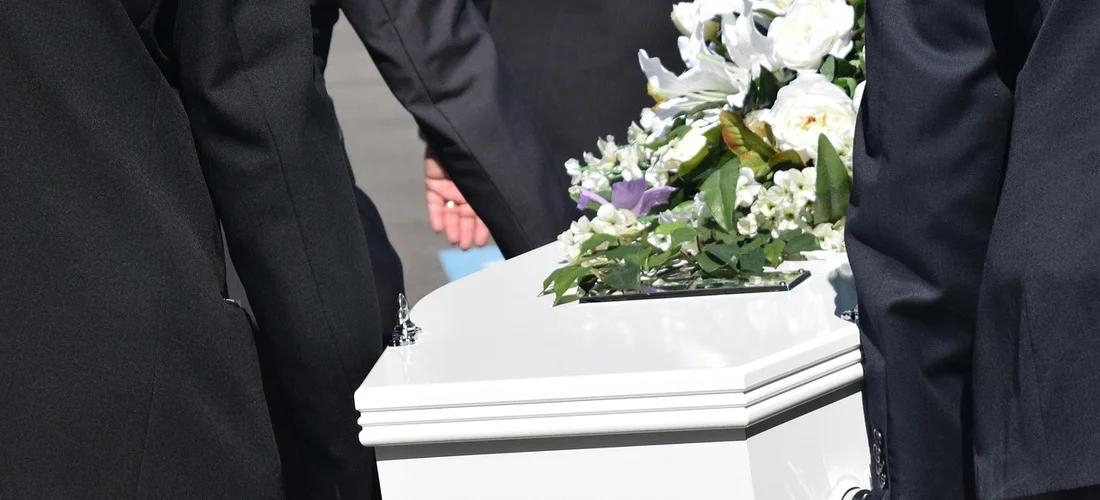
This choice is deeply personal. It often stems from a need for connection, tradition, or practical necessity. My role is to help you understand the common paths families take, so you can find the one that feels right for you.
To facilitate a traditional viewing or open-casket funeral service.
Many families find comfort in a final, visual farewell. An open-casket service provides a tangible point of focus for grief and love. It can make the reality of loss feel more gentle, offering a quiet moment to say goodbye.
Embalming makes this tradition possible by allowing the body to be present for the service. During the embalming process, the body is preserved for viewing, maintaining a lifelike appearance for the service. This preservation helps family and friends say their goodbyes in a solemn, dignified setting. This practice supports the human need to witness and honor a life’s conclusion, providing a shared experience for mourners. The setting is always one of profound respect.
To allow distant family and friends time to travel and gather.
Grief does not follow a convenient schedule. Loved ones can be scattered across states or countries. The logistics of gathering everyone can take several days.
Embalming pauses the natural processes for a short time. This pause grants the invaluable gift of time, allowing a community to form around the bereaved when they need it most. It is a practical consideration rooted in compassion for the living.
To preserve the body’s appearance for a final memory.
The memory of a last glimpse can stay with a person for a lifetime. Many people hope to see their loved one looking peaceful, as if resting. It is a wish to soften the sharp edges of death.
A skilled embalmer works with care to achieve a natural, serene appearance. The goal is not to disguise death, but to present a dignified and tranquil likeness for remembrance. This can be a great comfort, replacing a difficult final image with one of quietude.
When a body must be transported over a long distance.
If your loved one died far from home, or needs to be laid to rest in a distant family plot, common carriers like airlines have specific rules. They almost always require embalming for any journey beyond a few hours.
This is a non-negotiable logistical step. Embalming ensures the body can be transported safely and respectfully, in accordance with public health regulations and carrier policies. It is the practical bridge that brings a person home.
To fulfill a specific request from the person who died or their family.
Sometimes, the reason is simple and powerful: it was asked for. Your loved one may have expressed a clear wish for an open-casket funeral. A family elder might uphold a long-standing tradition.
Honoring these explicit wishes is a final act of love and fidelity. Following a known preference removes uncertainty and provides a clear, comforting path forward during a disorienting time. It is about respecting a person’s vision for their own farewell.
Important Considerations Before You Decide
The decision to embalm is deeply personal. It sits at the crossroads of practical need, spiritual belief, and family feeling. Before you choose, I encourage you to think about a few key questions.
The Timing of the Service
Embalming is primarily a temporary preservation technique. Its main purpose is to allow time for family to travel and to hold a viewing or a service days after the death. If you are planning a very quick service, often within a day or two, embalming may not be a practical necessity. The natural cooling methods available at a funeral home can often suffice.
Ask your funeral director about the specific timeline you have in mind. They can give you a clear picture of what is possible without embalming, allowing you to make a choice that fits your schedule and respects your wishes.
Religious and Cultural Beliefs
For many families, this is the most important factor. Several faith traditions have specific teachings about the treatment of the body after death, and these often discourage or outright forbid embalming. Today, many faith communities reexamine such teachings in light of modern medical and logistical realities. These evolving perspectives across religions are central to discussions of embalming practices.
- In Jewish law (Halacha), the body is prepared for burial through a ritual washing (Taharah) and is not embalmed. Burial is typically within 24 hours.
- Islamic tradition similarly requires a prompt burial and views embalming as an unnecessary interference with the natural process.
- Many Orthodox Christian communities also avoid embalming, preferring a natural return to the earth.
If your family observes a particular faith, I advise speaking with your religious leader. Honoring these sacred practices often brings more comfort than any physical preservation could.
Legal and Practical Requirements
While embalming is rarely a universal law, certain situations may require it. These are practical, not personal, reasons, especially when burying without embalming.
If the body is being transported across state lines or by common carrier, such as an airplane, embalming is frequently a requirement. Some public cemeteries or mausoleums also have rules about entombment above ground that mandate embalming. Your funeral director will know the specific regulations for your location and plans.
A Family Conversation
This may be the hardest, but most necessary, step. Grief can pull people in different directions. One person may find great solace in a final viewing, while another cannot bear the thought.
Gather your immediate family, if you can. Share your thoughts, listen to theirs, and remember there is no single right answer that fits every heart. Making this choice together, with honesty and patience, can prevent misunderstandings later when emotions are raw. There is no need to rush this talk. A good funeral director can help facilitate this conversation with gentle guidance, giving everyone the space to be heard.
A Quick Snapshot: Cost and Service Factors
I know these decisions come at a difficult time. To help you see the practical differences, I have put together a simple comparison. This table shows how key factors change with and without embalming.
| Consideration | With Embalming | Without Embalming |
| Viewing or Visitation | Makes an open-casket service possible, often for multiple days. It allows time for distant family to say goodbye. | A viewing might occur with refrigeration, but the window is shorter. Direct disposition means no formal viewing. |
| Timeline | It preserves the body for a longer period. This gives you more days to plan and gather. | The timeline is usually shorter. It relies on refrigeration or requires a swift burial or cremation. |
| Transportation | It is typically required for long journeys, like a flight home. This helps maintain a peaceful appearance. | Transport may need special cooled arrangements. Otherwise, it must happen very soon after death. |
| Religious or Cultural Practice | Some faiths and traditions incorporate embalming into their rituals. It can be a part of honoring the dead. | Many paths favor natural body care. Always speak with your faith leader about what is right for you. |
Embalming is an added professional service fee, typically ranging from several hundred to over a thousand dollars. The exact cost depends on your location and the funeral home. I recommend asking for a clear, written estimate so there are no surprises.
Weighing the Personal and Practical Impacts
This decision touches both the heart and the hands, the emotional need for goodbye and the real-world details of planning. I often sit with families as they navigate this balance, remembering my own need for time and touch when I said my farewells.
Potential Benefits for Families
For many, embalming supports the gentle unfolding of grief. It can make space for a goodbye that feels right.
-
Allows for a traditional farewell ritual which can be central to grief. The act of gathering, of seeing a face one last time, anchors our sorrow in a shared moment. This ritual can be a quiet harbor in the storm of loss, giving form to feelings that words cannot hold.
-
Can provide a sense of comfort and closure to see a loved one at peace. A peaceful visage can soothe a worried mind. It allows memory to settle on a final image of rest, which for some families mends a painful chapter.
-
Reduces logistical pressure by granting more flexible planning time. When grief makes every task feel heavy, this time is a kindness. It allows distant relatives to journey, or lets you wait for a meaningful date, without the sharp anxiety of decay.
Common Concerns and Drawbacks
These hesitations are equally valid. A good choice is an informed one, made without pressure.
-
The use of chemicals, which may conflict with a desire for a natural return to the earth. For families drawn to green burial or a simpler end, this can feel like a discordant note. It is a personal philosophy, one I respect deeply when guiding someone toward a more natural path.
-
The additional financial cost during an expensive time. Funeral costs add up quickly. This service is an extra line item, and the weight of that bill can compound stress when resources feel thin.
-
The process may feel invasive or unnatural to some families. The thought of it can cause discomfort, a sense that the body’s journey is being interrupted. I have seen this feeling in the eyes of a spouse, and it deserves your full attention.
-
It is not a permanent preservation method, something families should understand. Embalming slows changes; it does not stop them. Knowing this truth helps set expectations, so no one is later surprised by the nature of time.
Alternative Options for Care and Tribute
Choosing not to embalm is a common and completely valid decision. Several respectful alternatives exist, each with its own considerations.
Refrigeration as a Chemical-Free Method
Refrigeration is the primary alternative for temporary preservation. A climate-controlled unit slows natural changes, allowing time for family to gather.
This method provides a window, typically up to a week or two, without introducing chemicals. It is a practical choice when a viewing is planned within a short timeframe or when you prefer to avoid the embalming process altogether. Your funeral director can discuss the specific logistics and timing for this option.
Direct Burial or Direct Cremation
These options respectfully forgo any form of public viewing or visitation. The body is cared for through burial or cremation shortly after death, without embalming. In traditional Jewish practice, embalming is typically avoided, and burial is carried out promptly according to ritual standards.
This path often simplifies the process and can reduce costs. A memorial service or celebration of life is typically held separately, allowing you to focus the event entirely on shared stories and memories. It is a straightforward approach centered on the essence of tribute, rather than physical presence.
Green or Natural Burial
For those committed to an environmentally conscious return, green burial is a specific choice. It requires the body to be placed in a biodegradable shroud or casket, directly in the earth.
Embalming chemicals are prohibited in these settings, as they interfere with natural decomposition. If a green burial is your wish, planning with a certified natural burial ground is an essential first step, as their requirements are precise when it comes to the chemical processes used in traditional embalming. Refrigeration is the standard method for preservation until the burial occurs.
Creating a Different Focal Point
If a viewing does not feel right for your family, you can design a service around other meaningful tributes. The focus shifts from the casket to the collective spirit of the person you loved.
- A beautiful, framed portrait placed at the front of the gathering space.
- A memory table holding personal items, favorite books, or cherished photographs.
- A slideshow of pictures set to music that evokes their personality.
- A shared activity, like planting a tree or writing messages on a memorial stone.
These focal points can offer a powerful and comforting center for remembrance, guiding everyone’s thoughts toward a life well-lived.
The Validity of Your Choice
There is no single correct path, only the one that brings your family the most peace. Your decision is a reflection of personal values, spiritual beliefs, and practical circumstances.
Choosing an alternative to embalming is a dignified and responsible act of care. It is simply a different way to honor the same profound love and respect. A thoughtful funeral director will support you in exploring all these options without pressure, ensuring the farewell you choose feels authentic and complete.
Frequently Asked Questions
Are there health and safety reasons for or against embalming?
When performed by a licensed professional, embalming is a safe process that addresses public health considerations, particularly when a public viewing is planned or transportation is required. It is not generally a public health necessity for a prompt, private burial or cremation.
What are the most important factors to weigh before opting for embalming?
We recommend reflecting on your family’s need for a viewing, the required timeline for travel, your religious or personal beliefs regarding body care, and your budget. This balance of emotional, logistical, and practical factors will guide you to the most fitting choice.
How does embalming impact the timing and logistics of a funeral?
Embalming provides the logistical flexibility to hold a service days or even a week after the death, which is invaluable for allowing a community to gather. It is often a practical requirement for transportation over long distances, such as an air flight, ensuring a dignified journey.
Parting Reflections on Body Embalming
When faced with this choice, let compassion for the deceased and the needs of the living guide you. The right decision is the one that brings your family comfort and honors a life with dignity.
Approach all aspects of Funeral Care with a commitment to gentle, respectful handling, which may include considering eco-friendly alternatives. Your ongoing attention to Funeral Needs and Funeral Questions is a profound act of love and responsibility.
Emiliana Dieter
Emiliana is an author at The Valedictory. She is an experienced funeral care advisor and arranged and organized many funerals as part of her end of life consulting services. She has over 8+ years in the funeral industry managing her family funeral business and helping families cope with the loss of their loved ones. Her articles answer any and all questions you might have regarding funeral arrangements, costs, preparations, etc so you can make this a seamless experience.