The History and Culture of Cremation: A Gentle Exploration of Its Origins and Evolution
You might wonder how the practice of cremation began and traveled across continents and centuries, touching so many lives. I understand that curiosity, and I want to share this story with you, reflecting on both my professional experience and the quiet dignity of this tradition.
We will walk through the key moments in cremation’s long journey together.
- The ancient, smoky fires of our earliest ancestors
- How world religions and cultures shaped cremation rites
- The quiet return of cremation in the modern era
- What this evolution means for compassionate funeral care today
Key Takeaways: A Compassionate Overview
If you are considering cremation, it may comfort you to know this choice connects you to a vast human history. I have spoken with many families who find solace in understanding that saying goodbye with fire is not a cold, modern invention.
Cremation’s story is woven from threads of spiritual belief, practical need, and deep cultural values, showing how every society seeks dignity in death. For some, it was a sacred release of the soul; for others, a simple matter of public health or limited land. Religious and cultural views on cremation shape when and how these practices are carried out, reflecting beliefs about the body and the afterlife. Across traditions, ceremonies and regulations vary, yet the core aim remains to honor the deceased within a community’s values.
Your decision today is a personal chapter in this long story. It is a continuation of our shared human journey to honor a life with meaning and respect.
Quick Snapshot: Cremation’s Journey Through Time and Place
This table shows how the reasons for choosing cremation have changed throughout history.
| Time Period/Region | Primary Influences | Common Practice |
|---|---|---|
| Prehistoric Europe/Asia | Spiritual belief, nomadic life, practicality | Cremation was common, often seen as purifying the spirit or a practical response to constant movement. |
| Ancient Greece & Rome | Religious rites and hero worship | Cremation with elaborate ceremonies was standard, believed to free the soul for the afterlife. |
| Medieval Christian Europe | Church doctrine emphasizing bodily resurrection | Burial became the only accepted practice; cremation was largely abandoned and often forbidden. |
| 19th Century Europe/North America | Public health concerns in crowded cities | Cremation was revived and promoted as a sanitary alternative to urban cemetery overcrowding. |
| Modern Japan | Buddhist and Shinto tradition, limited space | Cremation is nearly universal, followed by careful preservation of ashes in family altars. |
| Modern Western Secular Society | Personal choice, environmental awareness, cost | Cremation is a widely accepted option, often chosen for its simplicity, ecological footprint, or flexibility for memorials. |
You can see a clear path from ancient faith to modern consideration. The focus shifted from communal ritual to public welfare, and now often to individual values and care for the earth. This evolution reminds us that how we care for our dead always reflects what we, as a culture or as a person, hold most dear.
How and When Did Cremation Begin?
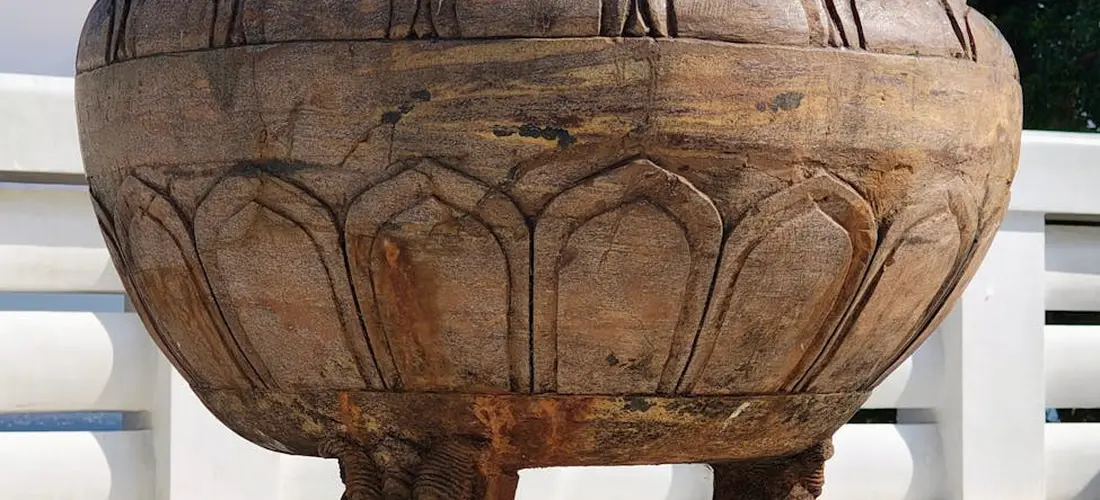
How did cremation start? The answer reaches back into deep time. Cremation has been around for tens of thousands of years, far longer than many realize.
Archaeologists point to some of the oldest known evidence. In Australia, the remains of the “Mungo Lady” show signs of burning and ceremonial burial from roughly 40,000 years ago. Across the world, in what is now Europe, Neolithic communities also practiced cremation around 3000 BCE.
Imagine the scene. The scent of wood smoke would have filled the air, and the glow of a pyre would have lit the night sky. For these early societies, the reasons for cremation were likely both practical and spiritual.
Practically, it could address concerns about sanitation and the use of land. Spiritually, the transformative fire might have been seen as a swift way to release the spirit or honor the dead. I often think about the profound human need behind these acts, a need to care for a loved one with the means available.
Where Did These Early Practices Spread?
From these early points, cremation practices traveled and took root in different soils. The idea did not have a single origin but appeared in various cultures independently.
It became deeply woven into the ancient Indian subcontinent, a tradition that continues unbroken today. From there and through other routes, the practice entered the classical worlds of Greece and later Rome, where it became a standard rite.
Not every ancient culture embraced it, however. In Egypt, for instance, cremation was rare. Their belief in a physical afterlife required the body to be preserved, leading to the practice of mummification instead. This contrast shows how deeply death practices are tied to a culture’s view of existence.
How Did Religion Shape the History of Cremation?
The story of cremation is largely a story of faith. It is a history of changing beliefs about the body, the soul, and what constitutes purity, especially within various religious traditions such as Christianity.
Why Was Cremation Central to Some Ancient Worlds?
In ancient Greece and Rome, cremation was the dominant public ritual. The funeral pyre was a communal event, a visible and aromatic farewell. These customs form part of the broader history of funeral practices across cultures. Exploring them reveals how societies remember the dead.
In Greece, it was a sacred duty to tend the pyre until the body was fully consumed. The Romans adopted and formalized this practice, often building elaborate pyres for prominent citizens. For these cultures, fire purified the body and freed the soul for its journey to the underworld. Philosophical views of the body as a mere shell also supported this fast, clean separation.
What Caused Its Decline in the West?
This widespread practice met a powerful counterforce with the rise of Christianity. Early Church doctrine held a firm belief in the physical resurrection of the body on Judgment Day.
Cremation, seen as a destruction of the body, became associated with pagan defiance and was therefore forbidden. Islam, emerging later, also prescribed burial, further solidifying cremation’s decline across Europe and the Middle East. For over a thousand years, this theological stance made earth burial the singular, dominant practice in the Western world. It is a powerful example of how doctrine can reshape centuries of tradition. In Islamic funeral rites, burial is central, with specific rites that honor the deceased. Cremation is generally avoided in this tradition.
Where Did Cremation Traditions Endure?
While the West turned away, other parts of the world held firm. In Hindu and Buddhist traditions, cremation never lost its sacred role, understood deeply through religious perspectives on cremation.
In Hinduism, the fire ritual is essential for releasing the soul from the cycle of rebirth. In Buddhism, it mirrors the teaching of impermanence. The flames are not an end, but a transformative release, a final act of compassion for the departed. Standing with families from these traditions, I have seen how this ancient practice offers profound comfort and closure.
How Was Cremation Revived in the Modern Era?
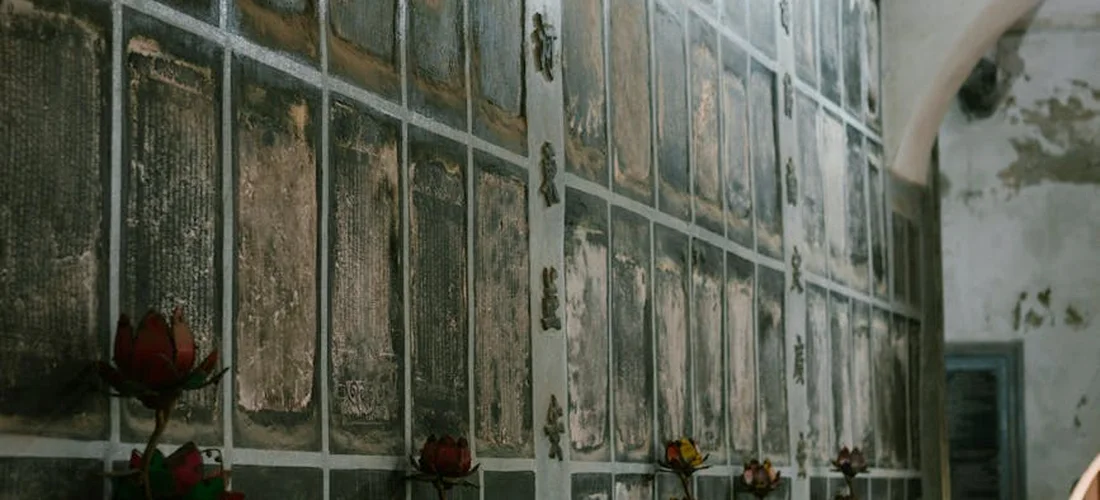
Cremation became a common practice again in the West during the 19th century. This was not a sudden return, but a gradual shift driven by necessity. It also opened discussions about different cremation methods and burial alternatives that would evolve in the years to come.
Industrialization packed people into crowded cities. Churchyard cemeteries began to overflow, and the smell of damp soil near homes sparked real fear.
Public health concerns about disease from burial grounds made cremation a compelling, sanitary alternative.
The first modern cremation furnaces were developed to meet this need. In 1873, an efficient model was shown at the Vienna Exposition, proving the method could be controlled and respectful.
A “cremationist” movement grew, led by doctors and reformers. They argued that fire was a clean, dignified way to honor the dead in a modern world.
This movement reframed cremation from an ancient practice into a progressive choice for a new age.
What Are the Differences Between Eastern and Western Rituals Today?
A typical modern Western service is often a funeral held before the cremation. People gather in a chapel to share stories and say goodbye, while the actual cremation happens privately, later.
The ceremony focuses on remembering the person before the physical transformation begins.
Contrast this with a traditional Hindu *antyesti*. The last rites usually occur within hours of death. The family brings the body to a cremation ground, often by a holy river like the Ganges.
I have learned that in Japanese Buddhist practice, the ceremony is similarly immediate. The family stays present, offering incense and prayers as the cremation chamber closes.
Family involvement is deeply hands-on in Eastern rituals. Sons or close relatives may light the funeral pyre or push the chamber button, a sacred duty.
In the West, care is entrusted to professionals, allowing mourners space for their grief without the direct act.
The handling of ashes shows another clear difference. Hindu ashes are often scattered in sacred flowing water. Japanese ashes might be interred in a family grave, with bone fragments collected by relatives using special chopsticks.
In Western practice, ashes are frequently placed in an urn, kept at home, buried, or stored in a niche.
The core difference often lies in ceremony: one often remembers before the fire, the other sanctifies the act of the fire itself.
How Is Modern Cremation Changing?
The shifts we see in cremation today feel both new and deeply familiar. I have watched families make these choices, and I see the same historical dance between practical necessity and spiritual longing.
Our current concerns about space, cost, and personal expression are modern echoes of ancient motivations. This change is not a rupture but a continuation, a way we now navigate the same fundamental human needs our ancestors faced.
How Do Environmental Concerns Influence Choice?
Many people now ask about the carbon footprint of a traditional flame-based cremation. The process requires significant energy and releases carbon dioxide into the atmosphere.
This debate mirrors the 19th-century revival of cremation, which was driven by public health fears about crowded urban cemeteries. Then as now, a practical concern for community well-being is reshaping how we care for our dead. The method changes, but the impulse to protect the living remains constant.
Alternative Options: The New Continuation of an Old Story
The search for a respectful return to the earth is an old, old story. Every culture has its own chapter.
What we call “new” alternatives are simply the latest verses in this long human poem. They represent our enduring desire to find meaning and connection in the final act.
What Are the Contemporary Alternatives?
Two methods are gaining attention for their reduced environmental impact. They offer a different physical process while honoring the same core intentions.
- Alkaline hydrolysis, often called water cremation, uses a gentle flow of water, heat, and alkali. It breaks the body down to its essential elements, leaving behind bone ash and a sterile liquid.
- Human composting, or natural organic reduction, places the body in a vessel with organic materials. Over several weeks, microbial activity transforms everything into nutrient-rich soil.
Both methods use less energy and produce fewer emissions than flame cremation. They are not radical breaks from tradition but thoughtful responses to today’s ecological awareness. In my work, I see how they provide comfort by aligning a personal goodbye with a planetary care. They are new answers to the ancient questions of dignity, memory, and our relationship with the earth.
Frequently Asked Questions
How did cremation practices spread across different continents?
Cremation ideas often traveled with migrating peoples, traders, and the spread of religions like Buddhism from India across Asia. In other cases, such as in ancient Europe, practices developed independently based on local spiritual beliefs and practical necessities. These threads also tie into cremation myths debunked, a topic that unpacks common misconceptions about the practice. By distinguishing myth from practice, we illuminate how cremation has evolved across cultures.
How did ancient civilizations like the Greeks and Romans view and practice cremation?
For Greeks and Romans, cremation was a public, ceremonial act believed to purify the body and release the soul to the afterlife. It was a standard practice, with elaborate pyres for honored individuals, reflecting both religious duty and philosophical views of the body, especially in Ancient Roman rituals.
How did industrialization and urbanization in the 19th century revive interest in cremation?
Overcrowded cities and public health fears about cemeteries made cremation a sanitary, practical solution promoted by reformers. This reframed it from an ancient ritual into a modern, progressive choice for dignified disposal, leading to the development of the first controlled cremation furnaces.
Reflecting on Cremation’s Historical Journey
Learning about What Are the Historical Origins and Cultural Evolution of Cremation Practices Worldwide? shows that cremation is a choice deeply rooted in human culture and belief. For example, Jewish views on cremation customs traditionally favor burial, shaping many lifecycle rituals. This understanding can offer solace and clarity as you navigate personal decisions with confidence.
In your approach to Funeral Care, prioritize dignified and eco-friendly practices that honor Funeral Needs. Remaining open to learning about Funeral Questions helps ensure every arrangement is made with compassion and practical care.
Emiliana Dieter
Emiliana is an author at The Valedictory. She is an experienced funeral care advisor and arranged and organized many funerals as part of her end of life consulting services. She has over 8+ years in the funeral industry managing her family funeral business and helping families cope with the loss of their loved ones. Her articles answer any and all questions you might have regarding funeral arrangements, costs, preparations, etc so you can make this a seamless experience.