
A Gentle Guide to the Timing, Duration, and Length of Catholic Funeral Services, Mass, and Rosary
Planning a Catholic funeral can feel overwhelming when you are grieving. I am here to offer clear, compassionate guidance on the schedule and rituals.
This article will walk you through each part of a Catholic funeral rite. We will cover the typical timing of the Vigil and Rosary, the duration of the Funeral Mass, the length of the committal service, and what factors can shorten or extend the day.
Key Takeaways: A Compassionate Summary
Planning a funeral means managing both emotion and logistics. I want to give you a clear picture of the time involved, so you can focus on what truly matters.
A full Catholic funeral with all three main rites usually spans two to three hours. The Vigil (or wake) often lasts about an hour. The Funeral Mass itself is typically 60 to 90 minutes. The Committal service at the cemetery is generally the shortest, around 20 to 30 minutes.
Remember, these rites are not procedures to endure, but prayers to share. Their gentle rhythm is designed to carry you and your community through grief, offering familiar words when your own may fail.
Please know there is always flexibility. Your parish priest and funeral director will walk you through every choice, honoring your family’s needs within the sacred tradition, whether it’s religious services or other customs.
How Soon After a Death Does a Catholic Funeral Typically Happen?
In my experience, most Catholic funeral Masses are held two to five days after the death. This window balances respect for the deceased with the practical needs of the living. This timing is typical of religious funeral rites, which often have specific traditions and customs.
Several factors influence this timeline. The parish’s schedule and the availability of the priest are primary considerations. Families often need time for distant relatives to travel. If a death requires investigation by a coroner, it will understandably cause a delay.
Culturally, practices can vary. For instance, when people ask how long after death a funeral is in Italy, the tradition there often involves a shorter timeline, sometimes with burial within 24 to 48 hours. This shows how local custom and climate can shape practice.
So, do Catholics have funerals quickly? Generally, yes, but with purposeful intention. The Church understands the human need to gather, pray, and begin the journey of farewell without unnecessary prolongation. Catholic funeral practices, including cremation, follow church protocols to ensure reverence and proper rites. These guidelines help families navigate the process with clarity and dignity.
Respecting the Natural Process
The Church encourages a brief, respectful pause between death and burial. This is not about delay, but about dignity.
This pause allows the reality of the loss to settle and creates the necessary space for a community to form around the grieving family. It transforms a biological event into a spiritual and communal one, affirming that a life is worth honoring together.
The First Gathering: The Vigil Service (Wake) and Rosary
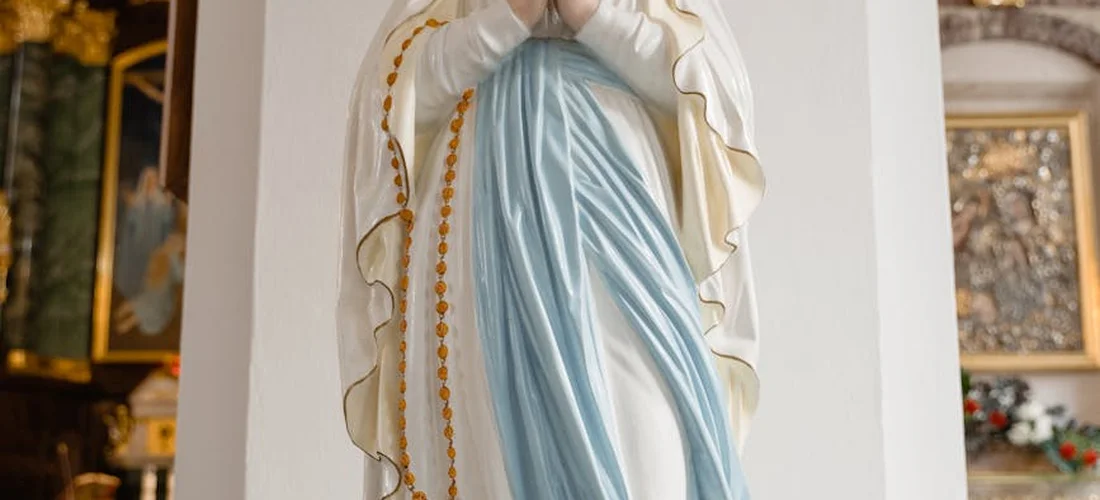
In my years of guiding families, I have seen how the Vigil service offers a gentle beginning. It is the initial prayer gathering, often held at a funeral home the evening before the funeral Mass.
This time allows loved ones to come together in a quiet, supportive space. You can share stories, offer comfort, and begin the prayerful journey.
How Long Does a Catholic Funeral Rosary Usually Last?
A Catholic funeral rosary prayer typically lasts 20 to 30 minutes. This dedicated time focuses entirely on praying for the soul of the departed.
The prayer is contemplative and rhythmic, using beads to guide each Hail Mary. I find its repetitive nature can be soothing, giving your mind a quiet anchor in grief.
The Full Vigil Service Duration
A formal Vigil service, which may include a rosary, readings, and personal reflections, often lasts about 45 minutes to an hour. This timeframe accommodates the essential prayers while respecting everyone’s emotional energy.
When planning, this is the first major gathering to consider for the full sequence of services. It answers part of your practical question about the overall duration from vigil to committal.
The Central Rite: The Funeral Mass Timings and Length
In the Catholic tradition, the Funeral Mass stands as the heart of the farewell. It is more than a service; it is a communal prayer that wraps the bereaved in ritual and solace.
I have always found that this liturgy offers a gentle anchor. Its familiar rhythms can provide a surprising comfort when the ground beneath you feels unsteady.
What Are the Standard Timings for a Catholic Funeral Mass?
Most Funeral Masses are scheduled for late morning or early afternoon on a weekday. Priests often prefer these hours to allow time for the procession to the cemetery and the committal service afterward.
This schedule respects the natural flow of the day and the practical needs of mourning families and their guests.
You may find more restrictions if considering a Saturday. Parishes usually hold regular weekend Masses for the living community, so funeral times can be limited or unavailable.
Major holy days, like Easter or Christmas, follow a similar pattern. The parish’s focus is on the feast, so a funeral might be quietly arranged for a different time. During these periods, funeral restrictions often apply and services are scheduled around the feast. This keeps the focus on the holy day while still honoring the deceased.
What is the Typical Length of a Catholic Funeral Mass?
When families ask me, I tell them a Funeral Mass typically lasts between 45 minutes and one hour. This is the core answer to the common worry, “Are Catholic funerals long?”
The Mass itself has a defined structure, and this timeframe allows for a dignified, unhurried celebration of the liturgy.
A few factors can quietly extend this duration. A very large congregation receiving communion will add time. A priest may offer a longer, personal homily, or a family might choose special music.
I see these not as delays, but as expressions of love. They are moments where the service stretches to hold more memory and more prayer.
The Final Committal: Graveside or Crematorium Service
This is the brief, poignant rite of final farewell. After the prayers of the funeral mass, the journey continues to the place of interment. I have always found this moment to be profoundly grounding. It is where the spiritual consolations of the church meet the physical reality of the earth.
The ritual here is simple and direct. It focuses on committing the body, and the soul of your loved one, to God’s care. This short service provides a necessary point of closure, a final, sacred gesture before you must turn and walk away.
Duration and Location
The Rite of Committal itself is concise, usually lasting just fifteen to twenty minutes. The priest or deacon will lead prayers, often including a blessing of the final resting place. There may be a final sprinkling of holy water, a reminder of baptism, and words of hope from scripture.
For planning, the travel time between the church and the cemetery or crematorium is the most important factor. A long procession can stretch the overall day significantly. I advise families to account for this transit openly.
Consider the distance, local traffic patterns, and even the weather. Allowing a generous buffer for this journey reduces stress on a day already heavy with emotion. It permits the procession to move together with dignity, not haste.
Whether at a graveside under an open sky or within the quiet of a crematorium chapel, this final act holds a unique weight. It is a quiet, steadfast end to the formal rituals, a moment to whisper one last goodbye.
A Full Day of Rites: Total Time from Start to Finish
A Catholic funeral is a journey of prayer that unfolds over hours. It begins with quiet preparation and moves through shared liturgy and final farewells. This gentle rhythm allows grief to breathe, offering moments of comfort within a structured day.
I have stood with families through these long hours. There is a sacred weight to the time, a slow pace that honors the person who has died. You may feel weary, but the sequence of rites provides a steady path forward.
How Much Time Should Be Allocated for a Full Catholic Funeral with All Rites?
Plan for the full observance to span two days. The Vigil with the Rosary is typically held the evening before and lasts about 30 to 45 minutes. The main funeral day, from the Mass through the committal, requires a more significant block of time.
Here is a realistic timeline for the day of the Funeral Mass:
- Morning Preparation: Family gathers at the funeral home or church. This often takes an hour for final viewings and quiet reflection.
- Travel to the Church: The funeral procession from the funeral home. Allow 30 to 60 minutes, depending on distance and local traffic.
- Funeral Mass: The central act of worship. This service typically lasts between 60 and 90 minutes.
- Procession to the Cemetery: The journey from the church to the burial site. Budget at least 30 minutes for travel.
- Committal Service: The final prayers at the graveside. This brief rite usually takes 20 to 30 minutes.
- Gathering: A reception or meal for sharing memories. This is separate and its length varies by family wish.
From the start of the Funeral Mass to the end of the committal service, you should plan for a 4 to 6 hour commitment. This accounts for the natural pauses, travel, and the dignified pace of each rite. The post-service reception is an additional, optional period of fellowship.
When you include the Vigil service from the previous night, the full Catholic funeral rites encompass a full day of observance. This extended time is not an burden, but a gift of space to say goodbye.
A Note on Etiquette and Bearing Witness
As an attendee, your role is one of quiet witness. You are there to hold space for grief, not to perform or say the perfect thing.
Think of it as standing with a friend in a hard moment. Your simple, respectful presence speaks louder than any words.
Your Presence is the Priority
Arriving on time for the Mass is a fundamental sign of care. It honors the sacred timeline of farewell.
Staying for the entire service is a profound act of support, a silent companion to the family’s journey through the liturgy. You share the weight of the hour simply by being there.
If you are not Catholic, you may wonder how to participate. Follow the posture of the congregation-standing, sitting, or kneeling-as you are able.
You are never expected to make the verbal responses or receive Communion; your reverent observation is a gift in itself. I have seen how a calm, attentive presence comforts a grieving family more than any ritual perfection.
The Quiet Support of the Visitation
The Vigil, or wake, offers a different kind of solace. It is often held in a funeral home the evening before the Mass. Many people wonder about the difference between a vigil and a wake. Understanding this difference can help attendees anticipate the tone and flow of the gathering.
This time is for personal connection. You can share a memory, offer a handshake, or simply stand with the family in a more private setting.
Attending this gathering is often as meaningful as the funeral Mass, providing a crucial moment for personal condolences away from the formality of the church. The murmured conversations and shared silence here are a bedrock of support. Post-funeral gatherings etiquette guides these moments. Offering brief condolences and a listening ear keeps the focus on comfort.
Personal Perspective: A Moment of Reflection on Time
In my years of guiding families, the most frequent question is not about hymns or flowers. It is, “How long will this take?” The question is practical, but beneath it I hear a deeper need. People are adrift in a new world of grief, and they are looking for a map. Knowing the schedule of a funeral Mass or a Rosary is often the first solid ground a mourner can find.
When someone dies, ordinary time shatters. Hours blur, and days lose their names. In that disorientation, the clear structure of the Catholic funeral rites becomes a profound gift. It is not a rigid cage, but a container. For this specific hour, you do not have to decide what to do or how to feel. The liturgy carries you forward with a gentle, unwavering momentum when your own strength has gone.
I have seen the comfort that comes from this predictable rhythm. The standing, the kneeling, the familiar responses spoken in unison. In the repetition of the Rosary’s Hail Marys, there is a kind of breathing. The mind, frantic with pain, is given a simple, sacred task to hold. It is a respite. The very length of the service allows space for grief to simply be, held within the safety of prayer.
Planning with Compassion: Communicating with Your Parish
In the quiet after a loss, practical details can feel like a heavy burden. I remember helping my own family through this, and I often guide others to start by simply talking with their parish priest. An open conversation with your parish can transform confusion into a clear, respectful plan for the day. This step is about honoring your loved one while caring for yourself and those who will gather.
Questions to Ask Your Funeral Director and Priest
Bring a few clear questions to your meetings. This helps ensure everyone understands the schedule. I always suggest writing them down, as grief can make it hard to remember.
- What time slots are available for the Funeral Mass this week?
- How much time should we allow between the rosary, the visitation, and the Mass?
- Can we schedule the rosary for a specific time, like the evening before?
Asking these questions early provides a framework, giving you one less thing to worry about. Keeping a list of funeral details questions handy can guide discussions. Your funeral director and priest are there to help you navigate these choices.
Allowing Time for Mourners to Gather
Please, build in a little empty space before the Mass begins. I advise planning for at least twenty to thirty minutes of quiet gathering time. This buffer allows people to arrive, find their seats, and settle into a reflective silence. It respects the need for a gentle transition into the sacred service.
Think about the journey your guests will make. If many are coming from afar or are older, a later morning start can be a kind gesture. Considering travel time is a simple act of compassion that eases the day for everyone.
Frequently Asked Questions on Funeral Timing
How long does a Catholic funeral rosary usually last?
The Rosary is a contemplative prayer that typically lasts 20 to 30 minutes. This dedicated time offers a gentle, rhythmic comfort as you pray for your loved one.
What are the standard timings for a Catholic funeral Mass?
Funeral Masses are most often held in late morning or early afternoon on weekdays. This schedule respectfully allows time for the procession to the cemetery and the final committal service. In planning, choosing the service day and time is a key part of funeral service scheduling, helping families coordinate attendance and logistics. Considering weekday versus weekend options can also affect venue and staff availability.
What is the duration of a Catholic funeral service including the vigil and committal?
The combined active services-Vigil, Mass, and Committal-typically span 2 to 3 hours. When accounting for travel and gatherings, please plan for a compassionate 4 to 6 hour commitment on the main day.
Parting Reflections on Service Timings
The most vital guidance is to view the set timings of the Mass and Rosary not as rigid constraints, but as a compassionate rhythm that holds space for your grief. Working within this sacred structure allows for a ceremony that is both deeply respectful and personally meaningful.
Please consider Funeral Care as an act of love, where dignified and eco-friendly choices can honor a life well-lived. I hope you feel supported to keep learning about Funeral Needs and Funeral Questions, finding small comforts in knowledge during this difficult time.
Emiliana Dieter
Emiliana is an author at The Valedictory. She is an experienced funeral care advisor and arranged and organized many funerals as part of her end of life consulting services. She has over 8+ years in the funeral industry managing her family funeral business and helping families cope with the loss of their loved ones. Her articles answer any and all questions you might have regarding funeral arrangements, costs, preparations, etc so you can make this a seamless experience.