
Flower Etiquette for Jewish and Muslim Funerals: A Gentle Guide
I understand the quiet worry that comes with wanting to express sympathy correctly. Navigating funeral customs for a faith not your own requires both heart and mindful respect.
Drawing from my years supporting grieving families, this article will clarify these traditions for you. We will explore why flowers are often not part of Jewish funeral services, what compassionate alternatives are preferred in Muslim tradition, and how to offer condolences that honor both the departed and their loved ones.
Key Takeaways for Compassionate Support
Flowers are typically not brought to Jewish or Muslim funeral services. This is the fundamental rule to follow.
This custom arises from deep respect for tradition, not from a rejection of your sympathy. Your kind intention is never misunderstood.
When you wish to show support, focus on these heartfelt alternatives instead.
- Make a donation to a charity suggested by the family.
- Send food to the home for the mourning period.
- Write a personal, handwritten note of condolence.
Your genuine desire to offer comfort is what the family will remember most. Honoring their customs is a profound act of care.
Understanding Customs for Flowers at Jewish Funerals
Jewish mourning practices emphasize simplicity and spiritual equality. The ritual centers on the person’s memory and the community’s presence, not on decorative displays. Funeral timing in traditional Jewish practice is typically soon after death, often within 24 hours. The ensuing days focus on community mourning during shiva.
Are flowers appropriate at a Jewish funeral or service? The direct answer is no. Flowers are not customary at the funeral, burial, or most synagogue services. Sending flowers is generally avoided in these contexts to respect the traditions.
Sending flowers to the funeral home or the shiva house is also generally discouraged. The shiva home is a space for prayer and shared mourning, where simplicity is maintained, unlike the floral arrangements often used at funerals.
Some contemporary or less observant Jewish families may adapt this practice. If you are uncertain, the most respectful approach is to ask a close family friend for guidance.
Why Flowers Are Often Not Part of the Service
This tradition has historical roots in modesty and equality. Ornate floral arrangements were seen as a distraction from the solemn focus on prayer and the soul of the departed.
The value is on inner reflection, not outward display. By avoiding flowers, the service keeps attention on words of remembrance and the comfort of community.
Appropriate Alternatives to Flowers for a Jewish Funeral
Making a charitable donation, or Tzedakah, is a deeply meaningful gesture. It creates a lasting tribute by supporting a cause important to the deceased or their family.
Sending food to the family home during Shiva is a practical and cherished gift. It nourishes the body and spirit when daily tasks feel overwhelming.
A heartfelt, handwritten note holds immense power. Your personal words of sympathy offer a direct and lasting comfort that no object can replace.
Understanding Customs for Flowers at Muslim Funerals
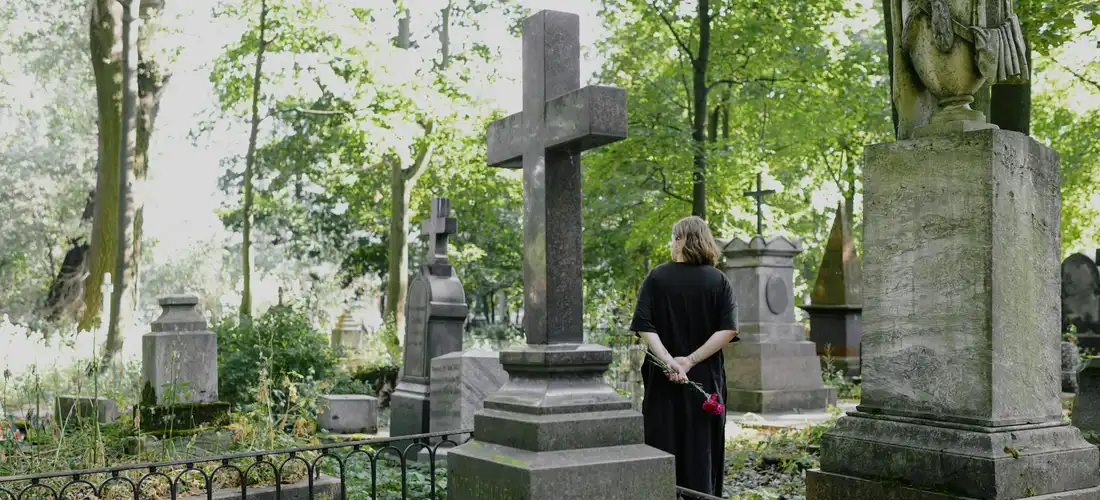
Islamic funeral rites, known as Janazah, prioritize a swift and simple burial. The focus rests on spiritual reflection and the dignity of the deceased returning to the earth. Islamic funeral customs emphasize burial as an essential aspect of Janazah.
Because of this simplicity, flowers are not customary at a Muslim funeral service or at the graveside. The service itself is a prayer, and decorations or adornments are generally not used. After the service, families may still arrange funeral flowers as a separate act of remembrance. These post-service tributes are often sent to the home or placed at the gravesite, rather than displayed during the service. The atmosphere is one of solemn prayer and community support, without visual displays.
The Focus on Prayer and Practical Support
The community’s primary role is to offer prayers for the deceased’s soul and to provide steadfast support to the grieving family. This creates a powerful, collective embrace around those in loss.
View the absence of floral arrangements not as a lack of care, but as part of a unified, dignified farewell. It reflects a tradition where spiritual and practical aid hold more weight than material tributes.
Appropriate Alternatives to Flowers for a Muslim Funeral
The most meaningful alternative is often a charitable donation made in the name of the deceased. This act, called Sadaqah Jariyah, is considered a continuing blessing.
Practical support for the family is also deeply valued. Consider these gestures instead of flowers:
- Make a sincere donation to a charity the person cared about.
- Offer to bring meals, help with childcare, or run necessary errands.
- Personally express your condolences and assure the family of your prayers.
These actions align with Islamic principles of compassion and provide tangible comfort during a difficult time.
A Note on Etiquette and Personal Gestures
When offering condolences, simple and sincere words are best. You might say, “I am so sorry for your loss. May God grant you patience and peace,” or “My prayers are with you and your family.”
Some may wonder about giving a living plant, like an evergreen, as a longer-lasting alternative. This is still uncommon for the service itself, but it may be appreciated as a gift to the family’s home after the burial, if you know their preferences.
Sending flowers directly to the family’s private home is a sensitive matter. It is not traditional, and the sight of them could cause discomfort. It is usually better to choose a different gesture.
If you inadvertently sent flowers, do not panic. Your intention was kind. Acknowledge it gracefully if needed: “I realize now that flowers are not customary; please know my only intent was to express my sympathy and support for you.”
Dignified Alternatives to Floral Tributes
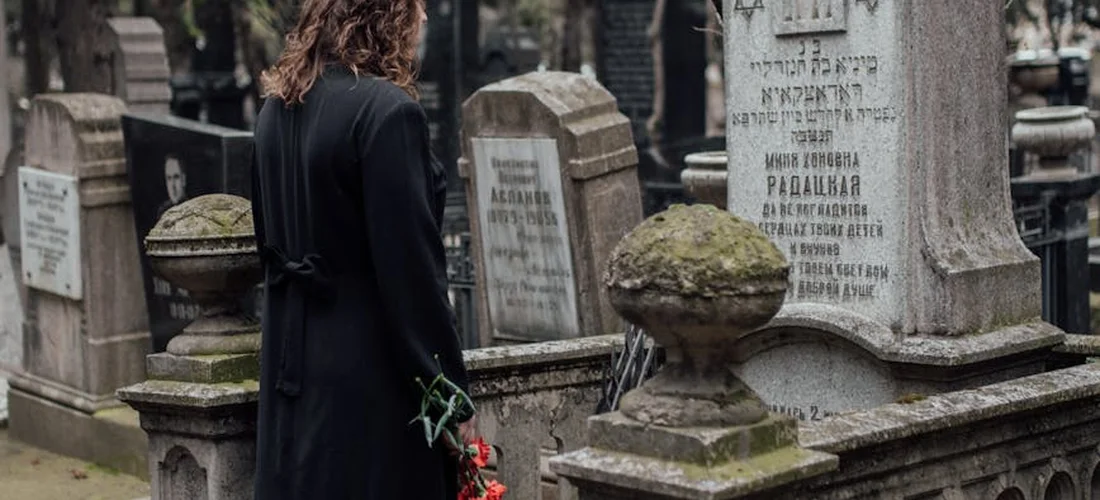
When flowers are not the custom, your kindness can still find beautiful expression. A donation made in the person’s name to a favored charity is a lasting tribute.
This gift continues their values and passions. It turns memory into action that helps others.
A charitable contribution extends a person’s spirit into the future, offering comfort that grows with time.
Providing food is a profound act of care. Grief can make even simple meals feel impossible to prepare.
A homemade dish or a restaurant gift card delivers practical comfort. It nourishes the body so the heart can begin to heal.
Sustenance given during mourning is a silent language of love and support.
Never underestimate the power of your own words. Write down a specific, warm memory you have of the person.
Describe a moment that made you smile or taught you something. This written snapshot becomes a personal treasure for the family.
A heartfelt note sharing a genuine memory is often the most cherished gift of all.
If you consider a living plant, be very certain of the family’s wishes. A small, potted herb or a resilient succulent can symbolize ongoing life.
Only choose this if you know their preferences well. An unexpected plant might add to their burdens.
Offer a living plant only when you are confident it will be welcomed and cared for.
Navigating Your Intentions with Respect
The guiding principle is simple. If you are uncertain, choose a charitable gift or a personal note.
Both are universally respectful gestures. They honor the loss without crossing any cultural lines.
When traditions are unfamiliar, charity or a written memory are your most respectful options.
It is always okay to ask for guidance. Reach out to a close family friend or the funeral home contact.
A gentle question shows your deep respect. It ensures your gesture brings solace, not stress.
Asking for direction is a compassionate act, demonstrating your sincere desire to support them properly.
In the end, the specifics matter less than your intent. Your steady presence is what truly comforts.
Showing up, listening, and offering practical help are the foundations of support. These quiet actions hold space for their grief.
Your caring presence and thoughtful support are, without doubt, the greatest gifts you can give.
Frequently Asked Questions
Should flowers be sent to the family’s home instead of the funeral service?
It is generally best to avoid sending flowers to the home as well. For both traditions, the home is a space for mourning and prayer, where the presence of flowers may not align with the customs of simplicity.
Your kindness is better expressed through the meaningful alternatives preferred by each faith.
Are there specific types of flowers that are acceptable or unacceptable?
Because flowers are not a customary part of these funeral rites, there are no specific guidelines on types. The tradition focuses on the absence of floral tributes altogether to maintain solemnity and equality.
Choosing an alternative gesture is always the most respectful and appropriate course of action.
What is a universally respectful alternative if I am unsure?
A charitable donation made in the name of the deceased is a deeply meaningful and universally appropriate gesture. It honors their memory through a lasting, positive impact.
Combining this with a sincere, handwritten note of condolence is a powerful way to express your sympathy respectfully. Considering funeral flower etiquette and sympathy can guide your flower choice. Timely, tasteful delivery completes the message.
Parting Reflections on Jewish and Muslim Funeral Flower Etiquette
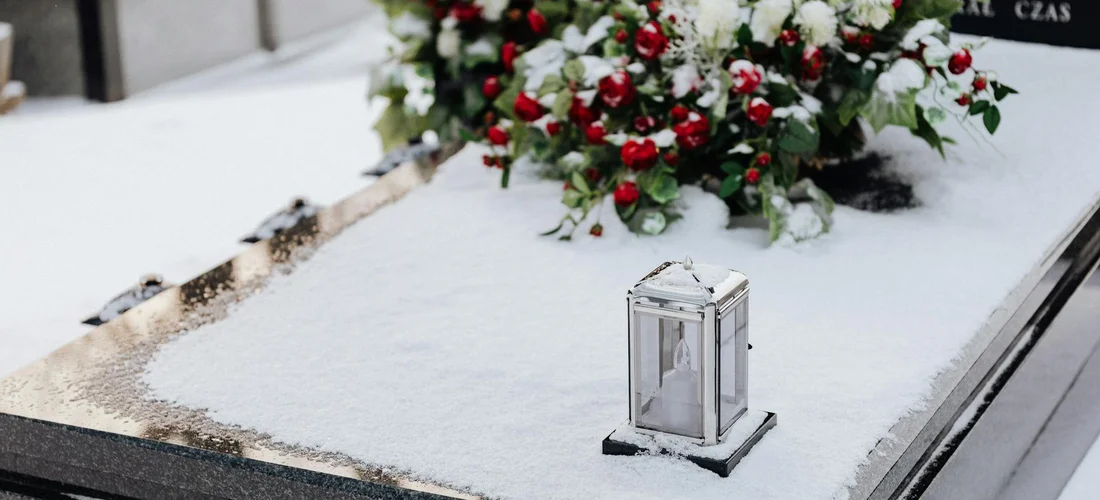
Your most respectful gesture is to honor the family’s traditions by setting flowers aside unless they are specifically welcomed. A charitable donation or a simple offer of support often provides more comfort and aligns with these sacred practices.
Approaching all Funeral Care with dignity means considering eco-friendly options that gently honor both the departed and the earth. Continue to learn about Funeral Needs and explore Funeral Questions, as this preparation helps you offer thoughtful, compassionate support when it matters most.
Research and Related Sources
- Flowers and the Jewish Mourning Tradition | Shiva, Jewish Mourning
- Jewish Funeral Customs | Funeral Partners
- Funeral Flowers for Different Faiths | Matthew Funeral Home And Cre…
- Jewish Funeral Etiquette: What to Expect as a Non-Jew – Funeral Basics
Emiliana Dieter
Emiliana is an author at The Valedictory. She is an experienced funeral care advisor and arranged and organized many funerals as part of her end of life consulting services. She has over 8+ years in the funeral industry managing her family funeral business and helping families cope with the loss of their loved ones. Her articles answer any and all questions you might have regarding funeral arrangements, costs, preparations, etc so you can make this a seamless experience.