
Funeral Flower Etiquette: A Compassionate Guide to Sending Sympathy Arrangements
When you are mourning a loss or wishing to offer comfort, choosing funeral flowers can feel like one more weight in a heavy moment.
I will help you navigate this tradition with respect and heart. This guide covers proper timing for delivery, explains the meaning behind common arrangements like casket sprays and standing wreaths, and offers gentle advice on personalizing your gesture.
Key Takeaways: Your Guide to Compassionate Choices
Sending flowers is a kind gesture. It tells a grieving family they are not alone.
The most meaningful part of sending flowers is the thought behind them, not their size or price. There is no single perfect choice, only a thoughtful one.
- Always check the death notice or obituary first. If it says “in lieu of flowers,” the family has requested donations to a charity instead. Honoring this wish is the highest form of respect.
- Your personal connection to the deceased should guide your choice. A simple, sincere arrangement from the heart carries more weight than the most extravagant display.
Understanding the Purpose: Why We Send Funeral Flowers
Flowers offer a silent language when words feel impossible. Their soft scent and delicate beauty bring a moment of calm to a space filled with sorrow.
They are a visual expression of care, a way to say “I am sharing in your loss” without having to speak. For many, seeing a chapel filled with colorful blooms is a profound comfort.
Flowers can also honor the person who has died. Choosing their favorite bloom or a color they loved personalizes the tribute. It is a small way to reflect their spirit. Appropriate funeral flowers can provide comfort and convey sympathy during this difficult time.
For others, sending flowers is a traditional act of support, a customary step in acknowledging a death. It is a tangible action you can take when you feel helpless.
Cultural views on funeral flowers vary. In some traditions, white flowers like lilies or chrysanthemums symbolize peace and rebirth. In others, certain colors or types may be less common. When in doubt, a florist familiar with local customs can offer gentle guidance.
When and Where to Send Funeral Flowers: Timing and Placement
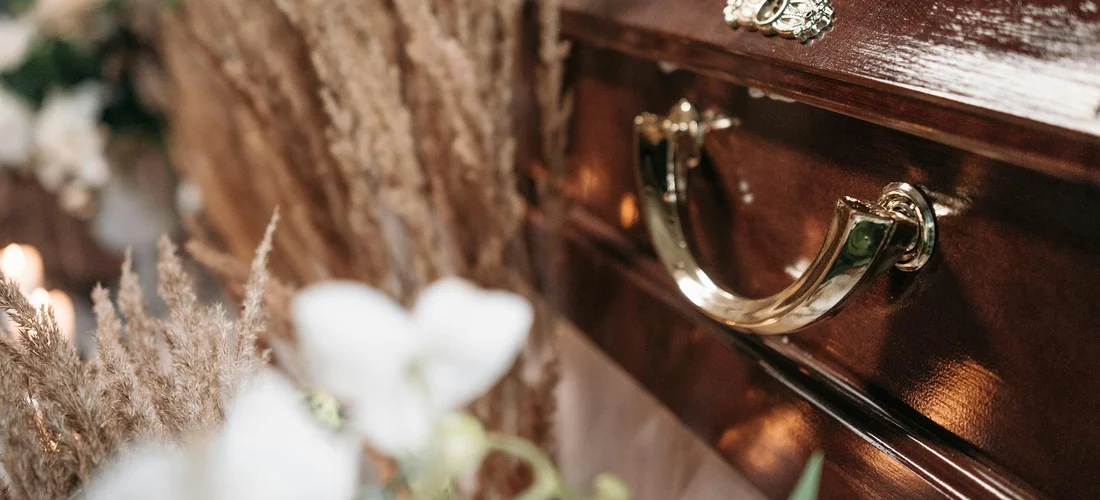
Timing matters. You want your gesture to arrive when it is most needed.
Order flowers as soon as you learn of the service. This gives the florist time to create something beautiful. Aim for delivery to the funeral home the afternoon before the service or the morning of. Timing is crucial for funeral flower delivery, helping ensure the arrangement arrives fresh and ready for the service. In the next steps, we’ll cover how to coordinate the delivery window.
A delivery before the family’s arrival allows the funeral director to place your arrangement thoughtfully, creating a comforting space for the first visitation.
Your choices for delivery are the funeral home, the family’s home, or the service venue. The funeral home is the most common and reliable choice. They are equipped to receive and care for many arrangements.
Sending flowers directly to the family’s home is a kind gesture, especially after the funeral. It brings a touch of life and solace when the public gatherings have ended. To help them keep their beauty longer, you can follow simple home care tips for funeral flower arrangements. This care can extend the solace they bring after the service.
If the notice specifies a “memorial service” at a church or hall, you can often send flowers there. Check with the venue first to confirm they can accept deliveries, especially if you’re sending funeral flowers or cards.
What “In Lieu of Flowers” Really Means
When a family includes this phrase, it is a direct request. They have often chosen a charity or cause that held meaning for their loved one.
Honoring this wish is a profound act of respect. It shows you are listening to the family’s needs during their grief.
Respectful alternatives include making a donation in the deceased’s name or sending a heartfelt sympathy card with a personal note. A thoughtful card can mean as much as any bouquet.
Sending flowers against this request, however well-intentioned, can add a burden. The family may feel obligated to handle and display them, creating logistical and emotional difficulty when they are most vulnerable.
A Note on Etiquette: Choosing Arrangements by Your Relationship
The closeness of your relationship can guide your choice. This is not about rules, but about offering a gesture that feels fitting and supportive.
Your presence and care are what the family will remember most. Any arrangement sent with sincerity is a gift.
Etiquette for Immediate Family
Immediate family often selects the largest and most prominent arrangements. These pieces anchor the service space.
Traditional choices include a casket spray, a standing cross or heart, or a large wreath on an easel. These are visible expressions of a family’s love.
It is wise to coordinate with other family members or the funeral director. This avoids duplicate sprays and ensures colors harmonize. Soft whites, creams, and blues are common, but a favorite color can be a beautiful tribute.
In some traditions, like Catholic services, immediate family may provide the pall over the casket instead of, or in addition to, a spray. Your funeral director can clarify these customs with gentle guidance.
Etiquette for Extended Family and Grandchildren
Your connection is deep, and your floral gift can reflect that shared history.
Meaningful choices include smaller standing sprays, wreaths, or heart-shaped arrangements. A basket of mixed blooms is also perfectly appropriate.
Grandchildren often wish to honor a grandparent together. A collective arrangement from “The Grandchildren” can be a deeply touching gesture. A simple spray of fragrant lilies or roses speaks volumes of shared love.
Etiquette for Friends, Colleagues, and Neighbors
Your gesture is a vital sign of community support. It tells the family their loved one was cherished beyond the family circle.
Tasteful, standard arrangements are always welcome. Consider a mixed bouquet in a vase, a basket of garden-style flowers, or a dignified potted plant, like a peace lily.
A modest, heartfelt arrangement carries the same message of sympathy as a large one. The family will see the care behind it. Often, these smaller bouquets are later taken home by the family, where they provide quiet comfort in the days that follow.
Selecting Flowers and Arrangements: Types and Meanings
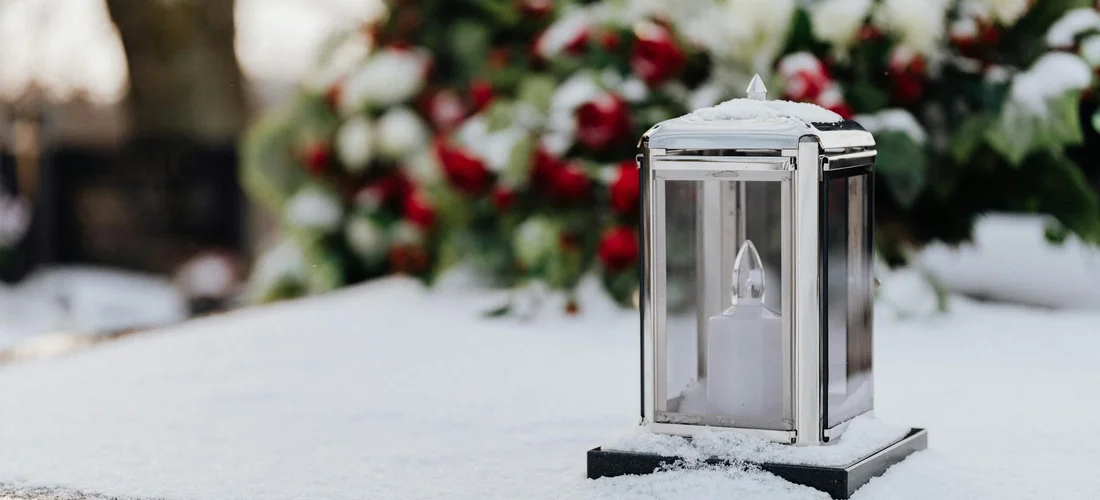
The flowers you choose are a silent, beautiful language. They offer comfort and show your care when words feel difficult. Understanding the common styles helps you make a choice that feels right.
Common Types of Funeral Arrangements
Each arrangement has a traditional place and purpose. Knowing this can help you decide what to send.
- Standing Sprays: These are large, elegant arrangements displayed on easels. They are often sent by family or close friends and are placed near the casket or at the front of the service room.
- Wreaths: A circular shape symbolizes eternal life. Wreaths are usually laid flat on a stand or hung, creating a dignified and traditional tribute.
- Casket Arrangements: These are designed to rest directly on the closed casket lid. They are typically ordered by the immediate family, a final blanket of blooms from those closest.
- Baskets and Vases: These are versatile and very common gifts. They can be placed on pedestals, tables, or taken home by the family after the service, offering lasting beauty.
- Living Plants: A potted plant, like a peace lily or an orchid, is a gift of continuing life. It provides a lasting reminder that can be nurtured in a home or garden.
Flowers and Their Symbolic Meanings
Many flowers carry traditional meanings of sympathy and remembrance. This can add a layer of thoughtfulness to your gesture.
Lilies, especially white ones, symbolize the restored innocence of the soul. Their serene scent is deeply associated with funerals. Roses speak of love and respect; red for deep love, white for reverence, and pink for grace. Carnations are a classic choice, with red denoting admiration and white pure love. Chrysanthemums, or ‘mums’, are tied to remembrance in many European traditions.
The most meaningful choice is often a flower you know the deceased loved. A favorite bloom is a personal touch that speaks directly to their memory.
Considering Cultural and Regional Norms
Local customs can guide your choice. In the United Kingdom, it is common to send flowers directly to the family’s home before the funeral, or to the funeral home for the service. In Australia, flowers are typically sent to the funeral home, and it is also quite common for families to suggest a charitable donation ‘in lieu of flowers’. Always check the death notice for the family’s wishes first.
Religious customs matter, too. For example, in Hindu and Buddhist ceremonies, flowers are central but usually not in elaborate wreaths. In some Orthodox Jewish traditions, flowers are not used at the funeral itself. When in doubt, a simple, respectful inquiry is perfectly appropriate. This is especially true for Jewish and Muslim funerals, where customs may differ significantly.
How to Send and Deliver Flowers: The Practical Steps
Sending flowers is a straightforward act of kindness. A few careful steps ensure your tribute arrives as intended.
Placing Your Order
For the most reliable service, I recommend using a local florist near the funeral home. They know the location and delivery routines. When you call, you will need to provide three key pieces of information: the full name of the deceased, the exact name of the funeral home, and the date and time of the service.
Specify that the flowers are for a funeral service to ensure timely delivery before the ceremony begins. Reputable online flower services are also a good option, especially if you are sending condolences from far away.
Including a Sympathy Card
The card is your voice. Keep your message brief and heartfelt. A simple, sincere line often means the most.
You might write, “With deepest sympathy,” or “Thinking of you and your family.” Always sign your full name and, if it’s not obvious, mention your relationship to the deceased. Writing “From your colleagues at Smith & Co.” or “Your childhood friend, Anna” helps grieving families place the kindness, which can be a great comfort later.
Common Mistakes to Avoid When Sending Funeral Flowers
Sending flowers is a kind act. Avoiding these common errors helps ensure your gesture brings comfort, not complication, to a grieving family.
Overlooking a “In Lieu of Flowers” Request
An obituary may ask for charitable donations instead of flowers. This request is deeply personal, often reflecting the deceased’s final wishes.
Honoring this choice shows profound respect. Following the family’s stated preference is the most supportive action you can take. A donation in the person’s name, noted in your card to the family, is a beautiful tribute.
Sending an Overly Large or Flashy Arrangement
The scale and style of an arrangement should mirror your connection. A towering, elaborate piece from a distant acquaintance can feel misplaced.
It may unintentionally overshadow more intimate tributes from immediate family. A modest, elegant bouquet often conveys sympathy more fittingly than a grand display. Consider a classic basket or a simple standing spray for a respectful tone.
Missing the Delivery Deadline
Flowers that arrive after the service create a logistical and emotional difficulty. The family must then decide what to do with them.
Always specify a delivery date at least one day before the service. Coordinating directly with the funeral home florist guarantees your tribute is present and part of the gathering. This foresight removes a small burden during a heavy time, especially when arranging funeral flowers after the service.
Including an Overly Lengthy or Impersonal Card Message
The card is your voice. A long, generic message can feel detached. A few sincere words carry more weight.
Write from the heart. “Thinking of you all” with your name is perfectly acceptable if you are unsure what to say. If you have a brief, specific memory, sharing it can be a precious gift. Avoid well worn phrases that may ring hollow.
Forgetting Clear Delivery Instructions
Vague instructions confuse florists and funeral home staff. They may need to contact the busy family for clarification.
Always provide the full name of the deceased, the exact date and time of the service, and the complete address of the funeral home. Clear details ensure your flowers arrive gracefully and without fuss. This simple step is a final act of consideration.
Frequently Asked Questions on Funeral Flower Etiquette
What is the etiquette for sending funeral flowers in Australia?
In Australia, flowers are typically sent to the funeral home for the service, and it is common for families to suggest a charitable donation ‘in lieu of flowers’ in the death notice. Honoring this preference shows deep respect for their wishes during a difficult time.
What should immediate family consider for Catholic funeral flowers?
Immediate family in Catholic traditions often focus on providing a casket spray or pall, with white flowers like lilies symbolizing peace and resurrection. Consulting with the funeral director ensures your arrangements respectfully align with service customs.
What is appropriate when sending flowers for a friend’s funeral?
A tasteful, standard arrangement such as a vase of mixed blooms or a modest basket is a thoughtful and supportive choice. Your sincere gesture conveys sympathy and reminds the family of their loved one’s cherished connections.
Parting Reflections on Sympathy Flowers
Your most considerate gesture is to choose flowers that honor the person who has died and bring quiet comfort to those grieving. Understanding funeral flower etiquette helps you express sympathy appropriately. Small, thoughtful choices honor both the deceased and the grieving. Thoughtful simplicity, guided by the family’s wishes or cultural traditions, always conveys sympathy with grace.
Selecting eco-friendly arrangements reflects a responsible approach to dignified Funeral Care. Continuing to learn about Funeral Needs and Funeral Questions helps you offer support that is both practical and kind.
References & External Links
- Funeral Flower Etiquette | Funeral Guide
- Funeral Flower Etiquette | Everything to Know | Floral Acres Florist
- Sympathy Flowers Etiquette – Emily Post
- Understanding the Etiquette of Sending Traditional Funeral Flowers
Emiliana Dieter
Emiliana is an author at The Valedictory. She is an experienced funeral care advisor and arranged and organized many funerals as part of her end of life consulting services. She has over 8+ years in the funeral industry managing her family funeral business and helping families cope with the loss of their loved ones. Her articles answer any and all questions you might have regarding funeral arrangements, costs, preparations, etc so you can make this a seamless experience.