
Gentle Answers: What to Do with Funeral Flowers After the Service
After the funeral, the sight of so many flowers can feel both comforting and overwhelming. I remember standing there, unsure of what step to take next.
This article offers gentle guidance from my years in funeral care.
- Creative ways to preserve flowers as lasting keepsakes
- Thoughtful ideas for donating blooms to bring comfort to others
- Simple, meaningful rituals for honoring the memory they represent
Key Takeaways: Compassionate Choices for Memorial Flowers
There is no single correct path for the flowers after a service. Your choice is the right one if it brings you a measure of comfort.
The most common paths involve sharing their beauty, preserving their memory, or letting them return to the earth. Each option honors the gesture in its own way.
Your decision should be a source of quiet peace, not another weight during a difficult time. Trust what feels gentle and right for you and your family.
Immediate Steps: What to Do in the First 48 Hours
In the blurry hours after the service, a simple plan can help. Focus on these few, manageable steps.
- First, take a quiet moment to see what you have. Look at the cards and identify any arrangements from very close family or friends you may wish to keep separate.
- Speak with the funeral director or venue coordinator about their policy. They can tell you when flowers must be removed and if they offer short-term holding.
- Gently let other mourners know they are welcome to take a arrangement home. A simple, “Please, feel free to take some flowers with you if you’d like,” is all that’s needed.
- Begin a simple sort. Set aside lush, fresh bouquets for donation. Place any single blooms or small sprays with special meaning aside for potential preservation.
Coordinating with the Funeral Home or Venue
Funeral homes are accustomed to these logistics. A brief conversation can clarify everything.
Ask them directly: “What is your timeline for us to remove the flowers?” and “Is there a cool place here where they can stay for a day if we need more time?”
Most funeral homes have a holding area or cooler and can accommodate you for a short period, giving you space to breathe and decide. Do not hesitate to ask for this consideration.
Inviting Others to Take Flowers Home
Offering flowers to guests is a kind and traditional act. It allows the love sent by the community to spread further.
You might say, “We would be comforted knowing these beautiful flowers are brightening other homes,” or “Please, choose one to take as a keepsake of [Name].”
It is not only appropriate but often welcomed for guests to bring funeral flowers home. Proper care of funeral flowers ensures they last longer and provide comfort during the mourning period. For many, it becomes a tangible connection and a quiet comfort in the days that follow.
Respectful and Meaningful Disposal Options
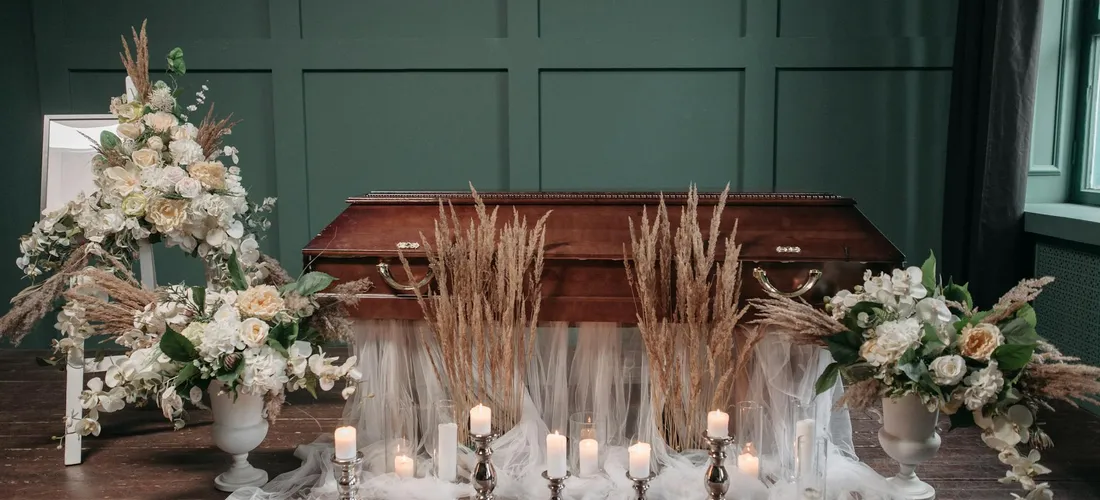
After the final prayer is spoken, the question of the flowers remains. You can handle them in a way that honors their beauty and purpose.
Treating them as simple trash can feel wrong. Instead, think of disposal as a quiet return to the earth. It is a dignified end for a beautiful tribute.
Many funeral flowers are biodegradable. Home composting is one of the most gentle and eco-friendly choices available.
You must first remove all non-organic materials. Floral foam, plastic wrappers, and ribbon should be separated and placed in your regular waste. The foam is particularly problematic for soil and water.
Customs around flowers vary deeply. Some families leave them at the gravesite for a period. Others may distribute them to attendees to take home. For a concise overview, our funeral flowers guide can help you choose and arrange respectfully. It covers etiquette, symbolism, and practical tips.
Composting Funeral Flowers at Home
Composting transforms the bouquets into rich soil. It mirrors the natural cycle, a fitting metaphor for loss and renewal.
The process is straightforward. You only need a compost bin or a dedicated corner of your garden.
- First, strip the stems of all wire, tape, and decorative foil.
- Chop the stems and petals into smaller pieces to help them break down faster.
- Mix the green floral material with brown matter like dry leaves or shredded paper.
- Turn the pile occasionally. In time, the flowers that honored a life will nourish new growth.
Understanding Cultural and Religious Considerations
Flowers hold specific meanings in mourning rituals across the world. What is customary in one tradition may be uncommon in another. This becomes evident when exploring funeral flowers meaning traditions and how different blooms convey different messages. These nuances can guide respectful and appropriate arrangements.
In some Buddhist and Hindu services, flowers are seen as an offering of impermanence. They are often left to naturally decay at the site. Certain Christian denominations may encourage leaving flowers at the grave as a sign of ongoing care and remembrance. In many traditions, funeral flower colors symbolism carries specific meanings—white for purity, red for love, purple for dignity. This color symbolism often guides how flowers are chosen for ceremonies and graves.
The most respectful path is to ask a spiritual leader or a knowledgeable family elder for guidance. They can explain the protocols that feel most appropriate for your loved one.
Preserving Your Flowers as a Lasting Memorial
You can also keep a physical piece of the arrangements. Preservation allows a token of that day’s love to remain with you.
Simple methods like air drying work well for hardier blooms. Roses, statice, lavender, and baby’s breath retain their form and color nicely.
More involved techniques, like sealing flowers in resin, create a crystal-clear keepsake. Each method offers a different look and requires a different level of effort.
These preserved pieces can become deeply personal memorials. Consider a shadow box with a dried rose and a service card. A pressed petal can be laminated into a bookmark for your favorite book of poetry.
Air Drying and Pressing Techniques
Air drying is the gentlest method for full blooms. It requires patience and a dark, dry space like a closet or attic.
Gather simple supplies: string or rubber bands, and possibly some clothes hangers.
- Trim the stems and remove any wilted leaves.
- Bundle a few stems together with string and hang them upside down.
- Leave them for two to three weeks until they feel completely dry to the touch.
Pressing is perfect for single petals or smaller, flatter flowers. You will need parchment paper and a heavy book.
- Lay the flower face down between two sheets of parchment paper.
- Place this inside the book and stack more weight on top.
- Wait for about a month before checking. The flower will be paper-thin and delicate.
Creating Resin Keepsakes or Shadow Boxes
Resin casting encases a flower forever. It is a more technical project, but beginner kits from craft stores make it accessible.
This creates a durable, glass-like paperweight or ornament that captures a moment in time. Start with a single, perfectly dried bloom for your first attempt.
Shadow boxes offer a different kind of display. These deep frames let you arrange dried flowers, a prayer card, or other small mementos together. You can find them at most framing and craft stores.
Arrange your items on the backing before securing them. The result is a curated glimpse of memory, protected behind glass but always visible.
Donating Funeral Flowers to Spread Comfort
You can absolutely donate funeral flowers. Many organizations welcome them. They often have a quiet need for the simple brightness flowers provide.
These places frequently accept fresh arrangements. They include nursing homes, hospitals, hospices, and women’s or veterans’ shelters. Donating turns an expression of sympathy into a continuing act of kindness.
First, call the facility’s front desk or volunteer coordinator. Ask if they accept flower donations and when you could bring them. A simple script can help when words feel hard.
How to Find and Contact Potential Recipients
Start with places you know. Consider the local senior center, a nearby hospital, or a hospice in your community. Your place of worship may also know of needs.
When you call, you can say: “Hello, my name is [Your Name]. I have several fresh flower arrangements from a funeral service. Would your facility be able to accept them as a donation to bring comfort to residents or patients?” Appropriate funeral flowers are often fragrance-free and of a manageable size for resident rooms. If you’d like, we can point you to a quick guide on selecting appropriate funeral flowers for donation.
This direct approach is usually appreciated. Most places will tell you their policy and a good time for drop-off right away.
Preparing Bouquets for Donation
Before donating, take a moment to prepare the flowers. Remove any cards or ribbons with the deceased’s name or funeral home details. This makes the gift more general. It also follows the etiquette for sending funeral flowers.
If you have large standing sprays, consider dividing them. You can create several smaller bouquets in simple vases or water pitchers. This lets you spread comfort to more rooms and more people.
Check that the flowers are still fresh. Trim any wilted stems and ensure the water is clean. Your careful preparation honors both the gift and the recipient.
Support and Reflection: Honoring Your Feelings
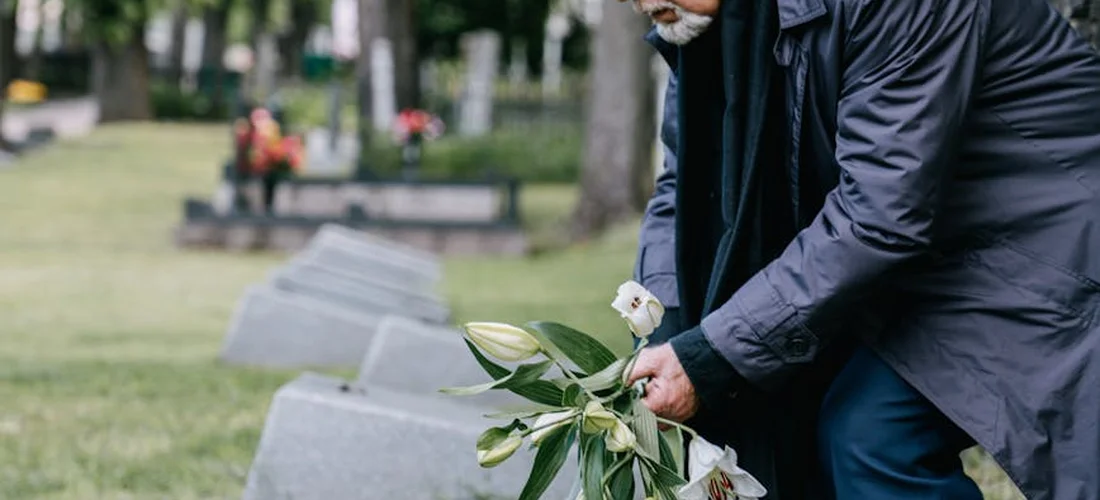
Deciding what to do with the flowers is an emotional task. It is perfectly okay to feel overwhelmed. It is also okay to ask a friend or family member to make the calls or help with the preparation.
You might ask yourself a gentle question. Would your loved one have liked the idea of their flowers cheering someone’s difficult day? Does the act of giving feel like a fitting tribute?
If your grief feels heavy, know that support is available. You can often find local grief counseling or support groups through hospice organizations, community centers, or hospitals. Many people who join grief support groups find comfort in shared experiences and learn practical ways to cope. These sessions can help you feel less alone and provide ongoing support as you navigate your grief.
Your choice, whether donation, composting, or another path, is personal. Whatever you decide is an act of love and respect, made with your heart.
Frequently Asked Questions
Is it appropriate to take flowers home from the funeral service?
Yes, it is a welcomed and traditional practice. Taking flowers home is a kind way to spread the gesture’s comfort and have a tangible keepsake.
What are some eco-friendly ways to handle funeral flowers?
Beyond home composting, you can repurpose flowers naturally by scattering petals in a meaningful garden. Always remember to remove non-biodegradable materials like floral foam first.
How can I preserve flowers if I’m not craft-inclined?
Simple air-drying or pressing in a book are accessible, low-effort methods. These techniques allow you to create a lasting memorial without needing special skills or supplies.
Parting Reflections on Funeral Flowers
The most important step is to choose an option that brings you comfort and feels personally meaningful. Let your heart guide whether you preserve, donate, or naturally return these flowers to the earth.
Handling flowers with dignity honors the memory they represent, and considering eco-friendly choices can be a gentle tribute. Guidance on funeral flower etiquette and expressing sympathy can offer practical support. For ongoing support with Funeral Care, Funeral Needs, and Funeral Questions, I encourage you to lean on trusted sources that offer clarity and compassion.
Emiliana Dieter
Emiliana is an author at The Valedictory. She is an experienced funeral care advisor and arranged and organized many funerals as part of her end of life consulting services. She has over 8+ years in the funeral industry managing her family funeral business and helping families cope with the loss of their loved ones. Her articles answer any and all questions you might have regarding funeral arrangements, costs, preparations, etc so you can make this a seamless experience.