
Pet Cremation Services and Memorial Options for Dogs, Cats, and Horses
The loss of a beloved animal companion brings a deep, particular sorrow. You may be wondering how to honor their life with care and respect.
This guide walks you through the available paths with gentle clarity. It covers the types of pet cremation services, meaningful memorialization options, and thoughtful considerations for dogs, cats, and horses.
Key Takeaways: Compassion and Clarity
Arranging a cremation for your pet is a final act of love. It is a valid and caring way to say goodbye.
I want to help you understand the main choices. The three service types are private, partitioned, and communal cremation.
- Private cremation means your pet is cremated alone, and you receive only their ashes.
- Partitioned cremation involves multiple pets cremated together in separate sections, and you receive ashes from that session.
- Communal cremation means pets are cremated together, and the ashes are not returned to individual families.
Memorials are a personal extension of your care. They range from classic urns to keepsake jewelry or planted trees. There is no wrong choice here, only what brings you peace.
If this feels like too much, that is okay. Grief can make decisions heavy. You can take things one quiet step at a time.
Quick Snapshot: Comparing Pet Cremation Services
This table is a gentle guide to help you see the differences. View it as a starting point, not a final answer.
| Service Type | Typical Cost Range | What It Means | Best For |
|---|---|---|---|
| Private | Highest | Your pet is the only one in the cremation chamber. You are guaranteed to receive only their cremated remains. | Families who wish to keep their pet’s ashes for a memorial or scattering. |
| Partitioned | Moderate | Several pets are cremated at once, but in separate, partitioned spaces within the chamber. You receive ashes from that specific group. | Those seeking a balance between cost and the assurance of receiving ashes from a controlled process. |
| Communal | Lowest | Multiple pets are cremated together without separation. The combined ashes are often handled in a dignified, communal manner, such as burial in a garden of remembrance. | When keeping ashes is not a priority, and the focus is on a respectful, simple disposition. |
Please remember, costs are a guide. They vary based on where you live, the size of your pet, and the specific provider you choose.
Understanding the Core Cremation Services Available
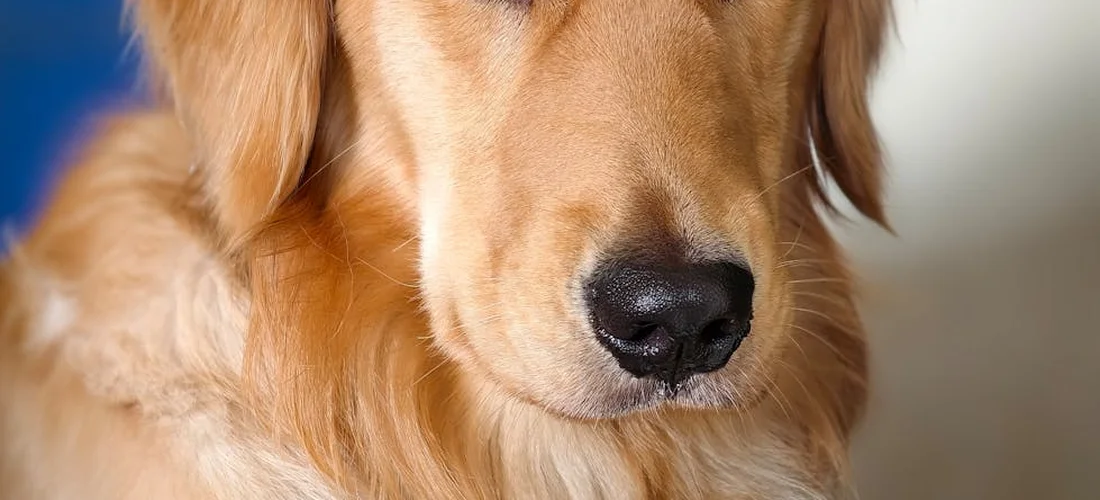
When your pet passes, you face several cremation choices. I will explain the three main services: private, partitioned, and communal. Each one is performed with respect for your pet and your grief.
Private cremation means your pet is alone during the process, and only their ashes come back to you. Partitioned cremation is a shared but separated process; pets are cremated together in divided spaces, but ashes are not returned individually. Communal cremation is a collective ceremony where many pets are honored together, often without ashes being returned. Thinking ahead to pet burial and cremation aftercare can simplify the process for families. It helps you plan keepsakes, urns, and local aftercare resources as you move forward.
You might wonder, “are pet cremations legitimate?” I have worked with many providers who ensure complete integrity. Reputable services offer transparency, such as allowing you to witness the cremation or providing detailed documentation. This honesty is the foundation of a trustworthy service.
What Is Private Cremation?
Private cremation ensures your pet is the only one in the cremation chamber. The process begins with careful identification, often using a numbered tag. Your pet is then placed alone into the chamber for a gentle cremation, unlike home methods which may not guarantee such care.
Afterward, the remains cool before being processed into a fine ash. This service guarantees that the ashes placed in your chosen urn are solely from your pet. Many providers call this a “gentle pet cremation” to reflect the individual care given.
I have found this option brings deep comfort. It offers a clear, personal way to keep your companion close.
What Is Partitioned or Semi-Private Cremation?
Partitioned cremation is distinct from a private service. Multiple pets are cremated together, but they are separated by ceramic dividers or placed in individual trays within the same chamber.
The key difference is that ashes are not separately retrieved for each family when opting for communal services. They are typically combined and scattered in a memorial garden by the crematory. Families sometimes choose this for its lower cost while still ensuring a dignified process.
This option acknowledges the shared journey of pet loss. It can feel supportive, knowing other beloved animals are honored alongside yours.
What Is Communal Cremation?
Communal cremation involves several pets being cremated at once. This is a common and entirely dignified choice, particularly when keeping ashes is not part of your plan. Some families explore the idea of individual communal pet cremation, where each pet is cremated individually within a shared facility. This can offer a personal remembrance while still making use of a communal process.
The combined ashes are usually handled with great reverence by the facility. They are often scattered in a dedicated natural area or interred in a communal pet burial ground. This allows for a release without the physical responsibility of an urn.
I see this as a peaceful, collective farewell. It provides a simple closure for many grieving hearts.
Cremation Considerations for Dogs, Cats, and Horses
Losing a companion animal leaves a quiet space in your home and your heart. The choice of how to care for their remains is deeply personal. Your decision will be shaped by the unique bond you shared and the practical realities of your pet’s size and species.
What are the cremation options for dogs, cats, or horses? The core choices of private, partitioned, or communal service apply to all common pets. The primary difference lies in logistics. The size of your pet directly influences the process, the equipment required, and ultimately, the cost. A small cat requires a different approach than a large dog, which is vastly different from a horse.
I want to offer you clear reassurance: all common pets, including horses, can be cremated. Specialized facilities exist to honor these bonds with the same dignity offered to smaller animals.
Options for Your Dog: From Small Breeds to Large
Dogs come to us in all sizes, each leaving a paw print of a different scale on our lives. For a small or medium dog, the process is often very straightforward. Many veterinary clinics and pet crematories can accommodate them with ease.
For larger breeds, like Great Danes or Mastiffs, special equipment is needed. Reputable crematories have oversized chambers to respectfully accommodate a large dog, though this specialized service may affect the cost. You may also choose whether your dog is wrapped in a simple, cotton shroud or placed in a wooden casket for the cremation.
Some people ask, “are dogs buried or cremated?” Both are valid, loving choices. Burial in a pet cemetery or a permitted private property offers a permanent, physical place to visit. Cremation allows you to keep your dog’s ashes close in an urn or scatter them in a meaningful place. Understanding the differences between cremation and burial—such as cost, permanence, and how you want to remember your pet—can help you decide. There is no wrong answer here, only what brings you peace.
Options for Your Cat
The loss of a cat is profound. They are quiet shadows in our laps and quirky personalities who rule our homes. The cremation process for a cat is similar to that of a small dog, but the memorials often reflect their delicate nature.
You will have the same service options. Many people choose a private cremation for a cat so they can keep the ashes. The market for cat memorials includes beautiful, smaller urns, glass keepsakes infused with a bit of ash, and even jewelry designed to hold a tiny whisker or tuft of fur.
These small tokens can be a gentle comfort, a tactile reminder of a soft purr or the weight of them curled beside you.
Options for Your Horse
The loss of a horse is the loss of a partner. It is a unique challenge, combining deep grief with the practical reality of caring for a large, powerful body. The logistics are different, but the sentiment is the same.
Horse cremation is available, but it typically requires a specialized facility equipped with an industrial-sized cremation unit, often called a “large animal” or “equine” retort. Your veterinarian or a local equine network can help you locate one.
Due to the volume of ashes, you will often receive them back in a sizable wooden or metal urn, or you might choose a communal option where ashes are scattered in a memorial garden at the facility. This choice honors the scale of their life and the breadth of the partnership you shared.
Memorializing Your Cherished Companion
Saying goodbye does not mean the love ends. A memorial is a quiet way to continue caring for your dog, cat, or horse. It turns grief into something tangible you can hold or visit.
The options are as varied as the pets we cherish. You can choose from urns, jewelry, or other lasting tributes. This process is about finding what feels right for your heart and your home.
A single lock of fur or a portion of ashes can become several keepsakes. This allows each family member to have a personal reminder. It is a gentle answer to the question of what memorials are available for any beloved pet.
Choosing an Urn: From Simple to Custom
An urn provides a dedicated place for your companion’s ashes. The choices range from functional to deeply personal.
- Biodegradable urns are designed for burial, returning your pet to the earth naturally.
- Decorative boxes in wood, ceramic, or metal offer a beautiful presence on a shelf.
- Custom portrait urns can be engraved with your pet’s image, capturing their likeness forever.
For horse owners, the urn needs to accommodate a larger volume of ashes. Specialists craft sizable urns from materials like solid oak or bronze that are both dignified and sturdy.
Keepsakes and Memorial Jewelry
These items let you keep a physical piece of your companion close. They transform a small amount of ashes or a token into a wearable memory.
Consider a blown-glass pendant that swirls the ashes inside, catching the light. An ink print of a paw pad leaves a perfect, silent impression. An engraved tag with their name rests lightly against your chest.
This jewelry carries warmth with you through the day, a soft whisper of comfort. It is a common choice for those asking how to remember a dog, cat, or horse in a personal way.
Alternative Memorial Options
Your tribute can extend beyond the home. Planting a memorial tree with your pet’s ashes nurtures new growth in their honor. A custom garden stone creates a permanent spot for quiet thought.
Many families wonder if a cremated pet can be buried with them. This is possible, but you must check your local cemetery’s specific rules. Pre-planning this with the cemetery is the surest path to peace of mind.
Creating a memory book of photos and stories preserves their spirit in pages. Donating to an animal shelter in your pet’s name turns loss into kindness for others. These acts weave remembrance into the fabric of your life, honoring a bond that remains.
How to Choose a Reputable Pet Cremation Service
Choosing a service while grieving can feel like a heavy task. I have sat with many families in this moment, and I know the quiet worry about getting it right. Let me offer a straightforward path to find a place that treats your companion with honor.
Follow these steps to navigate your options with clarity and care.
- Start by compiling a short list of two or three providers. Your veterinarian can often point you to trusted names. A brief list prevents the search from becoming too draining during an emotional time.
- Make the phone call your first real test. Dial each crematory and introduce yourself. Listen not just to their words, but to the patience and respect in their voice. A gentle, unhurried response is a good sign.
- Ask directly about their method for guaranteeing private cremation. A transparent provider will describe their tracking system, such as metal tags or detailed logs, that ensures your pet’s ashes are returned alone to you. They should explain this without hesitation.
- Inquire if a visit to their facility is possible. Some homes have a dedicated farewell room, a peaceful space where families can gather. Knowing there is a gentle place for a final goodbye can be a profound comfort.
- Spend a little time with online reviews from other pet parents. Look for consistent mentions of kindness, clear communication, and respectful handling. These shared stories are a window into their daily practice.
- Pay close attention to the feeling you are left with. After your conversations, sit quietly for a moment. Trust the instinct that tells you which service felt most compassionate and honest. Your peace of mind is essential.
This process is about protecting a sacred trust. By asking these questions, you are ensuring your pet’s memory is treated with the utmost dignity.
Practical Steps and Support After Your Pet’s Passing
The moments after a pet dies can feel still and overwhelming. Give yourself permission to pause. There is no rush. You might want to sit quietly with your companion for a little while.
When you feel ready, these gentle steps can help you move forward.
- Place your pet on a clean towel or blanket in a quiet, cool room.
- Contact your veterinarian’s office. They can guide you and often coordinate with a cremation service.
- If you have already chosen a crematory, you may call them directly for collection.
- Decide if you wish to be present when your pet is transferred into care. This is a personal choice, and either is okay.
If You Need to Wait Before Cremation
Sometimes, arrangements cannot happen immediately. The goal is gentle preservation, which your vet or crematory can assist with.
At home, the most important factor is coolness. Move your pet to the coolest part of your home, like a basement or a room away from heat. You can place a cooling pack or bag of ice (wrapped in a towel) near, but not directly on, the body.
Your veterinarian’s office can often provide short-term holding in a dedicated refrigerator, which is the most respectful option if a day or two will pass. Do not hesitate to ask them for this help.
Who Should You Talk To?
You do not need to carry this weight alone. Different people can offer different kinds of support.
Your veterinarian or the cremation staff understand the practical path. They are not surprised by grief. They can answer your questions about the process with kindness and clarity, removing uncertainty. And when you need grief support for cremation loss, they are there to help.
A pet loss grief hotline connects you with someone trained to listen. There is no need to be strong or make sense. You can simply say how you feel.
Choose one understanding friend or family member who has loved an animal. Tell them you just need them to listen. Often, speaking the sadness aloud begins to soften its edges.
Quiet Offers of Support
If you find yourself searching for a voice that understands, these resources are here. You can reach out today or save them for a quieter moment.
- The Pet Loss Support Hotline (hosted by the Cornell Veterinary College): (607) 218-7457. A free, confidential service.
- Lap of Love’s Pet Loss Support: They offer a national directory of grief counselors and free virtual support groups.
- Association for Pet Loss and Bereavement (APLB): Provides moderated online chat rooms with trained volunteers.
Your love for your pet is real, and so is this loss. Seeking support is an act of care, for them and for yourself.
Frequently Asked Questions
How do I decide between pet cremation and burial?
This is a deeply personal choice guided by your wishes for a physical memorial and logistical considerations like property or local regulations. Both are equally valid acts of love, and a reputable service provider can help you explore each option with sensitivity.
What should I know about receiving and keeping my pet’s ashes?
With a private cremation, your pet’s ashes will be returned in a temporary container or an urn you select. You can keep them in a place of honor, scatter them in a meaningful location, or use a portion for keepsake jewelry, following what brings your heart the most peace. One important consideration is how to handle and store cremated ashes properly.
Can I create a memorial if I choose communal cremation?
Absolutely. A memorial honors your bond, not the physical ashes. You can plant a tree in their name, commission a portrait, or place a memorial stone in your garden, creating a lasting tribute that reflects your unique companion.
Honoring Your Pet’s Final Journey
The most vital choice is the one that brings you comfort and respects your companion’s memory. Understanding the services available for dogs, cats, and horses empowers you to make a decision that feels right.
Choosing dignified care, including gentle and eco-friendly options, is a final act of love. I encourage you to continue learning about Funeral Care to meet your evolving Funeral Needs and find peace with your Funeral Questions.
Emiliana Dieter
Emiliana is an author at The Valedictory. She is an experienced funeral care advisor and arranged and organized many funerals as part of her end of life consulting services. She has over 8+ years in the funeral industry managing her family funeral business and helping families cope with the loss of their loved ones. Her articles answer any and all questions you might have regarding funeral arrangements, costs, preparations, etc so you can make this a seamless experience.