
Is It Appropriate to Wear Blue to a Funeral? Etiquette and Color Symbolism
Selecting clothing for a funeral can stir a quiet worry, especially when you consider a color like blue. You want to show respect while honoring your own feelings.
This guide offers clear, compassionate advice to help you make a thoughtful choice. We will explore:
- The symbolic meaning of blue across cultures and history.
- Modern funeral etiquette and shifting color traditions.
- How to choose a shade of blue that feels both personal and respectful.
Key Takeaways: Navigating Color with Care
Dark, subdued shades of blue are widely considered appropriate and respectful for funeral attire. A navy suit or a charcoal blue dress is a common and safe choice.
Your intention to show respect matters far more than any sensible adherence to color rules, which can vary by culture or region. The focus should remain on the grieving family, not on your outfit (nor on any particular color traditions).
Your decision hinges on three core considerations:
- Shade: How dark and muted is the color?
- Culture: Are there specific religious or family customs?
- Presentation: Is the overall outfit conservative and formal?
Understanding the Core Question: Can I Wear Blue to a Funeral?
Yes, you can wear blue to a funeral. I have seen many people choose this color to express their condolences.
Direct answers to common questions are helpful. Can you wear a navy blue suit to a funeral? Absolutely. Are blue suits okay for a funeral? Yes, particularly in deep tones like navy, midnight, or charcoal blue. These colors convey solemnity.
The primary goal is to show respect, not to stand out. Think of your clothing as a quiet background for your presence. You want the family to remember your support, not your bright tie or dress.
A Note on Etiquette: The Heart of Your Choice
Etiquette is not about judgment. It is a framework for kindness. Always prioritize any known wishes of the grieving family or the customs of their faith. When in doubt, refer to funeral etiquette guidelines.
When you feel uncertain, leaning toward darker, more formal attire is a safe and thoughtful choice. A dark blue is often better than a light gray.
Your presence and support are ultimately what matters most. I have never heard a family criticize a guest for a slightly light shirt. They remember who showed up. You are not expected to be perfect, only to be there.
The Meaning Behind the Hue: What Blue Symbolizes

Blue carries deep associations with peace, serenity, and stability. It is the color of a still sky and a calm sea. These qualities feel particularly resonant in a space of grief.
In the context of mourning, wearing blue can be a quiet way to offer solace. It speaks to a wish for peace for the departed and a sense of calm for the bereaved. Choosing blue reflects an understanding of the need for a gentle, supportive atmosphere.
This stands in contrast to more vibrant colors like bright red or neon yellow, which can feel disruptive. While personal expression is valid, softer hues like blue often align better with the collective need for reverence.
Colors of Comfort: Peace and Calm
Specific shades of blue directly evoke tranquility. Think of the soft gray-blue of early morning or the muted tone of weathered denim. These colors do not shout for attention.
They allow the focus to remain on remembrance and the shared experience of loss. By wearing these hues, you help create a visual environment conducive to quiet reflection. It is a subtle, non-verbal way of holding space for sorrow.
Colors of Strength: Loyalty and Trust
Beyond calm, blue has long symbolized loyalty, trust, and steadfastness. It is the color of a dependable horizon. This symbolism translates powerfully to honoring a relationship.
Choosing to wear blue can be an expression of your enduring bond with the person who has died. It silently communicates your continued love and unwavering support for the family. In this way, the color becomes a promise of presence, even in absence.
Choosing the Right Shade: From Navy to Sky Blue
The color blue holds space for both mourning and hope. Your specific choice of shade is what communicates your intent most clearly to the grieving family and other attendees.
Darker blues speak a language of solemnity and respect, while lighter tones can whisper of peace and remembrance. Selecting the right blue is less about rigid rules and more about conveying quiet support through your appearance.
Most Acceptable: Deep and Subdued Tones
When in doubt, choose a blue that neighbors black on the color spectrum. These deep, muted tones are universally recognized as appropriate for a funeral service.
- Navy Blue: This is the most traditional and safe choice. A navy blue suit or dress conveys formality and respect, often standing in for black without question.
- Charcoal Blue: A sophisticated blend of gray and blue, this shade is subdued and elegant, perfect for a somber occasion.
- Slate Blue: Reminiscent of smooth stone, this cooler, dusty blue is understated and quietly dignified.
In many professional settings, a dark blue suit to a funeral is considered entirely equivalent to a black one, especially for men. It projects the same level of seriousness and care.
Proceed with Caution: Lighter and Brighter Blues
Softer blues like sky or powder blue require more thoughtful application. They can feel uplifting to some, but may risk appearing too casual for a traditional funeral to others.
The safest approach is to use these tones as an accent, not your main color. A light blue shirt or blouse worn under a dark suit or jacket is a common and perfectly acceptable way to incorporate this color. It adds a gentle touch without diverting focus.
Save very bright, vibrant blues-think royal or cobalt-for a celebration of life service if the family explicitly encourages colorful attire. Worn as a primary color to a conventional funeral, such a bright hue can feel out of place, drawing attention you do not want. If you’re unsure about tie color choices, a funeral tie colors guide can help you pick tasteful accents. It offers practical, respectful options to harmonize with the service.
How Culture and Tradition Shape Funeral Attire
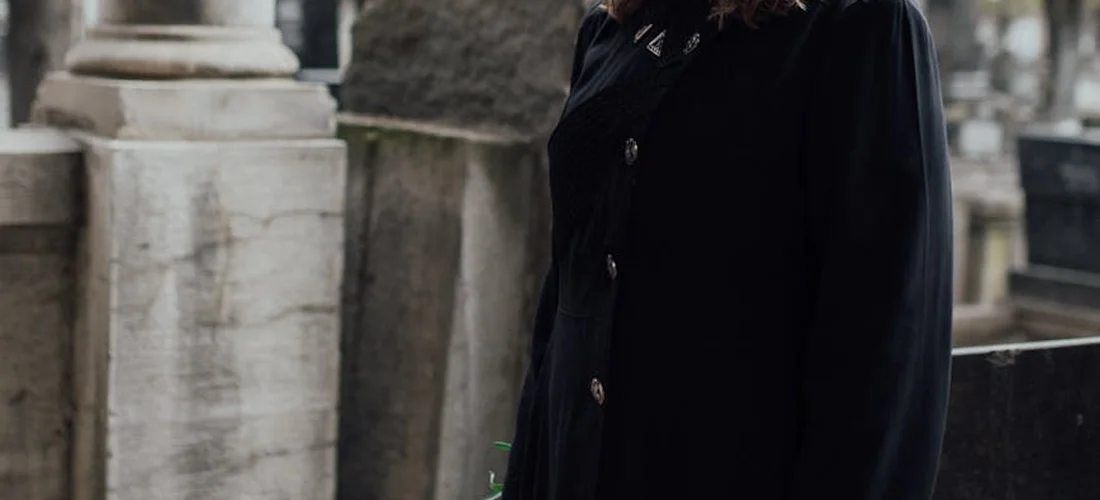
Color carries different weights in different places. The symbolism you know may not apply in another family’s tradition or faith.
What feels like a respectful choice in one context can be unintentionally jarring in another. This is why a little curiosity can be a profound act of kindness.
If you are unsure about the family’s background, the safest step is to ask a close family friend or simply observe what others are wearing. Following their lead is a clear sign of respect.
When White, Not Black, Is Traditional
In many Eastern cultures, white is the color of mourning and purity. It is common to see attendees wearing white at funerals in Hindu, Buddhist, and some East Asian traditions.
For them, black might be reserved for different occasions or not considered mourning attire at all. The visual difference can be striking if you expect a sea of dark suits and dresses.
When attending a service where white is the custom, wearing it yourself is a gesture of solidarity and respect for the family’s grief. It quietly says you honor their way of remembering.
Celebrations of Life and Personal Requests
Modern services often reflect the unique spirit of the person who died. You might receive an invitation that says, “Please wear a splash of blue,” or “Celebrate in bright colors.”
This is a personal directive from the family, often following a wish expressed by their loved one. It shifts the focus from uniform mourning to shared remembrance.
Honoring a specific request to wear color is perhaps the most appropriate choice of all, as it directly supports the family’s vision for the day. Your blue shirt or dress becomes part of their tribute.
In these cases, the old rules soften. Your presence, dressed as asked, is the comfort you offer.
General Rules for Respectful Funeral Attire
Worrying about what to wear is a common distraction when your heart is heavy. The question of color is just one part of a larger intention: showing respect for the person who has died and care for those who mourn them.
Your clothing is a quiet signal of your presence and support, not a statement of personal style. The most respectful choices are those that help you blend into the background of the gathering, allowing the focus to remain on remembrance and shared sorrow.
The Pillars of Respectful Dress
Before considering any specific color, build your outfit on these four principles. They form the foundation of appropriate funeral attire across most cultures and settings.
- Modesty: Choose clothing that covers the shoulders, chest, and knees. This is a gesture of reverence, not a fashion rule.
- Cleanliness: Your clothes should be freshly laundered and free of stains. This simple act shows you considered the day important.
- Neatness: Iron out wrinkles and ensure everything is mended. A neat appearance conveys thoughtfulness.
- Subdued Style: Avoid anything that draws excessive attention. This means skipping loud patterns, flashy logos, or glittery fabrics.
In practice, this means leaving the distressed jeans, bright athletic wear, and revealing necklines at home. A simple, well-kept outfit in a quiet color always speaks of respect more clearly than the most expensive, flashy ensemble.
A Personal Perspective: The Outfit I’ll Never Forget
I remember a service for a kind man who had been a farmer. The church was filled with people from his small town. Among them was an older neighbor, a man who had worked the land beside him for fifty years.
He wore a pair of dark, carefully pressed trousers and a simple, long-sleeved shirt of a soft grey-blue. His work boots were polished clean. He held his cap in his hands the entire time. There was nothing fashionable about his clothes, but every thread spoke of a deep, unshowy respect. He had clearly made an effort, not for anyone else, but for his friend.
That image has stayed with me for years. It taught me that perfection is not required. Being clean, being pressed, and being fully present in your grief matters more than any specific shade you choose.
If Not Blue: Other Suitable Alternatives to Black

If a navy suit or dress feels too uncertain for you, many other colors are perfectly respectful. Think of dark, muted tones that don’t draw the eye.
These colors blend quietly into the background, allowing the focus to remain on honoring the person who has died. They show thoughtfulness without any risk of misunderstanding.
- Charcoal Gray: This is perhaps the most classic and universally accepted alternative to black. It carries the same solemn weight.
- Deep Navy: While a form of blue, a very dark, inky navy is often indistinguishable from black in low light and is widely considered formal.
- Dark Brown: A rich chocolate or espresso brown can be a warm, understated choice, especially for daytime services.
The key is to choose shades that are deep and neutral, avoiding anything too bright or light. When you stand with others in mourning, your clothing should feel cohesive, a visual unity of respect.
Elegant and Understated Choices
Beyond the core neutrals, some colors carry a dignified, quiet elegance. I have seen these used beautifully when they reflect the deceased’s personality or the family’s wishes.
These hues often feel more personal than stark black, yet they still honor the gravity of the occasion. They speak softly.
- Deep Burgundy or Plum: These rich, dark reds and purples can symbolize dignity and respect. They feel traditional and grounded.
- Forest Green: A very dark, muted green suggests reverence and peace. It connects to nature without being distracting.
- Subtle Earth Tones: Think of colors like slate, taupe, or a deep olive. They are calming and professional.
The overall feel should be solemn and cohesive, with the clothing acting as a respectful frame, not the focus of the picture. If you choose one of these alternatives, lean toward matte fabrics over shiny ones, and simple cuts over bold patterns.
When in doubt, I always advise people to choose the outfit that makes them feel quietly confident and present. Your supportive presence is what truly matters.
Putting It All Together: Your Final Checklist
Choosing what to wear can feel like one more weight on a heavy day. Let this list carry that burden for you. It gathers everything we’ve discussed into a simple path forward.
Follow these steps in order. They will lead you to an outfit that feels both right and respectful.
Steps to Confident Dressing
Here is your calm, considered guide. Move through each point without rushing.
- Step 1: Check for any specific family requests or cultural traditions.
This is always your first and most important step. Look at the obituary or service information for any notes on attire. If you are close to the family, a quiet question is perfectly acceptable. I have seen services where families asked for bright colors to celebrate a life. Honoring their wish is the deepest form of respect.
- Step 2: Select a dark, muted shade if no guidance is given.
When in doubt, choose quiet colors. Navy, charcoal, and deep slate are excellent, universally acceptable choices. Think of the soft blue of early evening, not the bright blue of a summer sky. These shades speak of solemnity and support without the starkness of pure black. They help you blend into the background of care, which is where you want to be.
- Step 3: Ensure your entire outfit is neat, modest, and formal.
Look at your clothing as a whole. Is it clean and pressed? Is it covered and tailored, not tight or revealing? A simple dress, a suit, or a pressed shirt with trousers speaks volumes. The texture of the fabric matters, too. Choose wool, crisp cotton, or a soft blend. Your appearance should whisper of effort and respect, not of fashion or casualness.
- Step 4: Remember your purpose is to honor and support, not to be noticed.
This is the heart of funeral etiquette. Your clothing is a container for your presence. When you dress with quiet intention, you free yourself to focus on what truly matters. You can offer a hug, share a memory, or simply sit in respectful silence. The right outfit doesn’t draw attention to itself. It allows your compassionate presence to be the only thing that is seen and felt. Your funeral attire carries meaning and tradition that honors the occasion.
Frequently Asked Questions
How does cultural background influence the appropriateness of wearing blue?
Cultural and religious traditions can profoundly influence color symbolism. While dark blue is generally safe in Western contexts, always prioritize any known family customs or specific requests for attire.
Can wearing blue ever be seen as disrespectful at a funeral?
It is highly unlikely if the shade is dark and subdued. Disrespect typically stems from overly bright, casual, or attention-grabbing clothing, not from a respectful navy or charcoal blue ensemble.
What are the most suitable alternatives if I choose not to wear black or blue?
Charcoal gray, deep burgundy, and dark earthy tones like forest green are excellent, dignified alternatives. The key is selecting a muted, formal shade that conveys solemnity.
Parting Reflections on Funeral Attire and Color
Your primary aim is to dress in a way that honors the deceased and comforts the bereaved. Wearing blue is often appropriate when chosen thoughtfully, reflecting peace and respect for the service’s tone, especially when understanding the symbolism behind funeral attire colors.
Approach all aspects of Funeral Care with a commitment to dignity and, where possible, eco-friendly choices. Gently exploring Funeral Needs and Funeral Questions can offer reassurance and direction as you plan or attend.
Emiliana Dieter
Emiliana is an author at The Valedictory. She is an experienced funeral care advisor and arranged and organized many funerals as part of her end of life consulting services. She has over 8+ years in the funeral industry managing her family funeral business and helping families cope with the loss of their loved ones. Her articles answer any and all questions you might have regarding funeral arrangements, costs, preparations, etc so you can make this a seamless experience.