
What Happens to Teeth and Gold Teeth During the Cremation Process
You may wonder about the fate of natural teeth and gold dental work when a loved one is cremated. This question is both common and deeply personal.
I will explain the cremation process with care and clarity. This article covers:
- How extreme heat affects natural teeth during cremation.
- What specifically occurs with gold teeth and other dental metals.
- The respectful recovery and handling of these materials afterward.
- Practical considerations and options available to grieving families.
Key Takeaways for Immediate Peace of Mind
It is very normal to wonder about these details. Your questions come from a place of care, and I have heard them many times before.
Natural teeth do not completely burn away in cremation. The intense heat reduces them to fragile, ash-like fragments that are carefully processed and included with the rest of the cremated remains. You can think of them becoming a part of the final ashes.
Gold teeth, along with other dental metals like silver or titanium, absolutely survive the process. These materials are recovered from the cremation chamber afterwards through a respectful and meticulous separation process.
Every step is handled with great care. All reputable crematories have strict protocols to ensure dignity and thoroughness in recovering and handling any materials, including dental remains. Your loved one is treated with reverence throughout. Many people have questions about cremation, and separating fact from fiction matters. The topic of cremation myths debunked can provide clarity as you navigate this process.
A Quick Snapshot of Dental Choices and Costs
When making arrangements, you have a few gentle paths to consider. This table outlines the common options to help guide your decision.
| Option | Typical Practice | Considerations | Estimated Cost Range |
|---|---|---|---|
| Leave All Dental Work in Place | This is the standard and most common choice. No special actions are taken before cremation. | It is the simplest option. It allows the process to proceed without intervention, which many families prefer. Any metals will be recovered afterwards by the crematory. | Typically no extra cost. It is part of the standard cremation service. |
| Pre-Cremation Removal of Gold | A dentist or funeral director removes gold teeth or fillings before the cremation takes place. | This allows the family to physically keep the gold, perhaps as a memento. It requires explicit permission and coordination, which can feel like an additional step during a difficult time. | Variable. May include fees for the removal procedure itself and possible additional funeral home handling. Costs can range significantly based on location and provider. |
| Post-Cremation Recovery & Return | Metals are recovered after cremation as standard practice. Families can request that specific items, like gold, be returned to them. | This avoids any pre-cremation alteration of the body. Be aware that recovered metals are often respectfully recycled by the crematory unless you specifically ask for them back. | Often included in the base fee. Some providers may apply a small charge for separating and returning the metals to you. |
Remember, choosing to take no special action is perfectly valid, common, and usually has no additional financial cost.
Understanding Cremation: A Gentle Step-by-Step Explanation
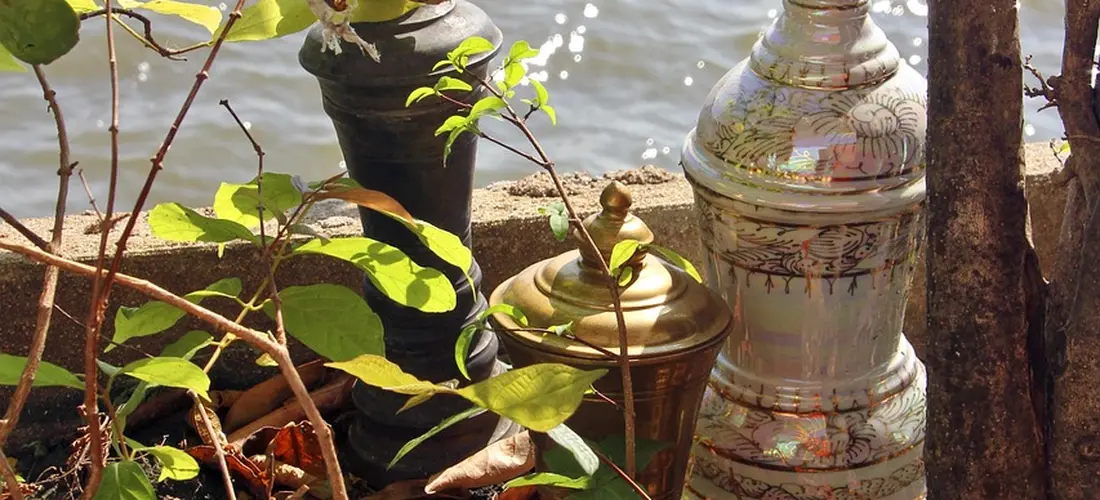
I’ve found that knowing what happens can bring a measure of peace. Cremation is a careful, regulated process of reduction through intense heat and evaporation. In the body cremation process, the body is prepared and placed in a high-heat chamber as part of a careful, respectful routine. This helps explain the measured steps behind the process.
It transforms the physical body, leaving behind bone fragments. These are then processed into what we commonly call ashes.
The Stages of Cremation
The journey is typically broken into four distinct phases. Each one is handled with the utmost care and dignity by the operator.
Preparation
Before the process begins, certain items must be removed for safety. These include medical devices like pacemakers, which can explode under high heat.
Teeth are not removed before cremation as a standard practice. They remain with the body throughout the entire process.
The Cremation Chamber
The prepared body is placed into a cremation chamber, often called a retort. The interior is lined with special refractory bricks designed to withstand incredible temperatures.
The chamber is then heated to between 1400 and 1800 degrees Fahrenheit. This intense heat is maintained for a period of time, usually one to three hours depending on the individual.
Cooling and Recovery
Once the process is complete, the chamber is allowed to cool. The operator then carefully recovers all the remains from the chamber floor.
What is recovered at this stage are primarily bone fragments. They are often a whitish or grayish color and vary in size.
What Happens to Natural Teeth During Cremation?
This is a common and understandable question. The answer lies in the remarkable composition of our teeth.
Teeth do not burn to ash like soft tissue; they calcine and become brittle fragments. They undergo a chemical change but do not vanish.
Are Teeth Left After Cremation?
Yes, tooth fragments are present in the processed cremated remains. The enamel, which is the hardest substance in the human body, resists complete combustion.
These fragments are brittle and often blend with the other mineral bone ash. During the final processing, they are ground down into a uniform, fine powder.
Do Teeth Burn During Cremation?
This question gets to the heart of the matter. Teeth do not “burn” in the way we think of wood burning.
Instead, they undergo a process called calcination. All organic material, like the pulp inside, is incinerated by the extreme heat.
The remaining inorganic minerals, mainly calcium, become dehydrated and brittle. Think of it like a piece of ceramic going through a kiln; it changes state but does not disappear.
The Journey of Gold Teeth and Other Dental Metals
Gold, along with other dental metals like titanium or palladium alloys, travels through the cremation chamber largely unchanged. The intense heat of a standard cremation, which reaches between 1400 and 1800 degrees Fahrenheit, is not sufficient to liquefy pure gold.
Instead, the metal softens significantly. You can think of it like a piece of pottery in a kiln; it may warp or lose its precise shape, but its fundamental material remains. It emerges from the process as a recognizable, though often misshapen, piece of metal.
Do Gold Teeth Melt in Cremation?
No, they do not melt into a liquid pool. The temperature inside a cremation unit, while extremely high, is designed to reduce organic matter to bone fragments. It does not reach the melting point of gold, which is nearly 2000 degrees Fahrenheit.
What you are left with is the metal form of the dental work. It may be fused with other non-combustible items, like hinges from a casket or other metals from the body, forming a small, conglomerate mass.
After the cremation cycle is complete, the contents of the chamber are left to cool. The remains are then transferred to a processing station. Here, any metal objects are separated from the bone ash.
This is often done with a powerful magnet to collect ferrous metals, followed by a careful, respectful hand-sifting to recover non-magnetic metals like gold. This step ensures that only purified bone ash is placed into the urn for the family.
The Standard Practice for Recovered Metals
In line with common industry practice, metals recovered after cremation are typically collected and recycled. Many funeral homes and crematories work with specialized refiners for this purpose. These steps sit within the broader cremation processes, guided by specialized equipment and strict safety standards. For many families, the accompanying ceremonies complete the respect shown throughout the process.
The proceeds from this recycling are most often donated to a charitable organization or used to support community programs. This is the standard procedure unless a family makes a specific, prior request to have any items returned to them.
Can a Family Request Gold Teeth Back?
Yes, a family can request the return of dental metals or other personal effects. This request must be made clearly and in advance. Here is how to approach it.
- Speak directly with the funeral director when making arrangements. State your wish to have any dental metals, such as gold teeth, returned to you after the process.
- Ensure this request is documented in writing. It should be noted on the authorization forms for cremation that you sign.
- Understand that the returned metal will not look as it once did. It will be sterilized but may be warped, discolored, or fused with other minute fragments.
Making this request is a personal choice, and a compassionate funeral home will honor it with discretion and care. It’s important to understand the policies around cremains at funeral homes before making any decisions.
Environmental, Health, and Ethical Considerations
It is natural to have questions about safety and the final handling of these materials. These concerns are taken seriously within the profession.
Do Cremation Teeth Pose a Health Risk?
No, they do not. The cremation process is designed to be complete and sterile. All organic material, including any residual soft tissue on or around dental work, is consumed.
The inorganic metals and porcelains that remain are essentially sterile from their exposure to extreme, prolonged heat. There is no biological hazard present in the recovered dental fragments or metals. They are handled with the same protocols as any other non-hazardous material.
The environmental impact of dental materials in cremation is minimal, especially when compared to the energy use of the cremation process itself. The small mass of metal is a tiny fraction of the total.
Recycling these recovered metals is viewed as a responsible practice. It redirects valuable material back into the manufacturing stream, preventing waste and often generating funds for charitable causes.
The ethical handling centers on transparency and consent. A family should never wonder what will happen to these recovered items.
I always advise asking your funeral director directly about their specific policy for metal recovery and recycling. A reputable provider will explain their standard practice and will clearly outline the steps for you to request the return of any materials, ensuring the process aligns fully with your wishes and provides peace of mind.
Respectfully Handling What Remains
Once the cremation chamber cools, our focus turns completely to the cremated remains. Every fragment is treated with the same gentle care we would show the person themselves. I have stood in those quiet rooms and witnessed the reverence in each movement.
There is a final, mechanical step. Any remaining bone and tooth fragments are placed into a device called a cremulator. This machine reduces them into a consistent, sand-like ash, ensuring a uniform texture. It is a careful process, similar to sifting flour until it is perfectly fine.
When you receive the cremains, they will be a pale, granular powder. You may notice very fine, unrecognizable mineral fragments from bones and teeth, which is entirely expected. This appearance means the process was completed thoroughly and with respect.
Finding a way to memorialize your loved one can be a comfort. The choice is deeply personal, and its meaning does not depend on whether dental metals were recovered. Here are a few dignified ideas:
- Scatter the ashes in a garden, forest, or body of water they loved.
- Keep them in a selected urn for your home.
- Bury them in a cemetery plot or a memorial rock garden.
Alternative Options for Dental Remains
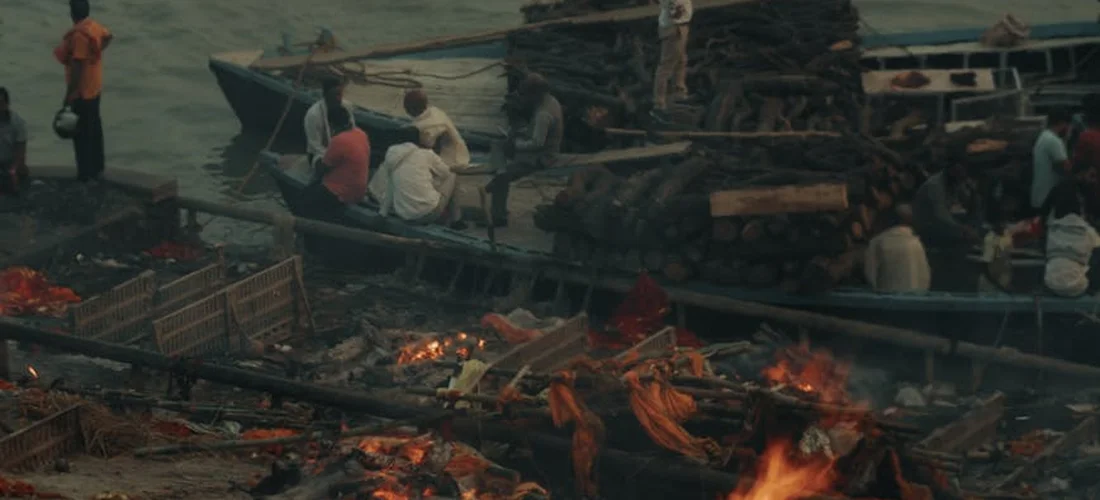
I know that some families wish for a different path. Personal sentiment or tradition can guide these choices, and that is always honored.
Removing Gold Dental Work Before Cremation
If gold dental work holds significant sentimental or financial value, you can choose to have it removed. You must arrange this with the funeral director and, often, a dentist before the cremation takes place. In my experience, a clear conversation ensures it is done respectfully and according to your wishes.
This contrasts with a traditional burial. In a burial, all dental work remains with the body, as the person is laid to rest whole. Both practices are valid; one simply offers a chance to retrieve the metal beforehand.
There is another, more personal alternative. If a natural tooth was saved by your loved one before their death, it can be incorporated into memorial jewelry, like a pendant. This creates a unique, wearable tribute that holds a physical connection.
Compassionate Answers to Common Questions
What happens to gold teeth if we don’t request them back?
It is standard, respectful practice for the crematory to collect all recovered metals, including gold, for responsible recycling. The proceeds from this are often donated to charity, continuing a legacy of care.
Is it common for families to ask for dental metals to be returned?
While it is a personal choice, most families allow the standard process to proceed, trusting in the respectful handling of all materials. Compassionate funeral professionals are fully prepared to honor a return request if you make that wish known in advance. It’s always good to clarify any funeral details and questions beforehand to ensure your wishes are respected.
Are there religious or cultural concerns about leaving dental work in place?
Most faiths and cultures find standard cremation practices, which include leaving dental work in place, to be fully acceptable. Religious and cultural views on cremation vary, and some traditions have specific rites or prohibitions. Understanding these perspectives can help you align funeral plans with your faith and community. If you have specific concerns, discussing them with your religious leader and funeral director will provide the best guidance for your family’s peace of mind.
Parting Reflections on Teeth and Gold Teeth
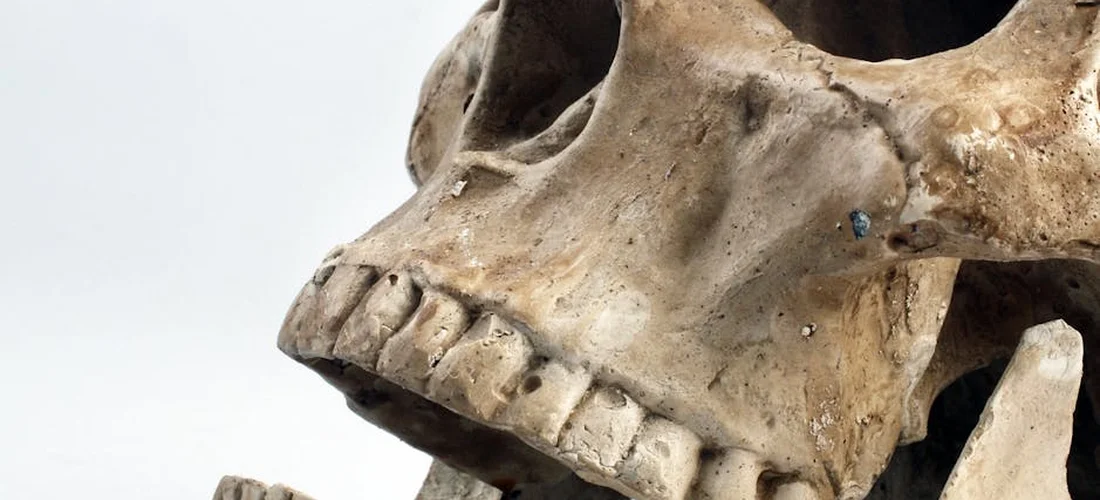
The most important step is to share your wishes about dental work with your funeral director before cremation. This simple conversation ensures the process aligns with your personal or cultural needs, offering peace of mind. During your meeting with the funeral director, stay concise and respectful, and jot down any questions ahead of time. Good funeral director meeting etiquette helps ensure your dental preferences are clearly understood and properly documented.
Providing dignified care includes considering gentle, eco-friendly options and continuing to learn about Funeral Care, Funeral Needs, and Funeral Questions. Thinking ahead about cremation options can guide mindful memorial choices. After cremation, families may choose keepsake urns or memorial services. Your informed choices honor a life with both respect and practical compassion.
Deep Dive: Further Reading
- What Happens To Gold Teeth When Someone Is Cremated?
- So what happens to the gold teeth?
- What Happens to Gold Teeth After Cremation? | The Value of Gruesome Gold
- r/askfuneraldirectors on Reddit: When someone with gold teeth dies and is cremated, what happens to the gold?
- Bamboozled: What happens to gold teeth when someone is cremated? – nj.com
Emiliana Dieter
Emiliana is an author at The Valedictory. She is an experienced funeral care advisor and arranged and organized many funerals as part of her end of life consulting services. She has over 8+ years in the funeral industry managing her family funeral business and helping families cope with the loss of their loved ones. Her articles answer any and all questions you might have regarding funeral arrangements, costs, preparations, etc so you can make this a seamless experience.