
What Should Women Wear to a Funeral? A Compassionate Guide to Attire, Makeup, and Dress Codes
Choosing what to wear to a funeral can feel like a heavy decision when your heart is already full. I want to help you find an outfit that honors the occasion with quiet dignity.
We will walk through selecting respectful attire, applying subtle makeup, and navigating dress codes for visitations, seasonal weather, and different religious traditions.
Key Takeaways: Compassion and Respect First
Your intention to show support is what truly matters. I have sat with many families, and they always notice the presence of a caring friend over the specifics of an outfit.
Focus on three simple principles when you dress.
- Modesty
- Respect
- Comfort
Black is traditional, but it is not a strict rule. Dark, muted colors like navy, charcoal, or forest green are often perfectly fine. Think of colors you might see at dusk, quiet and understated.
Personal safety and physical comfort are a part of showing respect. Supportive shoes let you stand quietly during a graveside service. A breathable fabric helps you stay composed in a crowded room. When you are physically at ease, you can offer your full attention to those who are grieving.
Core Principles: Modesty, Respect, and Comfort
Modesty, for a funeral, means choosing coverage. Aim to cover your shoulders, your knees, and your décolletage. This isn’t about rules, but about creating a visual tone of reverence. A lightweight cardigan over a dress or a longer skirt can achieve this gracefully. These principles also align with funeral attire guidelines for men and women. They provide a clear, respectful framework for choosing appropriate outfits across genders.
Respect is shown through your entire presentation, honoring the solemnity of the day and the family’s loss. It means avoiding anything that shouts for attention, like sequins, loud patterns, or very revealing cuts. Your clothing should whisper, not speak. I recall a woman who wore a simple, dark sheath dress; she blended into the background of support, which was exactly what the family needed.
Comfort is both physical and emotional. Physically, wear shoes you can stand in for an hour. Choose fabrics that breathe, especially for a summer service. Emotionally, wear something that feels like a gentle hug, not a constraint. When your clothing is comfortable, you can focus on the memories being shared and the hands you are holding. The goal is to dress in a way that allows you to forget about yourself and be there for others.
What to Wear to a Visitation or Wake
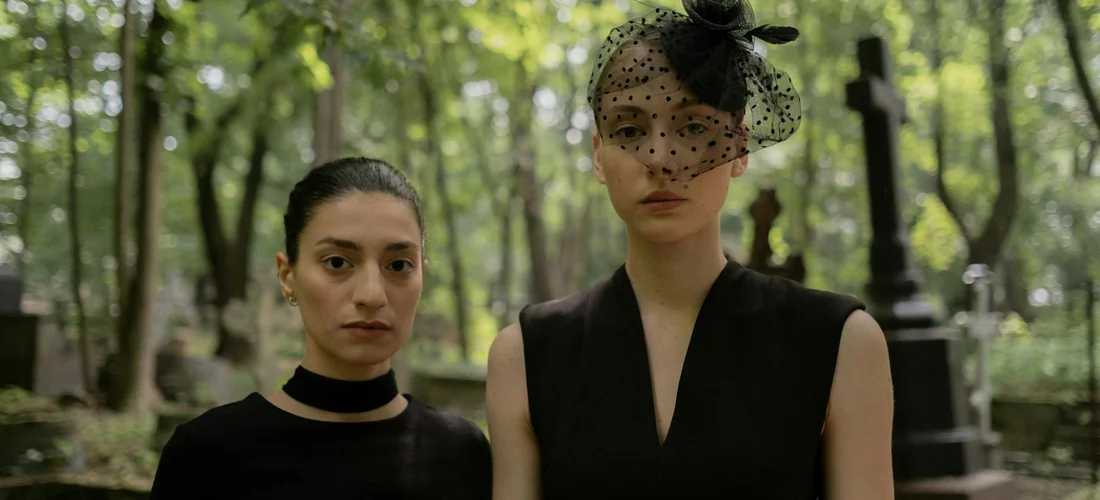
A visitation is a time for quiet conversation and shared remembrance. Your attire should reflect that gentle purpose. Think of your clothing as a quiet gesture of support, respectful but not as formal as the service itself.
Dark, muted colors remain a safe choice. A charcoal blouse with black trousers, a navy skirt with a grey sweater, or a simple, dark dress are all appropriate. The goal is to look neat and put together without drawing attention.
You will likely be standing for a while, offering condolences. Choose shoes you can stand in comfortably. Practical comfort is a kindness to yourself, allowing you to focus on the people around you.
How This Differs from Funeral Service Attire
The funeral service itself often carries more structure. If it is in a church, temple, or mosque, specific modesty rules may apply. A service usually calls for a suit, a more formal dress, or a conservative outfit in dark colors. Traditionally, funeral services follow a recognized sequence—opening remarks, readings, a eulogy, and a final farewell. Knowing this structure can guide participants through the service with calm and respect.
A visitation is different. Here, the dress code is less about ceremony and more about personal respect. You are not part of a formal procession but are having individual moments with the grieving family.
Your clothes for a wake should be conservative and neat, but they can be slightly more relaxed. The focus is on your presence, not your outfit. Being there, dressed quietly and appropriately, is what truly matters.
Choosing Attire for the Funeral Service
Selecting an outfit for a funeral service is about honoring the person who has died and showing respect for the grieving family. Your clothing should not draw attention to itself. I often advise people to think of their attire as a quiet, supportive backdrop to the day’s true purpose. When considering funeral attire etiquette, aim for modest, muted colors and simple, respectful fabrics. This is clothing that conveys sympathy without stealing the spotlight.
Many women find a simple A-line dress to be a safe and respectful choice. This style is modest, often falling at or below the knee, and its gentle shape is universally flattering. An A-line dress in a dark, solid color conveys solemnity without requiring you to overthink your appearance on a difficult day.
Please know that tailored trousers paired with a conservative blouse, or a matching suit, are perfectly acceptable. The key is neatness and modesty. A well-fitted blazer over a dark dress or top can also feel both appropriate and comforting, like a soft shield.
Fabric choice contributes to the tone of respect. Light, breezy materials might feel out of place. Instead, consider fabrics with a bit of weight and structure, such as wool, crepe, or a heavy cotton. These materials have a quiet dignity that visually supports the gravity of the occasion. They tend not to rustle or shine brightly, which helps you blend into the supportive background.
Acceptable Colors Beyond Black
While black is traditional, it is not the only respectful color. Dark, subdued hues are widely considered appropriate. Think of colors that feel quiet and serious.
- Dark navy
- Charcoal gray
- Deep purple
- Forest green
You may wonder about specific colors. Is pink appropriate? Generally, very bright or pastel pinks are best avoided for a traditional funeral, as they can feel overly cheerful. However, a dusty rose or a very muted mauve might be acceptable, especially if it was the favorite color of the person who died. When in doubt, choose something darker.
Is purple appropriate? Deep, rich purples like aubergine or plum are excellent alternatives to black and carry a tone of respect. Lighter lavenders are more situational and may be suitable for a celebratory service of life, if the family suggests it.
Always defer to any guidance from the family, as some families now request specific colors to honor their loved one. A note on white: in many Western traditions, white is reserved for the deceased or for specific cultural rituals. Unless you are part of that tradition or the family explicitly asks for it, it is safest to choose a darker shade.
A Note on Etiquette and Heartfelt Presence

-
I have seen how worry over what to say can add to your stress. When you approach the family, a few genuine words carry immense weight. You might say, “I am so sorry,” or “I am thinking of you.” Your sincere tone and a gentle touch on the arm often mean more than any elaborate speech.
-
Please remember why you are there. Your physical presence in that room is a powerful comfort to those grieving. The respectful clothing you selected is an outer sign of that inner support. Simply showing up, dressed with care, is the most important gift you can offer.
-
Small, practical actions show deep respect. Silence your phone completely; a sudden ring can feel harsh in a quiet space. Watch the family’s mood and follow their lead in conversation or quiet reflection. By setting aside distractions, you offer the priceless gift of your full attention.
Dressing for the Seasons with Sensitivity
Choosing clothes suited to the weather is a quiet act of respect. It allows you to focus completely on the service, not on your discomfort from heat or cold. Practical comfort supports your presence of mind.
Spring and Summer Funeral Attire
Heat and humidity require thoughtful choices. Look for dresses or suits in lightweight fabrics like linen, cotton, or breathable blends. These materials help you stay cool during an outdoor graveside service or in a sun-warmed chapel.
Stick to dark or muted tones like charcoal, navy, or soft gray. A simple, dark-colored cardigan or a pashmina shawl is invaluable. It provides modesty for religious services and guards against the chill of strong air conditioning indoors.
For footwear, closed-toe flats or low heels in leather or fabric are most appropriate. Avoid strappy sandals or open-toed styles, which can seem too casual for the solemnity of the day.
Autumn and Winter Funeral Attire
Layering is your most dignified tool against the cold. A well-tailored dark wool coat, worn over your dress or suit, is both respectful and practical. Dark, opaque tights add warmth under skirts and dresses.
Choose suits, dresses, or separates in richer, warmer fabrics like wool crepe or heavy knit. These fabrics feel substantial and suitable for the season.
Stylish, dark, waterproof boots are generally acceptable for travel to the service. If you are concerned about etiquette, you can carry a pair of simple dress shoes to change into once indoors. This small act shows deep consideration for the setting.
A dignified hat, beret, or headscarf can provide necessary warmth outside. Choose a simple, dark style that frames your face without drawing attention away from the purpose of gathering.
Makeup and Hair: A Subtle and Supportive Approach
Many people ask if wearing makeup to a funeral is appropriate. It is generally acceptable. The aim is not to hide your grief but to present a composed, natural appearance that feels supportive to you and others. Likewise, funeral attire is about appropriateness and respect; choosing a conservative suit or dress helps convey support. A simple, well-fitted outfit complements makeup to present a unified, respectful appearance.
Makeup at a funeral should be applied with a light, subtle hand, aiming for a look that is polished but not polished to a high shine. It is a personal choice, one way to feel put-together during a difficult time.
How to Do Funeral Makeup
Think of funeral makeup as enhancing your features softly, not transforming them. Start with a light foundation or tinted moisturizer to even your skin tone. A gentle concealer can help if you have been crying, but do not worry about perfect coverage.
For your eyes, use neutral, matte shadows in soft browns or taupes. A thin line of brown or gray eyeliner and a coat of mascara can define your eyes without looking severe. Avoid shimmer, glitter, or dramatic winged liner, as these styles can feel distracting in a setting of mourning.
When choosing a lip color, neutral tones are safest. A soft rose, a muted berry, or your natural lip color blotted with a balm works well. Is dark lipstick acceptable? A classic red or very dark plum can sometimes feel too bold or theatrical for a funeral. It is often kinder to choose a softer, more understated shade.
How to Do Your Hair for a Funeral
Your hair should be clean and tidy. The goal is a style that stays in place and does not require constant attention. A low chignon or bun at the nape of your neck is a classic, respectful choice. A simple, sleek ponytail is also perfectly appropriate.
If you prefer to wear your hair down, that is fine so long as it is not overly voluminous or styled in a way that could be distracting. Choose a hairstyle that feels secure and allows you to focus on the service, not on fixing your hair.
I suggest avoiding elaborate updos, large curls, or accessories that draw the eye. A simple clip or a plain headband can be useful for keeping hair away from your face. Your hair should frame you with quiet dignity.
Religious and Cultural Funeral Attire Guidelines
Attending a funeral is an act of respect. The most profound respect you can show is honoring the family’s traditions and faith. When you dress for their customs, you offer silent support in their moment of grief. Being aware of funeral etiquette helps you show up with care. It guides your conduct and keeps the focus on the grieving family.
If you are ever uncertain about what to wear, a simple rule guides you. Choosing more modesty and darker, subdued colors is almost always the safest and most respectful path. It shows your primary focus is on the solemnity of the occasion.
What to Wear to a Catholic or Protestant Christian Funeral
Most Christian services in the U.S. follow similar expectations for attire. The focus is on conservative, respectful clothing that does not draw attention.
Your shoulders and knees should be covered. A dress or a skirt of modest length, or a suit with trousers, is perfectly appropriate. While a veil or head covering is rarely required for attendees, a simple hat or scarf is acceptable if it feels right to you.
Colors are typically conservative, with black, navy, gray, and dark earth tones being the most common and safest choices. You might see brighter colors at some contemporary services celebrating a life, but it is wise to confirm this expectation beforehand.
What to Wear to a Jewish Funeral
Jewish funeral customs emphasize modesty, simplicity, and equality in mourning. The atmosphere is one of solemn dignity, and your clothing should reflect that.
Dark, non-flashy attire is the standard. Think of a simple black or dark-colored dress, or a blouse with a skirt or trousers. Avoid anything with loud patterns, shiny fabrics, or conspicuous branding.
Can you wear makeup to a Jewish funeral? A subdued, natural look is appropriate. The goal is a presentation that is quiet and respectful, not one that appears dressed for a social event, especially when paired with casual funeral attire.
Be prepared for a head covering, as it is often required at the cemetery and in the synagogue. A kippah (skullcap) for men or a simple scarf for women may be provided at the entrance if needed.
What to Wear to a Muslim Funeral
For a Muslim funeral service, the principles of modesty are paramount. Your clothing should be loose-fitting and cover the body completely. Ensure you choose appropriate attire.
This means long sleeves, an ankle-length skirt or loose trousers, and a headscarf (hijab) to cover your hair. It is a sign of respect to adhere to these guidelines closely.
Choose dark, subdued colors like black, navy, or gray, and ensure your clothing is not form-fitting. The aim is to blend in with the communal act of mourning, not to stand out as an individual.
What to Wear to a Hindu or Buddhist Funeral
Color symbolism varies greatly across Eastern traditions. It is important to move beyond the Western association of mourning with black.
At many Hindu services, white is the traditional color of mourning and purity. Simple, modest white clothing is often the most respectful choice for a Hindu funeral; you should typically avoid wearing black unless the family specifies otherwise.
For Buddhist services, subdued colors are generally appropriate. While white is also common, you will usually be safe in muted tones like gray, beige, or dark blue. As always, observing what others wear or asking a trusted contact for guidance is the best practice.
A Personal Perspective: Grace for Yourself and Others
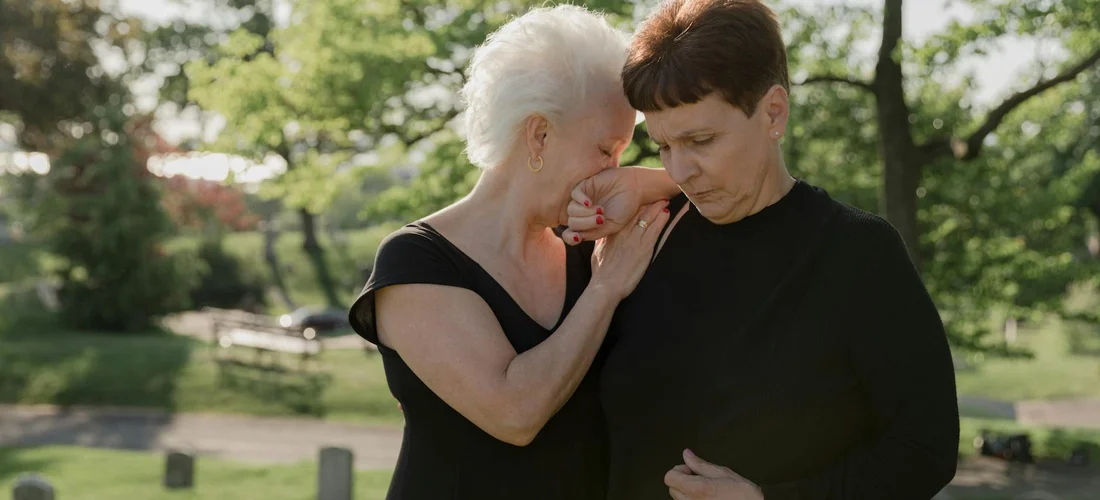
I once stood in my closet before my grandmother’s service, my fingers brushing against wool and cotton. Each texture seemed too rough or too smooth for the soft ache of goodbye. The simple act of choosing felt like a monumental task in the quiet of grief.
That experience taught me that selecting clothes for a funeral is a gesture of love. It is a way to care for the memory of the person lost and to offer comfort to those around you. But if you find yourself staring blankly at your clothes, please be kind to yourself. This choice should not add a layer of stress to a day already heavy with emotion.
Here is a small piece of advice that has helped me and many others. Lay out your complete outfit the night before the service. Choose your dress, shoes, and undergarments, and place them together. On a difficult morning, this one prepared task can feel like a gift, lifting a small weight so you can focus on what truly matters.
What to Avoid Wearing to a Funeral
- Your clothing should whisper respect, not shout for attention. A funeral is a time for quiet reflection, not personal expression.
- Flashy or casual attire can feel like an intrusion on grief. It may accidentally pull focus from the person being remembered and their family.
- Choosing subdued attire is a practical act of compassion. It allows everyone present to share in the solemnity without distraction.
Clothing and Accessories to Avoid
- Avoid overly casual wear like jeans, shorts, or graphic t-shirts. These items can appear dismissive of the ceremony’s significance.
- Steer clear of sparkly sequins or metallic fabrics. They catch the light and can seem celebratory in a room filled with loss.
- Loud, busy patterns or neon colors create visual noise. They work against the quiet, unified tone of a funeral service.
- Revealing clothing, such as low-cut tops or very short hemlines, is generally inappropriate. It can shift attention in a way that feels disrespectful to the occasion.
- Athletic wear, like sweatpants or running shoes, is too informal. This attire speaks of leisure, not the reverence required here.
Very high heels or painfully tight shoes can become a genuine distraction. If you are focused on your own discomfort, you cannot fully be present for others.
Wearing a wedding dress to a funeral is not appropriate. Its brilliant white and associations with joy directly contrast with mourning. In many cultures, funeral attire color traditions favor subdued tones such as black, gray, or navy. If you have no other formal wear, a simple, dark dress is a far more considerate choice.
The Reason for Uniforms or Scrubs
A nurse, doctor, or firefighter in uniform is paying the highest respect from their profession. The crisp fabric and badges represent a bond of service, honoring a colleague or someone they cared for.
If you see this, know it is a dignified exception to usual attire rules. That uniform is not casual dress; it is a solemn, visual promise of duty and respect.
Frequently Asked Questions
Is it acceptable to wear minimal or no makeup to a funeral?
Yes, it is perfectly acceptable. Your natural appearance is always respectful, and the focus should be on your presence, not your makeup.
What should I wear if the funeral is outdoors or at a beach?
Choose dark, modest clothing suitable for the setting, such as a knee-length dress with flat shoes. Prioritize comfort and practicality while maintaining a respectful tone.
How can I show respect through my attire if I’m unsure of the religious customs?
Opt for dark, conservative clothing that covers shoulders and knees. When in doubt, erring on the side of modesty is always a safe and respectful choice.
Honoring Choices in Funeral Attire
The most important guidance I can offer is to dress in a way that shows respect for the deceased and their loved ones. Choose clothing that is simple, modest, and appropriate for the religious or cultural context of the service.
Beyond attire, consider how your choices reflect a commitment to dignified care, including eco-friendly options when available. For further guidance, I invite you to explore resources on Funeral Care, Funeral Needs, and Funeral Questions. In particular, a funeral viewing attire guide can offer practical, respectful attire options for such occasions. This ties into the broader emphasis on dignified care and thoughtful preparation.
Emiliana Dieter
Emiliana is an author at The Valedictory. She is an experienced funeral care advisor and arranged and organized many funerals as part of her end of life consulting services. She has over 8+ years in the funeral industry managing her family funeral business and helping families cope with the loss of their loved ones. Her articles answer any and all questions you might have regarding funeral arrangements, costs, preparations, etc so you can make this a seamless experience.