
Etiquette for Giving Money as a Funeral Gift: A Compassionate Guide
When someone is grieving, the question of how to help can feel heavy. Offering a financial contribution is a kind gesture, but you may wonder about the proper way to do it.
This article explores the thoughtful considerations behind this tradition, including when it is appropriate, how to present your gift, what to write in a note, and how to navigate common concerns.
Key Takeaways: A Compassionate Summary
Let’s begin with a moment of comfort. If you are worrying about the right amount to give, please pause. Your presence and your intention are the greatest gifts you can offer.
Financial contributions are a practical act of support, not a transactional obligation. They are a quiet way to help shoulder a real burden.
The core principles are gentle: follow the family’s stated wishes, present your gift discreetly, and always, always accompany it with a personal note.
Understanding When a Monetary Gift is Appropriate
I hear the question behind your search. “Do I give money at a funeral?” The answer is not about rules, but about thoughtful response.
Money is often especially helpful in specific situations. It can cover unexpected costs, from the funeral itself to household bills that keep arriving. For some, it is a preferred alternative to flowers, offering tangible relief.
Always be ready to offer a different form of support if a family requests no gifts. Respecting that wish is its own profound kindness.
Is It Customary to Give Money at a Funeral?
Many people ask if giving money is common. The practice is widespread and crosses many cultures. It is generally seen as a direct and helpful contribution.
I have seen envelopes placed quietly in condolence cards or handed to a family member with a clasp of hands. It is a gesture that says, “Let me help with what comes next.”
For many families, these contributions are a quiet financial buffer during a disorienting time. They are customary because they are genuinely useful.
When a Financial Contribution May Be Preferred
Consider the specific needs of the family. Money often aids best with immediate, practical expenses. Flowers are a beautiful, traditional symbol of remembrance and sympathy.
Sometimes the choice is made for you. A family may specify, “In lieu of flowers, donations to the American Heart Association.” This directs support to a cause important to their loved one.
When a family is facing significant unexpected costs, a financial gift can provide more direct comfort than flowers. Trust your knowledge of their situation.
Respecting Explicit Wishes for No Gifts
If a family requests no flowers or gifts, honor that with grace. Their need for simplicity in grief is paramount.
Your support is still vital. Offer it in non-material ways. A specific offer can mean everything.
- Tell them, “I will bring a meal on Tuesday evening,” and do it.
- Ask, “May I stop by to help with the garden this weekend?”
- Simply sit with them, weeks later, when the house feels too quiet.
Listening to their request and following it is one of the most respectful gifts you can give.
How to Present a Financial Gift with Discretion and Care
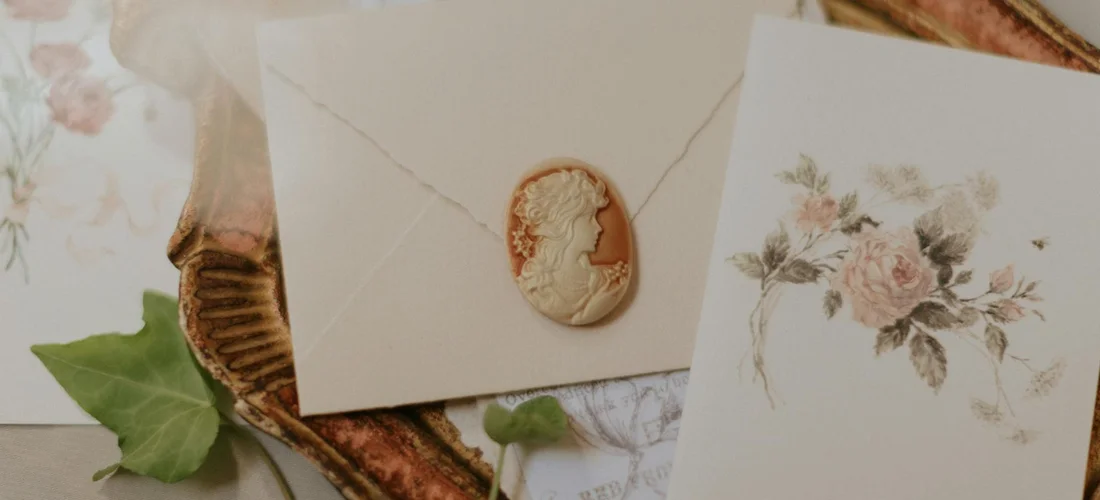
The act of giving is a gesture of support. Its presentation should be as considerate as its intent. A simple, respectful approach honors the solemnity of the occasion.
Follow these steps to ensure your gift is received gracefully. First, place the cash or check inside a plain, unmarked envelope. Seal the envelope completely; this offers privacy and security for both you and the family. Then, write a brief, heartfelt note on a small card or directly on the envelope’s front, such as “With deepest sympathy.”
The timing of your gift can be as flexible as your relationship to the family. You may offer it quietly at the visitation or wake when you express your condolences. It is also perfectly acceptable to mail it to the family’s home in the days following the service, when the immediate rush has passed.
Choosing the Method: Cash, Check, or Digital Transfer
Each method of giving has its own considerations. Your choice can reflect both practicality and care for the family’s situation.
A personal check is often the most secure and traceable option. It removes the worry of carrying cash. For the family, it provides a clear record for thank-you notes and is safer to receive by mail.
Cash can feel immediate and accessible, which some families appreciate for covering small, unexpected expenses. If you give cash, use a sealed envelope and consider giving it in person to ensure it arrives safely. For any substantial amount, a check or digital transfer is wiser.
Digital transfers, like Venmo or PayPal, are becoming more common. They are convenient, especially if you cannot attend. A gentle text to a close family member asking for the preferred details is appropriate. Remember that the impersonal nature of an app notification means your accompanying words of condolence, sent separately, are even more vital.
The Importance of the Accompanying Note
The money is a practical support, but your words are the personal comfort. They transform a transaction into a meaningful gesture.
This is not the place for a celebratory card. Choose a simple sympathy card or a plain note card. Keep your message brief and focused on the person who has died and the family left behind. Avoid any celebratory or overly casual phrases, and instead use appropriate condolence phrases.
Write two or three sincere sentences. You might say, “I am so sorry for your loss. Please use this to help in any way you need. You are in my thoughts.” The most important part of your note is the acknowledgement of grief, not the mention of money. Sign your name clearly so the family knows who the gift is from.
When and Where to Offer the Gift
Many people wonder, “Do I bring money to the funeral itself?” The answer lies in discretion. The formal funeral service is a time for collective mourning and reflection, not for exchanging items. If you’re considering a gesture beyond attendance, funeral gift ideas etiquette can guide you. It helps ensure your gesture remains respectful and appropriate.
The ideal moments are during the visitation, wake, or reception afterwards. As you approach the family to offer your condolences, you can quietly and briefly place the sealed envelope into their hand or on a nearby table designated for cards. A soft spoken, “This is for you,” is enough.
Never interrupt the formal ceremony or draw attention to yourself by presenting a gift during the service. If the moment does not feel right, sending it to the home is always a perfect alternative. The family will understand the kindness whenever it arrives.
Navigating Cultural and Religious Expectations with Respect
Think of this as a gentle guide, not a strict rulebook. Funeral customs vary widely, and the most meaningful gift always comes from a place of respect. For a thoughtful next step, consult the funeral gifts etiquette guide to find ideas that honor different traditions.
I have learned that these traditions are not about obligation. They are a shared language of support during a hard time.
When in doubt, the kindest step is to ask a close family friend or relative for guidance. A quiet question shows you care deeply about getting it right.
Monetary Gifts in East Asian Traditions
In many East Asian communities, giving money is a standard and respectful practice. It is a tangible way to help the family with immediate expenses.
You might wonder, do Chinese give money at funerals? Yes, it is customary to present cash in a plain white envelope, which is part of traditional Chinese funeral customs. This color symbolizes mourning and the transition of the spirit.
Korean funerals often involve “condolence money” in a white envelope as well. The bills should be new and crisp, avoiding amounts with the number four, which sounds like the word for death.
The simple act of handing over the envelope is often done quietly, with both hands. The money is not a transaction. It is a shared burden, a quiet promise that the family is not alone.
Gifts in European and Mediterranean Traditions
In Italian, Greek, and many Catholic families, financial contributions are a common gesture of solidarity. These gifts often help offset funeral costs or are given to the church.
So, do Italians give money at funerals? Frequently, yes. It is typical to offer a monetary gift in a card or envelope to the immediate family.
In Greek Orthodox tradition, a donation to the church in the deceased’s name is also appreciated. The money is rarely discussed openly. It is slipped into a hand or placed discreetly with the condolence cards, a practical embrace when words fall short.
Practices in Jewish, Muslim, and Buddhist Funerals
In Jewish tradition, direct cash gifts to the family are less common. Instead, it is a cherished custom to make a donation to charity, called tzedakah, in memory of the person who died.
This act turns grief into a force for good. The family will often specify a preferred cause.
At Muslim funerals, giving money directly to the family can occur, but charitable giving (sadaqah) is highly valued. It is best to follow the family’s lead or make a donation to a mosque or approved charity.
For Buddhist services, offerings are often made to the monks or the temple conducting the rites. Cash may be presented in a plain envelope. The focus is on generating merit for the peaceful journey of the departed soul.
Special Situations: Children’s Funerals and Non-Traditional Services

The loss of a child brings a profound grief that sits in the room like a heavy quiet. I have learned to approach these moments with extra sensitivity, where every gesture must be measured against that immense sorrow. Your desire to offer a financial gift comes from a place of deep compassion.
Money given for a child’s funeral fund is often a practical blessing for grieving parents. These contributions are deeply appreciated, but they require the utmost tact and a respectful distance, allowing the family to lead. Always prioritize any wishes they have shared publicly or through close friends.
“Celebration of life” events and other non-traditional services frame remembrance differently. Financial gifts fit naturally into these less formal gatherings, as they support the family’s chosen way to honor their loved one. The mood may feel lighter, but the significance of your support remains weighty and true. Differences among funeral, memorial, and celebration of life formats carry their own tones and rituals. Understanding these differences can help tailor your support to fit the moment.
Offering Support After the Loss of a Child
When phrasing an offer to help with costs, let the family’s stated needs be your guide. You might say, “We are thinking of you and would like to help with expenses for the service, if that feels right.” This kind of open-ended offer gives them control during a time when they feel they have none. It acknowledges their grief without imposing.
Many families set up a specific fund for future needs or a charitable cause. I often find that contributing directly to this designated fund after the service is the most comfortable approach for everyone. It removes any awkwardness at the funeral itself and lets your gift arrive as a steady, post-service support. These practices often align with funeral costs etiquette traditions that guide memorial gifts and contributions. Following these norms helps ensure gifts are received with gratitude and respect.
Gifts for Celebrations of Life and Modern Memorials
At a modern memorial, financial contributions are almost always welcomed, just as they are for a traditional funeral. These funds might help rent a venue for the celebration or support a hobby the deceased loved. Some guests also opt for memorial donations or sympathy flowers as a personal tribute. These gestures accompany gifts, recognizing loss while celebrating memory. Your gift is a tangible acknowledgment of loss, even in a gathering focused on joy and memory.
The essential etiquette remains unchanged by the type of service. A heartfelt, handwritten note and a discreet presentation in a sealed envelope are the cornerstones of a respectful financial gift. This simple practice honors the person who died and comforts those they left behind.
Common Mistakes to Avoid
Even with the best intentions, a few missteps can add stress to a grieving family. The goal is to ease their burden, not complicate it.
Avoid asking the family how they would like you to spend the money. This places another decision on shoulders already heavy with them. Your contribution is meant to relieve pressure, not create more.
Be mindful of the sum you give. An excessively large gift, while generous, can sometimes create a silent sense of obligation or discomfort. Give an amount that feels right for your relationship and your own finances.
Always follow any stated preferences from the family or obituary. If they request donations to a specific charity, honor that wish first. Ignoring these cues can feel like disregarding the memory they are working to uphold.
Mistakes in Amount and Presentation
There is no secret formula or required minimum. I have seen meaningful gifts of every size.
Give what is meaningful and genuinely affordable for you. A modest amount from the heart holds far more weight than a strained, extravagant sum. Your presence and support are the primary gifts.
Presentation matters for dignity and security. Never hand over loose cash. Place bills in a sympathy card or a plain envelope. A check is often simpler and safer for everyone involved.
Keep your gift private. Do not discuss the amount you gave with other guests. This moment is not about comparison or announcement. It is a quiet gesture between you and the family.
Overlooking the Family’s Emotional State
In the raw days following a loss, a family’s capacity is stretched thin. Simple tasks become monumental.
Understand that a grieving family may not be able to acknowledge your gift right away, or in the way you might expect. Thank-you notes may take weeks or months. A weary hug or a soft “thank you” at the service may be all they can muster.
Your financial gift should carry no expectations. It is not a transaction. Release any expectation of immediate thanks or a detailed report on how the money was used. The gift is given, and that act is complete.
The truest support is given freely, like a quiet promise. It asks for nothing in return but the hope of offering a moment of relief.
A Note on Etiquette and Heartfelt Words
Social protocol offers a framework for respect, but it should always bend toward compassion. Kindness is the ultimate guideline when offering support after a loss. I have watched families receive gifts, and the grace in the gesture always matters more than the amount.
If you include money with a sympathy card, your words should softly explain your care. Consider these simple phrases:
- “Please use this to help with any immediate needs.”
- “I am holding you in my thoughts and hope this offers some practical comfort.”
- “In memory of a wonderful life, with all my sympathy.”
Do not fret over perfection. Your sincere effort to help is what will be remembered most, not the precision of your etiquette. A clumsy, kind note often means more than a flawless, cold one.
What to Write in Your Condolence Note
Your note should be a gentle companion to the gift. Use warm, direct language that connects your contribution to your concern.
- “This is for you, to ease the path ahead in any small way.”
- “With heartfelt sympathy, hoping this helps with expenses during this hard time.”
- “Sending love and support for whatever comes next.”
Be mindful of your phrasing. Avoid any language that sounds like a payment for services or an obligation fulfilled. Speak instead of care, memory, and practical solace.
The Lasting Impact of Thoughtful Support
Grief brings an exhausting fog. Daily tasks and bills can feel overwhelming. A financial contribution quietly alleviates a real burden, granting the bereaved one less thing to carry. I have seen the relief in a person’s eyes when a practical worry is lifted.
Trust the impulse to help. Following your heart with respect is always the right course. Your act of support, given with dignity, becomes a quiet light in a dark time.
Frequently Asked Questions
Should I give the money at the funeral service itself?
It is generally best to offer your gift discreetly at a visitation, wake, or reception, not during the formal service. Mailing it to the family’s home in the days following is always a thoughtful and perfectly acceptable alternative.
Is it rude if I don’t receive a thank-you note for a monetary gift?
No, it is not rude. Grieving families are often overwhelmed, and formal acknowledgments may be delayed or forgone. Your gift is an act of support that does not require an immediate receipt.
Is a digital money transfer an appropriate funeral gift?
Yes, especially if you cannot attend in person. It is considerate to first ask a close family member for their preferred method and ensure you send a separate, heartfelt condolence message.
Parting Reflections on Financial Gifts
When offering money at a funeral, let your primary guide be a desire to provide practical relief with discretion. A contribution given quietly, with a heartfelt note, often becomes a silent anchor of support for those grieving. This approach aligns with supporting mourners through funeral etiquette that prioritizes discretion and care. It honors the bereaved and upholds respectful etiquette during a difficult time.
Extending this mindful approach to all aspects of funeral care, including eco-friendly options, honors a legacy of dignity. I encourage your continued learning about funeral needs and questions, as each informed choice is a step toward compassionate support.
Emiliana Dieter
Emiliana is an author at The Valedictory. She is an experienced funeral care advisor and arranged and organized many funerals as part of her end of life consulting services. She has over 8+ years in the funeral industry managing her family funeral business and helping families cope with the loss of their loved ones. Her articles answer any and all questions you might have regarding funeral arrangements, costs, preparations, etc so you can make this a seamless experience.