
Is Cremation Allowed in Islam? Understanding Funeral Rites and Religious Guidance
When a loved one who is Muslim passes away, questions about proper funeral rites can feel overwhelming. You might be seeking a clear, compassionate answer about cremation.
I will walk you through the Islamic perspective, blending religious teachings with practical care. This article covers:
- The definitive Islamic ruling on cremation and the reasoning behind it
- The core principles and steps of a traditional Muslim burial
- How to honor these rites with dignity and respect
- Addressing common concerns for families during this sensitive time
Key Takeaways for Immediate Comfort
If you are seeking clarity during a time of grief, the answer is definitive. Cremation is not permitted in Islam. The faith requires the dignified burial of the deceased as a sacred final duty.
Every ritual, from washing to shrouding to the funeral prayer, is designed to honor the person who has passed. These acts are a profound comfort for the living, a final act of service and love.
This guide will walk you through these rites with clear, step by step guidance, helping you honor your loved one according to their deepest beliefs.
Is Cremation Allowed in Islam? A Clear and Compassionate Answer
To directly address the question many families search for: no, a Muslim cannot be cremated. Are Muslims allowed to be cremated? The answer, across all schools of Islamic thought, is respectfully, no.
This is one of the most settled matters in Islamic law. There is no disagreement among scholars. The prohibition is rooted in the Quranic verse describing the creation of humanity from the earth and our return to it.
Muslims are against cremation because the human body is considered a sacred trust from God. It must be returned to the earth gently and naturally, just as a precious loan is returned with care. Cremation is seen as a violation of that dignity.
The belief in physical resurrection is central. The body, which housed the soul and carried it through life, is treated with reverence for its role in the hereafter. The consistent practice of the Prophet Muhammad and all his followers was always burial.
I have sat with families confused by different customs they see in the wider world. Knowing this rule is absolute can, in its own way, provide a clear path forward when decisions feel overwhelming. It removes a burden of choice, allowing focus to shift to the beautiful, prescribed rites of farewell.
Why Cremation is Forbidden in Islam
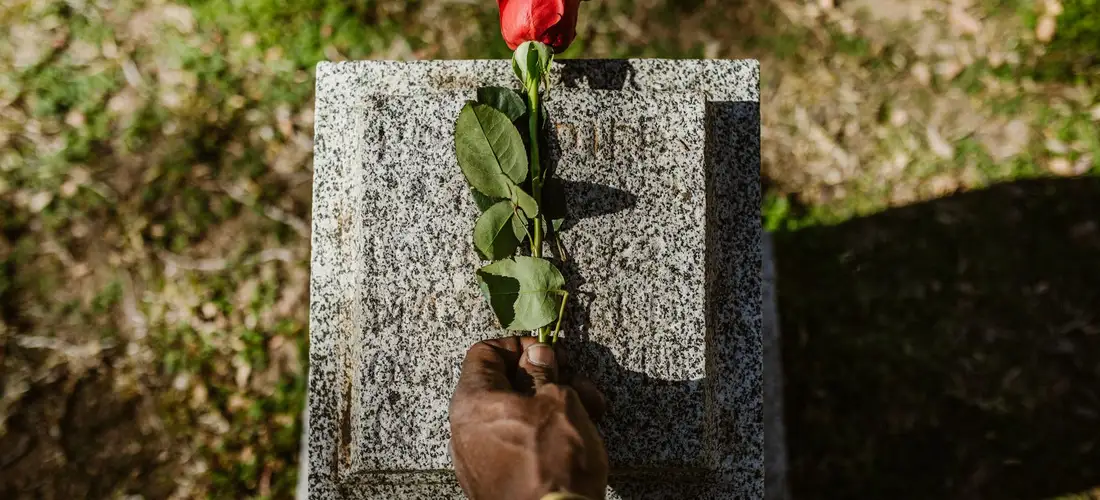
In Islam, the human body is seen as a sacred trust from God, or Allah. It is not ours to destroy, but to care for with dignity from life through death.
This respect extends beyond the soul to the physical form that housed it. Cremation contradicts this fundamental principle.
I have sat with families who wondered about modern alternatives. The Islamic guidance here is clear and rooted in deep spiritual care.
The Sanctity of the Human Body
Cremation is viewed as an act of disrespect, akin to mutilation. The body, which once prayed and loved, deserves gentle treatment. This perspective is common in some religious views on cremation.
Islamic law considers any unnecessary harm to the deceased body a profound violation. The process of burning is seen as a violent end, unlike the natural return to the earth.
Think of how we wash and clothe a body with tenderness. Fire represents a force that hastily consumes what we are meant to honor.
Preservation for the Day of Judgement
This prohibition is tied to the belief in physical resurrection. Muslims believe that every person will be bodily reassembled on the Day of Judgement.
The body must be preserved as intact as possible for this divine reassembly. Burial allows for a natural, gradual return to the elements.
Cremation, in this view, actively interferes with a process that belongs to God alone. It is a matter of faith, not just tradition, and contrasts with biblical views on cremation and burial.
Understanding the Religious Consequences
In Islamic jurisprudence, cremating a Muslim body is a major sin. The act is forbidden (haram) without exception.
The spiritual consequences are taken seriously, as they affect the dignity owed to the deceased. My role is to explain this with clarity, not to instill fear.
I understand that families may face pressure or confusion in non-Muslim societies. If this happens, seek guidance from a local Imam immediately. There is always a compassionate way to uphold these rites.
Islamic Funeral Rites: A Step-by-Step Guide of Care
The Islamic funeral process has a gentle, step-by-step rhythm. It turns overwhelming grief into a series of purposeful, comforting acts.
Each ritual is a final act of love and service. It allows the community to surround the bereaved with practical support.
Ghusl: The Ritual Washing
Ghusl is a purification wash performed by Muslims of the same gender as the deceased. It is done with clean, scented water in a private, respectful manner.
This washing cleanses the body physically and symbolically prepares the soul for its meeting with God. The washers recite prayers and handle the body with utmost care.
I have assisted in arranging this. The atmosphere is always one of serene focus, a quiet goodbye performed with loving hands.
Kafan: The Simple Shroud
The body is then wrapped in clean, white cotton cloths called the kafan. No elaborate coffin is used.
The white shroud symbolizes purity and the equality of all people before God in death. It is typically made of three to five simple pieces for men, and five for women.
Seeing a body prepared this way is humble and powerful. It strips away worldly status, leaving only the human essence.
Salat al-Janazah: The Funeral Prayer
This is a communal prayer said for the deceased, usually in a mosque or prayer ground. The congregation stands in rows behind an Imam.
The prayer is a collective plea for God’s mercy and forgiveness for the departed soul. It is performed standing, without the bows and prostrations of daily prayers.
The sound of many voices praying together offers immense comfort. It visually shows the family they are not alone in their loss.
The Burial Rituals
The body is taken to the cemetery and placed directly in the grave. It is laid on its right side, facing the direction of Mecca (Qiblah).
Wooden planks or bricks are used to gently cover the body before the earth is filled in, protecting it from direct soil. Family and friends often each place a handful of earth into the grave.
Quiet prayers for forgiveness are recited throughout. The final act is a reminder of our origin and return, a natural completion that feels both solemn and peaceful.
What the Quran and Hadith Say About Burial
For a grieving family, the clarity of Islamic teachings on burial can be a profound comfort. The tradition is not arbitrary but is rooted in scripture and the direct example of the Prophet Muhammad. These sources offer a clear path during a time of confusion, affirming that returning the body to the earth without embalming is an act of dignity and a fulfillment of divine decree.
Quranic Guidance on Burial
The Quran frequently reminds us of our origin from the earth and our return to it. This cycle is described with a natural, solemn beauty that frames burial as a completion.
For instance, the verse states: “From the earth We created you, and into it We will return you, and from it We will bring you back again.” (Quran 20:55). This powerful connection between our creation from clay and our return to the soil establishes the earth as the natural and honored resting place. Another verse commands: “Then He causes him to die and puts him in his grave.” (Quran 80:21). The language is direct, affirming the grave as the intended destination after death.
Prophetic Traditions and Examples
The Prophet Muhammad provided specific, compassionate instructions for caring for the deceased. His teachings transform principle into gentle, actionable care.
He emphasized speed and respect, saying: “Hasten the funeral rites.” He also instructed on the simplicity of the shroud: “Wrap him in two white cloths.” These directives prioritize the dignity of the deceased and the spiritual needs of the living over worldly concerns.
Most definitively, the prohibition of cremation is clear in the recorded tradition. The Prophet said regarding a specific type of punishment: “It is not fitting for anyone to punish with fire except the Lord of the fire.” This teaching extends to the treatment of the human body, which is considered a sacred trust (amanah) not to be violated by burning.
Preparing a Muslim Body for Burial: A Practical Guide
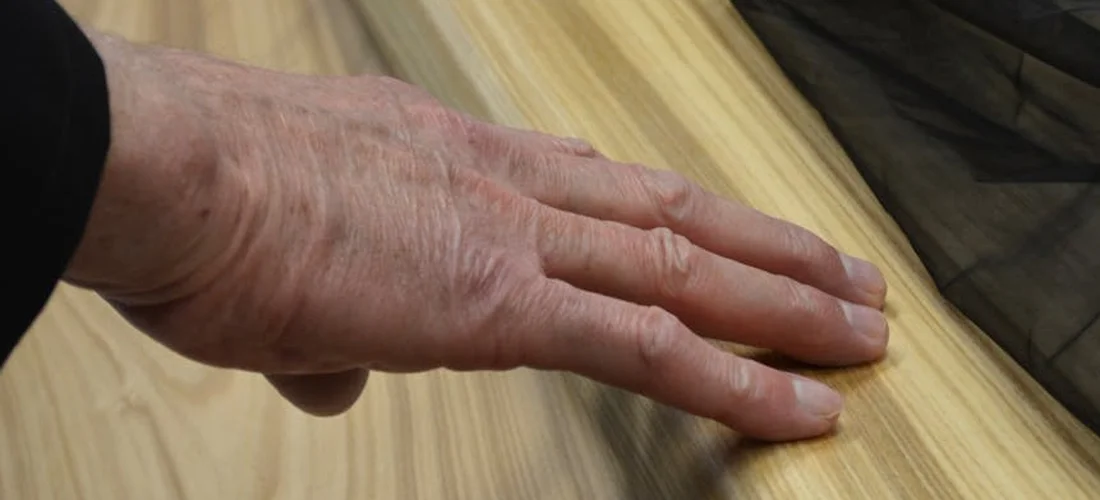
When death occurs, these sacred rituals provide a framework for action when you may feel lost. The process, known as Janazah, is a final act of love and service performed by family and community. It is a physical goodbye that honors the soul’s journey.
Your first step is to contact your local mosque or Islamic center. Imams and community leaders are there to guide you through every logistical and religious step, from obtaining the death certificate to arranging the grave. Do not hesitate to lean on this network; it exists to support you in this duty.
The Steps of Ghusl and Kafan
The washing (Ghusl) and shrouding (Kafan) are performed with great gentleness and privacy, typically by same-gender family members or respected members of the community. The atmosphere is one of focused reverence.
- The body is placed on a washing table, and the person performing Ghusl begins by gently closing the eyes and articulating the limbs.
- Using warm water, sometimes mixed with camphor, the washer performs a ritual ablution (wudu) on the body, followed by a thorough washing of the entire form.
- The water flows from the head downward, and the body is turned with care to wash the back. Every movement is done with the utmost respect, as if handling a fragile, precious object.
- Once purified, the body is patted dry with clean towels. It is then wrapped in simple, white sheets (the Kafan). For a man, this is typically three sheets; for a woman, five, including a head covering and loincloth.
- The shroud is secured, often with ties at the head, waist, and feet. No coffin is used, allowing for direct contact with the earth.
Arranging the Funeral Prayer and Burial
The funeral prayer, Salat al-Janazah, is a communal obligation. It is a unique prayer performed standing, with four pronouncements of “Allahu Akbar” (God is Greatest), silently asking God for mercy for the deceased and for all believers.
This prayer is usually held at the mosque or directly at the cemetery, bringing the community together in a powerful show of collective support for the family and the departed. It should be performed as soon as possible after the preparation of the body.
For the burial, the body is carried to the gravesite, often on the shoulders of community members. It is placed in the grave on its right side, facing the direction of the Kaaba in Mecca. Those present may softly cast handfuls of soil into the grave. The final act is a collective prayer for forgiveness. The entire process, from death to burial, is meant to be completed swiftly, reflecting the Islamic value of honoring the deceased without delay.
Navigating Practical Concerns and Alternatives
When you are grieving in a country where Islamic practices are not the norm, practical questions can feel overwhelming.
I have helped many families navigate these situations with care and respect.
Let’s address some common concerns and look at the options available to you.
Quick Snapshot: Burial vs. Cremation in Islamic Practice
This table contrasts the two methods based on key aspects of Islamic funeral rites.
| Aspect | Burial | Cremation |
|---|---|---|
| Religious Permissibility | Permitted and prescribed | Prohibited |
| Typical Timeframe | As soon as possible, often within 24 hours | Varies, but not applicable in Islamic practice |
| General Cost Considerations | Can vary based on location and services | Often lower, but religiously not an option |
| Core Spiritual Significance | Honors the body as a trust from God, awaiting resurrection | Contradicts the belief in bodily resurrection |
Burial is the only method that aligns with Islamic teachings, while cremation is strictly avoided.
Any variations, such as delayed burial due to logistics, still aim to uphold the principle of respectful interment.
Can a Muslim Be Buried in a Non-Muslim Country?
Yes, a Muslim can absolutely be buried in a non-Muslim country.
I have arranged such burials, and it is a matter of finding the right resources.
Start by contacting local mosques or Islamic centers. They often have information about Muslim cemeteries or sections in public cemeteries.
Many funeral homes in diverse areas are experienced in handling Islamic funeral rites and can guide you through the process. They can also help you explore different funeral service types and religious rites to suit your family’s beliefs.
If a dedicated Muslim cemetery isn’t available, you can work with a funeral director to ensure the burial plot respects Islamic requirements, like orientation toward Mecca. In addition, review cemetery plot burial regulations and local rules about plot size, allocation, and markers to ensure the burial complies with community standards.
Are There Any Exceptions or Alternative Options?
In extreme circumstances, such as a legal mandate requiring cremation or a pandemic restricting burial, scholars may permit temporary exceptions.
For example, if cremation is legally unavoidable, the focus shifts to performing other rites with sincerity and seeking God’s mercy.
Green burial methods, which avoid embalming and use biodegradable caskets, often align well with Islamic principles of simplicity and environmental respect.
These methods emphasize returning the body to the earth naturally, which resonates with the Islamic view of burial.
Always consult with a knowledgeable imam or Islamic scholar when facing such unique situations to ensure religious compliance.
Compassionate Answers to Common Questions
What is the significance of burial in Islam?
Burial is a sacred duty that honors the body as a trust from God, ensuring its dignified, natural return to the earth. It reflects the Islamic belief in physical resurrection and provides a comforting, purposeful final rite for the living. In preparing the body for burial, traditional rites such as washing (ghusl) and shrouding (kafan) are observed with reverence. These practices illustrate how the community approaches the care of the deceased and anchor the practical aspects of burial traditions within the faith.
Are there any exceptions to the prohibition of cremation in Islam?
No, cremation remains strictly forbidden (haram) in Islamic law without exception. In truly extreme scenarios, like a legal mandate, the focus shifts to fulfilling other rites with sincerity while seeking compassionate guidance from a knowledgeable scholar. This contrasts with certain religious and cultural views on cremation where it might be accepted.
What are the consequences of cremating a Muslim body according to Islamic law?
Cremation is considered a major sin that violates the profound dignity owed to the deceased. It is spiritually grave, and families should seek immediate support from an imam to navigate any such circumstances with care and correct understanding.
Parting Reflections on Islamic Funeral Traditions
When you are making arrangements, hold close that Islamic law prohibits cremation to honor the body’s sanctity. Choosing a traditional burial fulfills a religious obligation and serves as a final act of reverence for the person you love. In keeping with Islamic funeral customs and burial traditions, you can approach this with sensitivity and respect. Understanding these practices helps honor the deceased properly.
I urge you to pursue Funeral Care with dignity, considering green burial methods that align with Islamic values. Thoughtfully addressing your Funeral Needs and seeking gentle guidance on Funeral Questions can provide much-needed comfort and clarity.
Emiliana Dieter
Emiliana is an author at The Valedictory. She is an experienced funeral care advisor and arranged and organized many funerals as part of her end of life consulting services. She has over 8+ years in the funeral industry managing her family funeral business and helping families cope with the loss of their loved ones. Her articles answer any and all questions you might have regarding funeral arrangements, costs, preparations, etc so you can make this a seamless experience.