
Funeral Flower and Wreath Ribbon Etiquette: A Compassionate Guide
Selecting the right words for a funeral flower ribbon is a tender act of remembrance. It connects your heart to the family in a silent, meaningful way.
This guide will walk you through the key aspects of ribbon etiquette. Here are the main topics we’ll explore:
- How to phrase your message with sensitivity and clarity
- The traditional placement of ribbons on wreaths and sprays
- Cultural and religious considerations to honor the deceased
Key Takeaways
Funeral ribbons are a traditional way to show respect and sympathy. They are not a test you need to pass perfectly.
The purpose of a ribbon is to offer a touch of comfort and to make your gift personal for the grieving family. Your intention is what truly matters.
Here are the most important things to remember.
- Keep your written message simple and heartfelt.
- Choose ribbon colors that feel respectful, like white, cream, or soft blues.
- Always follow any specific wishes the family has shared.
If you feel unsure, remember this. Your thoughtful presence and the flowers you send are the real gift. The ribbon is a quiet, supporting part of that gesture.
The Role of the Funeral Ribbon
A funeral ribbon is a length of material attached to a floral arrangement. It is most often a satin strip, but it can also be a small card on a plastic pick.
Physically, it marks the flowers as a tribute from a specific person or group. Symbolically, it is a gentle, visual whisper of someone’s care during a silent time.
This simple item has two main purposes. First, it identifies you as the sender so the family can acknowledge your kindness. Second, it adds a personal layer to your floral gift. A name and a brief message transform a beautiful arrangement into a direct expression of your sympathy.
You will typically see them in a few common formats.
- Satin ribbons with text printed or stamped directly onto the fabric.
- Small, sturdy paper cards attached to a thin plastic fork that inserts into the flowers.
- In some cases, a simple handwritten tag tied with string, which can feel just as meaningful.
I have seen families carefully collect these ribbons and cards afterward. They are tangible reminders of the community that surrounded them. They are quiet pieces of evidence that their loved one was seen and cherished.
Choosing the Right Ribbon: Color, Width, and Style
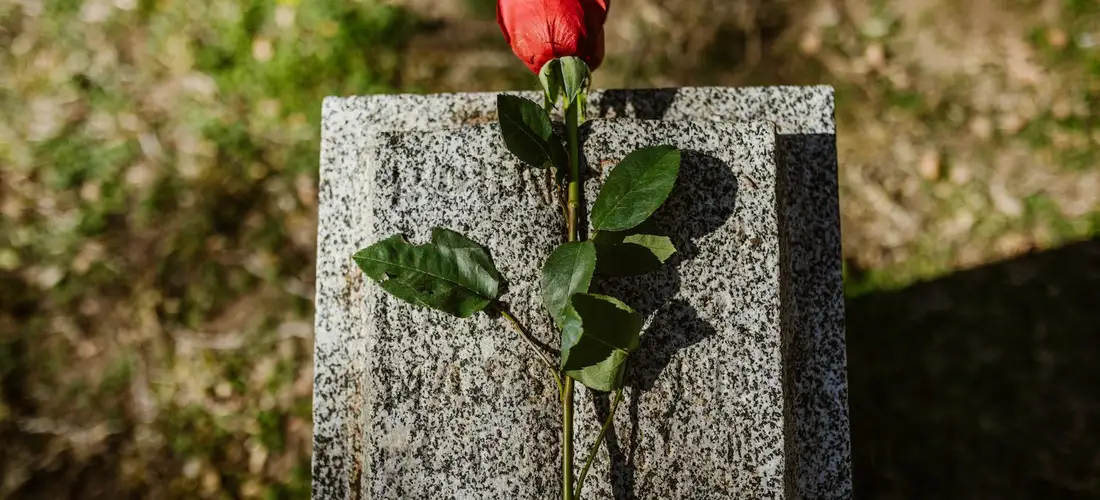
A funeral ribbon is a final, visual gesture. It should look dignified and feel considered. The right choice honors the solemnity of the occasion while offering a personal touch. To harmonize the ceremony, you can explore funeral service decoration ideas that echo the ribbon’s message with restrained elegance. These ideas can guide overall decor choices, from arrangements to signage.
Begin by thinking of the ribbon as a frame for your floral tribute. Its width, material, and color work together to create the overall impression. A simple, elegant ribbon often speaks more softly and clearly than an ornate one.
The most common and safe materials are satin and velvet, as their subtle sheen conveys respect without distraction. Avoid plastics or overly shiny metallics, which can appear casual or harsh under chapel or funeral home lights.
What Should the Ribbon’s Color Scheme Be?
Color carries quiet meaning in times of mourning. Traditional colors offer a language of shared sentiment that the grieving family will understand.
White symbolizes peace, purity, and spiritual love. Lavender speaks of grace, dignity, and admiration. Soft blue evokes eternal calm and sympathy. Gray or black ribbons express solemn respect and loss. These are timeless, safe choices that feel appropriate and supportive.
You may also consider the deceased’s favorite color or the family’s cultural traditions. A deep burgundy for love, a forest green for everlasting life. These personal notes can be deeply comforting.
Generally, it is wise to avoid neon brights, vivid oranges, or glittering golds, as they can feel celebratory rather than commemorative. Unless the service is explicitly a “celebration of life” requesting such vibrancy, muted, softer tones are the most respectful path.
What Is the Proper Width for a Funeral Ribbon?
The ribbon’s width should be in proportion to the size of the floral arrangement. A good florist will understand this balance instinctively.
For a large standing spray or a classic wreath, a wider ribbon, perhaps three to four inches, has a dignified presence. It anchors the piece without overwhelming it.
A medium basket arrangement or a smaller bouquet on an easel often pairs well with a two to three inch ribbon. For a modest posy or a single stem tribute, a narrow one to two inch ribbon is perfectly suitable.
When in doubt, trust your florist’s guidance; they handle these gestures daily and will help you select a ribbon that looks and feels right. Your thoughtful intention, framed with their expertise, will create a fitting tribute.
Crafting Your Message: What to Write on the Ribbon
You may worry about what to write on a funeral wreath ribbon. I have seen this concern many times. Your desire to get it right comes from a place of care. It is similar to the pressure of writing a message on a funeral flower card—you want it to be meaningful and heartfelt.
Please remember, this message is a simple, heartfelt gesture. It is not a formal letter that must be perfect. A few genuine words can express your sympathy beautifully.
What Information Is Typically Included on the Ribbon?
The ribbon typically states who sent the tribute. This means including the name or names of the sender.
Often, the relationship to the person who died is included, such as “With Love, The Smith Family.” This small detail helps the grieving family place your kindness.
For a tribute from a business or a group, the organization’s name is standard. You might write, “From the Employees at Miller & Sons,” for instance.
How Should the Message Be Formatted?
Format your message to be clear and respectful. Here are simple examples for different relationships.
- For immediate family: “Forever Loved, Your Children”
- From close friends: “In Memory, The Carter Family”
- From colleagues: “With Sympathy, Your Team at Davis Accounting”
Short phrases of condolence fit well on a ribbon or an attached card. Consider these samples.
- “Always in Our Hearts”
- “With Loving Memories”
- “Rest in Peace”
A ribbon message is brief due to space, while a separate card allows for more personal words. Think of the ribbon as a public note of care and the card as a private letter.
Note on Etiquette: Placement and Presentation
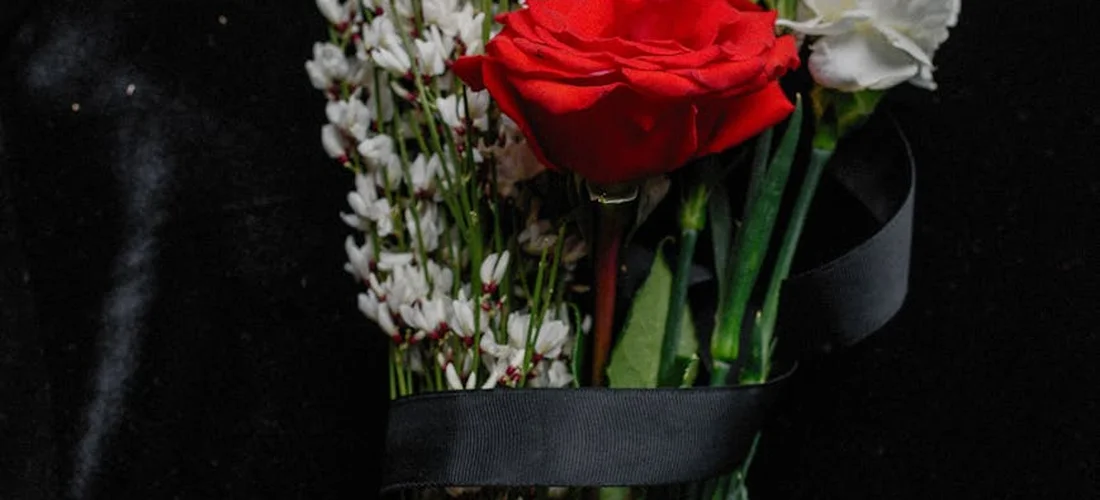
How you present your flowers is a gentle gesture of care. It tells the grieving family you considered every detail. Respectful placement and a neat ribbon transform your tribute into a clear message of sympathy. Following funeral flower etiquette helps ensure your support is received with sensitivity. It signals genuine sympathy in a respectful way.
Where Should the Ribbon Be Placed on the Wreath or Arrangement?
For a standing wreath, the ribbon usually sits at the center-bottom. This lets it hang visibly for anyone to see. In a spray or basket arrangement, florists nestle the ribbon softly within the flowers and greenery.
A professional florist knows how to position the ribbon so it is both beautiful and easy to read. If you are ordering from a shop, you can trust them to handle this with experience. It allows you to focus on your words, not the placement.
Should the Ribbon Be Attached Securely or Left Loose?
The ribbon must be fastened firmly. A loose ribbon can detach during transport or handling. Your heartfelt message could become separated and lost.
Florists use thin wire or a strong adhesive to affix the ribbon and any card holder securely. This small, practical step ensures your tribute stays intact from the florist to the funeral service. It is a simple act that prevents added distress.
Who Typically Provides the Ribbon-the Florist or the Sender?
Florists almost always provide the ribbon as part of your order. When you call or order online, the service includes a satin ribbon and careful inscription. You simply need to provide your message.
Providing your message is straightforward, usually done by phone or through an online form with the florist. This system is designed to be easy during a hard time. If you are creating your own arrangement, you can purchase a suitable ribbon. Use a permanent marker to write your words clearly on the satin.
Common Mistakes to Avoid
Writing a ribbon message can feel stressful when you are grieving or trying to be supportive. Some missteps are easy to make. Being aware of them can help your gesture land with the grace you intend.
First, keep your message brief. A long, rhyming verse may seem heartfelt, but it often does not fit on the ribbon. More importantly, complex poems can sometimes be misread in the raw context of grief. A few sincere words from your heart carry more weight than many perfect ones.
Always double-check the spelling of every name. This includes the first and last name of the person who has died, and your own name if you include it. A misspelling can cause a small but sharp pain for a family when they read it. It is a simple step that shows profound respect.
The most important etiquette is to honor the family’s stated wishes. If the obituary or family request says “in lieu of flowers,” please follow it. Sending flowers against such a request is the primary mistake to avoid, as it can feel dismissive during a difficult time. A charitable donation in their memory is the correct and caring choice.
Is It Acceptable to Use Pre-Printed Ribbons?
Yes, it is perfectly acceptable. A ribbon pre-printed with a phrase like “With Deepest Sympathy” is a standard and respectful option. Florists often provide these. They are a safe choice if you are unsure what to write.
However, a personalized message is almost always more thoughtful. It shows you took an extra moment. If you use a pre-printed ribbon, consider adding a small, handwritten card from you to place with the arrangement. That simple, handwritten touch bridges the gap between a standard gesture and a personal one. It tells the family you see their unique loss.
Respecting Wishes and Traditions
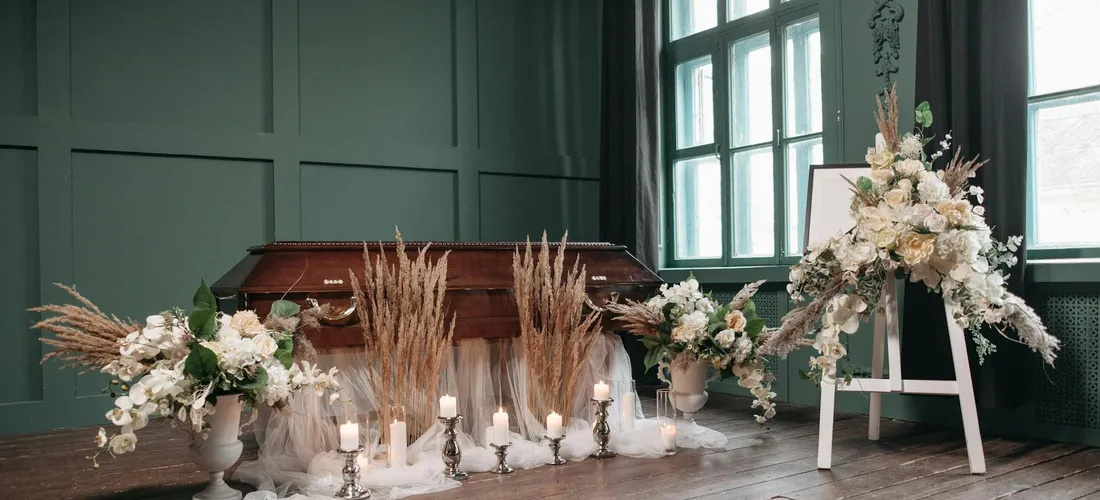
Choosing a ribbon and sending flowers is more than a custom. It is a quiet act of kindness for the family, a visible sign of your care during a heavy time. Your thoughtfulness here is a form of respect that helps shoulder their grief. Understanding funeral flower traditions can help make your gesture even more meaningful.
What Is the Etiquette If the Family Requests “In Lieu of Flowers”?
When a family makes this request, honoring it is the most supportive choice you can make. This is not a rejection of your sympathy. It is often a practical preference, perhaps to reduce clutter or direct support to a cause the loved one valued.
Your gesture still matters deeply, and there are meaningful ways to express it. Consider making a donation to the named charity and sending a note to the family telling them you have done so. A gift of prepared food, a grocery delivery, or simply your time can be a profound comfort.
If you feel strongly about sending flowers, a modest, personal arrangement sent directly to the family’s home can sometimes be a gentle exception. Understanding funeral flowers etiquette can help you determine the best approach. Avoid sending a large, public display to the funeral service, as this contradicts the family’s stated wishes.
Are There Any Cultural or Religious Considerations for Ribbon Color or Text?
Color carries different weights in different rooms. In many Western traditions, black, purple, or white ribbons denote mourning. In some East Asian cultures, white is the primary color of funeral flowers and attire. In certain contexts, red might be avoided as it symbolizes happiness and luck.
If you are unsure of the family’s traditions, a quiet question can prevent discomfort. The funeral director is an excellent resource, or you might ask a close friend of the family for guidance. There is no shame in wanting to get it right—it’s part of funeral etiquette.
Your intention is what shines through. When you are uncertain, a simple, elegant ribbon with a heartfelt message is a universally understood gesture of respect. Sincerity needs no elaborate decoration.
Frequently Asked Questions
Where exactly should the ribbon be attached to the arrangement?
For a wreath, the ribbon is typically placed at the bottom center. On other arrangements, a skilled florist will nestle it securely within the flowers for visibility and stability.
Is using a pre-printed ribbon acceptable, or is it too impersonal?
Pre-printed ribbons with phrases like “With Sympathy” are perfectly acceptable and widely used. To add a personal touch, you can pair one with a separate, handwritten card from you.
How can I respectfully handle cultural traditions I’m unsure about?
When uncertain, opting for a simple, elegant ribbon in a neutral color like white or cream is a safe and respectful choice. You may also quietly ask the funeral director or a close family friend for guidance to ensure your gesture is appropriate, especially regarding funeral attire colors and their symbolism.
Guiding Your Gestures of Remembrance
Let your choice of words on a funeral ribbon be guided by genuine feeling above all else. A brief, sincere inscription becomes a quiet testament to care that the family can hold onto.
Selecting sustainable materials is a considerate aspect of Funeral Care, blending respect with responsibility. Continuing to explore Funeral Needs and Funeral Questions helps us offer support that is both practical and kind.
Emiliana Dieter
Emiliana is an author at The Valedictory. She is an experienced funeral care advisor and arranged and organized many funerals as part of her end of life consulting services. She has over 8+ years in the funeral industry managing her family funeral business and helping families cope with the loss of their loved ones. Her articles answer any and all questions you might have regarding funeral arrangements, costs, preparations, etc so you can make this a seamless experience.