
A Gentle Guide to DIY Funeral Flowers
When someone you love has died, arranging the flowers yourself can feel like a final, tender act of care.
This article will walk you through creating traditional pieces with respect and simplicity. You will learn about casket sprays, standing wreaths, hand-tied bouquets, and memorial ribbons.
Key Takeaways for a Gentle Start
Creating flowers for a funeral comes from a place of love. Your primary focus should be on the heartfelt intention you pour into the work, not on achieving a flawless, store-bought look. In my years of service, the arrangements that comfort people most are those made by a familiar hand.
Begin by gathering just a few essential items. You do not need a full florist’s shop.
- Floral foam: This green brick holds stems securely and provides water to keep blooms fresh.
- Sharp floral shears: A clean cut is kinder to the stems and helps the flowers last longer.
- A roll of ribbon: Satin or velvet ribbon in a chosen color offers a gentle, finished touch.
Do not worry if your first attempt feels clumsy. The personal history you share with the person you are honoring is what transforms simple flowers into a true tribute. That meaning cannot be manufactured, unlike standard sympathy flowers that often lack a personal touch.
Step-by-Step Checklist for Getting Started
This list will help you move forward with clarity and reduce the weight of decision-making. I encourage you to work through it slowly.
- Confirm the exact date, time, and location of the service with the funeral director or family. This simple step ensures your arrangements will be present and placed with care.
- Set a clear budget for flowers and materials. Knowing your limit removes one source of anxiety, allowing you to focus on creativity within your means.
- Choose one type of arrangement to practice first. A modest vase bouquet or a memorial ribbon is often more manageable than a large casket spray. Starting with a single, achievable project builds confidence.
- Gently ask a friend or family member to be with you. They can help with tasks like holding stems or offering quiet company. You do not have to carry this act of love alone.
Choosing Flowers with Heart and Meaning
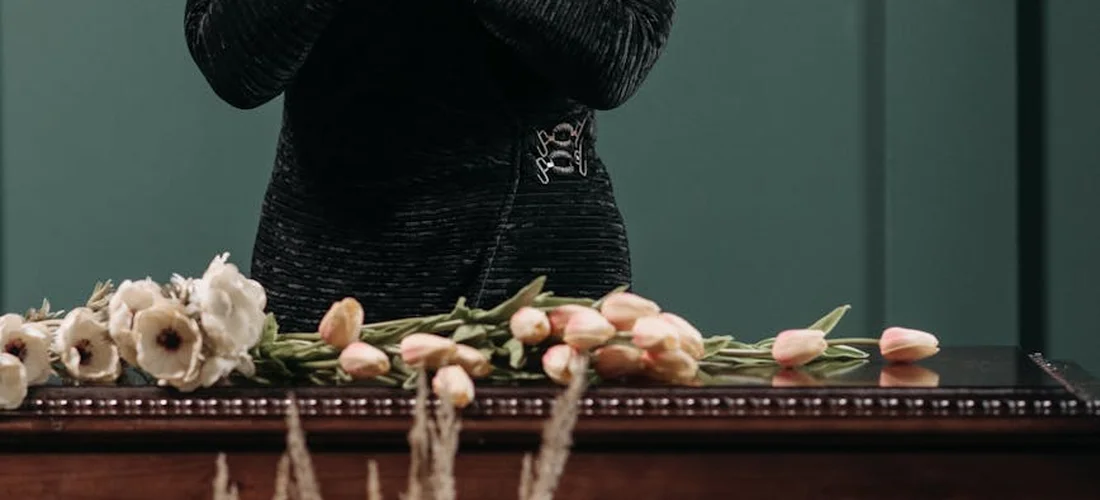
Start by thinking of the person you are honoring. Did they have a favorite color? A beloved flower from their garden? This personal connection is the most meaningful guide you can follow.
Simple flower symbolism can help express feelings when words are hard. Lilies often represent peace, while roses speak of love. Carnations can symbolize remembrance. In funeral contexts, different colors convey different messages, a key part of funeral flower colors symbolism. Understanding these meanings can help when choosing flowers for a ceremony.
For arrangements that need to last through a service, choose durable flowers like carnations, chrysanthemums, or alstroemeria. They hold up well outside of water.
Do not forget greenery like fern, eucalyptus, or salal. These leaves add fullness and texture, making your flowers stand out beautifully.
Considering Personal and Symbolic Meaning
Each flower can tell a small story. A bouquet of daisies and wildflowers might honor a gardener. Nautical blue ribbons could remember a sailor.
Color carries its own quiet emotion. White often signifies peace and purity. Blue can evoke serenity. Yellow speaks of friendship and warmth.
Selecting Flowers for Freshness and Durability
Some flowers are known for their staying power. Good choices include carnations, chrysanthemums, alstroemeria, and solidago.
Purchase your flowers one to two days before the service. This gives blooms time to open fully, yet they will still be fresh. Look for firm stems and petals that are vibrant, not drooping.
Gathering Your Tools and Materials
Taking a moment to assemble your supplies can make this act of creation feel more manageable. You will need a few basic items to begin.
- Floral shears
- Waterproof tape
- Floral foam
- A sharp knife
- Ribbon
- Pins
- Oasis trays
The choice between fresh or silk flowers changes your material list. Fresh flowers require floral foam that has been soaked in water to provide constant hydration. For silk or dried arrangements, you can use dry foam, which is lighter and does not need water.
I often find these items at local craft stores. Online wholesalers can also be a good source for affordable materials, especially if you need larger quantities.
Essential Tools for Every Project
Each tool in your hand serves a quiet, important purpose. They help you work with care and ensure your arrangements are respectful and lasting.
- Sharp floral shears make a clean cut through stems. This preserves the flower’s ability to drink water, helping fresh blooms stay vibrant longer.
- Waterproof tape anchors soaked floral foam securely. It prevents shifting inside a tray or container, giving you a stable foundation.
- Floral foam is the heart of many arrangements. For fresh flowers, it acts as both a water source and an anchor. The feel of pressing a stem into firm foam is surprisingly steadying.
- A sharp knife handles woody stems or thick foliage. Shears might crush these materials, but a clean knife cut keeps them healthy.
- Ribbon adds a final, personal layer of meaning. The gentle drape of satin or the simple touch of cotton can convey much without words.
- Pins hold ribbons and lighter accents firmly in place. They provide a secure attachment that withstands movement.
- Oasis trays are designed to hold wet foam without leaking. Their low profile makes them ideal for sprays and standing arrangements.
Materials for Different Arrangement Types
Specific projects call for specific foundations. Gathering these beforehand lets you focus on the creative, honoring part of the task.
- A funeral wreath requires a circular wreath base. These are often made of straw, foam, or wire. They give shape and structure to your flowers and greens.
- Creating a casket spray starts with a large, flat oasis tray. You need a base that is sturdy and broad enough to rest gracefully on the casket lid.
- A hand-tied bouquet is easiest with a bouquet holder. This simple device keeps stems organized and makes the bouquet comfortable to carry or place.
- Memorial ribbons need wide, quality ribbon and a method for lettering. You may use fabric markers, pre-cut letters, or even embroidery to inscribe a name or a short message.
How to Create a Simple and Elegant Casket Spray
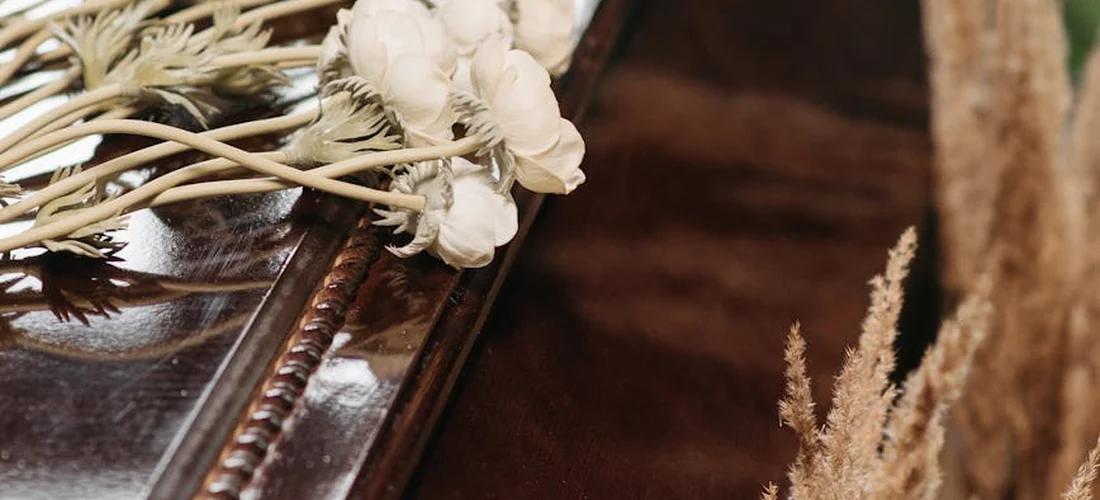
A casket spray is the largest floral tribute, placed on the closed lid of the casket during the service. It is often chosen by the immediate family as a final, public expression of love and respect. In many traditions, the choice of funeral flowers carries symbolic meanings and rituals that honor the deceased. Understanding these meanings can help families select arrangements that reflect personal and cultural wishes.
In my experience, people often ask about the size. A full casket spray typically measures about five to six feet long and two to three feet wide. Think of the size of a yoga mat or a small area rug. Its length allows it to drape gracefully over the lid, creating a central, dignified focus.
A half casket spray is a beautiful and simpler alternative. It covers just one half of the casket lid, usually the head end. This option uses fewer flowers, which can be more manageable to make and more affordable. Choosing a half spray is a perfectly lovely tribute.
Materials for a Casket Spray
Gathering everything before you start helps the process feel more peaceful and focused. You will need:
- A long, rectangular oasis tray designed for casket sprays.
- Pre-soaked floral foam blocks that fit snugly inside the tray.
- Main flowers (often roses, lilies, or chrysanthemums) for the focal points.
- Secondary or filler flowers (like carnations, alstroemeria, or spray roses).
- Several bunches of greenery (such as leatherleaf fern, salal, or eucalyptus) for the base.
- Waterproof floral tape to secure the foam in the tray.
Select flowers that feel meaningful, whether they were a favorite color or bloom of the person you are honoring.
Steps for Assembling a Casket Spray
-
Soak your floral foam in water until it is fully saturated, then secure it inside the plastic tray with waterproof tape. Place the tray on a long, stable table where you can walk around it.
-
Begin by creating a base with your greenery. Trim the stems and insert them at an angle into the foam, working from the edges inward. Your goal is to create a soft, full blanket of green that hides the foam and defines the shape of your spray.
-
Establish your focal points. Place your largest, most striking main flowers first. I often start with three or five roses spaced along the center. This creates a visual anchor for the entire arrangement.
-
Fill in around your focal flowers with your secondary blooms. Cluster smaller flowers near the larger ones to create depth and texture. Step back occasionally to look at the balance.
-
Add the final touches. Use lighter filler flowers or delicate greenery to cover any visible foam and soften any harsh lines. Mist the entire arrangement lightly with water.
To attach the spray, the funeral home staff will usually assist. The finished tray is often secured to the casket lid with strong floral pins or clear ties that will not damage the surface. Speak with the funeral director beforehand so they know your plan.
Making a Hand-Tied Funeral Bouquet or Standing Wreath
Creating a floral tribute with your own hands is a beautiful way to honor someone you love. I have found that these projects offer a quiet focus during a difficult time. They are manageable tasks that transform simple flowers into a personal offering of remembrance, especially when you know how to choose the right arrangements for a funeral.
Assembling a Hand-Tied Funeral Bouquet
Hold your first flower stem firmly in one hand. Add the next stem, placing it against the first at a slight angle, and gently turn your wrist to begin a spiral. This spiraling technique builds a balanced, natural shape that feels secure in your grasp.
Keep adding stems, one by one, turning each slightly to maintain the spiral. When the bouquet feels full, bind the stems together with floral tape or twine right where they cross. Pull the tie firmly for security, then trim the ends evenly so the bouquet stands straight in a vase. The clean cut helps the flowers drink deeply, symbolizing care that lasts.
Creating a Funeral Wreath
Start by soaking a block of floral foam in water until it is heavy and fully saturated. Secure this foam to a sturdy wreath base using waterproof floral tape or green paddle wire. A firmly attached foam core is the foundation for a lasting tribute.
Work around the wreath in small sections. Insert flower stems into the foam at a gentle angle, pointing slightly outward. Building the wreath in sections allows you to create a full, rounded shape that feels soft and complete. Place greenery first for structure, then add focal flowers, filling any gaps last. The angled stems guide the eye around the circle, a symbol of eternity.
Crafting Memorial Ribbons for a Personal Touch

Of all the tasks, making a memorial ribbon often feels the most gentle. It is a quiet, hands-on way to honor the person who has died. The act of choosing words and carefully writing them can be a small comfort during a difficult time.
These ribbons add a layer of deep personalization that a store-bought arrangement cannot. They transform a beautiful spray or wreath into a direct message of love and remembrance. This simple addition turns a floral tribute into a deeply personal statement, especially when paired with meaningful messages on funeral flower cards.
You can attach a finished ribbon to almost any arrangement. Secure it to the frame of a standing spray or the base of a casket spray. Tie it gently onto the handle of a hand-tied bouquet or weave it into the greenery of a wreath.
Basic Supplies and Techniques
You do not need many supplies to begin. Gather a few feet of satin or velvet ribbon, which holds ink well and has a dignified look. You will also need permanent fabric pens, a clear-drying craft glue, and straight pins for securing the ribbon.
Lay the ribbon flat on a clean table. Practice your chosen phrase on paper first. Common messages include “A Fond Farewell,” “A Life Loved,” or “Forever in Our Hearts.” Write slowly and deliberately with the fabric pen. Taking your time here ensures the words are a clear and lasting tribute. These same words can be echoed in personalized funeral memorial cards booklets, creating a keepsake families can share. In the next steps, you’ll see how to translate this design into a custom memorial card booklet.
To finish, you can create a simple loop at the top for hanging. For a draped look, cut the ends at a diagonal to prevent fraying. Use a dot of glue on the back to attach the ribbon to itself, and then secure it to the floral foam or wreath base with a straight pin. The ribbon now carries your personal message for all to see.
Common Mistakes to Avoid

When you are creating in memory of someone, small practical details matter. Avoiding a few common oversights helps your work last and brings more peace on the day.
Using Dull Tools
Dull scissors or knives crush a flower’s stem instead of cutting it cleanly. That crushed end cannot drink water properly. Your beautiful blooms will wilt far too soon.
I keep a pair of sharp floral snips or a clean kitchen knife dedicated to this task. A clean, angled cut gives each stem the best chance to stay fresh and vibrant for the service.
Rushing the Foam Soak
Dry floral foam is useless. Pushing stems into it is like trying to plant in cement. I see many people grow impatient and stop soaking it too early.
Place the brick in a basin of water and let it sink on its own. This can take ten or fifteen minutes. Wait until no dry patches remain on the top. A fully saturated foam brick is the invisible foundation that keeps every flower hydrated.
Forgetting Secure Transport
A funeral home move or a car ride can be bumpy. A top-heavy spray or a wreath can shift, tilt, or spill if not secured. The distress this can cause is something I wish to spare you.
Use floral tape to anchor foam blocks firmly to their tray. Place finished arrangements in sturdy boxes or containers that fit them snugly. Taking a few minutes to secure your work prevents accidents during an already difficult journey.
Overcomplicating the Design
This is the most tender point. In grief, we sometimes feel nothing is beautiful enough, grand enough, or perfect enough to express our love. This pressure can turn a loving act into a source of anxiety.
Your offering is profound because of the love behind it, not its complexity. A simple bouquet of one meaningful flower, tied with a ribbon, holds as much honor as the most elaborate display. Give yourself grace. Choose a design that feels manageable for your heart and your hands right now.
Keeping Arrangements Fresh and Secure
After you arrange the flowers, their care begins. I lightly mist the blossoms with a spray bottle. This simulates a gentle rain, keeping petals supple without drowning them.
Keep your arrangements in a cool, shaded place until the service. A basement or a spare room works well. Cool air preserves the flowers’ vibrant colors and delicate shapes.
Always use floral preservative in the water. This powder is a quiet helper. It nourishes the stems and keeps the water clean, slowing decay.
Think of floral preservative as a steadying hand for your flowers. Mix it according to the package directions. Your arrangements will drink this fortified water, gaining endurance.
Securing a casket spray requires a thoughtful touch. First, look for built-in anchors on the casket lid. These small metal loops are made for this purpose.
If anchors aren’t present, use strong, flat straps or wide floral tape. Secure the spray firmly to the casket handle or lid edge. This prevents shifting during movement, honoring the tribute’s place.
Ensuring Freshness Throughout the Service
Flowers can wilt under the warmth of gathered people. I carry a small water spray bottle with me. A brief mist on the petals just before the service can perk them up.
This simple act is a final gesture of care. It ensures the beauty you created remains vivid during the memorial. I find it a comforting, quiet task.
Attaching Arrangements Securely
Safety and stability are my main concerns. For wreaths on easels, use clear zip ties or thick floral wire. Loop them tightly through the easel frame and the wreath’s backing.
Always choose attachments that are strong but will not damage surfaces. Soft straps or broad ribbons are ideal for caskets. They hold without scratching the finish.
Give each arrangement a gentle test tug after attaching it. It should feel steadfast. This small check brings reassurance on a day filled with emotion.
Compassionate FAQs for DIY Funeral Flowers
How can I ensure my DIY funeral arrangements stay fresh?
To honor your loved one with lasting beauty, keep arrangements in a cool, shaded place and use floral preservative in the water. A gentle misting before the service will help blooms remain vibrant and reflective of your care.
How do I attach arrangements securely to a casket or stand?
For peace of mind, anchor casket sprays with soft straps or wide floral tape to handles or lids, ensuring they stay dignified and steady. Wreaths on stands can be firmly secured using clear zip ties or floral wire, discreetly fastened to the frame.
Where can I find affordable flowers and supplies for DIY funeral arrangements?
Local craft stores often carry basic materials, while online wholesalers offer bulk flowers at gentle prices. Consider seasonal blooms from farmers’ markets for fresh, meaningful selections that support local growers.
Parting Reflections on Handmade Tributes
Your most valuable tool is not a floral knife, but your own intention to honor a life. Let simplicity and sincerity guide your hands more than any fear of imperfection.
I gently urge you to consider eco-friendly materials, a quiet act of care that extends dignity beyond the service. A green, eco-friendly funeral can honor memory while protecting the planet. May your path forward with Funeral Care, Funeral Needs, and Funeral Questions be met with both practical resources and deep compassion.
Emiliana Dieter
Emiliana is an author at The Valedictory. She is an experienced funeral care advisor and arranged and organized many funerals as part of her end of life consulting services. She has over 8+ years in the funeral industry managing her family funeral business and helping families cope with the loss of their loved ones. Her articles answer any and all questions you might have regarding funeral arrangements, costs, preparations, etc so you can make this a seamless experience.